Antidepressants and GLP-1 Agonists: Understanding the Connection
In the era of modern medicine, there is a growing body of research exploring the link between glucagon-like peptide-1 receptor agonists (GLP-1RAs) and antidepressants. GLP-1RAs are commonly used to treat type 2 diabetes, while antidepressants are prescribed to manage mental health conditions. Recent studies suggest that GLP-1RAs may have a positive impact on mental health, particularly in individuals with depression and anxiety. In this article, we will delve into the world of GLP-1RAs and antidepressants, exploring their mechanisms of action, potential benefits, and areas of ongoing research.
What are GLP-1RAs and How Do They Work?
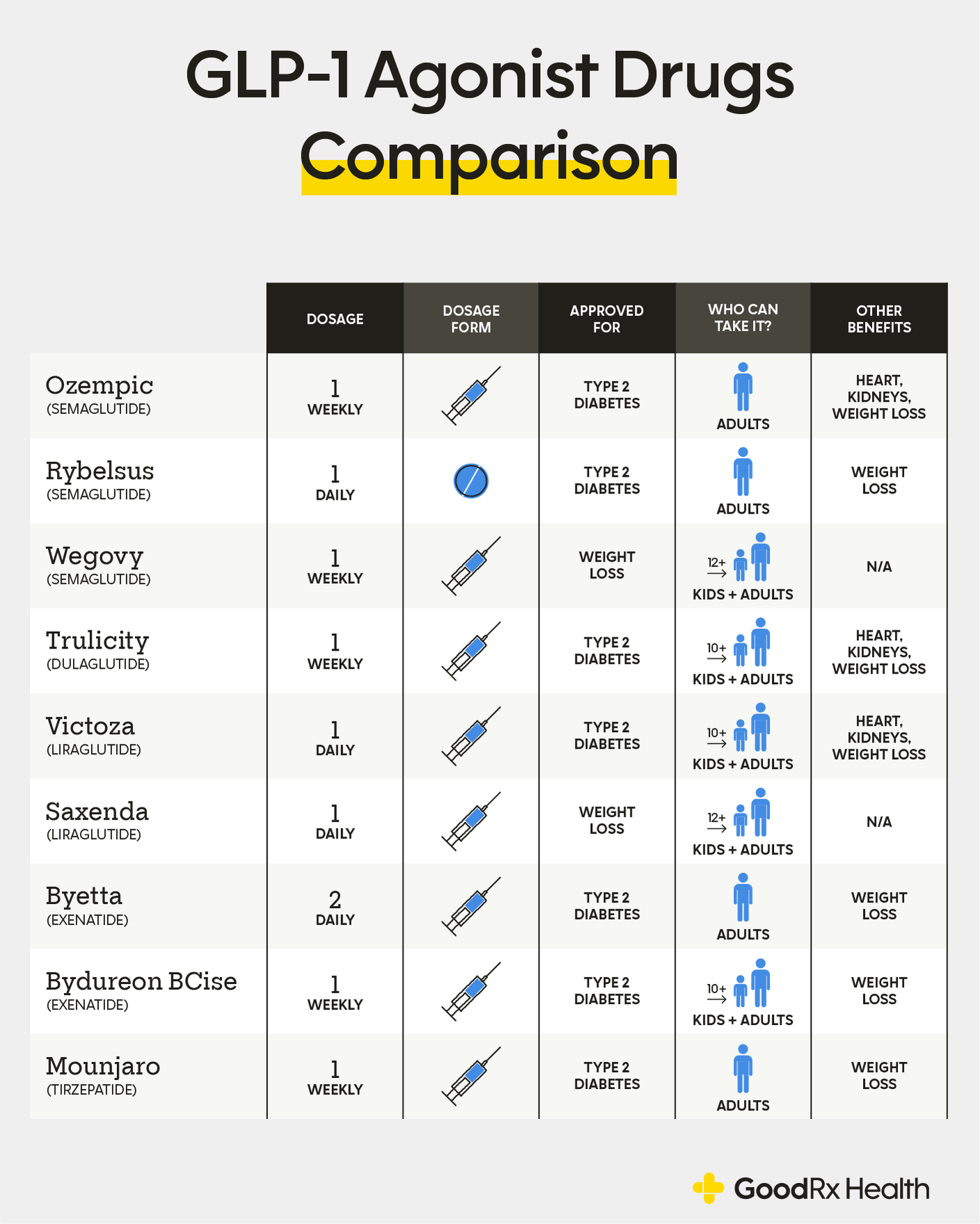
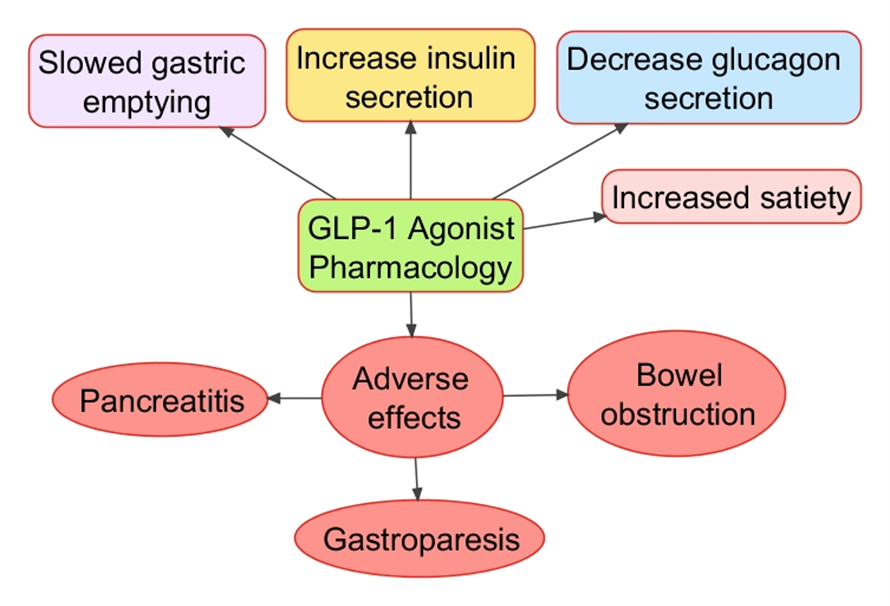
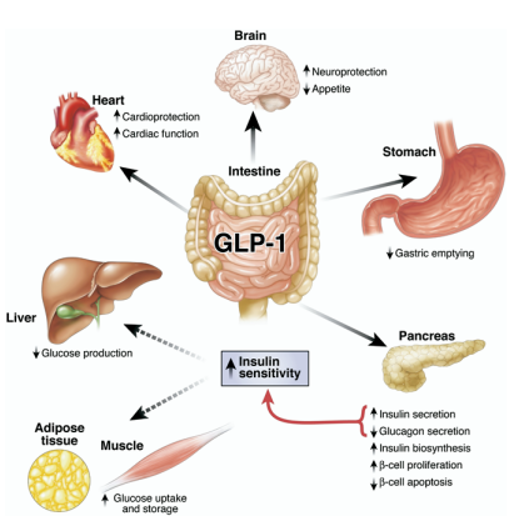
GLP-1RAs are a class of medications that mimic the action of the naturally occurring hormone glucagon-like peptide-1 (GLP-1). GLP-1 is released by the gut and plays a crucial role in regulating blood sugar levels, appetite, and metabolic function. GLP-1RAs, such as semaglutide and liraglutide, activate the GLP-1 receptor, leading to improved insulin sensitivity, reduced glucose production, and increased satiety. This unique mechanism of action has led to their use in managing type 2 diabetes and obesity.
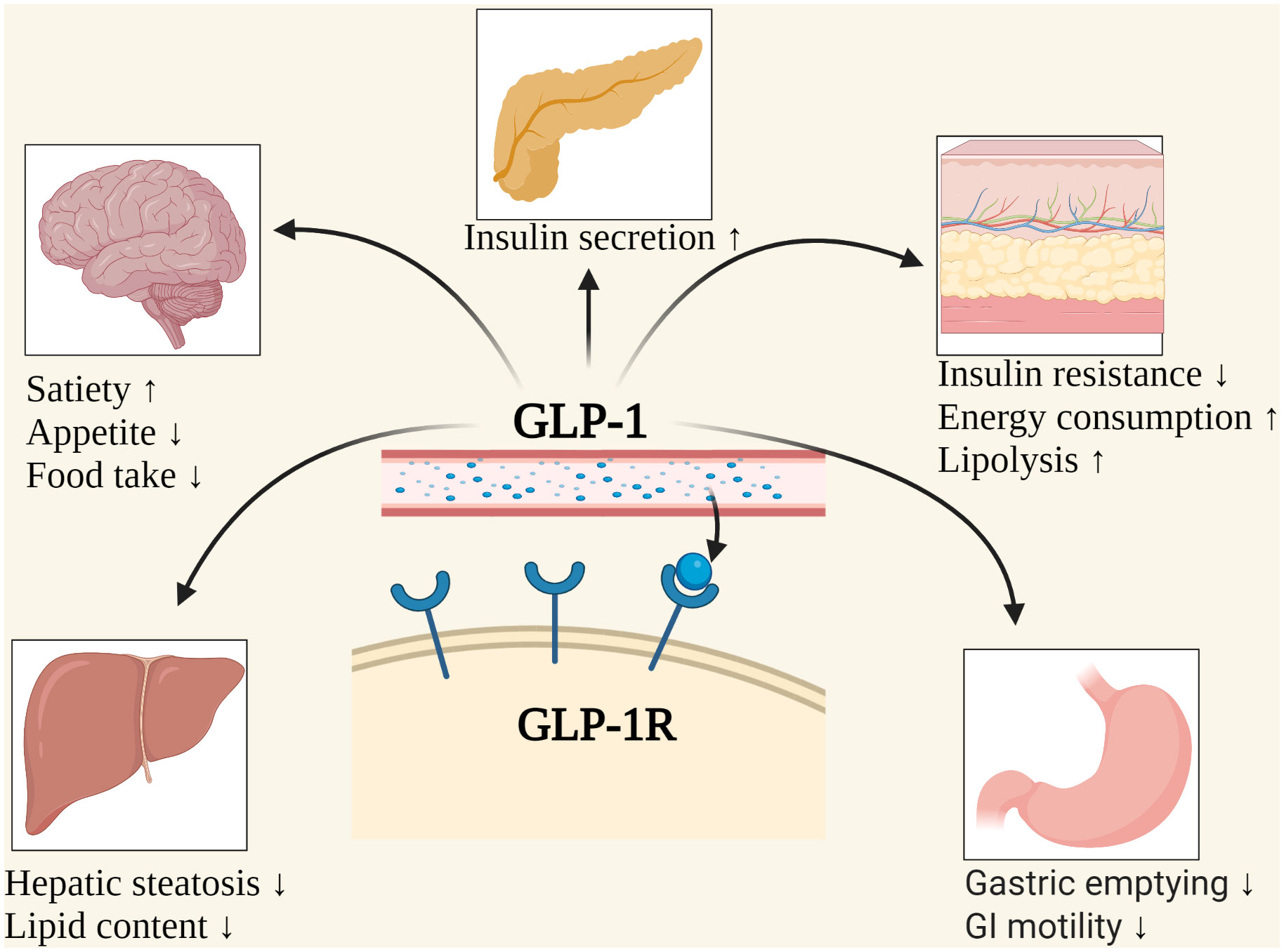
The Antidepressant Effects of GLP-1RAs: Emerging Evidence
Several studies have investigated the antidepressant effects of GLP-1RAs, with promising results. A systematic review published in the Journal of Clinical Psychopharmacology examined the association between GLP-1RAs and antidepressant use in over 20,000 individuals. The results showed a significant reduction in depression scores and symptoms in individuals treated with GLP-1RAs, even when adjusting for confounding factors. Another study published in The American Journal of Geriatric Psychiatry found that GLP-1RAs were associated with a reduced risk of worsening depression and anxiety in older adults with type 2 diabetes.