Unlocking the Connection between Anxiety Treatment and GLP-1 Levels
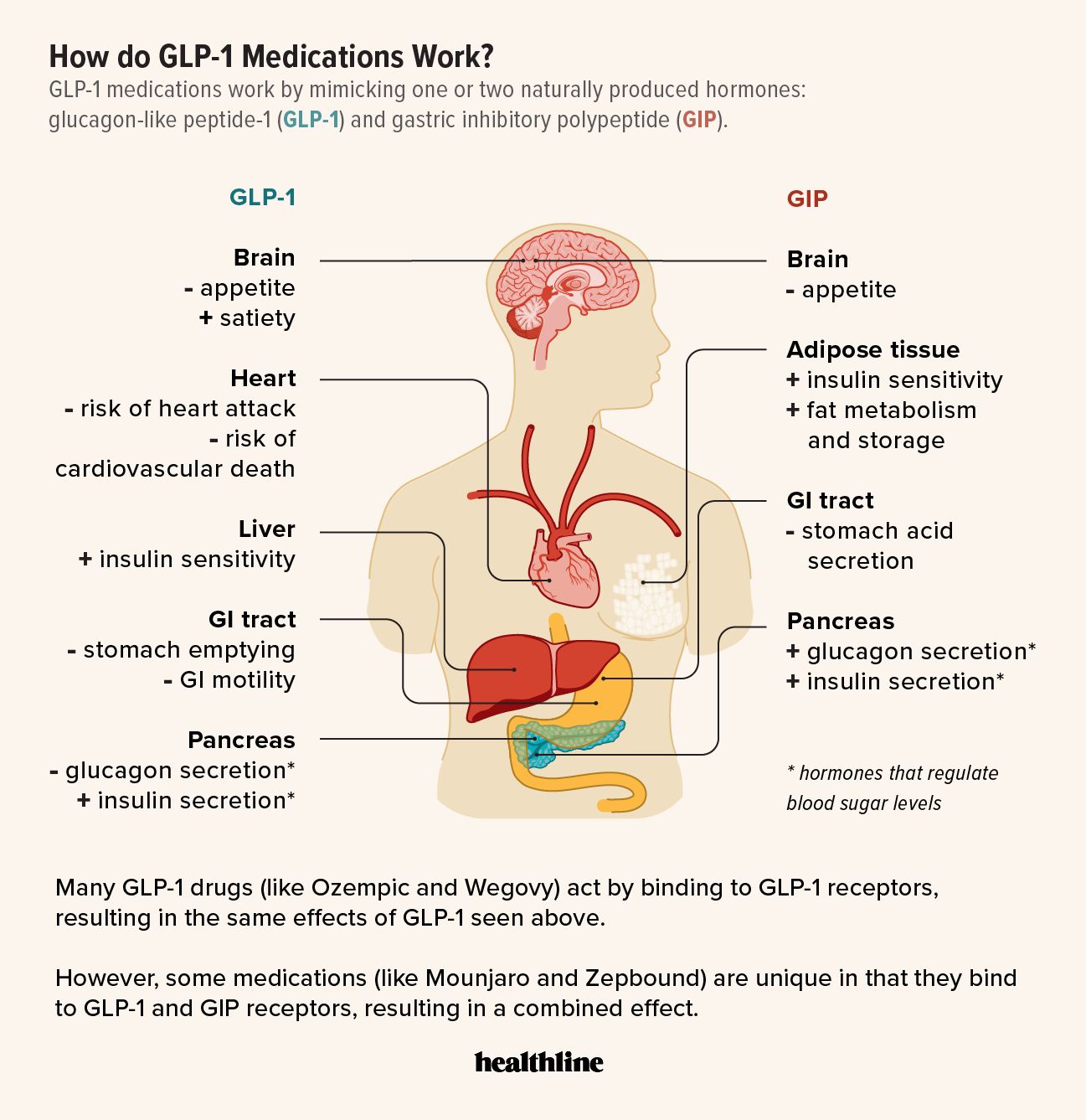
Glucagon-like peptide-1 (GLP-1) receptor agonists have revolutionized the treatment of diabetes and obesity. These medications work by mimicking the action of the naturally occurring hormone GLP-1, which plays a crucial role in blood sugar regulation and appetite control. However, recent studies have also highlighted the potential of GLP-1 medications in managing anxiety and depression. In this article, we will delve into the connection between anxiety treatment and GLP-1 levels, exploring the emerging evidence and its implications for mental health.
What are GLP-1 Receptor Agonists?
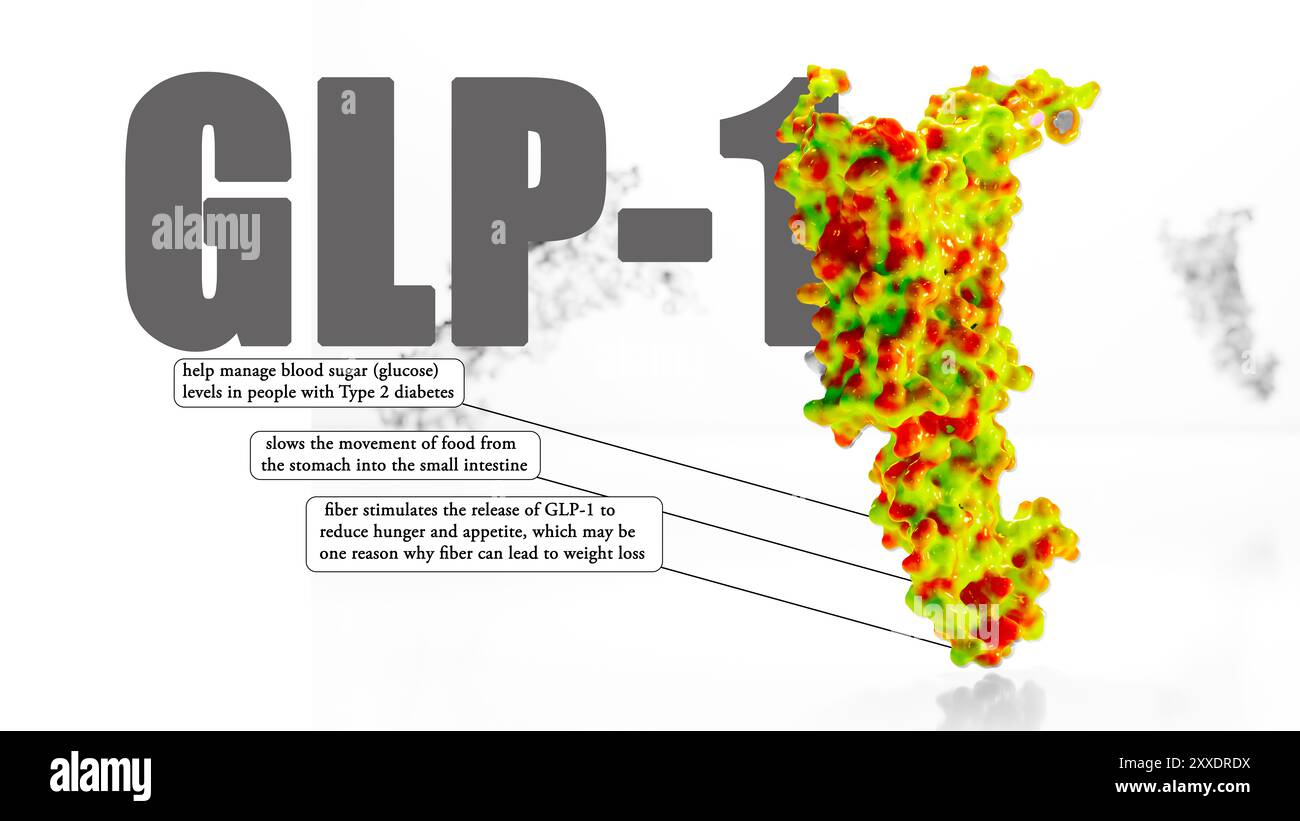
GLP-1 receptor agonists are a class of medications that stimulate the GLP-1 receptor, which is involved in glucose metabolism and appetite regulation. These medications have been shown to improve blood sugar control, reduce body weight, and even offer potential benefits for mental health.

The Connection between GLP-1 and Anxiety Treatment
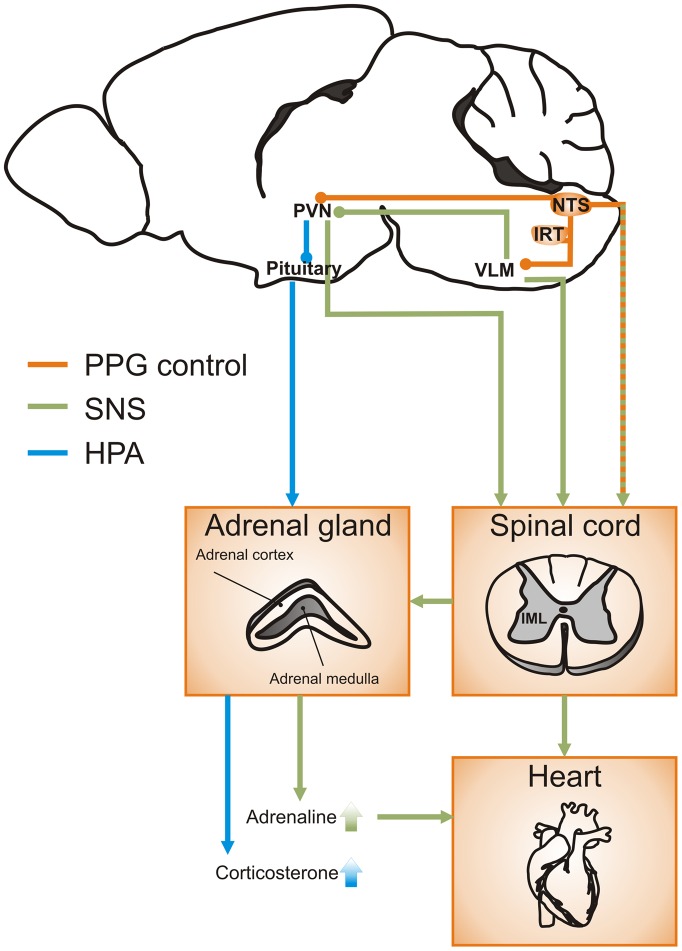
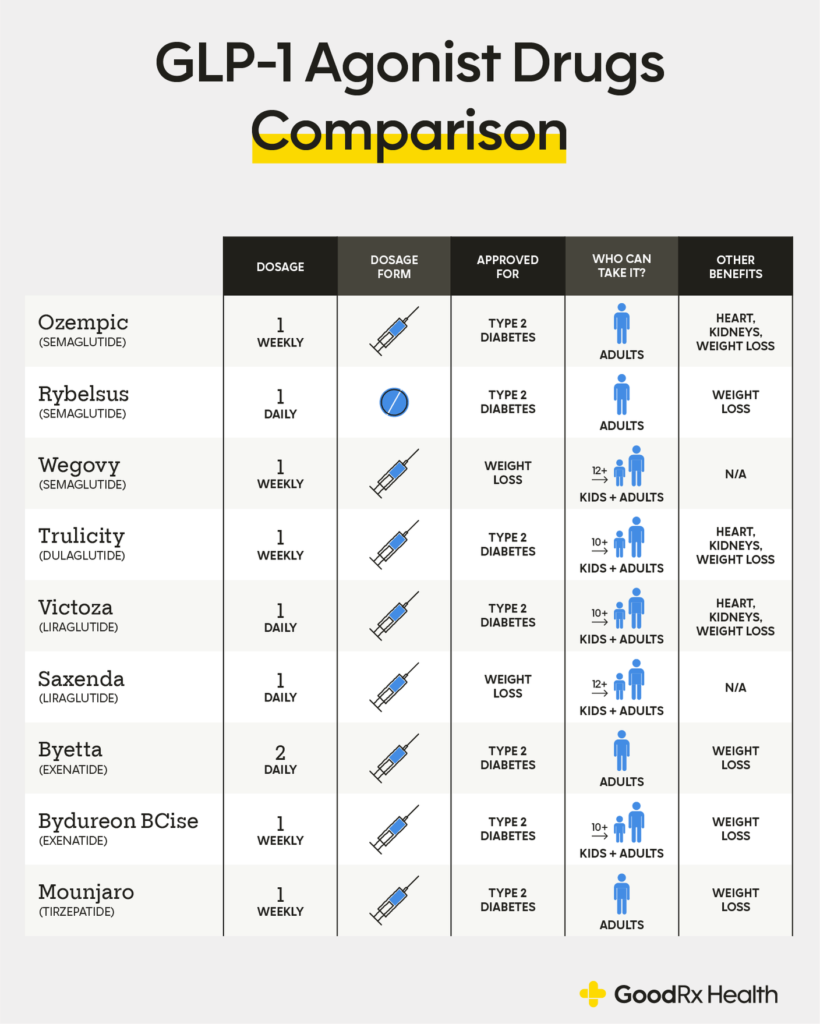
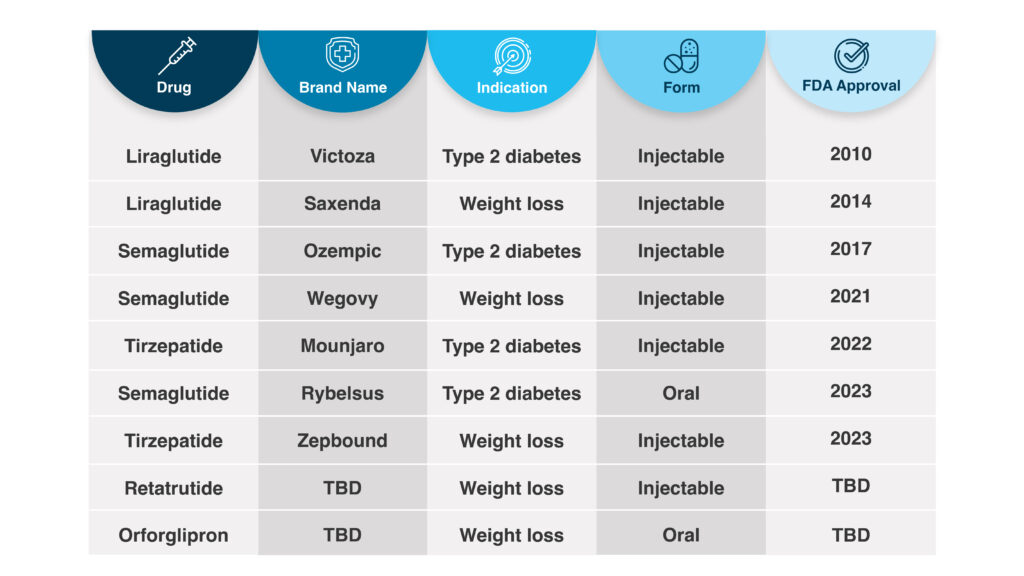
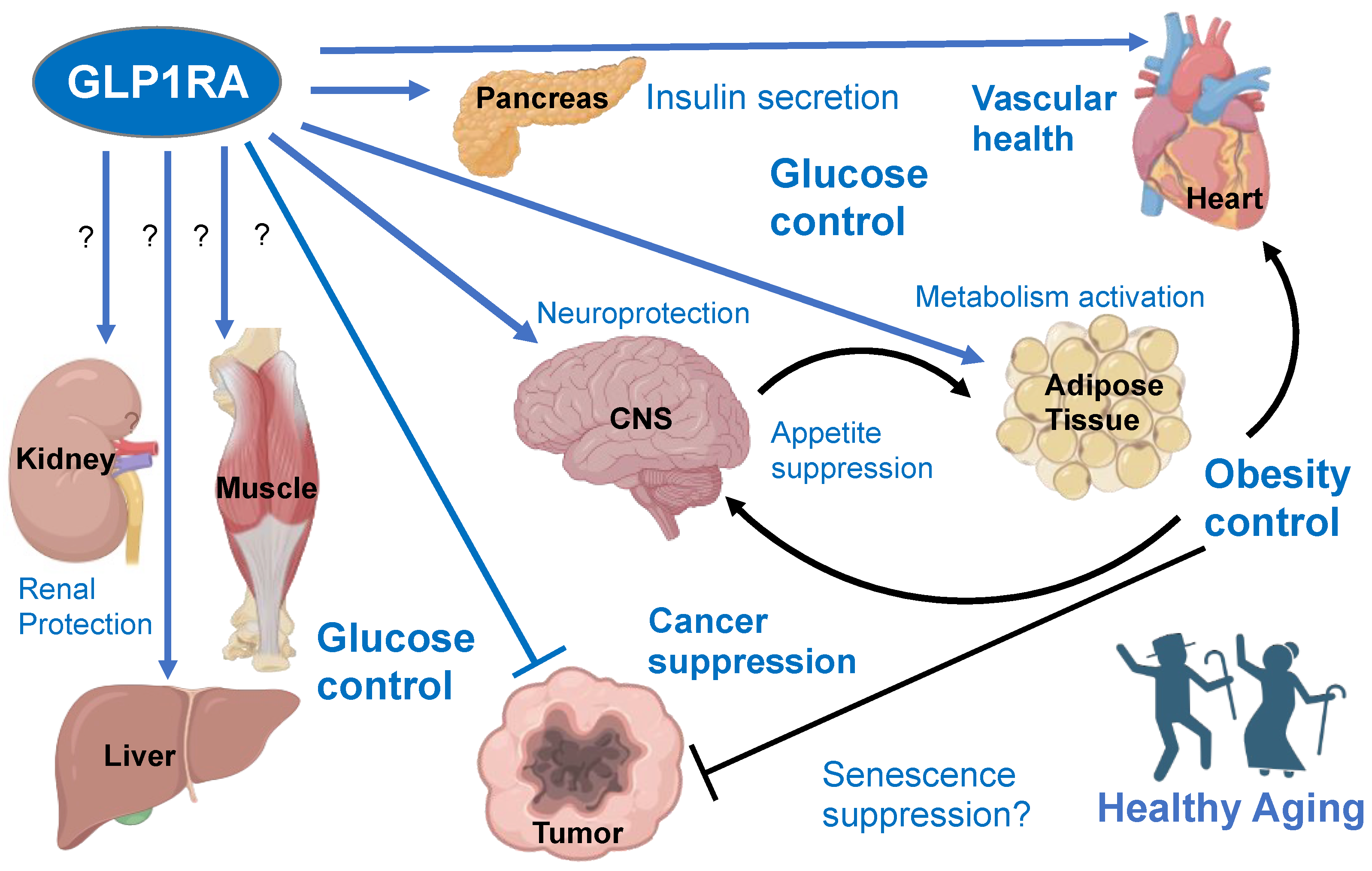
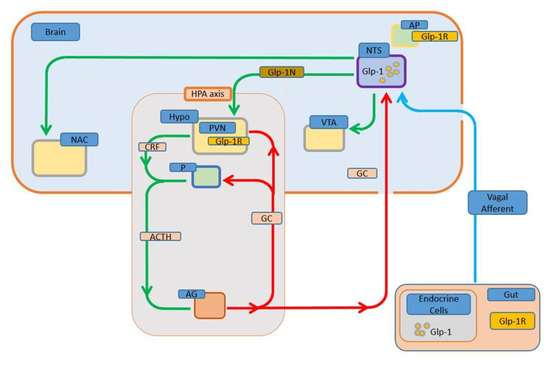
Research has shown that GLP-1 receptor agonists may influence both metabolic and psychiatric systems, with emerging evidence suggesting effects on neuroinflammation, neuroplasticity, and anxiety-related regulation. A recent study found that people with depression and anxiety who used GLP-1 drugs like Ozempic and Wegovy had a 42% lower risk of worsening mental illness.