Best Basement Waterproofing Methods for Heavy Rainfall
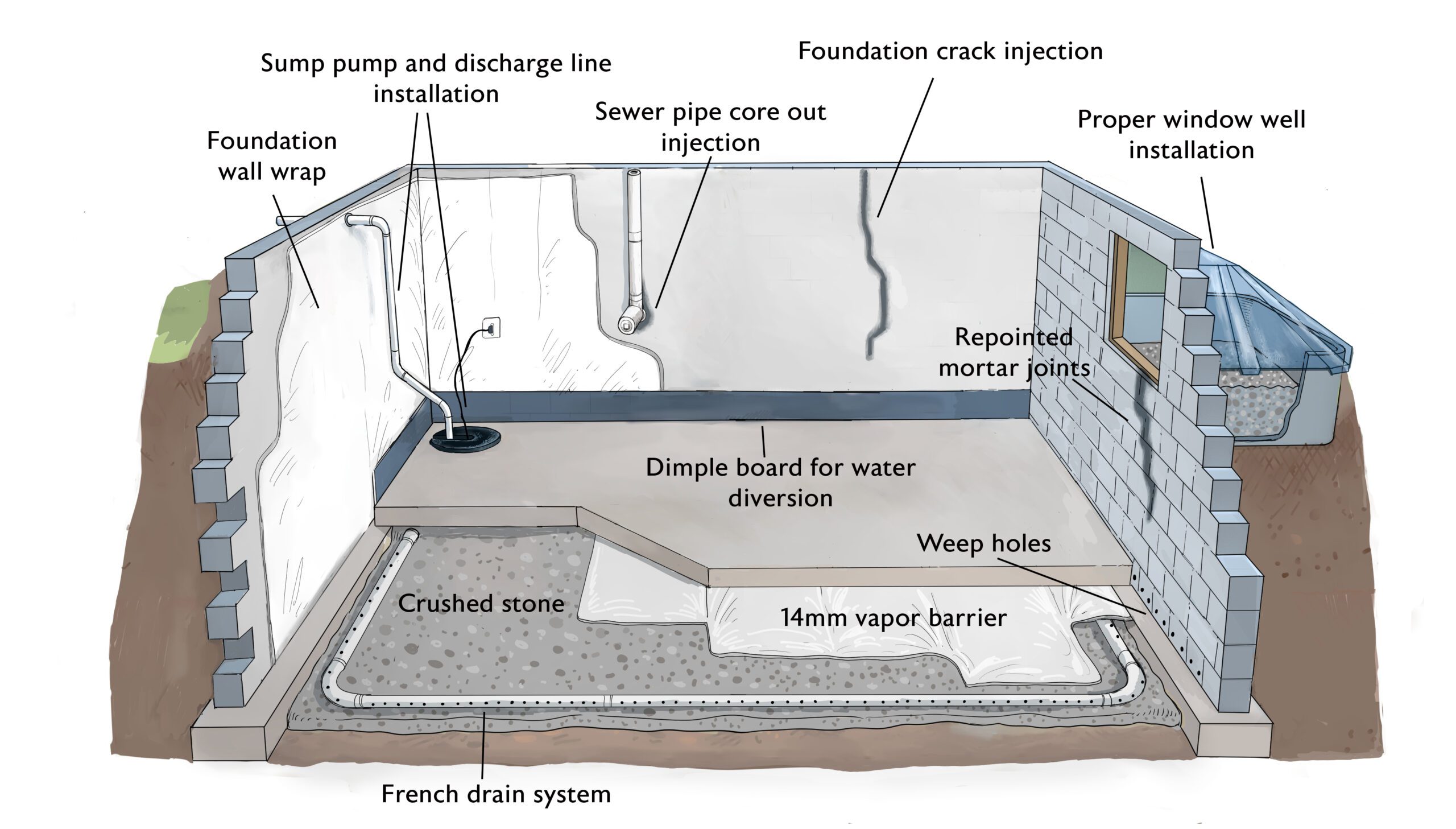
Heavy rainfall can be a real threat to the integrity of your home's basement, especially if it's not properly waterproofed. Water can seep into your basement through cracks, joints, and porous concrete, causing damage to your foundation, walls, and floors. However, with the right waterproofing methods, you can protect your home from water damage and ensure a dry and safe living space. In this article, we'll explore the best basement waterproofing methods for heavy rainfall and provide you with the information you need to choose the right solution for your home.
Assessing Your Basement's Waterproofing Needs

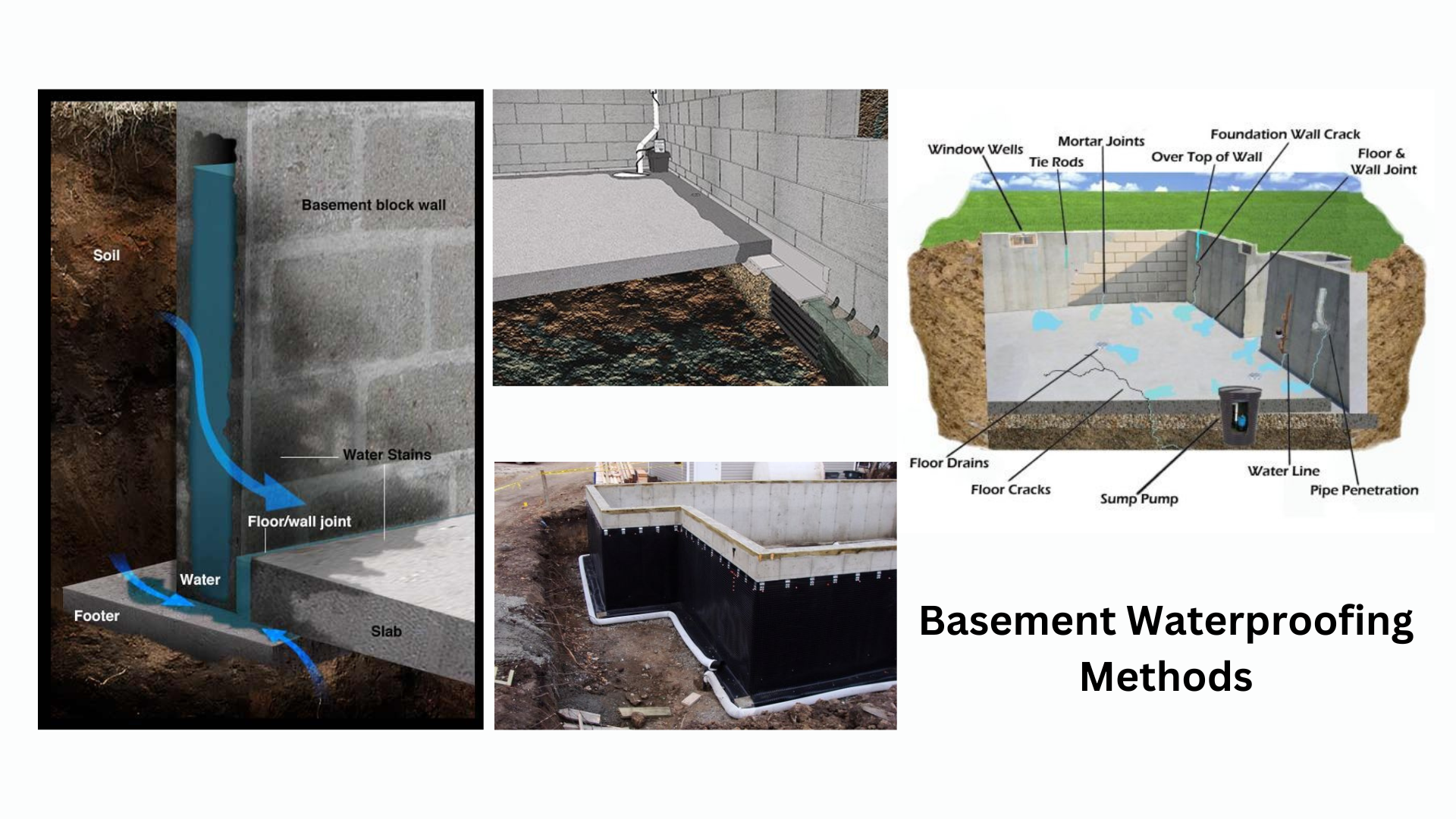
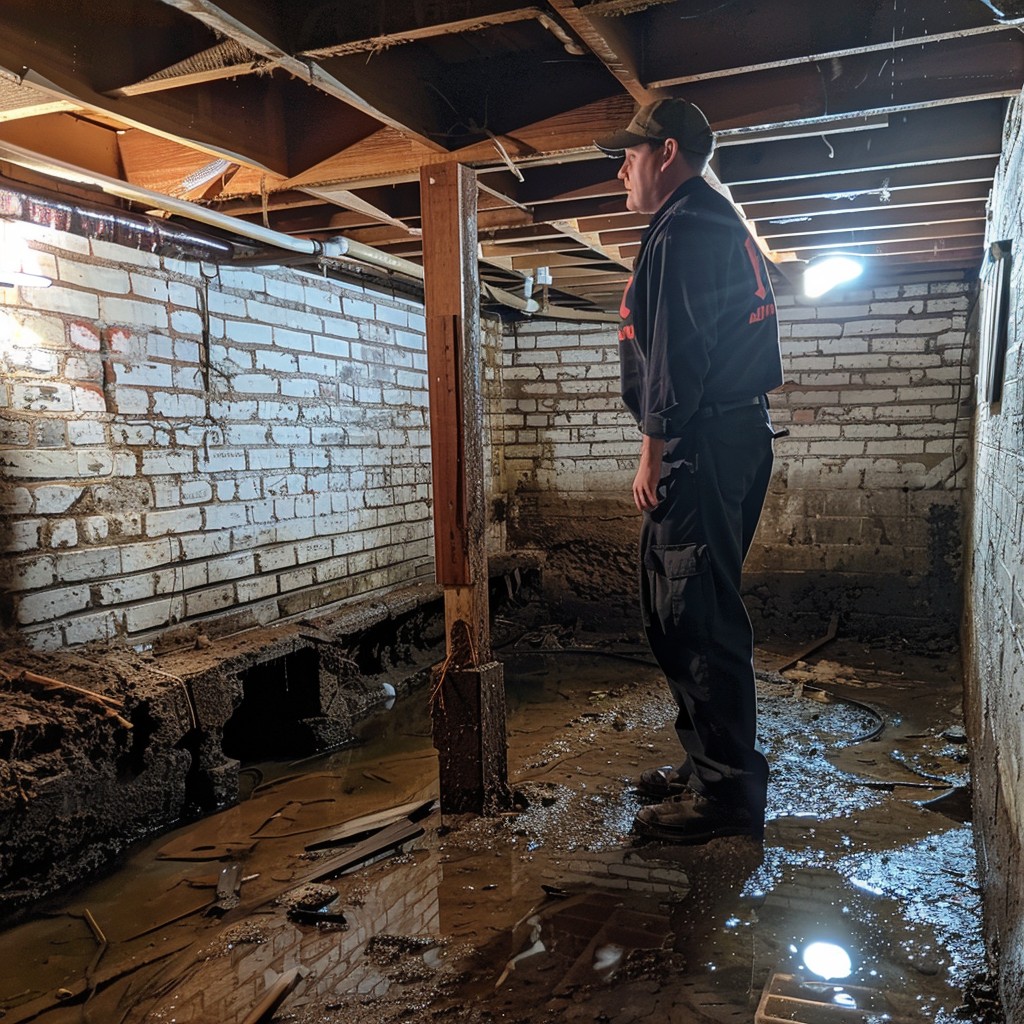
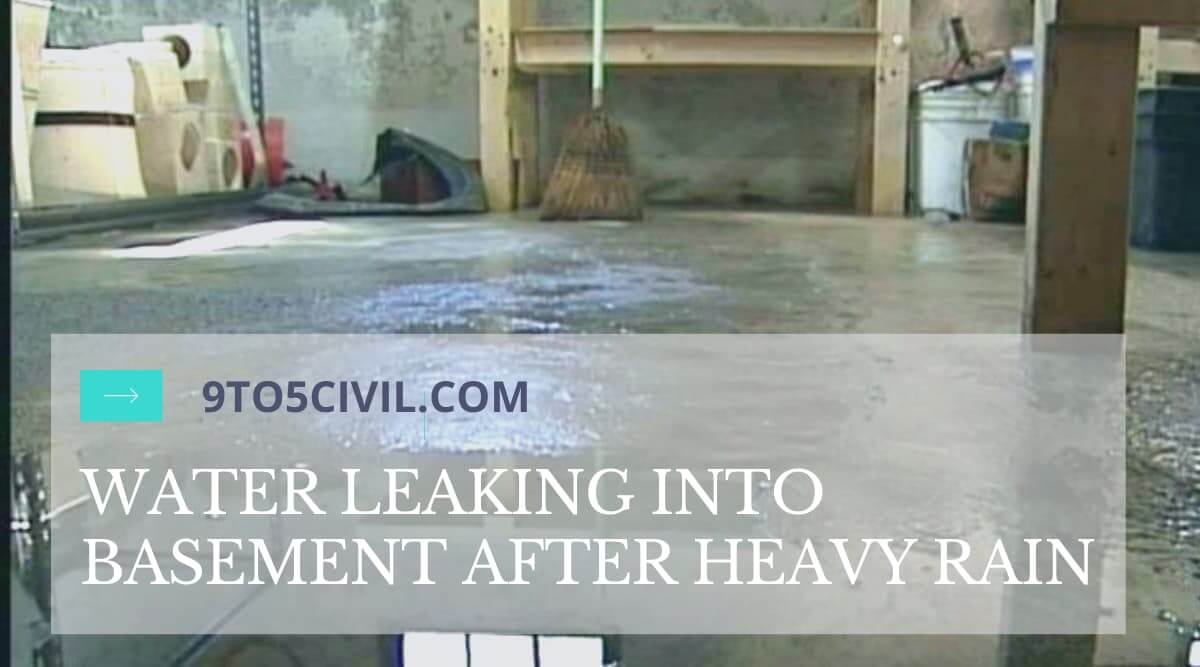
Before you start waterproofing your basement, it's essential to assess its current condition and identify specific problem areas. Water problems are often easiest to identify during or immediately after heavy rainfall, when groundwater levels and drainage issues are most visible. To conduct a thorough inspection, follow these steps:
- Check for cracks in your foundation walls, floors, and joints.
- Look for signs of water seepage, such as water stains, mineral deposits, or dampness.
- Inspect your gutters and downspouts to ensure they're clear and functioning properly.
- Check your yard grading to ensure it slopes away from your home's foundation.
- Verify that your sump pump and drainage system are working correctly.