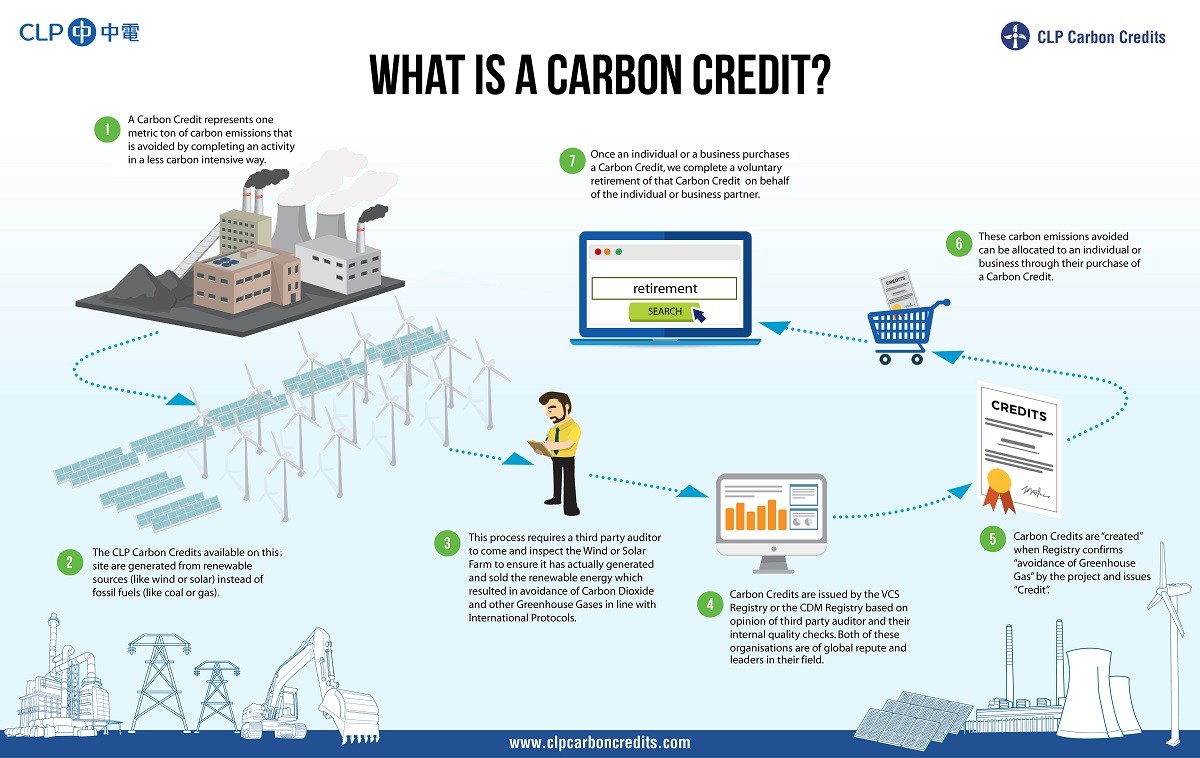
Carbon Credit Trading Regulatory Compliance: Navigating the Complex Landscape
The carbon credit market has experienced significant growth in recent years, driven by increasing demand for climate action and sustainable development. As companies seek to meet their emission reduction targets and comply with regulatory requirements, carbon credit trading has emerged as a key tool for organizations. However, navigating the complex landscape of carbon credit trading regulatory compliance can be a daunting task for businesses.
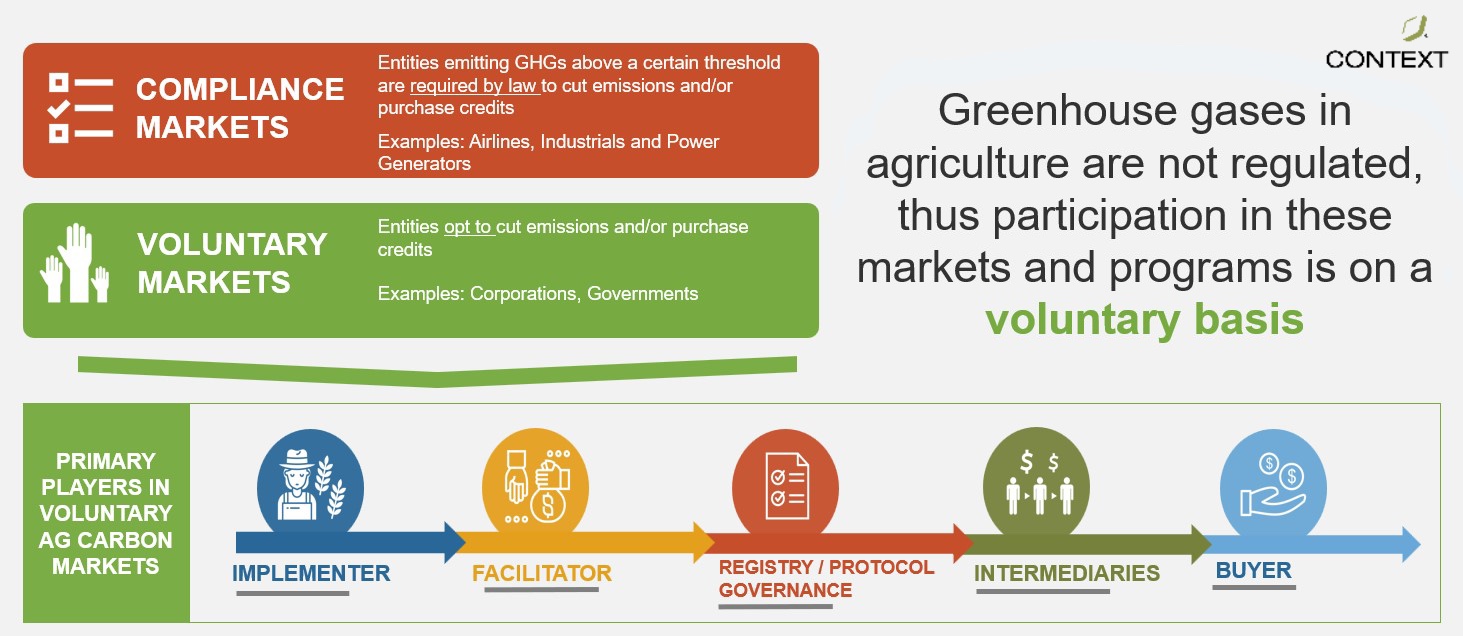
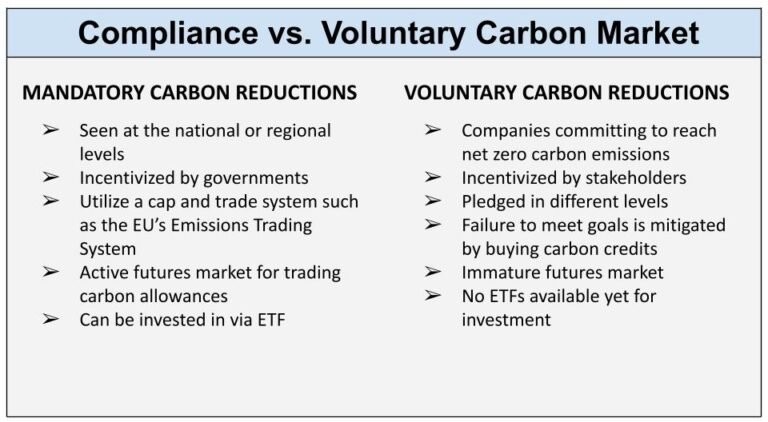
Compliance Carbon Markets: An Overview
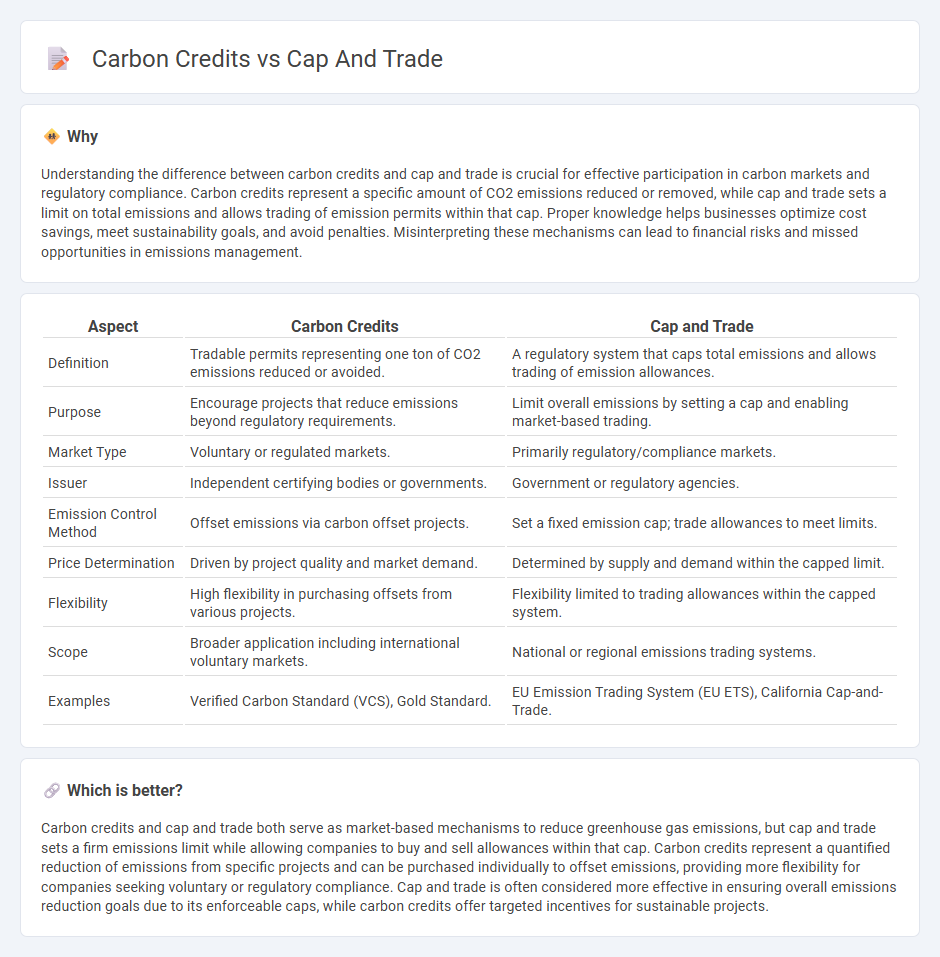
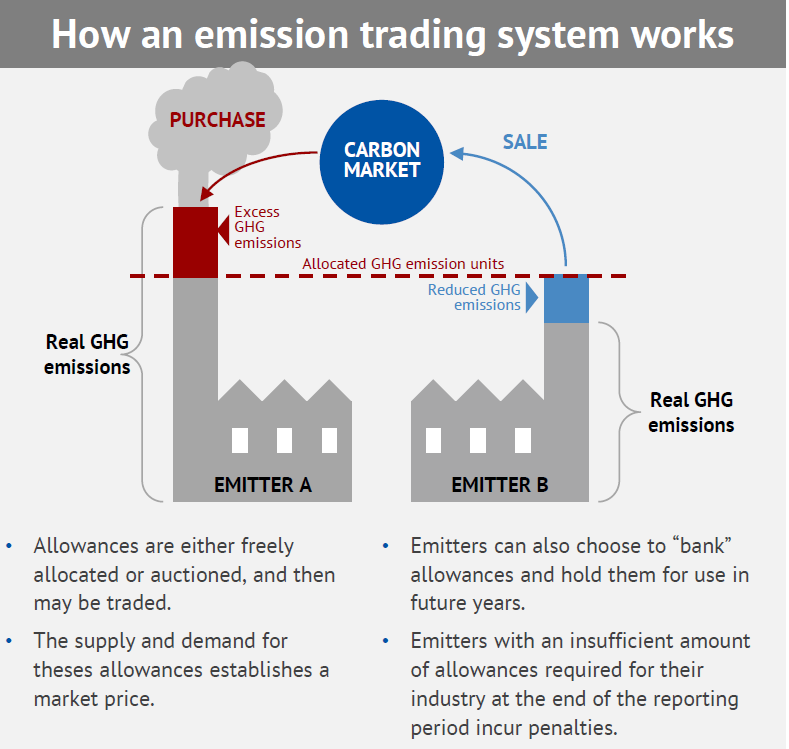
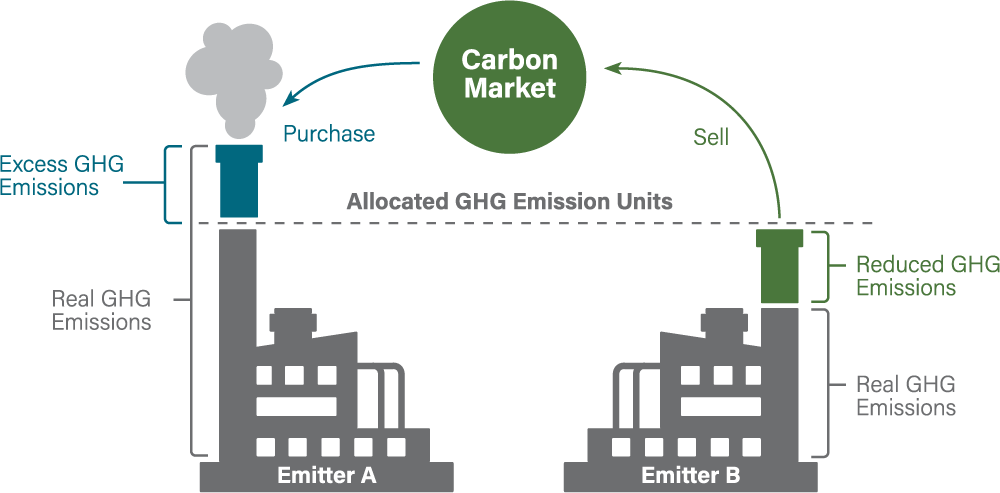
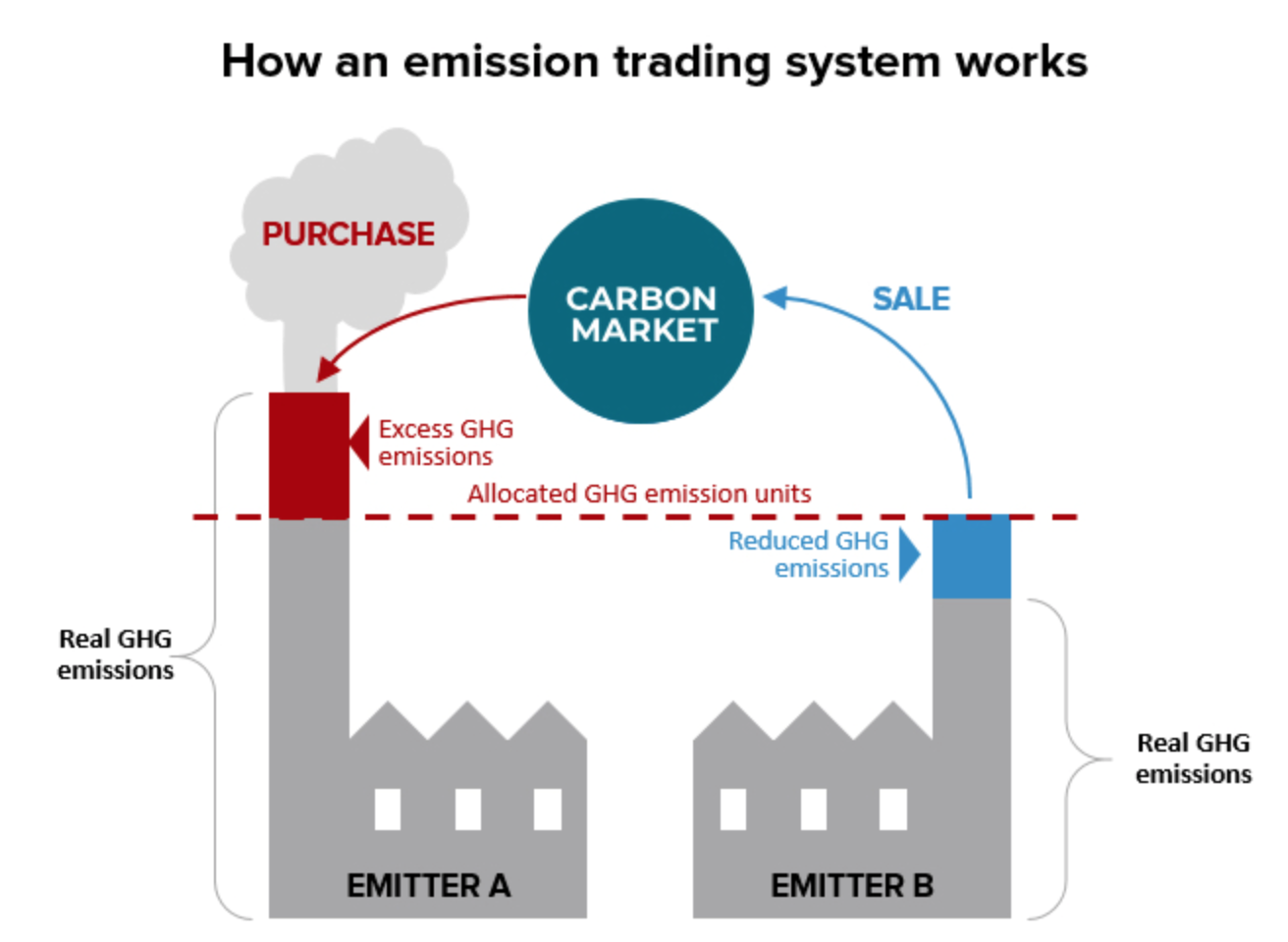
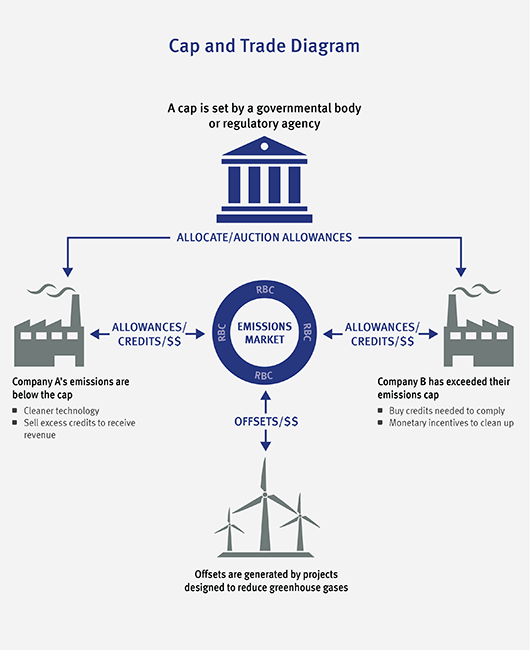
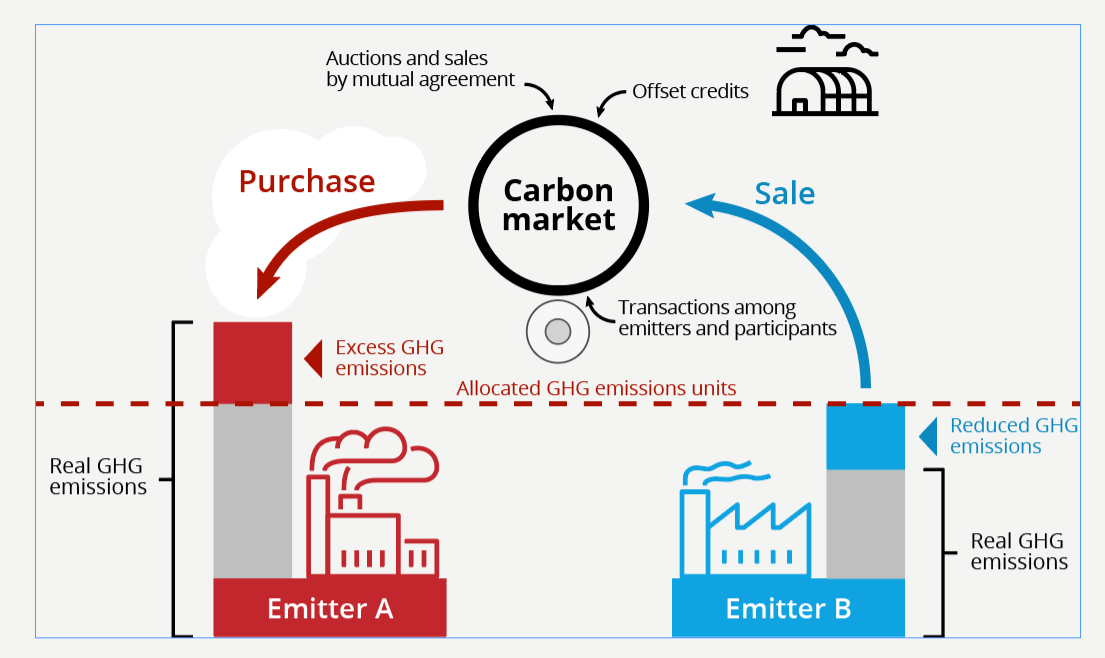
Compliance carbon markets, also known as Emissions Trading Systems (ETS), are designed to establish a carbon price by law or regulation, controlling the supply of allowances that are then distributed by national, regional, and global regimes. This can be achieved through either a carbon tax or a cap-and-trade scheme, shifting economic incentives by making it more expensive to pollute. The primary objective of compliance carbon markets is to reduce greenhouse gas emissions by creating a financial incentive for companies to adopt cleaner technologies and practices.
The Importance of Regulatory Compliance
Regulatory compliance is crucial in carbon credit trading, as non-compliance can result in severe financial penalties, reputational damage, and loss of credibility. The consequences of a defective carbon credit agreement range from failed delivery and wasted capital to regulatory non-compliance and reputational damage. In high-profile cases, buyers have discovered after the fact that credits they paid for were double-counted, non-additional, or simply did not represent the emissions reductions claimed.