Carbon Offset Project Monitoring and Evaluation: A Critical Component of Climate Action
The importance of carbon offset projects in mitigating climate change cannot be overstated. However, the effectiveness of these projects relies heavily on accurate monitoring and evaluation (M&E) practices. In this article, we will delve into the world of carbon offset project M&E, exploring its significance, challenges, and best practices.
What is Carbon Offset Project Monitoring and Evaluation?
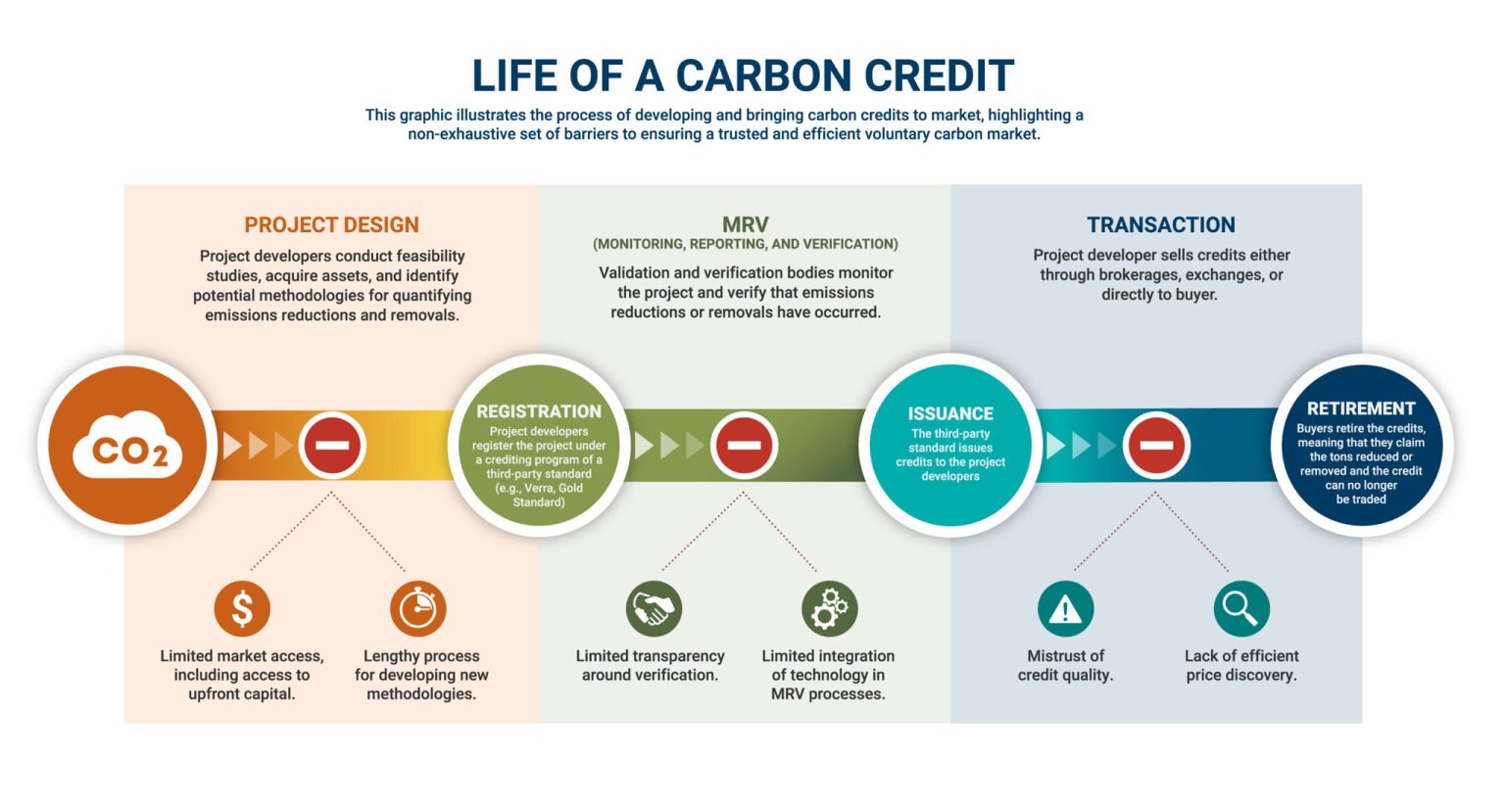
Carbon offset project M&E involves tracking and assessing the performance of carbon offset projects, ensuring they meet their intended goals and deliver real emissions reductions. This process involves monitoring project implementation, evaluating project outcomes, and reporting on project performance.
Benefits of Effective Carbon Offset Project M&E
- Ensures project effectiveness and credibility
- Reduces the risk of project failure and misuse of funds
- Enhances transparency and accountability
- Provides valuable insights for project improvement and replication
- Supports the integrity of the carbon market
Challenges in Carbon Offset Project M&E
While M&E is crucial for carbon offset projects, it poses several challenges, including:
- Complexity of project implementation and monitoring
- Lack of standardization and consistency in M&E practices
- Insufficient resources and capacity for M&E
- Difficulty in tracking and verifying project outcomes
Best Practices in Carbon Offset Project M&E
To overcome the challenges and ensure effective M&E, consider the following best practices: