Unlocking the Secrets of Anxiety and Depression: A Comprehensive Guide to DNA Testing
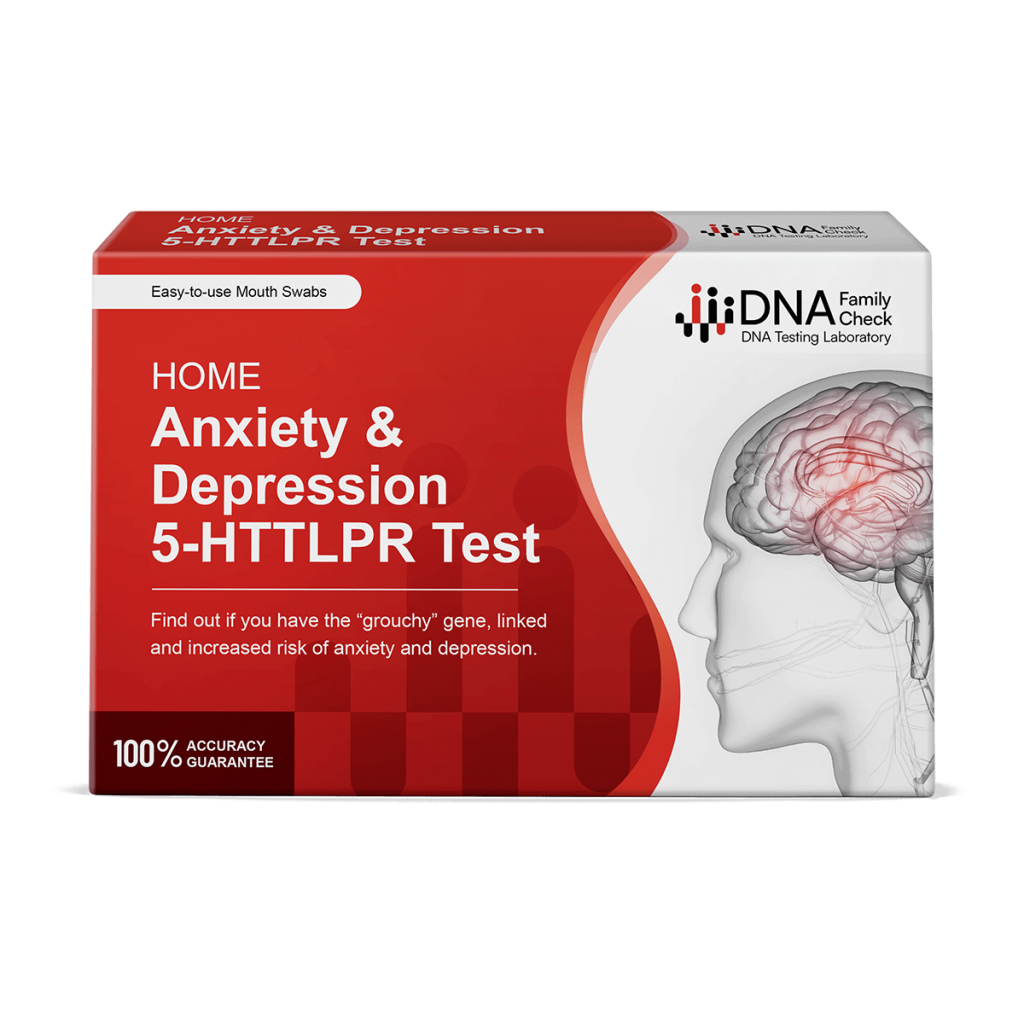
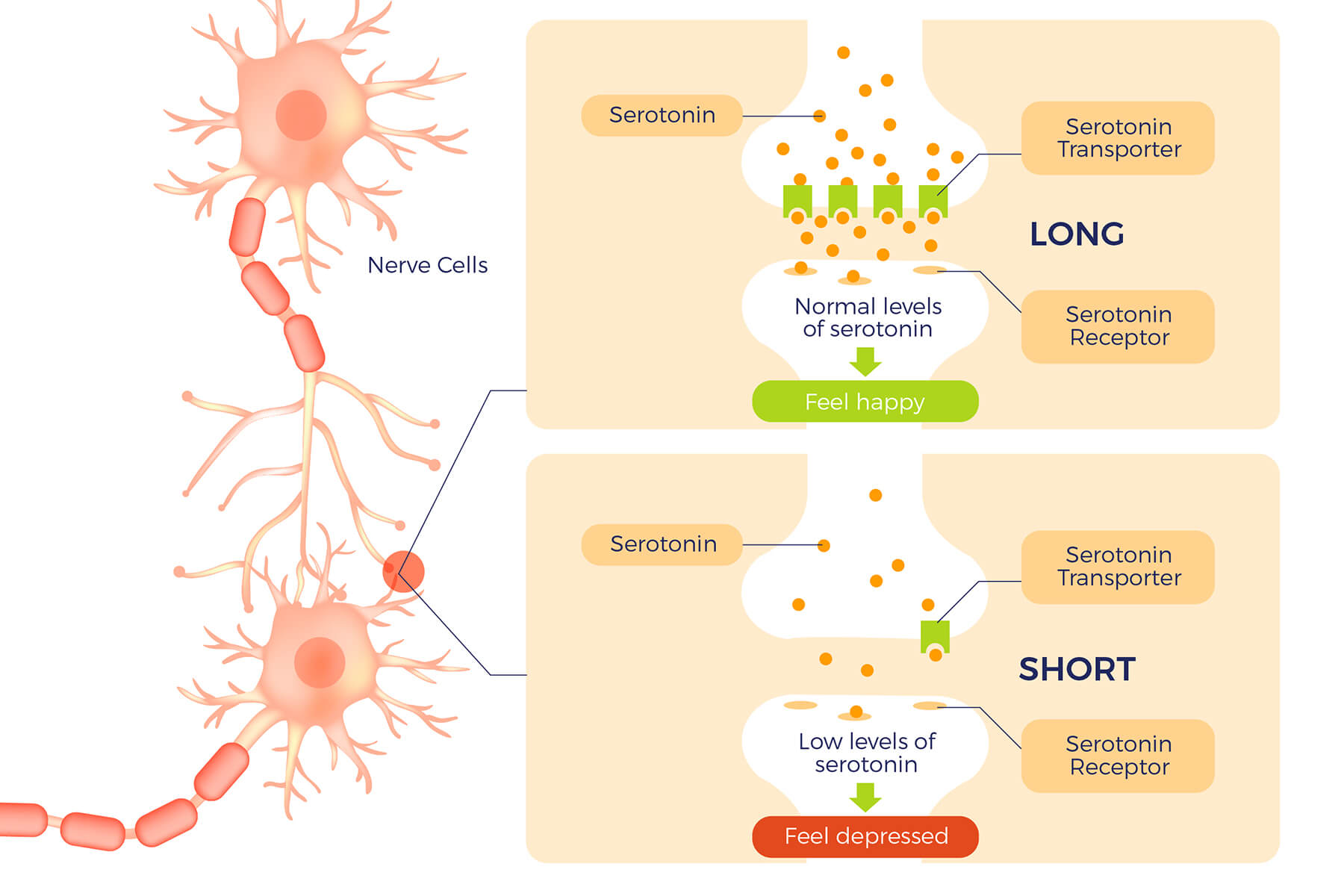
Millions of people around the world struggle with anxiety and depression, often facing long waits for effective treatment. However, recent breakthroughs in genetic research have given rise to a new frontier in mental health care: DNA testing for anxiety and depression. In this article, we'll delve into the world of genetic testing and explore how it can revolutionize the way we treat these debilitating conditions.
The Science Behind DNA Testing for Anxiety and Depression
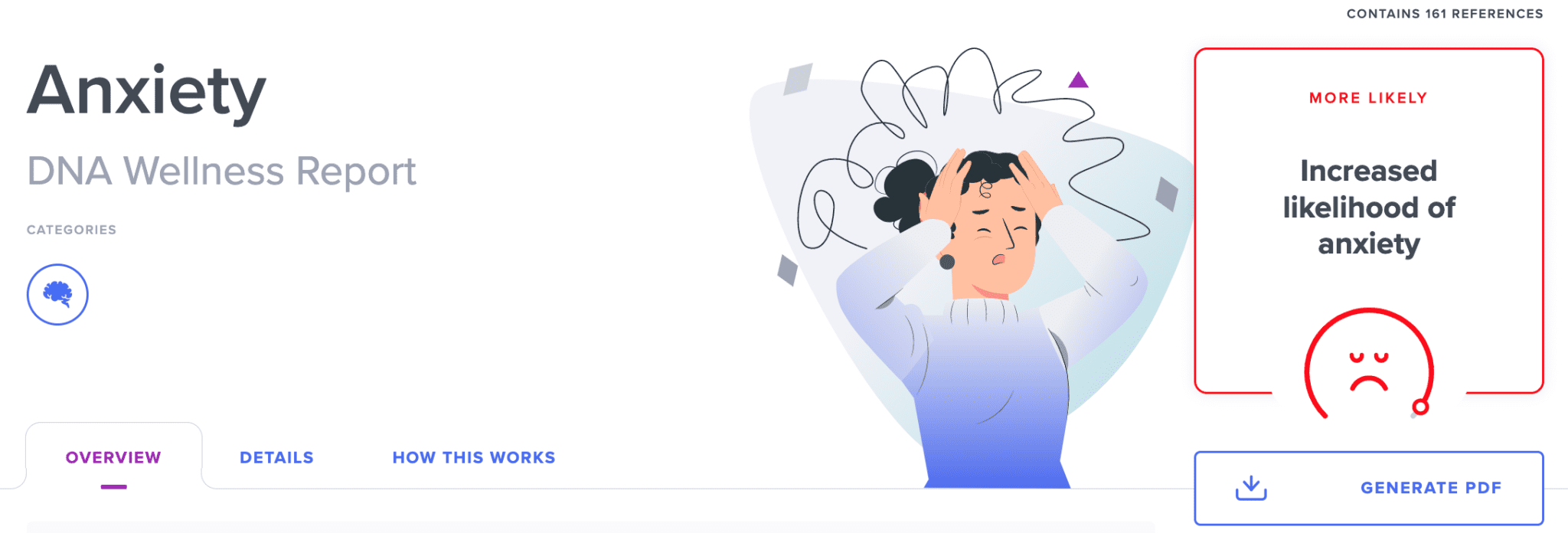
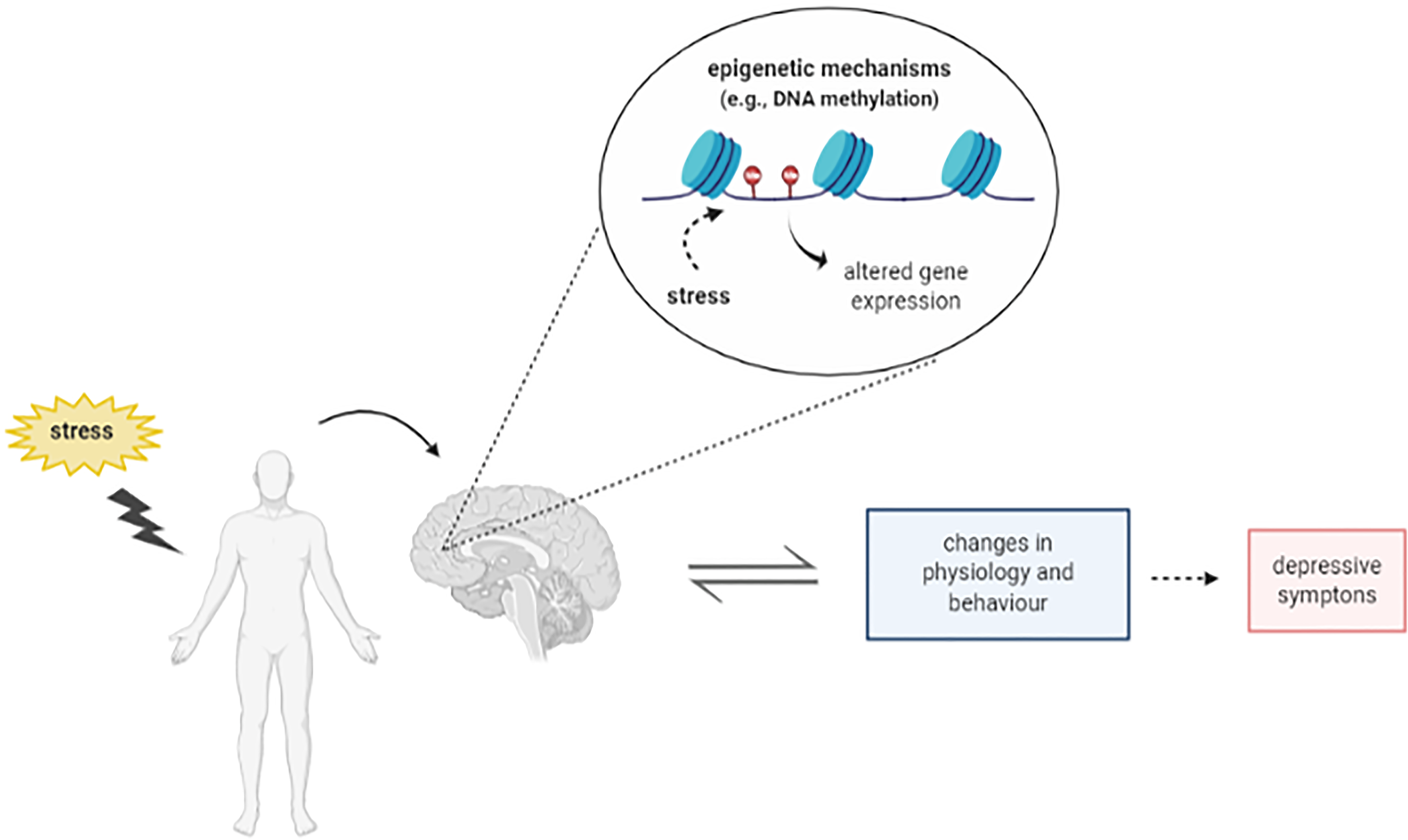
Our genes play a crucial role in determining how we respond to medications and environmental factors. By analyzing an individual's DNA, genetic testing can reveal specific genetic variations that may influence their susceptibility to anxiety and depression. This information can then be used to inform treatment decisions, ensuring that patients receive the most effective care possible.

How Does DNA Testing Work?
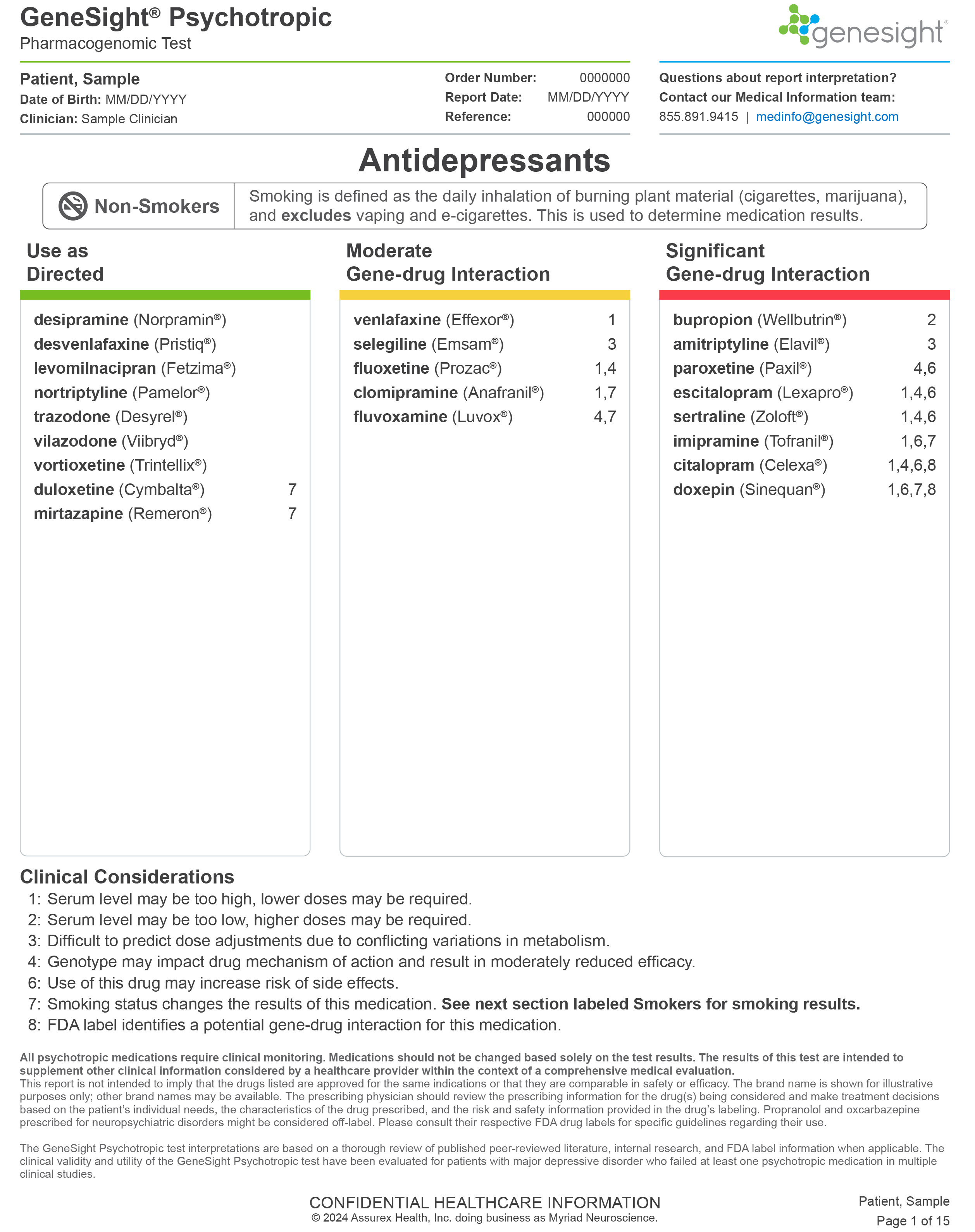
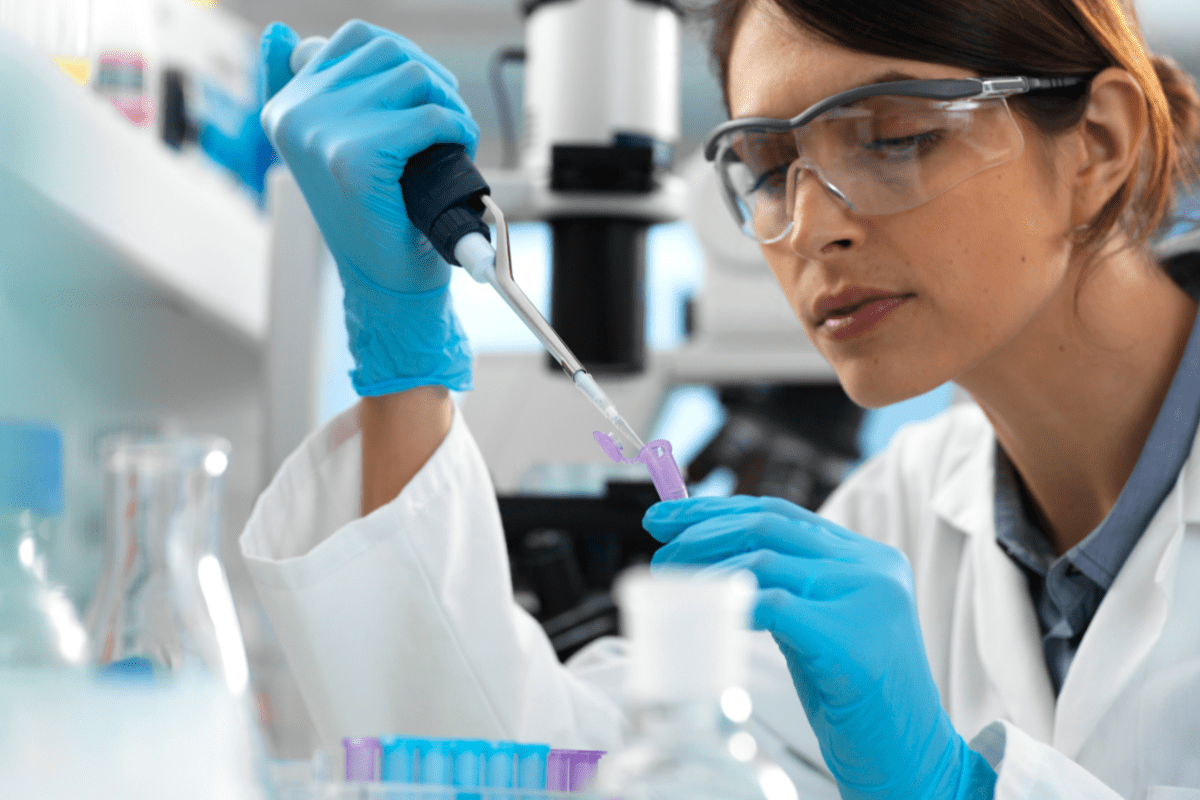
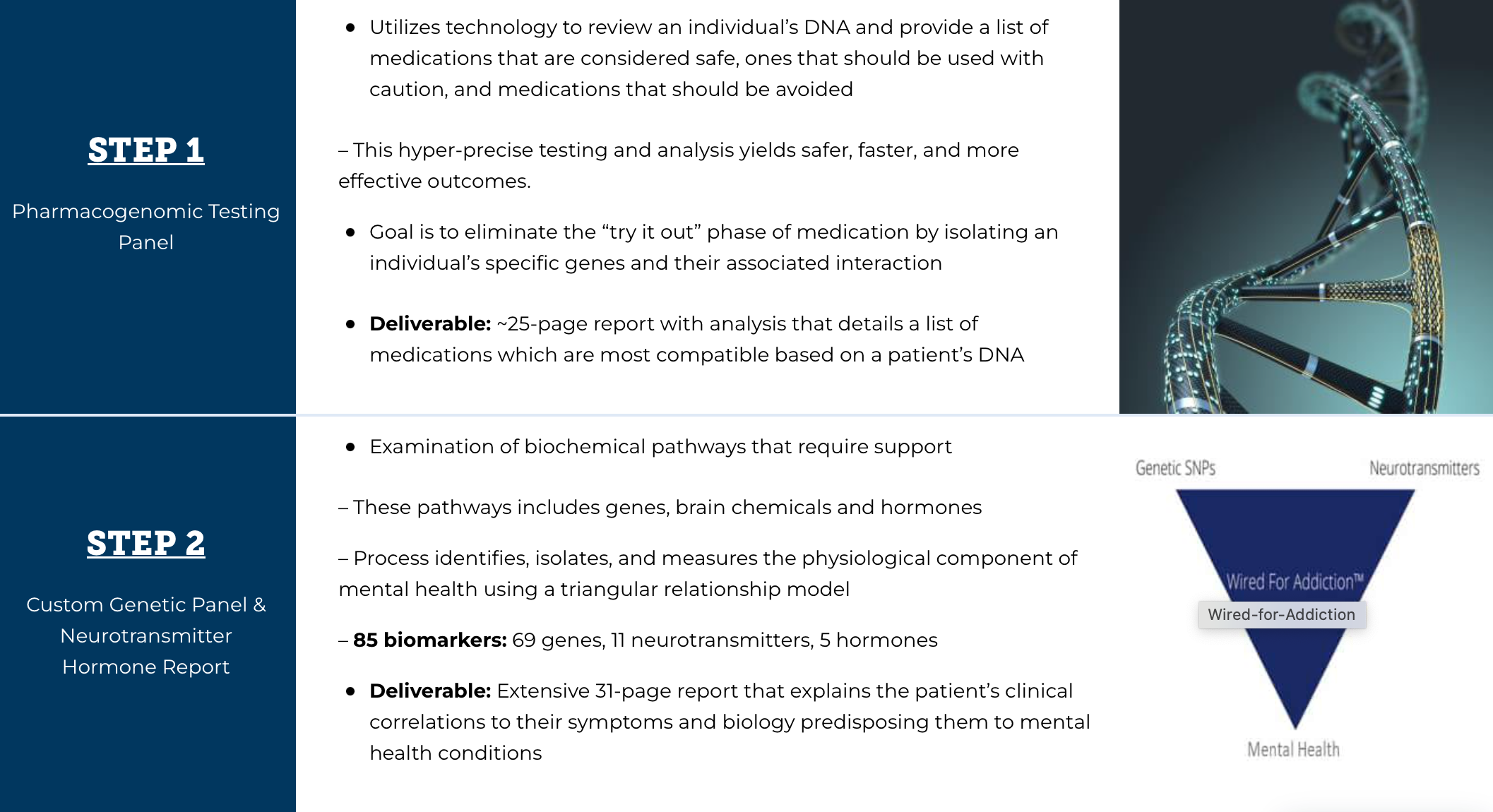
Pharmacogenomic testing, the type of testing used for anxiety and depression, checks an individual's DNA for genes that encode certain enzymes. These enzymes play a key role in metabolizing and eliminating medications, including antidepressants and anxiolytics. By understanding how an individual's genetic makeup affects their medication metabolism, doctors can make more informed choices about treatment.