Dirty Soil Solutions: Unlocking a Greener Future for Your Garden
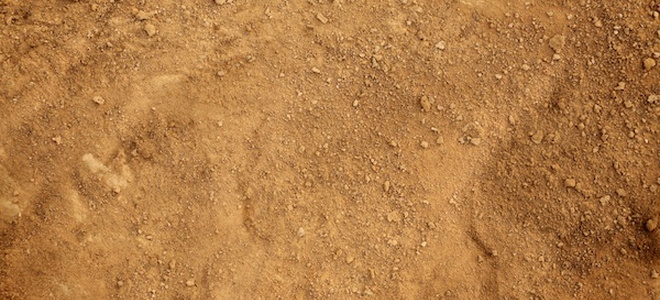
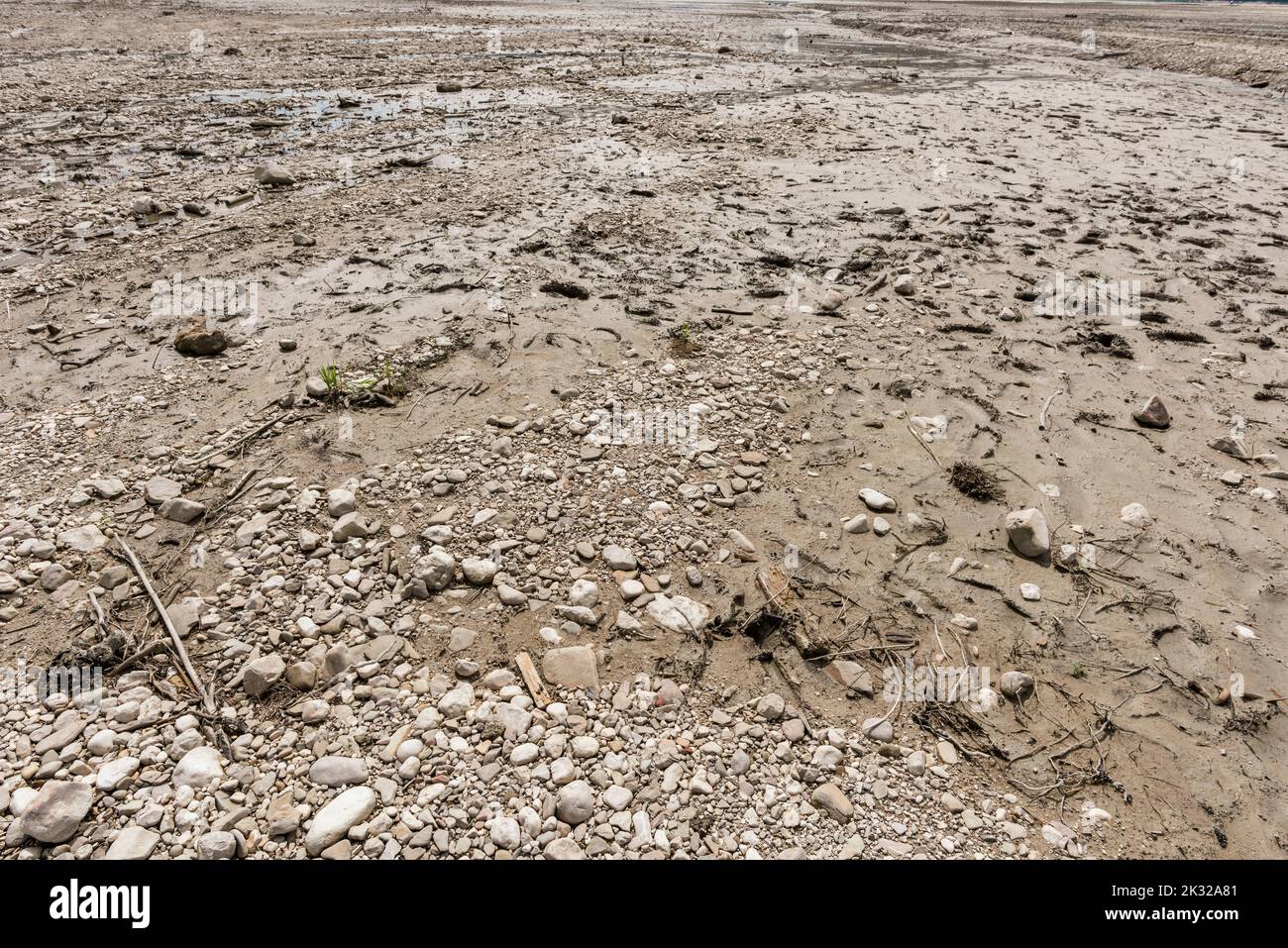
As gardeners, we've all been there – gazing lovingly at our outdoor space, only to be confronted with the harsh reality of dirty soil. Whether it's due to contamination, poor drainage, or a lack of essential nutrients, dirty soil is a significant obstacle that can hinder plant growth and ruin the aesthetic appeal of our outdoor spaces.
The Consequences of Dirty Soil
Contaminated soil can have severe consequences for the environment and human health. Exposure to hazardous materials such as asbestos, lead, PCBs, and other toxins can lead to health problems, including cancer, neurological damage, and reproductive issues. Moreover, dirty soil can also contaminate groundwater, affecting nearby water sources and ecosystems.
The Importance of Soil Remediation
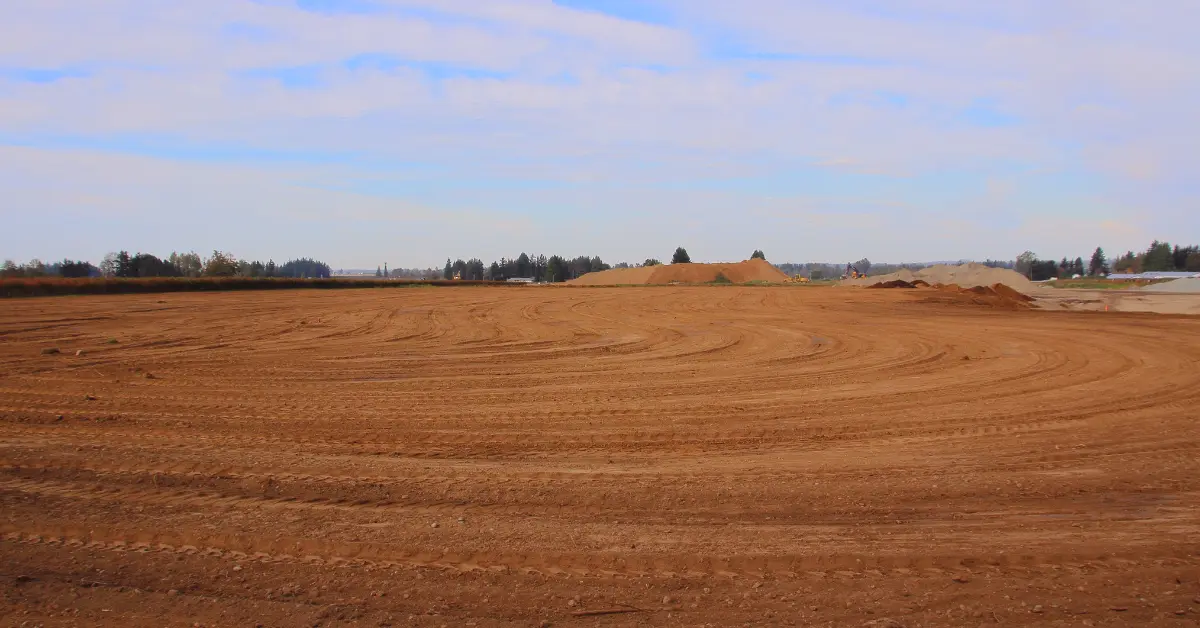
Thankfully, there are effective dirty soil solutions available to address soil contamination. Soil remediation, or the process of removing pollutants and contaminants from the ground, is a crucial step in restoring the health of our soil. In this article, we'll delve into the world of soil remediation, exploring the causes of dirty soil, the benefits of remediating it, and the most effective techniques for achieving a pristine soil environment.
The Causes of Dirty Soil
- Industrial activities: Industrial spills, emissions, and waste disposal can contaminate soil with hazardous materials.
- Urban and agricultural runoff: Urban and agricultural runoff can carry pollutants and sediment into waterways, affecting soil health.
- Household waste: Improper disposal of household waste, including pesticides and fertilizers, can contaminate soil.
- Traffic and vehicle emissions: Vehicle emissions and traffic activities can contaminate soil with particulate matter and heavy metals.