Drywall Joint Compound Finishing Methods: A Comprehensive Guide
Drywall finishing is a crucial aspect of residential and commercial construction projects, and one of the essential tools for achieving a perfect finish is drywall joint compound, also known as mud. In this article, we will explore various drywall joint compound finishing methods, including techniques for applying compound, sanding, and repairing common drywall issues.
Introduction to Drywall Joint Compound Finishing Methods
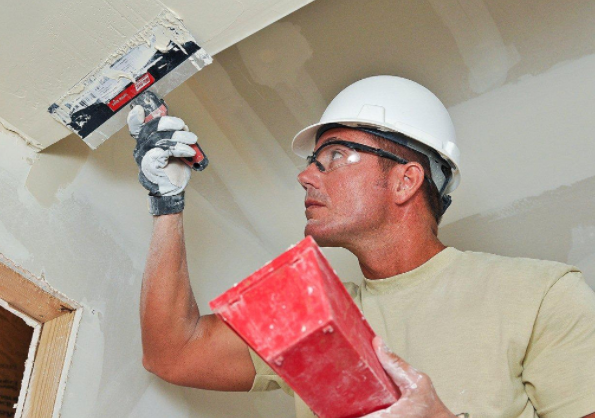
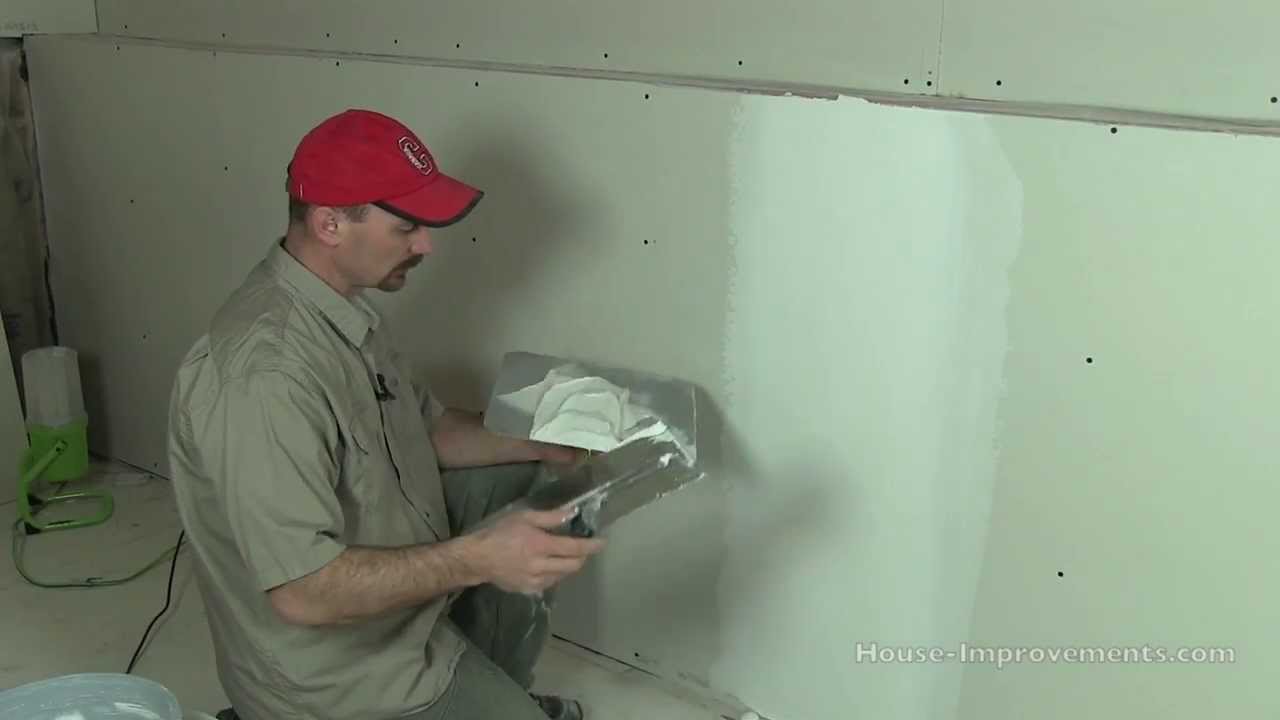
Drywall joint compound is a powerful tool for smoothing out seams, holes, and imperfections on drywall surfaces. By applying multiple layers of compound and sanding between coats, you can achieve a seamless finish that is ready for painting or other finishes. In this guide, we will cover various drywall joint compound finishing methods, including tape and compound techniques, flat joints, and wet sanding.
Preparation is Key

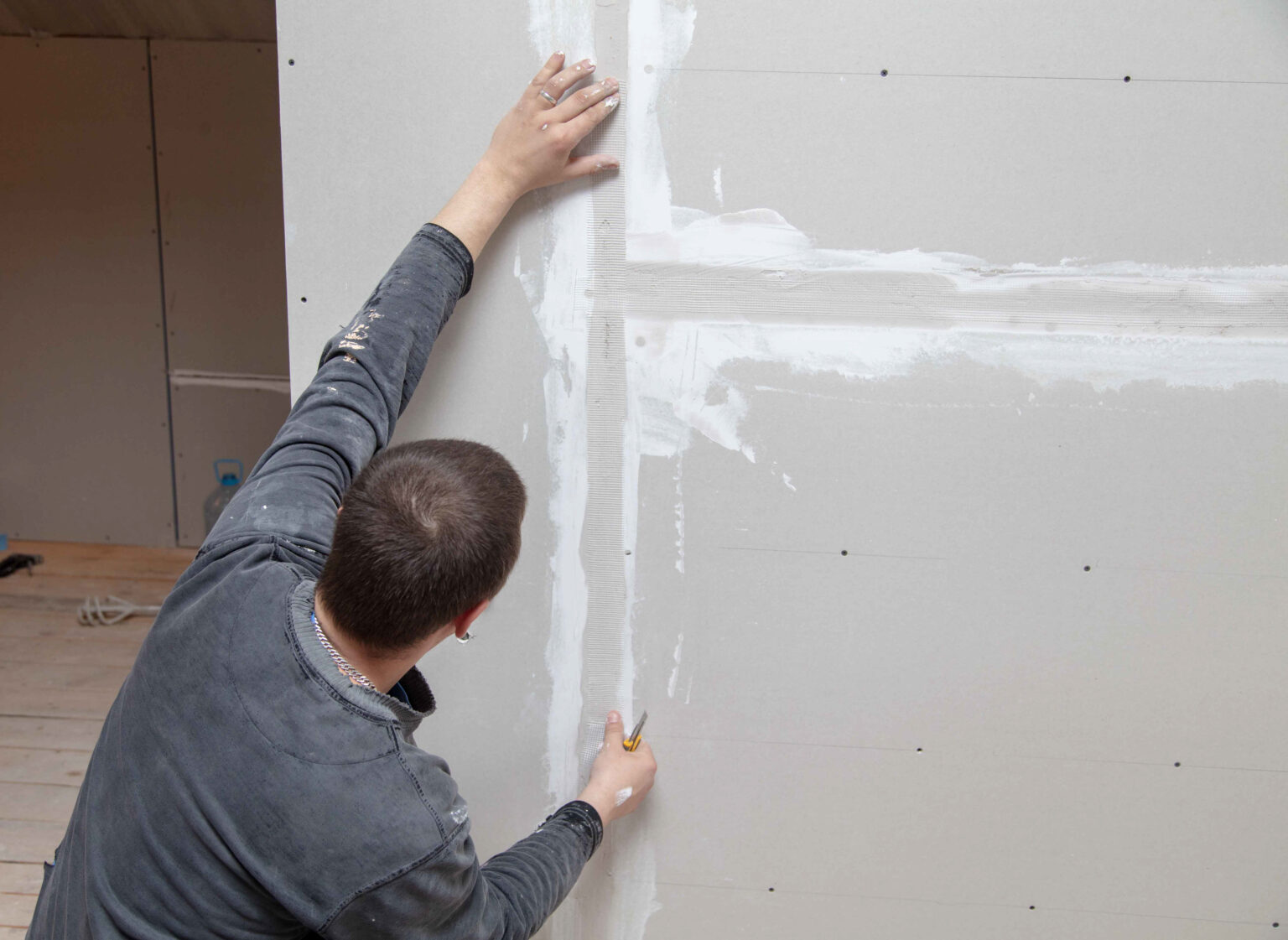
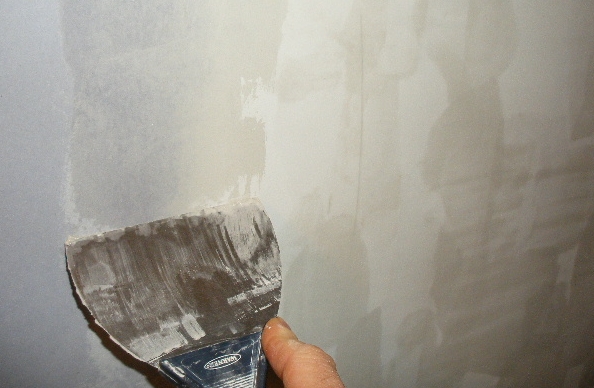
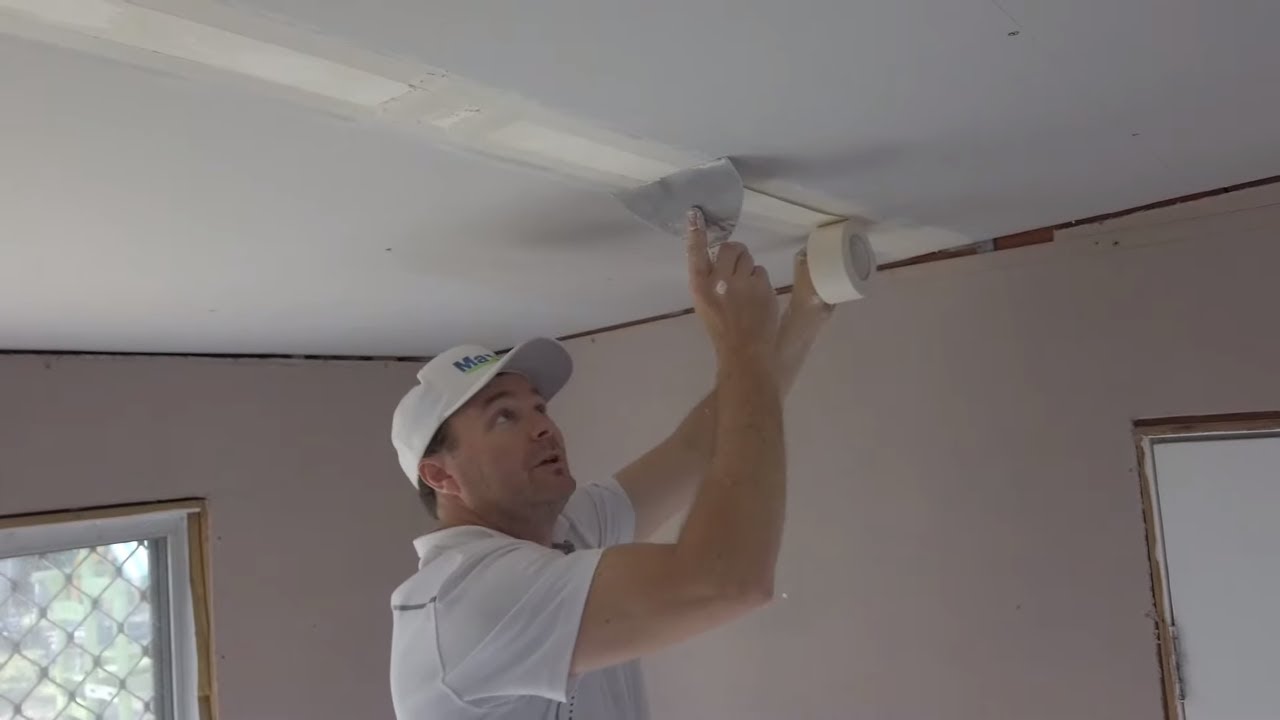
Before applying drywall joint compound, it's essential to prepare the surface. This includes cleaning the area with a putty knife or drywall knife, removing any debris or dust, and applying fiberglass mesh tape to repair any damaged areas. Once the tape is secure, you can apply the first coat of compound.
Tape and Compound Technique
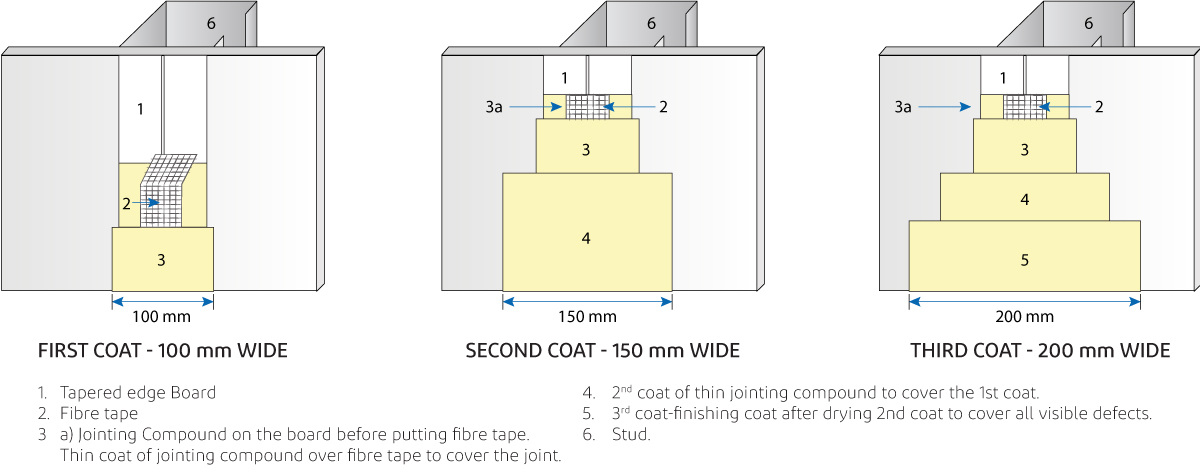
The tape and compound technique is one of the most common methods used in drywall finishing. It involves applying fiberglass mesh tape over the joints between drywall panels and then embedding the tape in a thin layer of compound. The compound is then allowed to dry and sanded smooth before applying additional coats.
:no_upscale()/cdn.vox-cdn.com/uploads/chorus_asset/file/19497366/paint_wall_0.jpg "How To Finish Drywall - This Old House")