EU ETS Carbon Credit Trading: A Catalyst for Climate Action
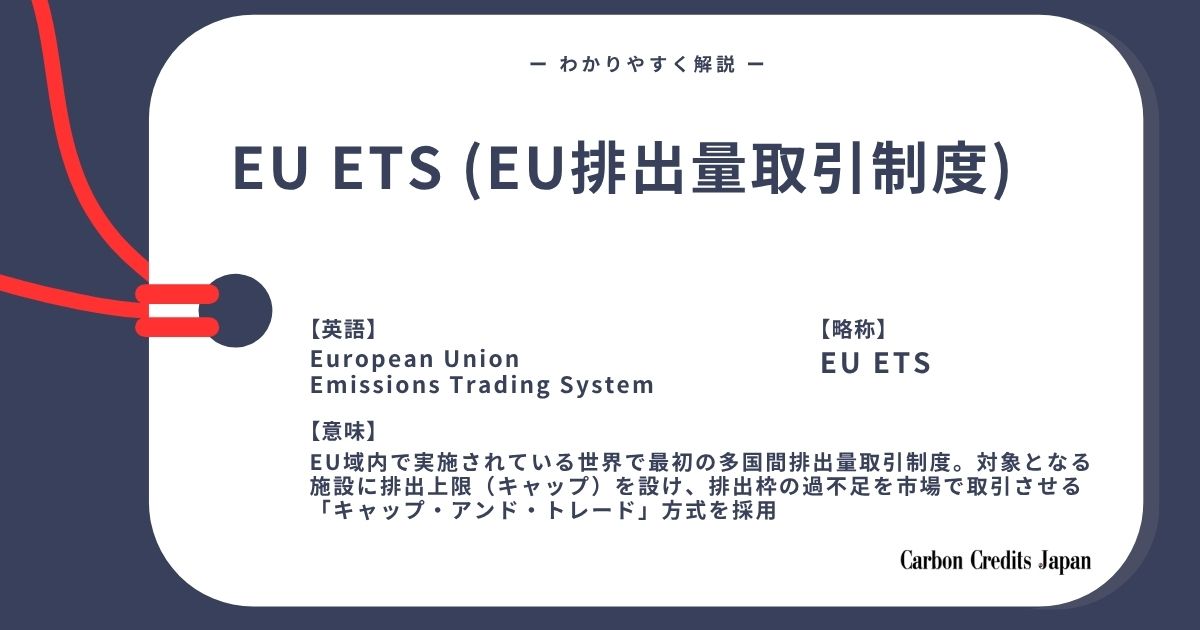
The European Union Emissions Trading System (EU ETS), a cap-and-trade system, has been instrumental in reducing greenhouse gas emissions since its inception in 2005. As the oldest and largest carbon market in the world, the EU ETS has set the stage for a more ambitious climate policy, integrating Carbon Dioxide Removal (CDR) into the trading system, potentially creating a €20-135 billion compliance market for CDR by 2040. In this article, we will delve into the intricacies of EU ETS carbon credit trading, highlighting its significance, mechanisms, and potential impact on companies and the climate.
Overview of EU ETS Carbon Credit Trading
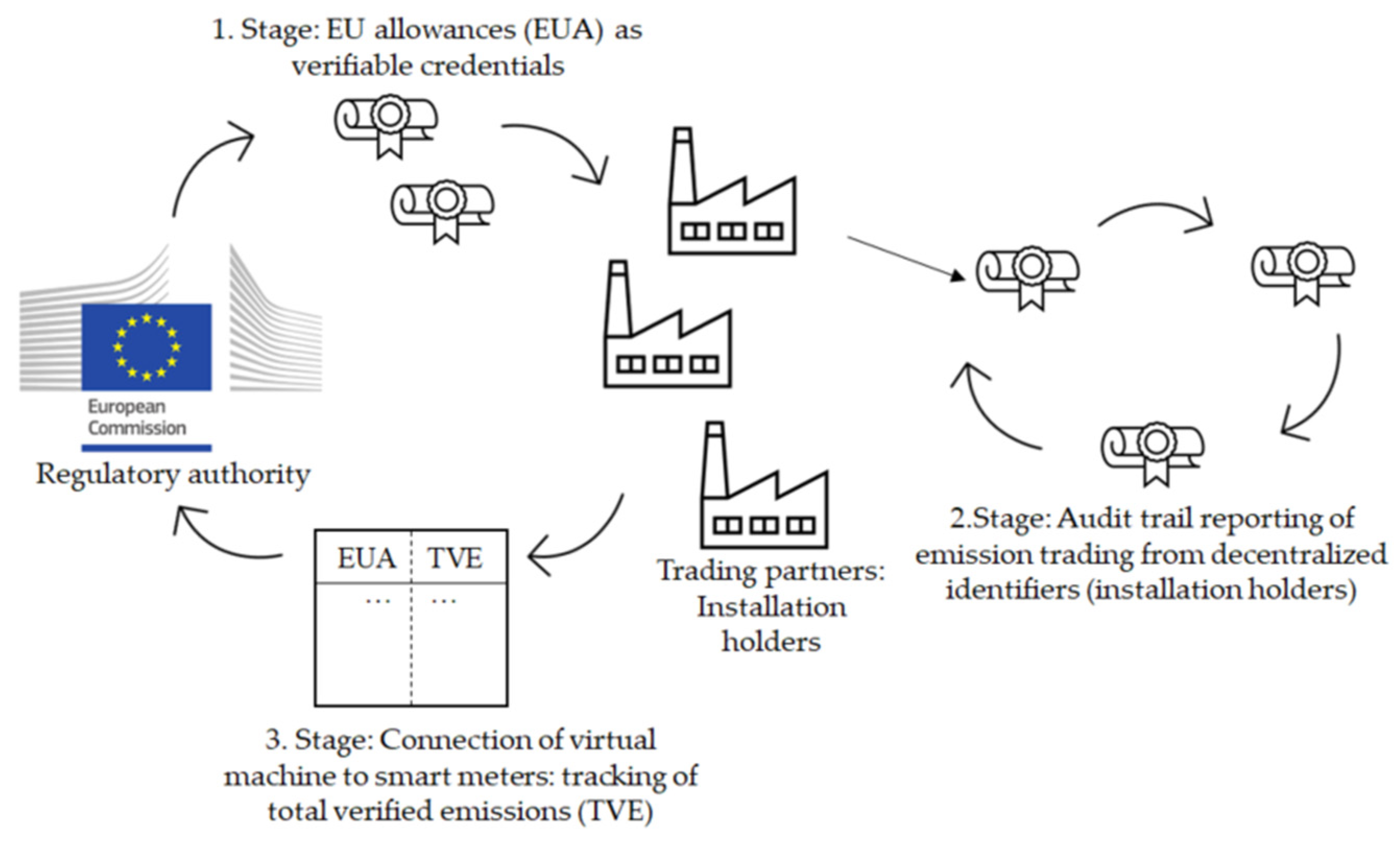
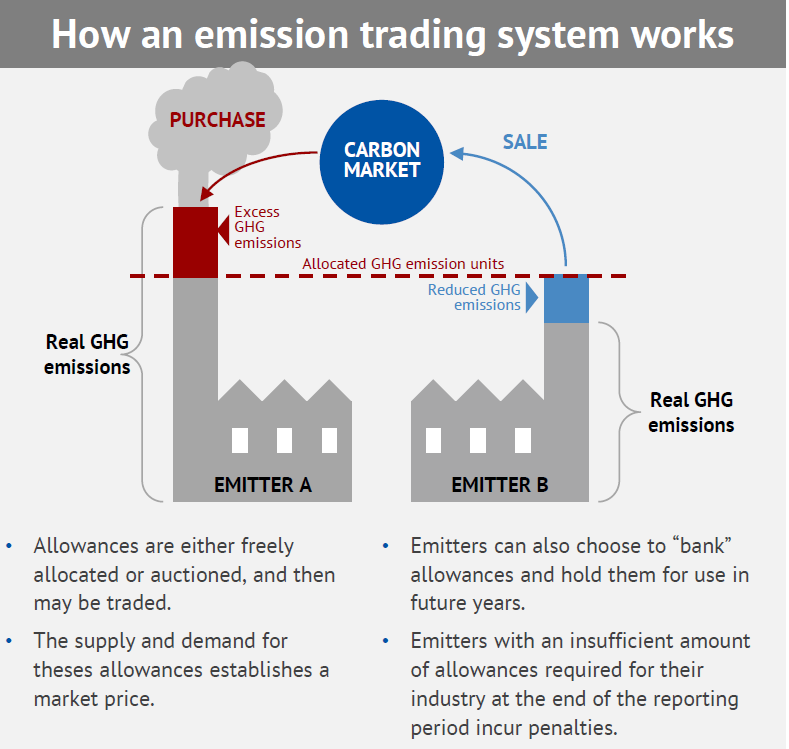
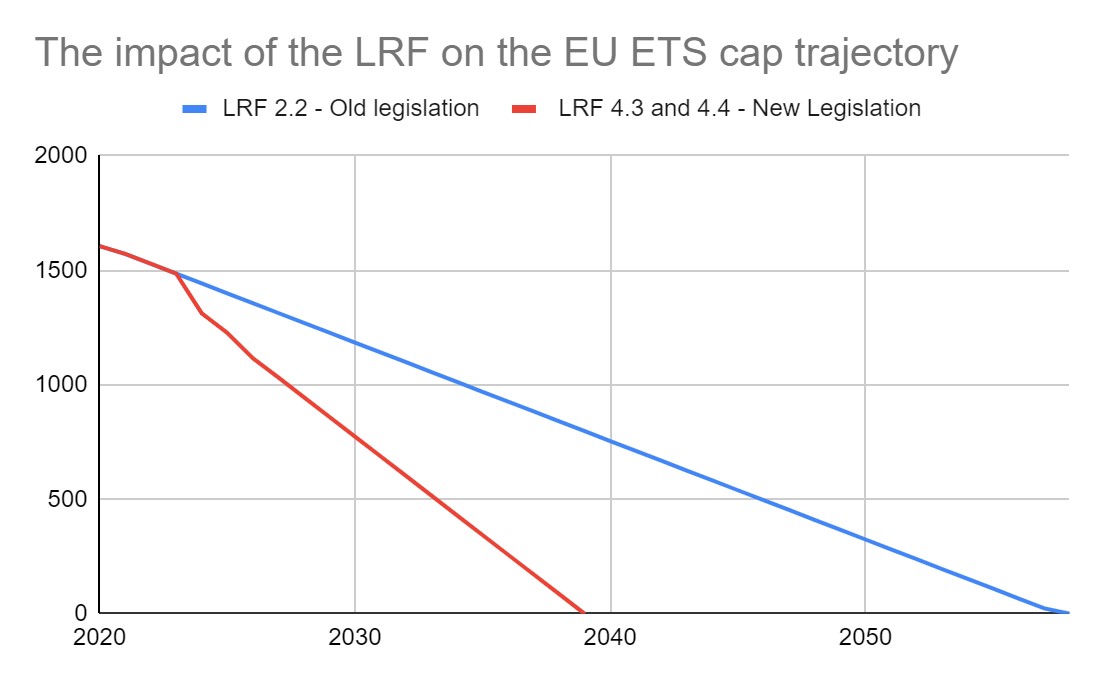
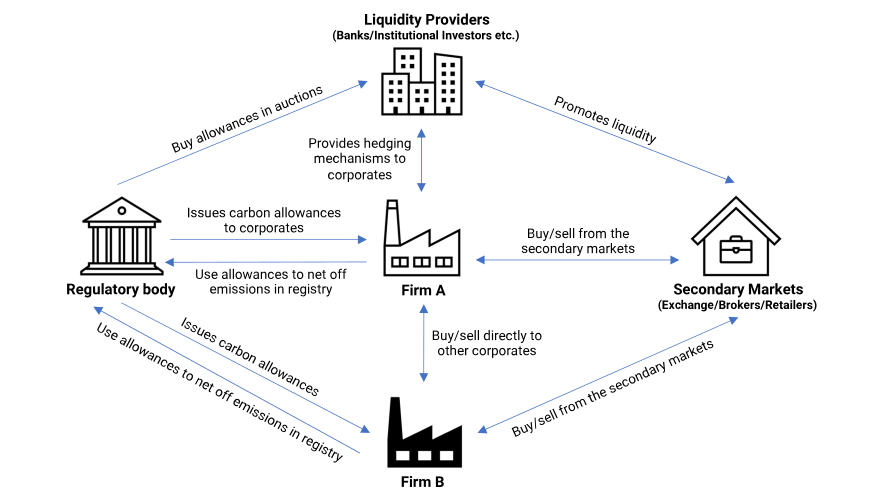
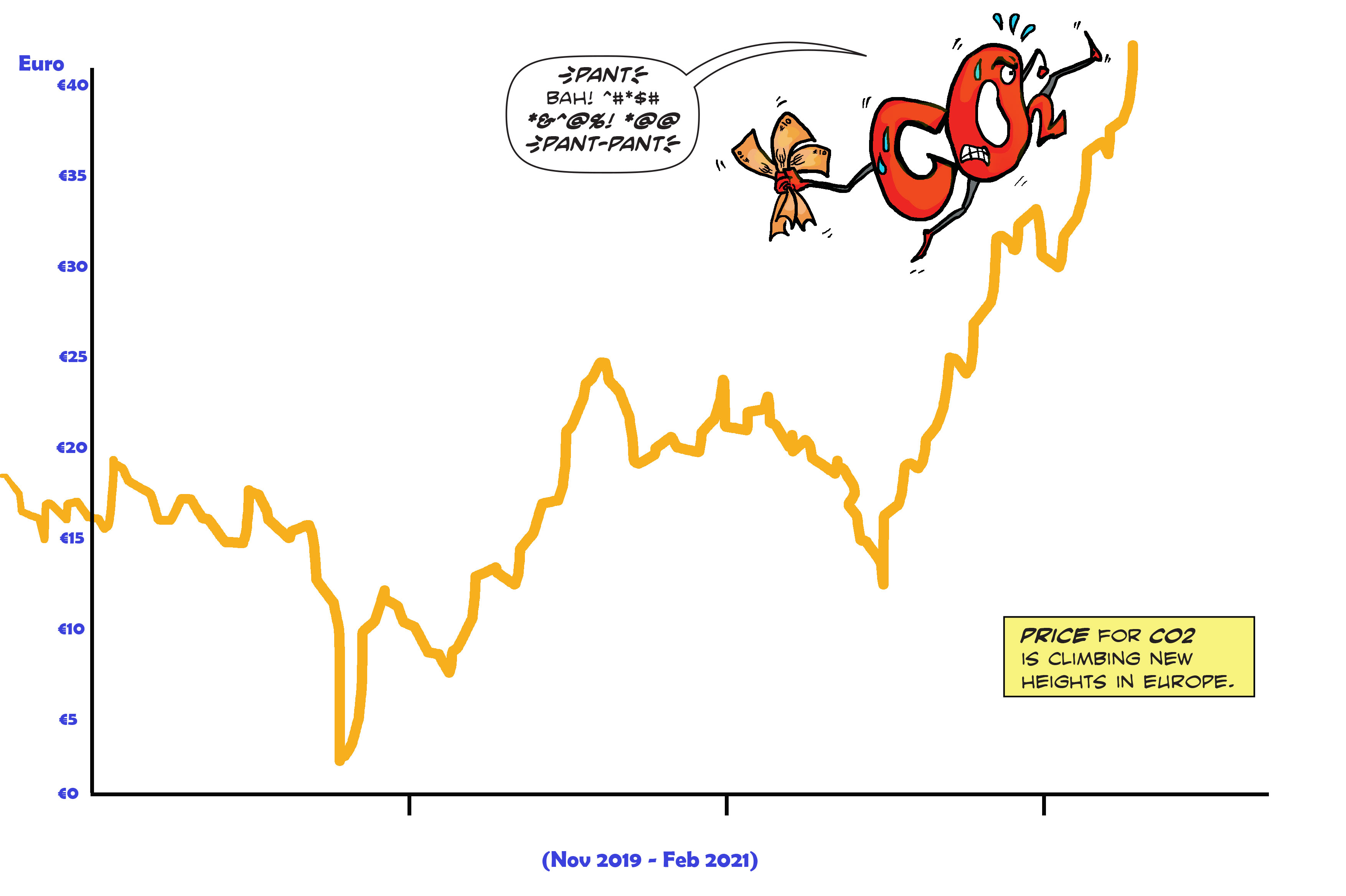
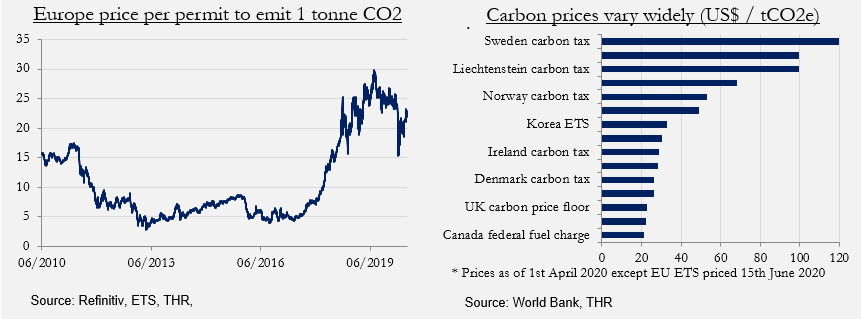
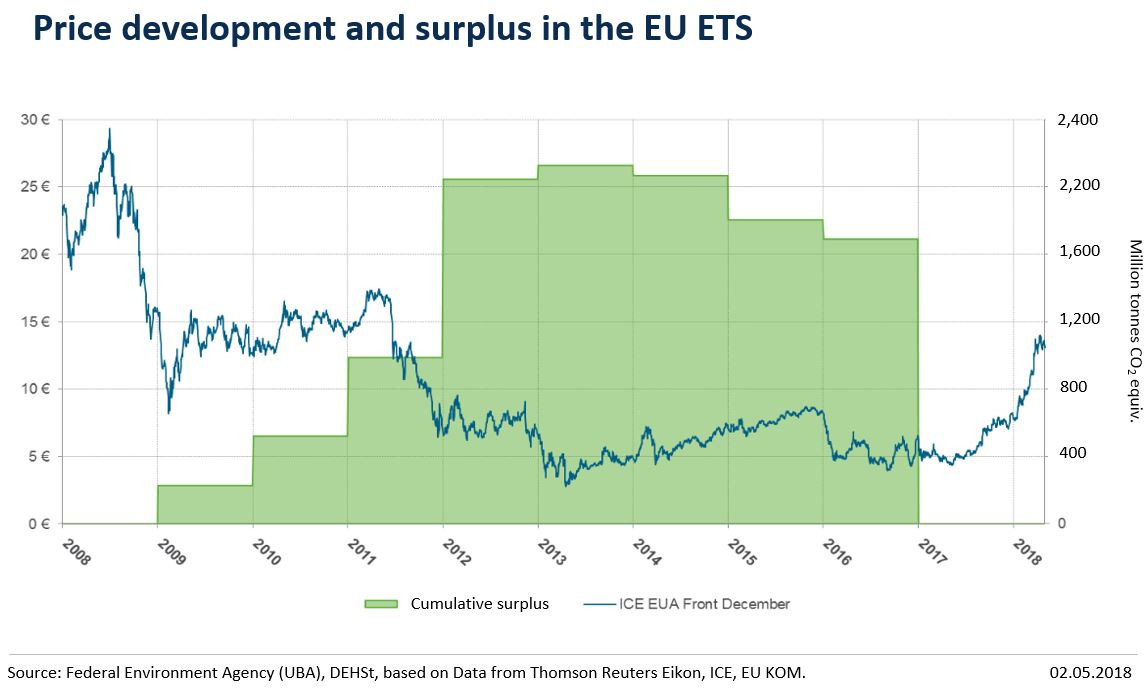
The EU ETS is a market-based approach that sets a price for carbon dioxide (CO2) emissions, operating on a 'cap and trade' basis. This system establishes a cap, or limit, on the total greenhouse gas (GHG) emissions allowed from specific sectors of the EU economy each year, with the aim of achieving emissions reductions over time. Companies that emit GHGs are required to surrender allowances, known as carbon credits or EUAs (Emission Allowances), equal to their emissions to comply with the cap. Exceeding the cap results in a surplus, while failing to meet the cap results in a deficit.