Eating Disorder and GLP-1 Deficiency: Understanding the Complex Relationship
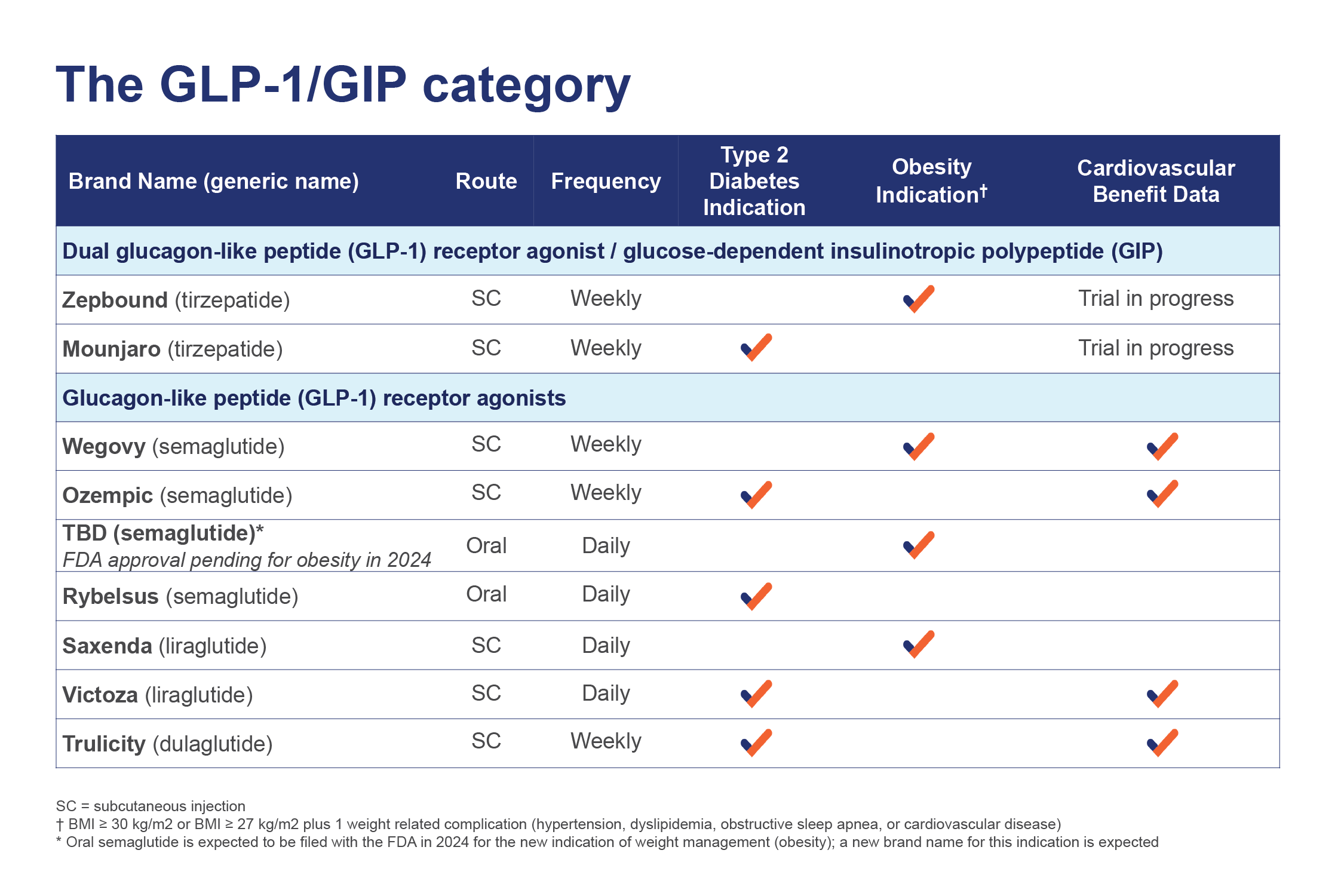
Glucagon-like peptide-1 (GLP-1) receptor agonists have gained significant attention in recent years for their potential in managing type 2 diabetes and weight loss. However, the relationship between GLP-1 deficiency and eating disorders is a complex and understudied area.
What is GLP-1 and How Does it Affect Eating Behaviors?
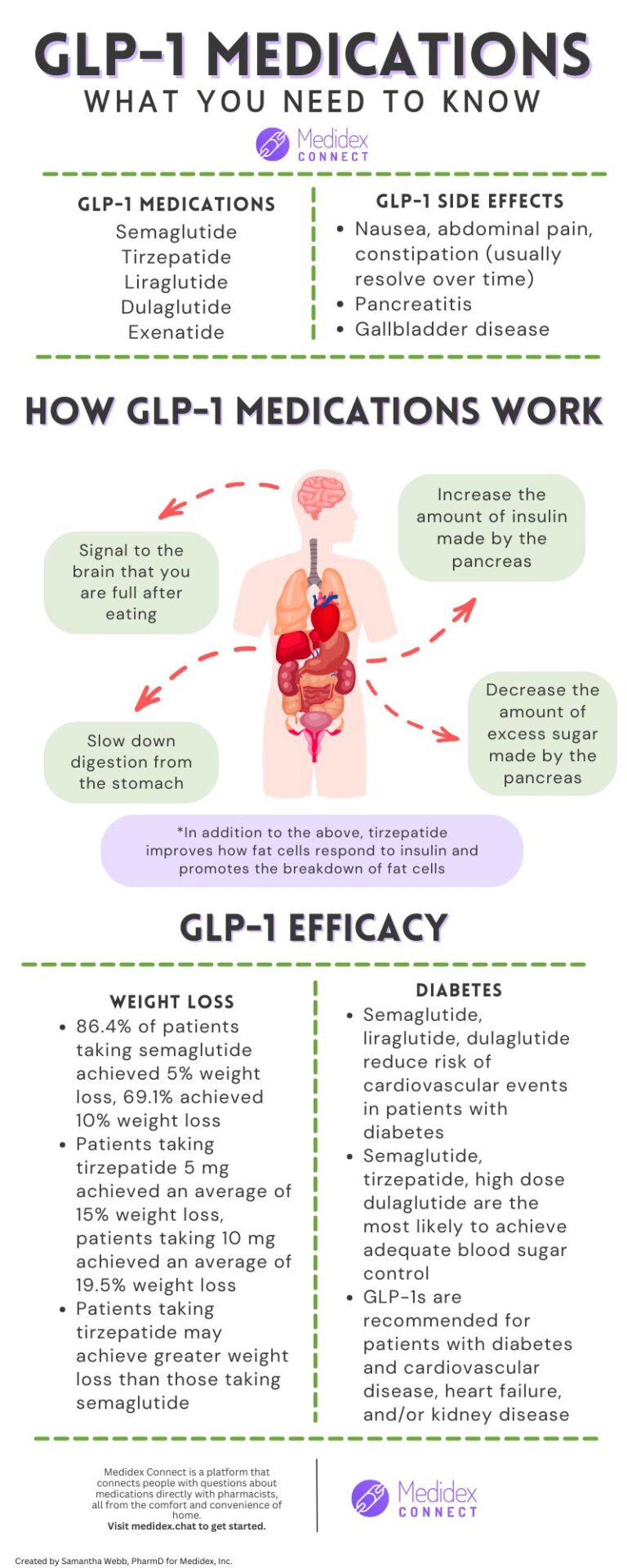
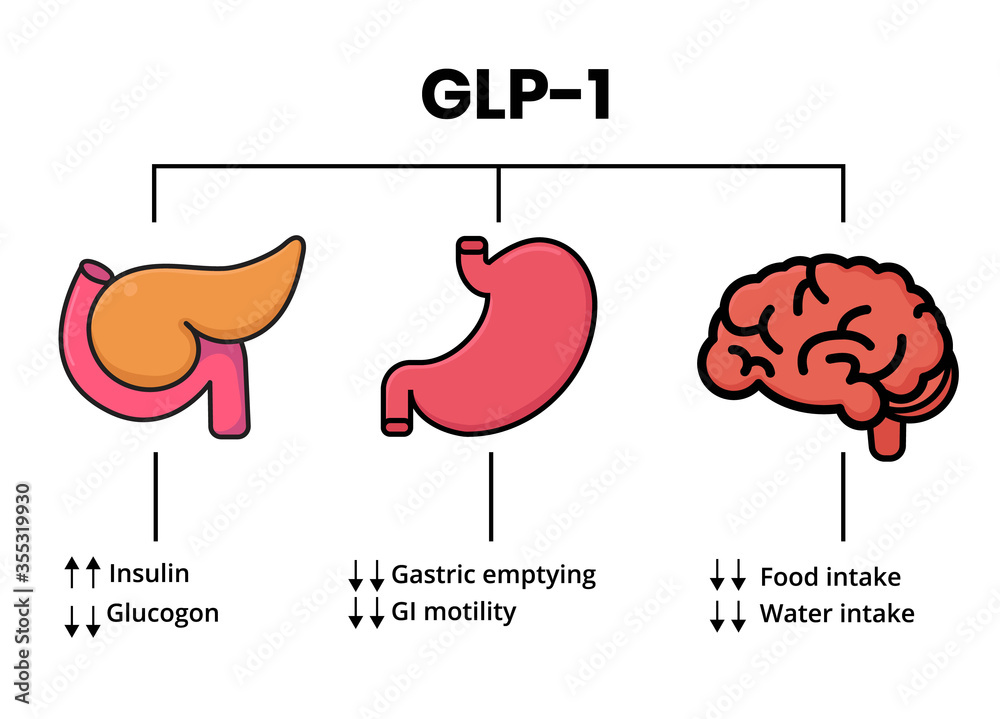
GLP-1 is a hormone produced in the intestines that plays a crucial role in regulating blood sugar levels and appetite. In individuals with eating disorders, the GLP-1 system can be disrupted, leading to abnormal eating behaviors and weight fluctuations.

Research suggests that GLP-1 deficiency may be associated with increased hunger and food intake, particularly in individuals with a history of eating disorders. This is because GLP-1 helps regulate satiety signals in the brain, and a deficiency can lead to an imbalance in these signals, resulting in overeating and weight gain.
Eating Disorder and GLP-1 Deficiency: A Complex Relationship
The relationship between GLP-1 deficiency and eating disorders is complex and bidirectional. On one hand, GLP-1 deficiency may contribute to the development and maintenance of eating disorders. On the other hand, individuals with eating disorders may experience GLP-1 deficiency due to malnutrition, stress, or other factors.