Effects of GLP-1 on Human Metabolism during Fasting
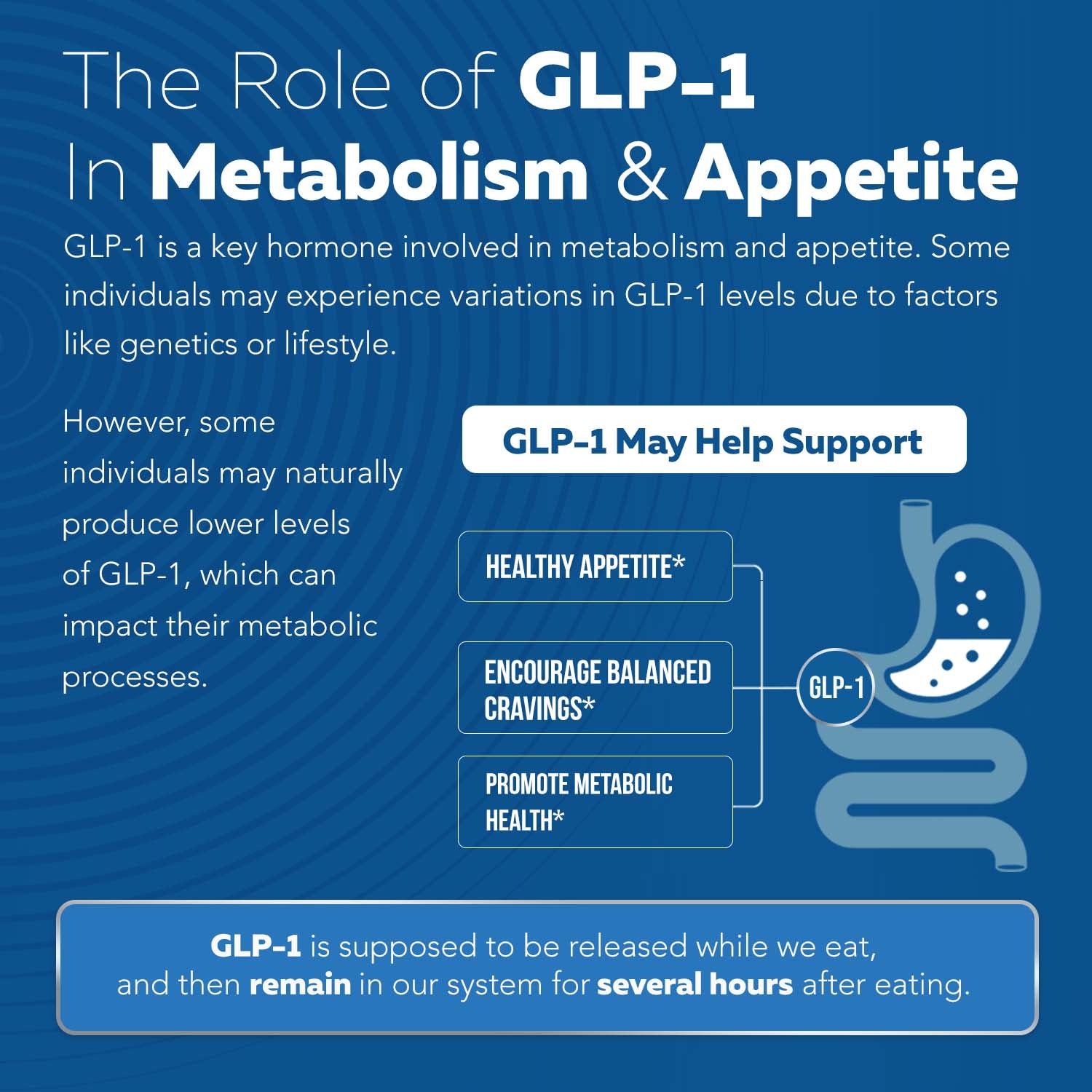
Fasting is an ancient practice that has gained popularity in recent years, and research has shown that it can have numerous benefits on human metabolism. One key player in metabolism is Glucagon-like peptide-1 (GLP-1), a hormone that regulates blood sugar levels and has been shown to have beneficial effects on metabolic health.
What is GLP-1?
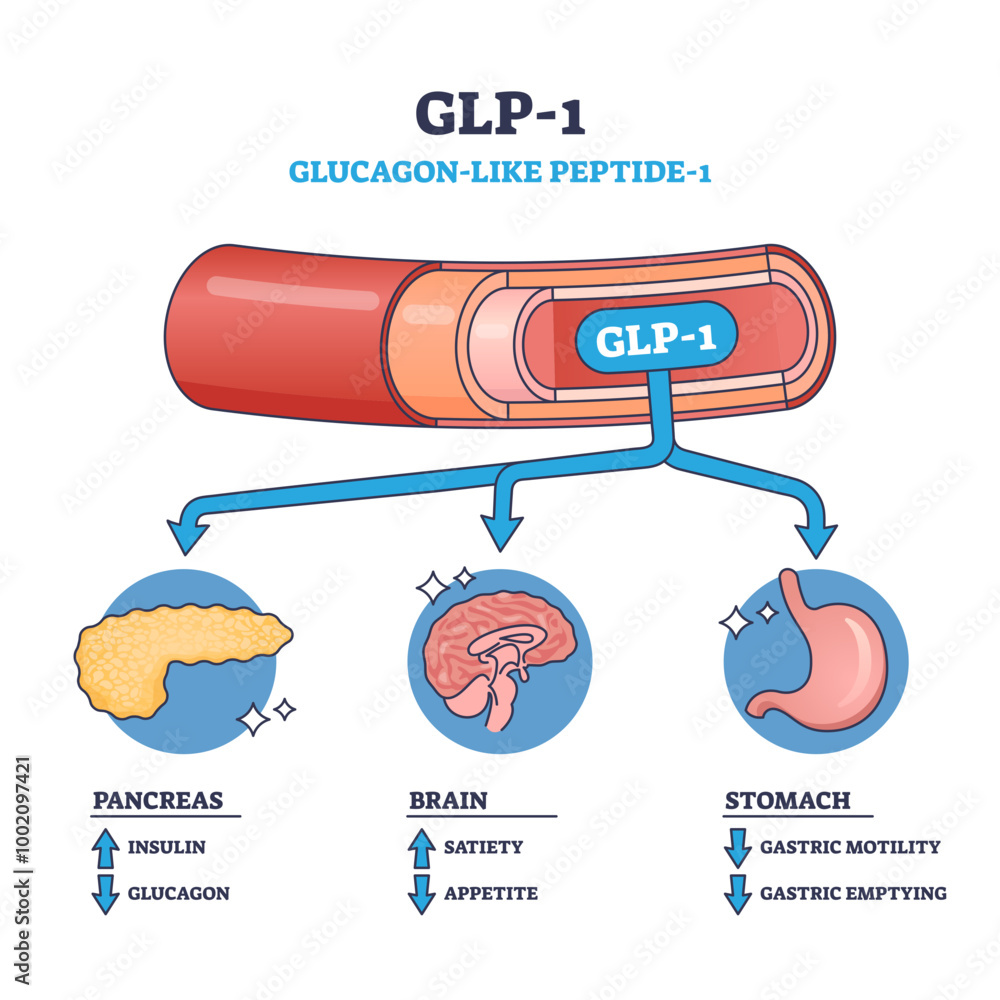
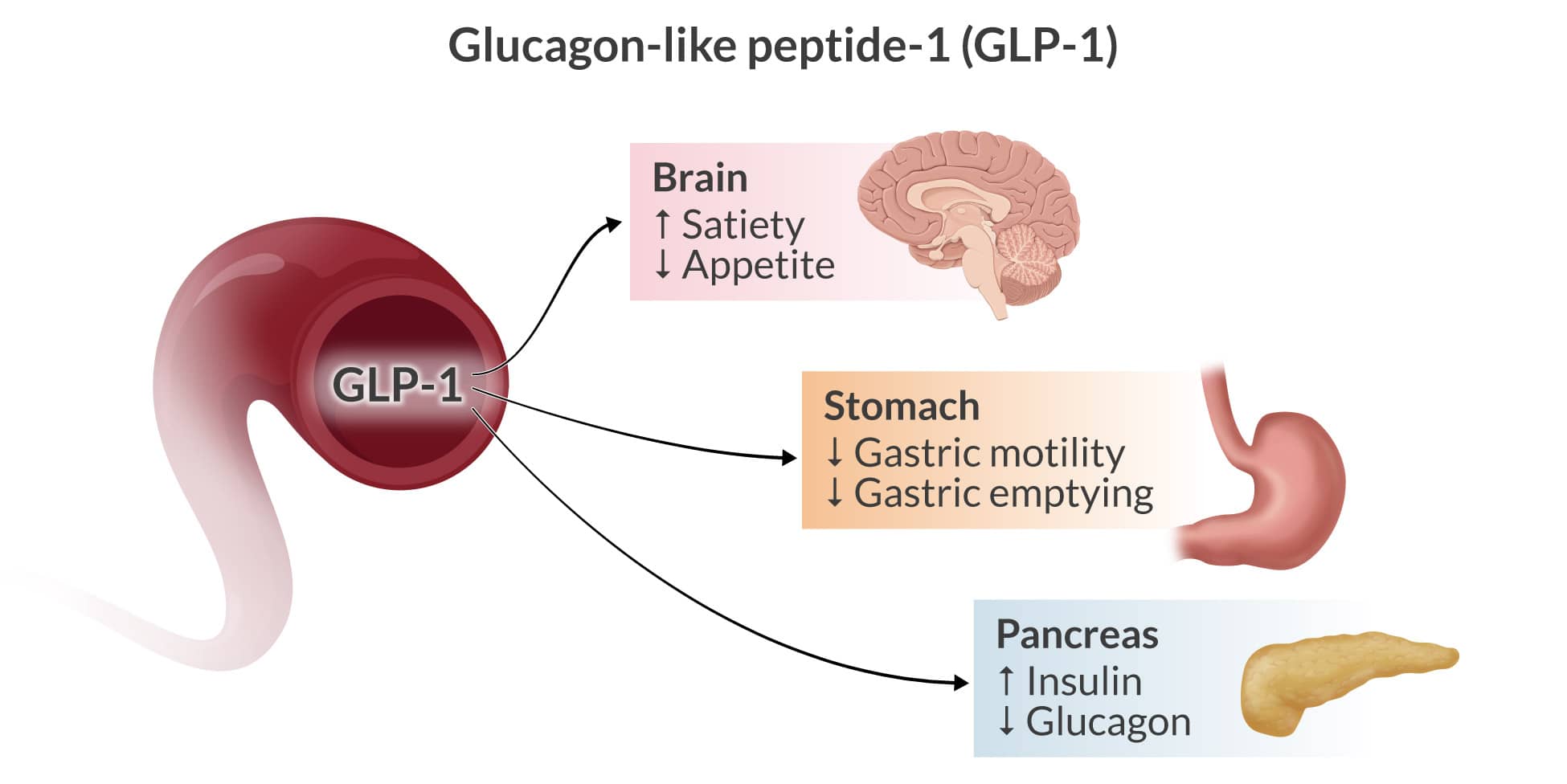
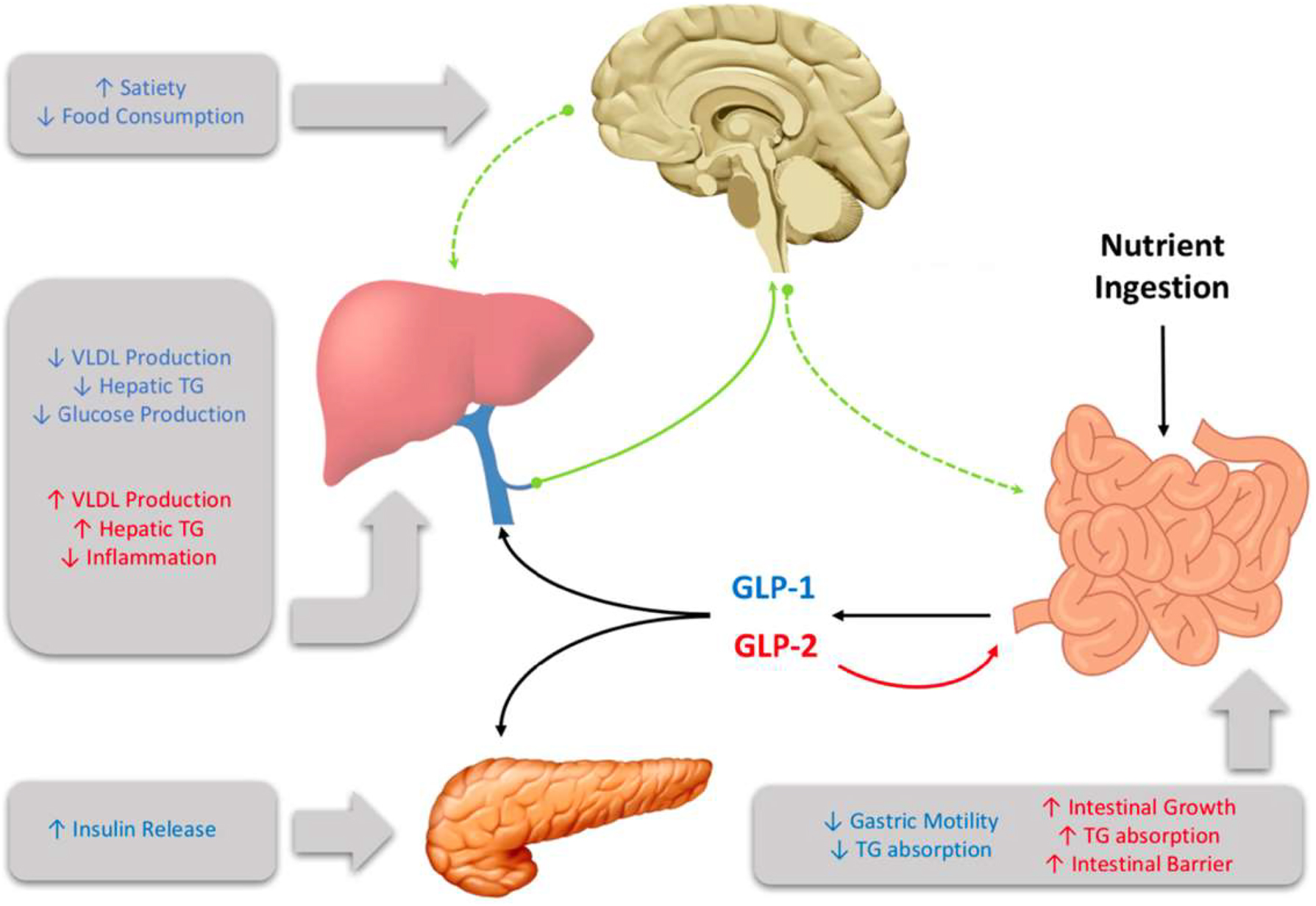
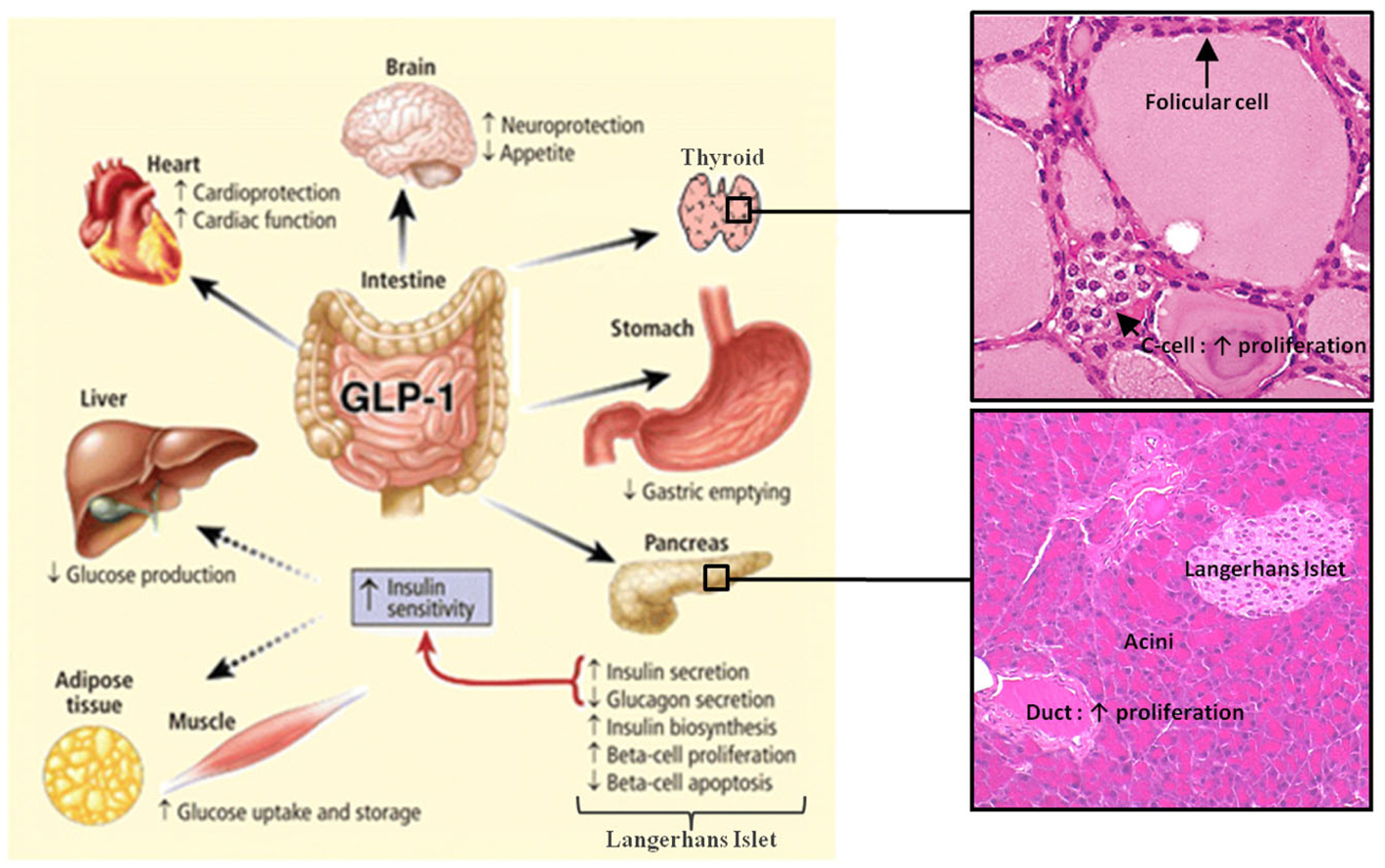
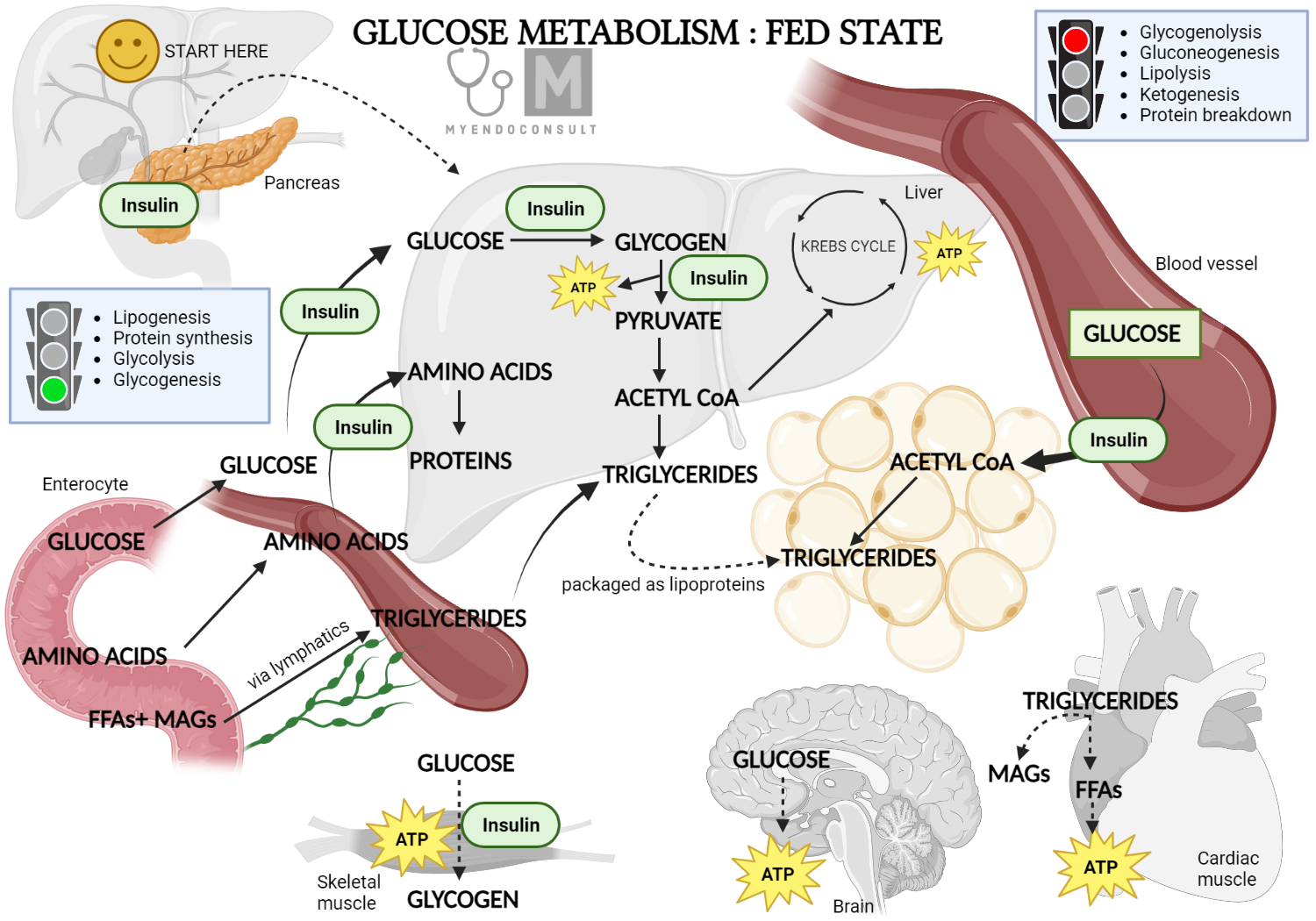
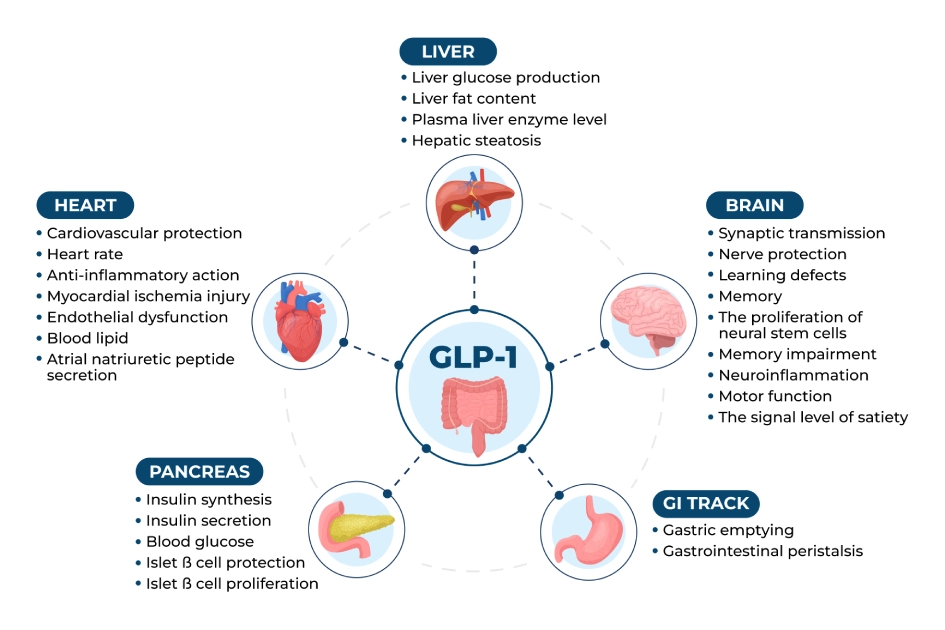
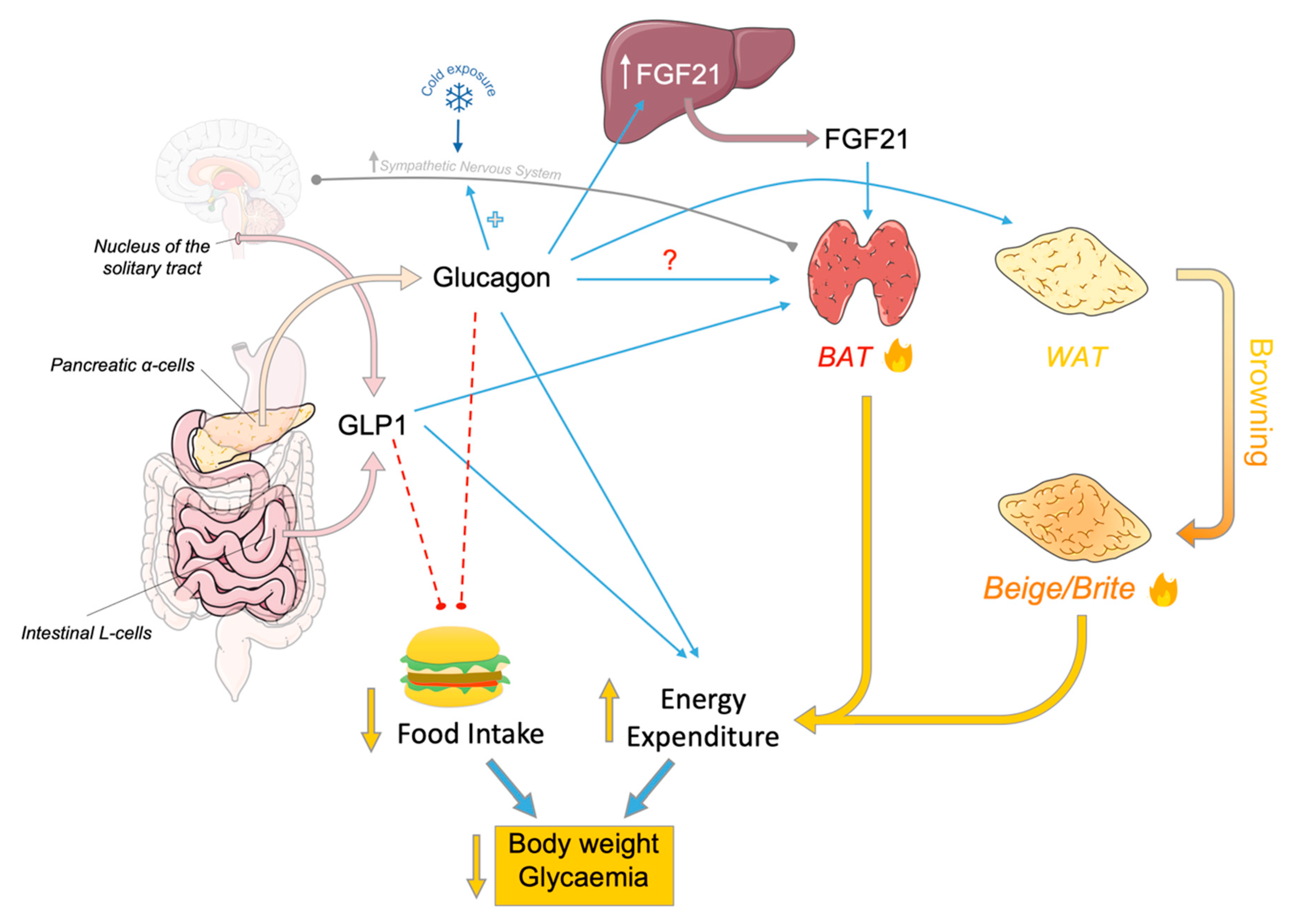
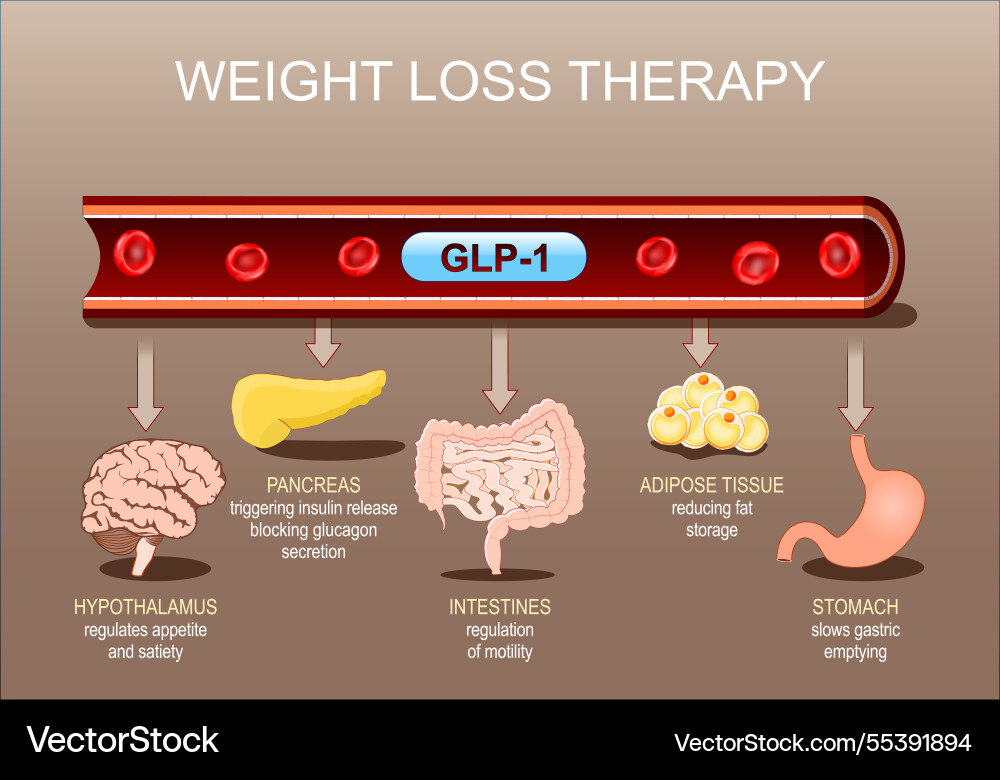
GLP-1 is a hormone produced by the intestinal L cells in response to food intake. It plays a crucial role in glucose metabolism by stimulating insulin release and slowing gastric emptying. Research has shown that GLP-1 has beneficial effects on metabolic health, including improved insulin sensitivity, reduced glucose levels, and weight loss.
Effects of GLP-1 on Human Metabolism during Fasting

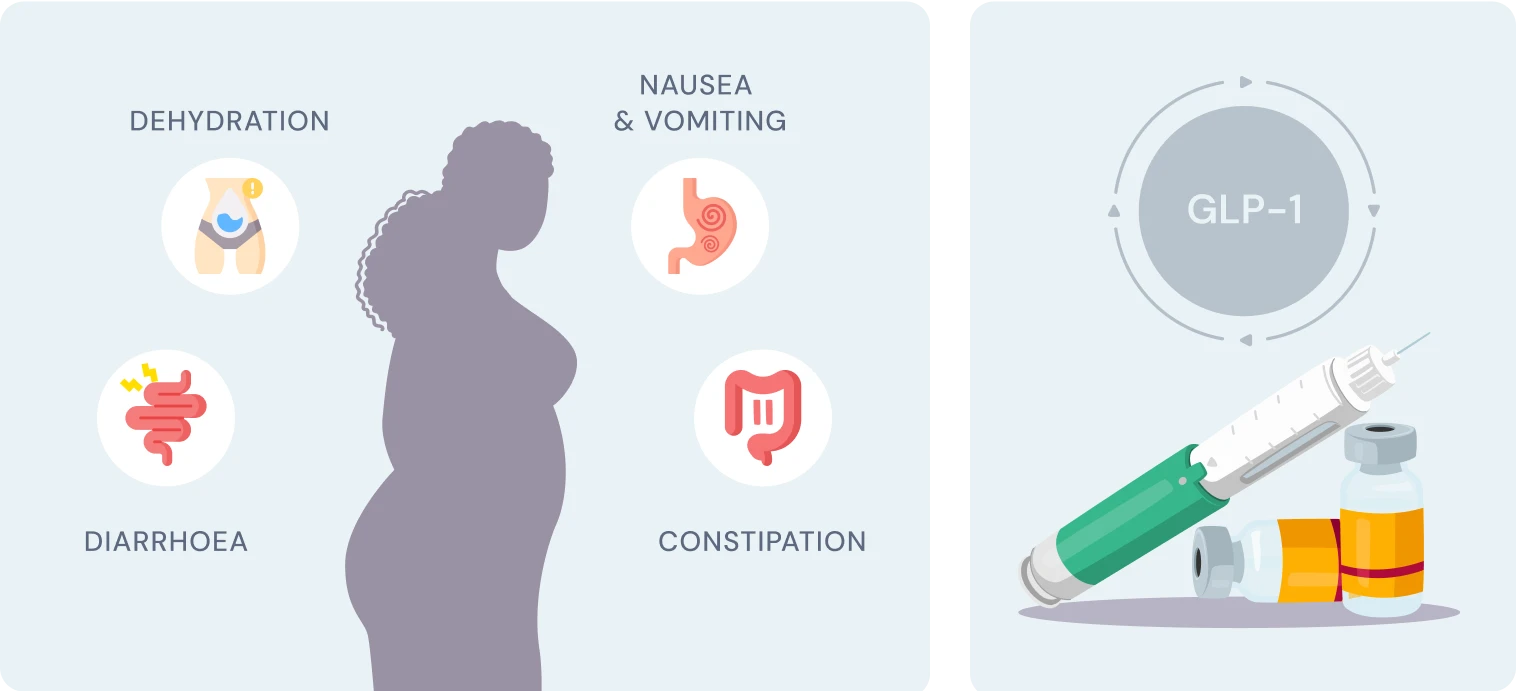
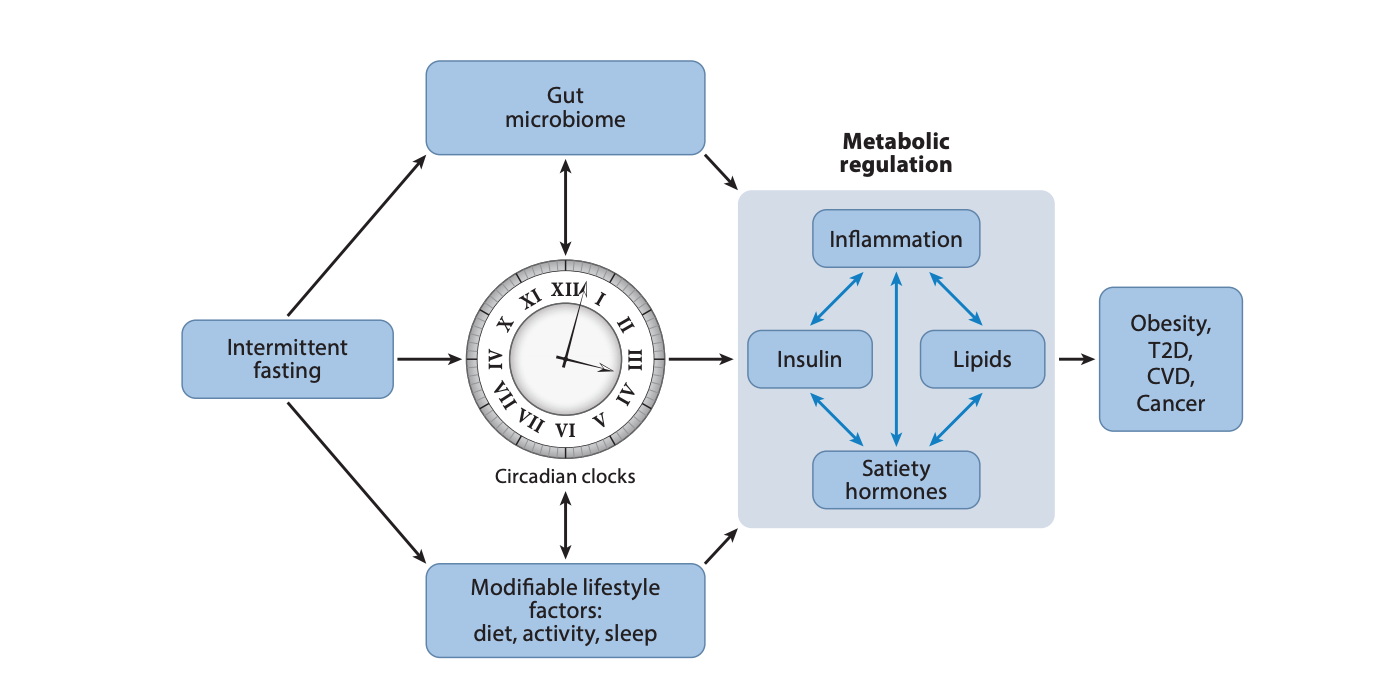
Research has shown that GLP-1 levels decrease during fasting, but they can still have a beneficial effect on metabolism. Studies have found that increasing GLP-1 levels through certain medications or supplements can improve insulin sensitivity, reduce glucose levels, and promote weight loss during fasting.
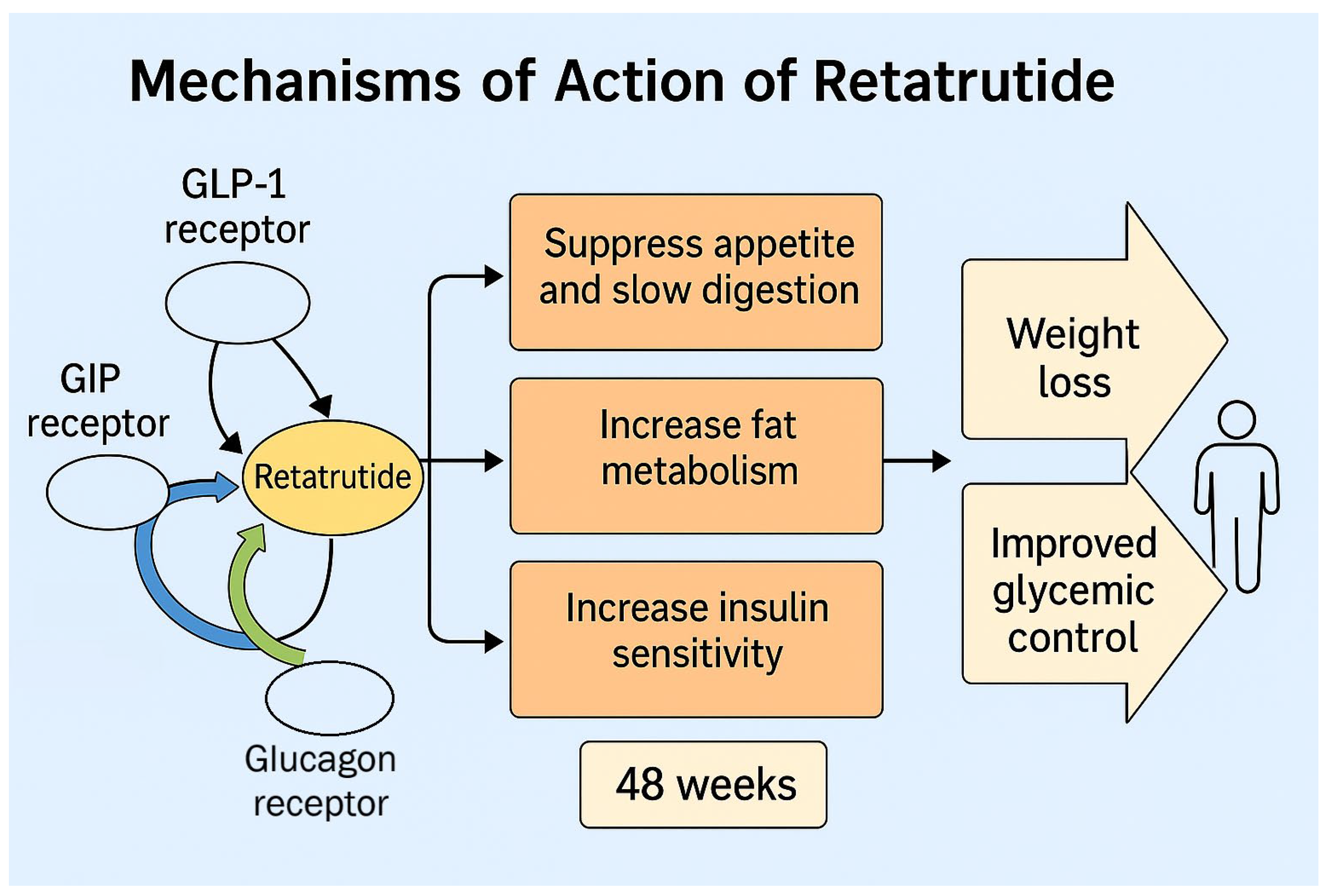
- Improved insulin sensitivity: GLP-1 has been shown to improve insulin sensitivity by activating insulin receptors and increasing glucose uptake in muscle cells.
- Reduced glucose levels: GLP-1 has been shown to reduce glucose levels by stimulating insulin release and slowing gastric emptying.
- Promoting weight loss: GLP-1 has been shown to promote weight loss by increasing feelings of fullness and reducing food intake.
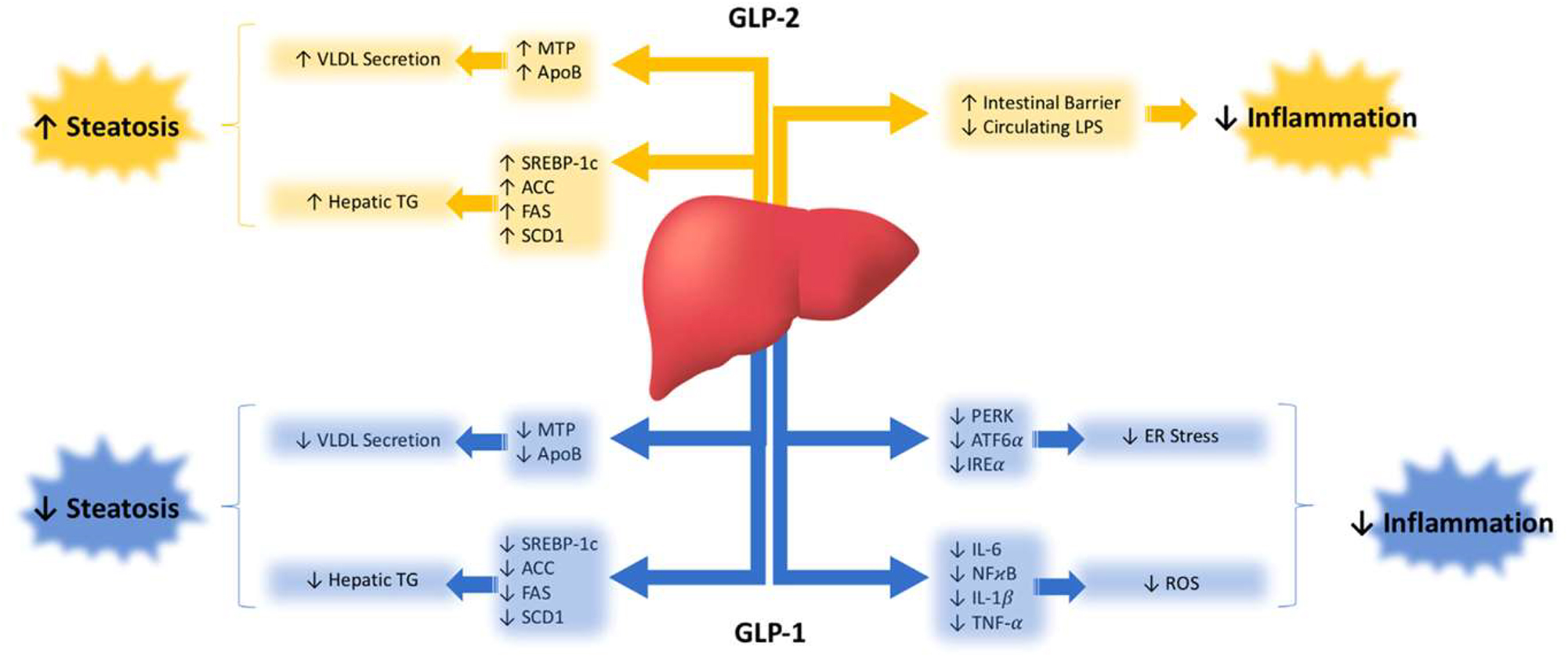
- Improved lipid metabolism: GLP-1 has been shown to improve lipid metabolism by reducing triglyceride levels and improving HDL cholesterol levels.