Understanding Emotional Eating and GLP-1 Suppressor
A Comprehensive Guide to Managing Emotions and Hunger
Emotional eating, a pattern of eating characterized by eating in response to emotions rather than hunger, is a common challenge many people face. When combined with the use of Glucagon-like peptide-1 (GLP-1) suppressors, which mimic the hormone that regulates appetite and satiety, individuals can experience significant benefits in managing their eating habits and improving their overall health.
What is GLP-1 Suppressor?

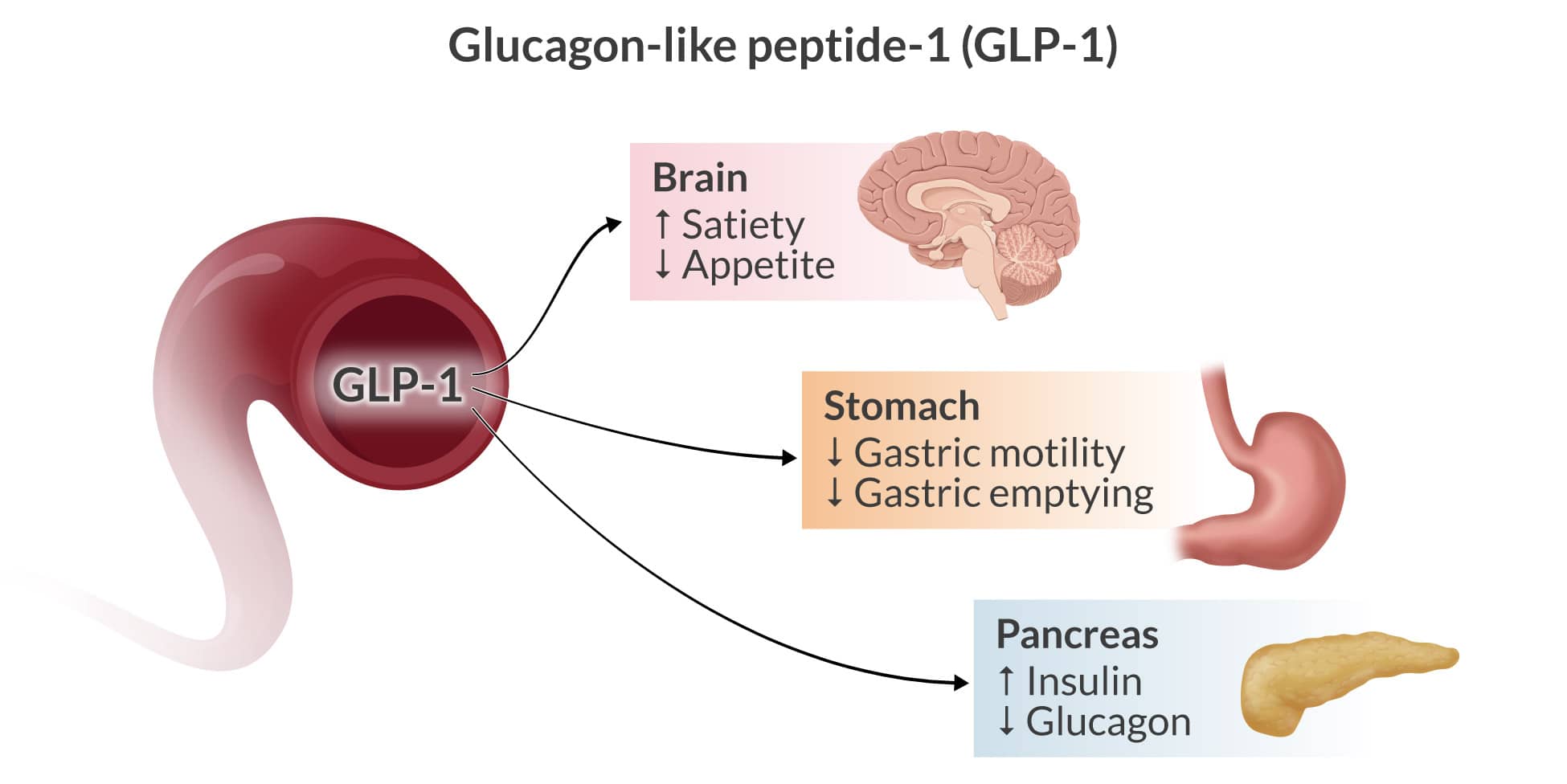
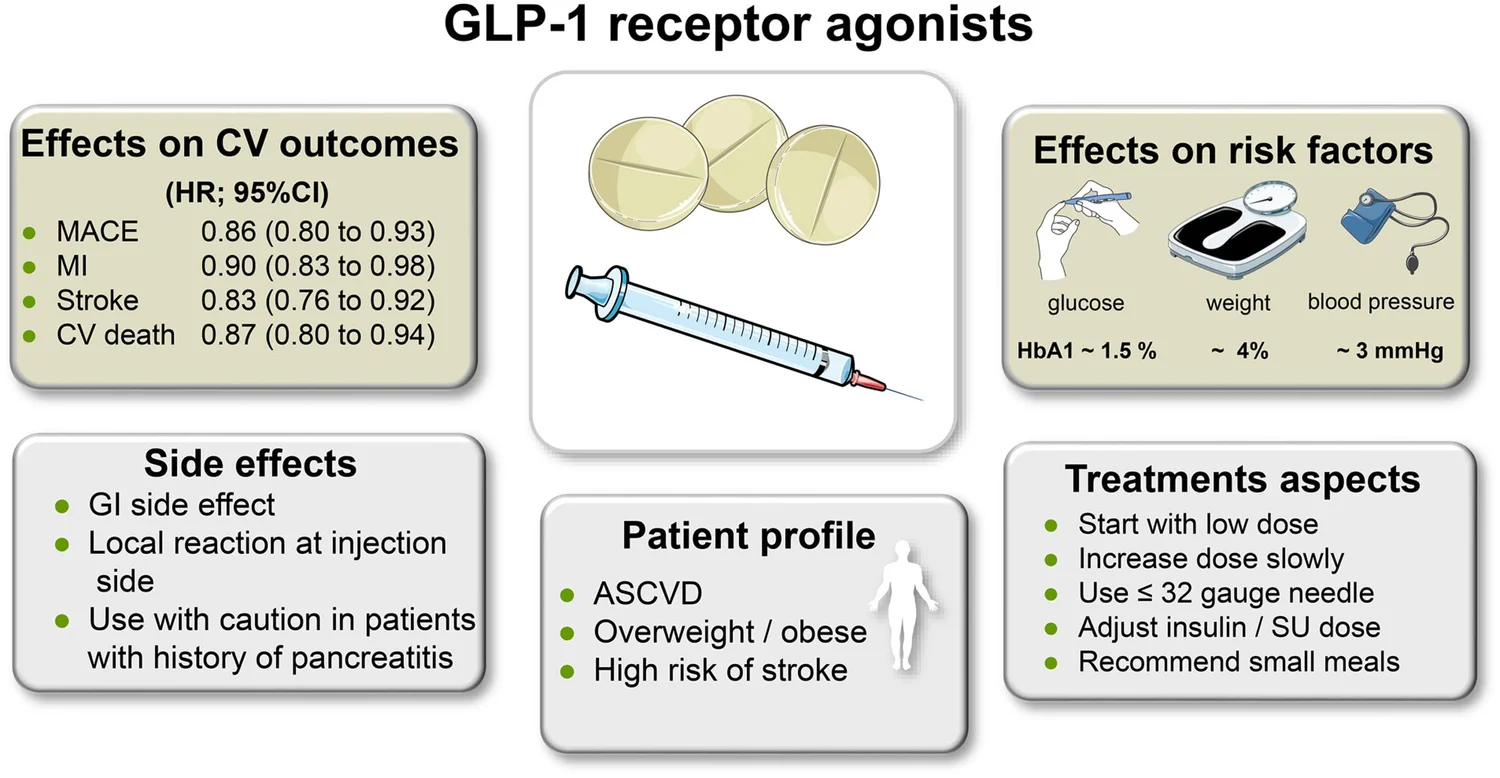
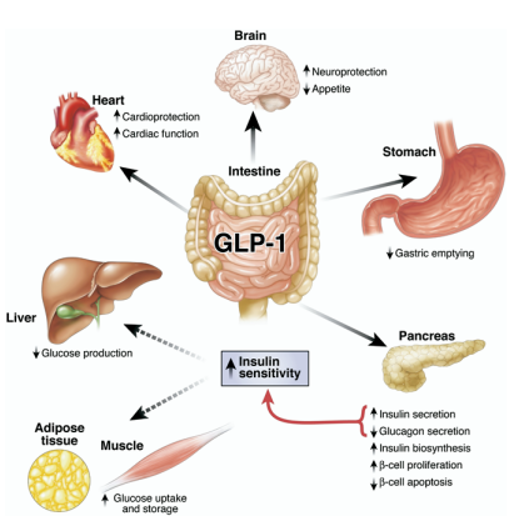
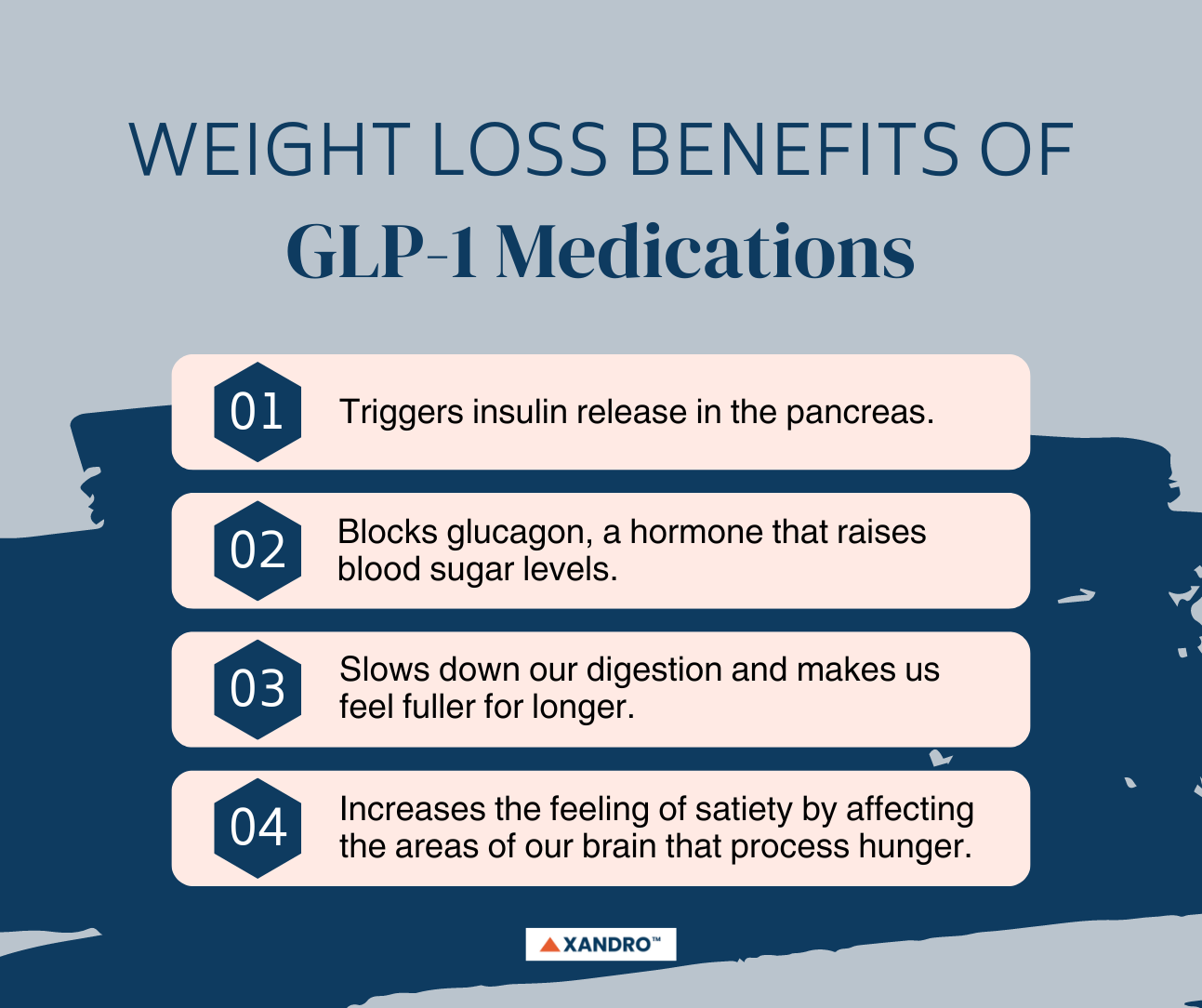
GLP-1 suppressors, also known as GLP-1 receptor agonists (GLP-1RAs), are medications that mimic the action of the natural GLP-1 hormone in the body. This hormone is released in response to food intake and plays a crucial role in regulating appetite, satiety, and glucose metabolism. By activating the GLP-1 receptors in the brain, these medications can help reduce hunger, increase feelings of fullness, and lower blood sugar levels.
The Science Behind GLP-1 Suppressor and Emotional Eating
- Reducing physical hunger**: GLP-1 suppressors can help reduce physical hunger by slowing down gastric emptying and increasing feelings of fullness.
- Affecting emotional regulation**: Besides its appetite-suppressing effect, GLP-1 acts on areas of the brain involved in stress response and emotion regulation.
- Impact on emotion and stress regulation**: However, the role of GLP-1 in emotion and stress regulation, and whether it is a viable treatment for stress-induced compulsive overeating, has yet to be established.