Energy Intake and GLP-1: A Comprehensive Guide to the Hormone's Role in Weight Management
The concept of energy intake and GLP-1 (Glucagon-Like Peptide-1) has gained significant attention in recent years, particularly in the context of weight management and metabolic health. GLP-1 is a hormone produced by the intestines in response to food intake, and it plays a crucial role in regulating energy balance and glycemic control. In this article, we will explore the relationship between energy intake and GLP-1 and delve into the mechanisms behind this hormone's role in weight management.
What is GLP-1, and How Does it Regulate Energy Intake?
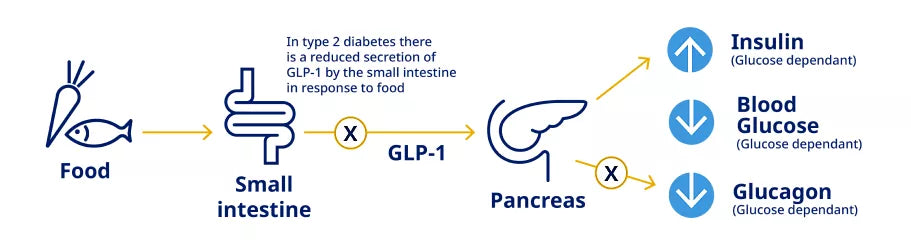
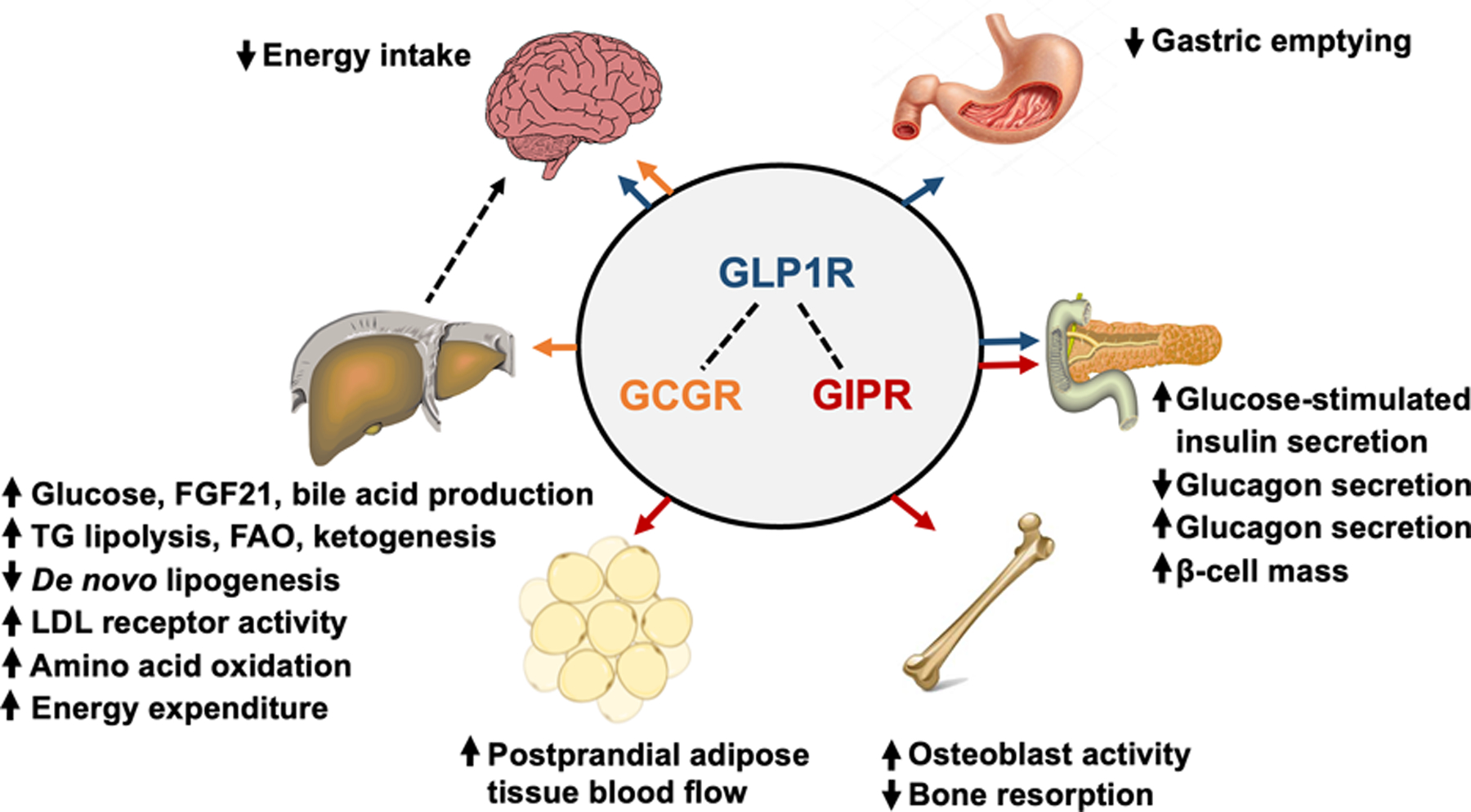
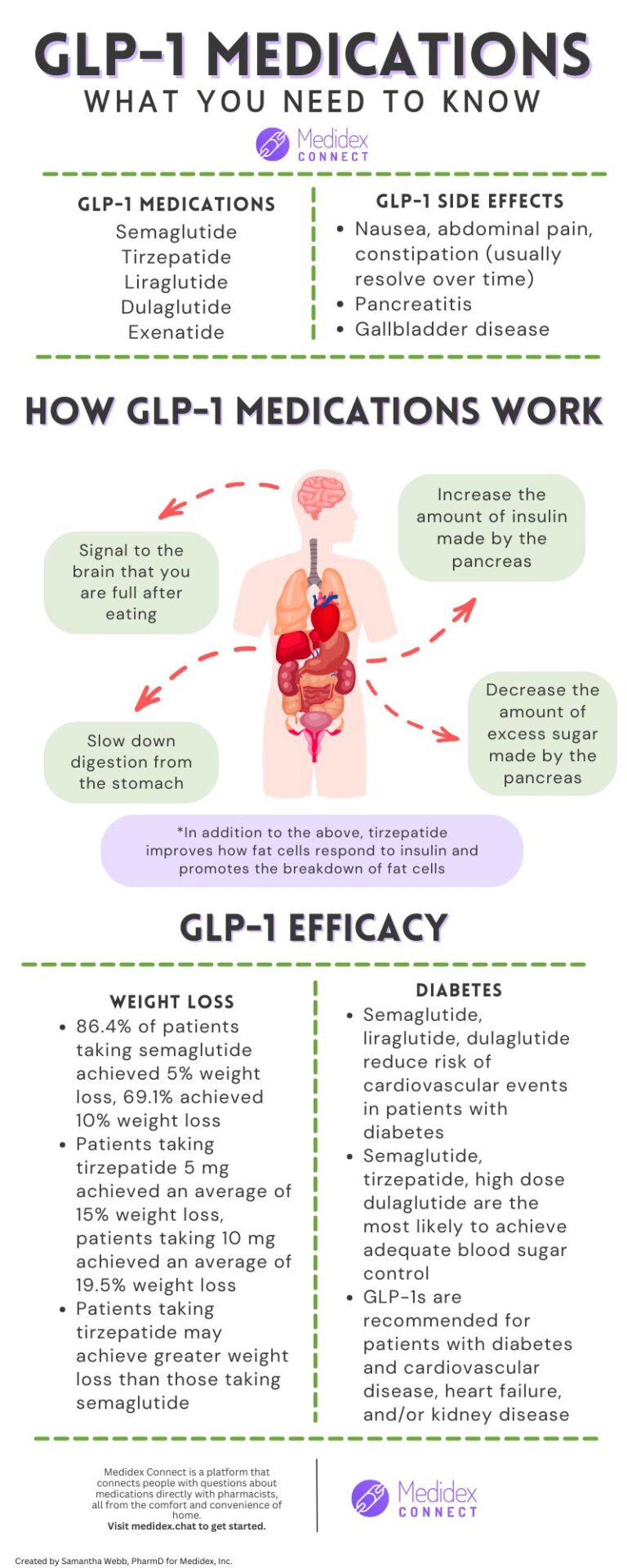
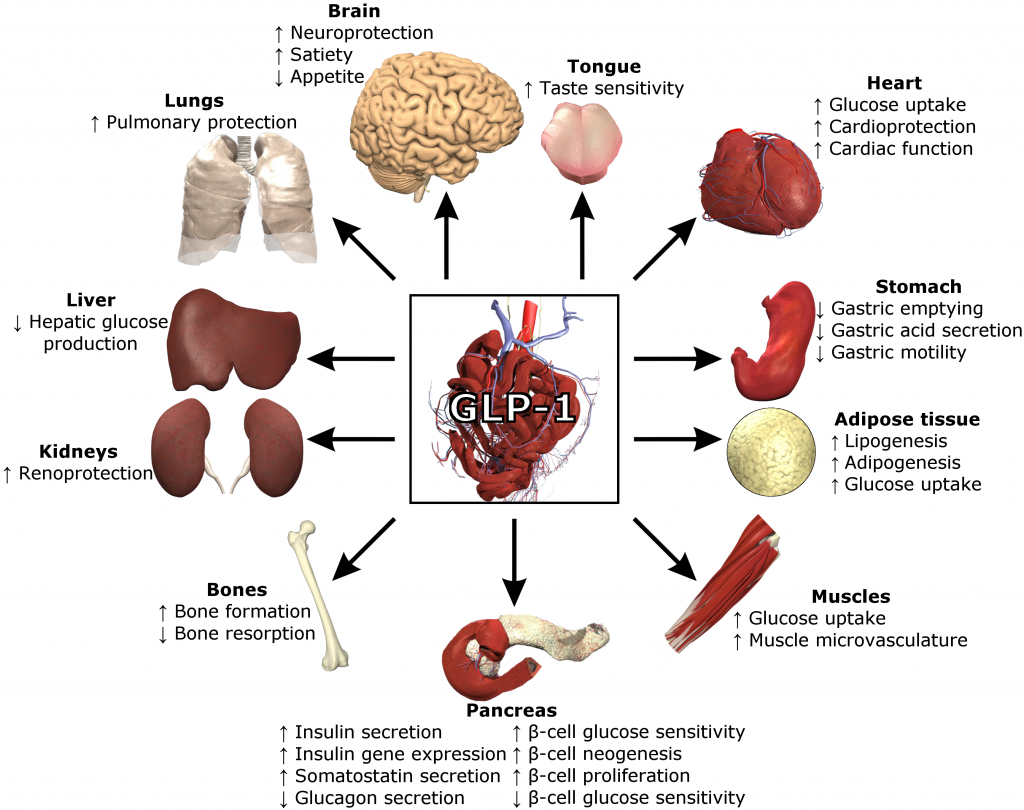
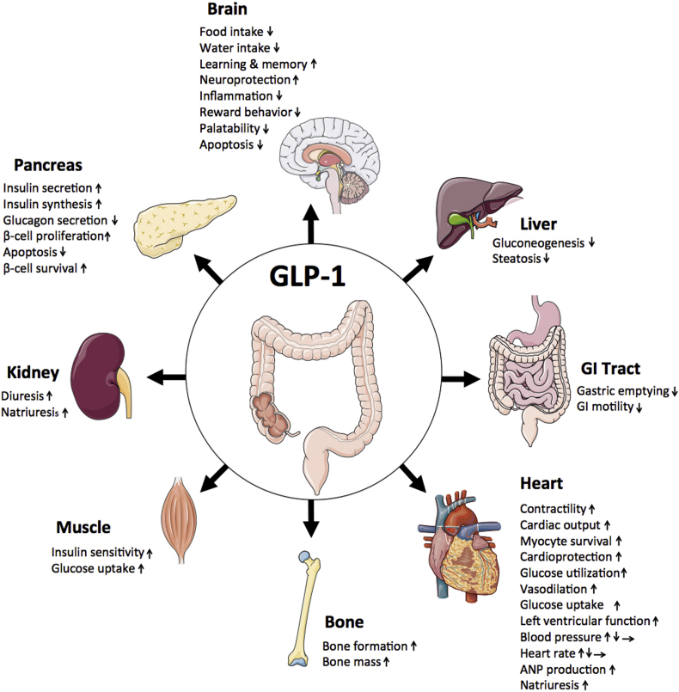
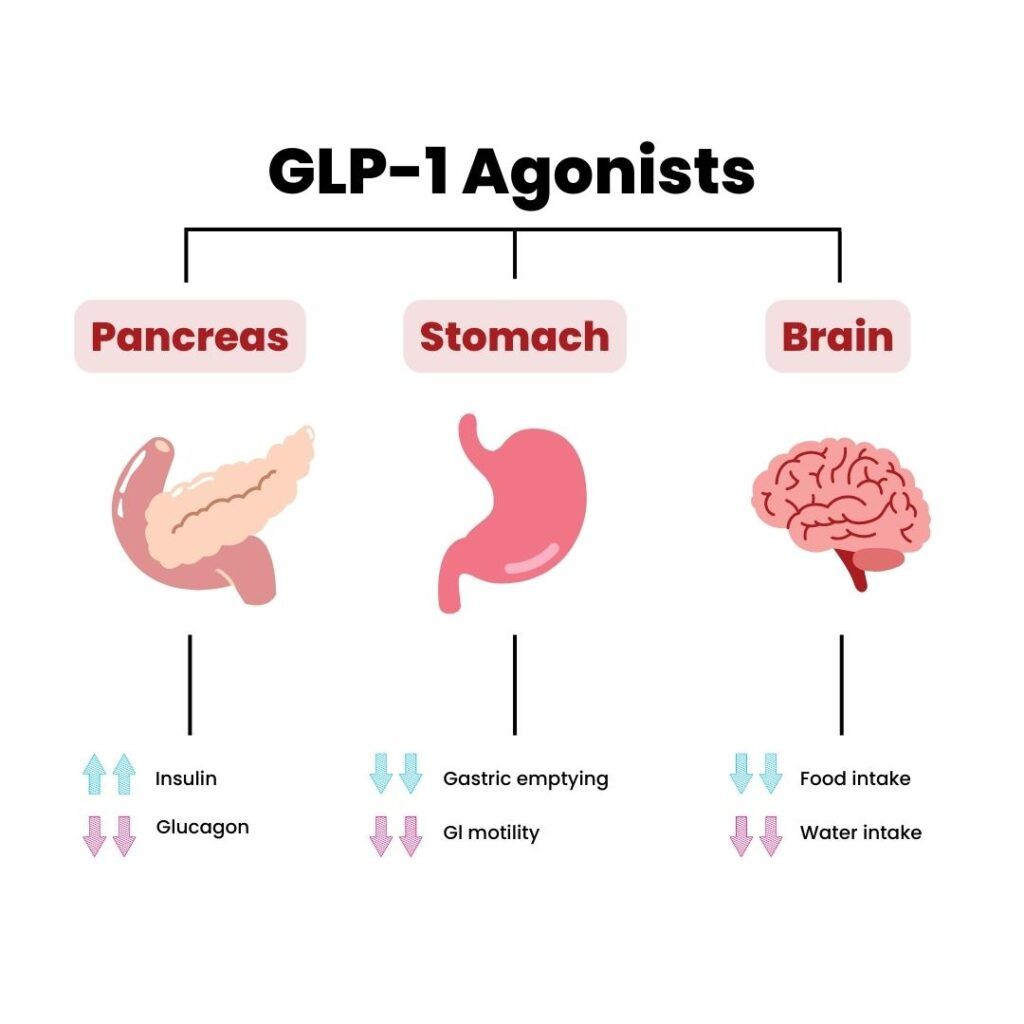
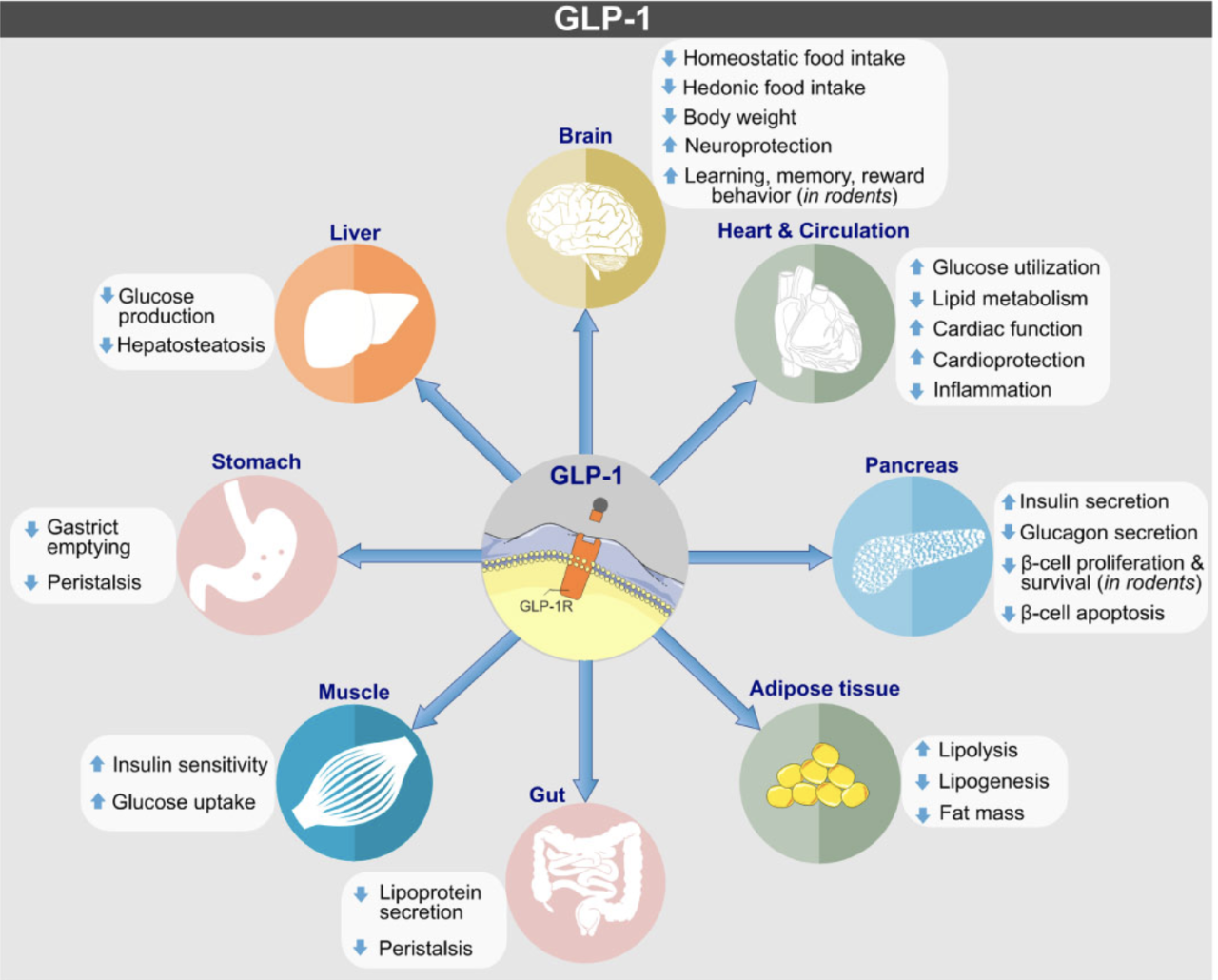
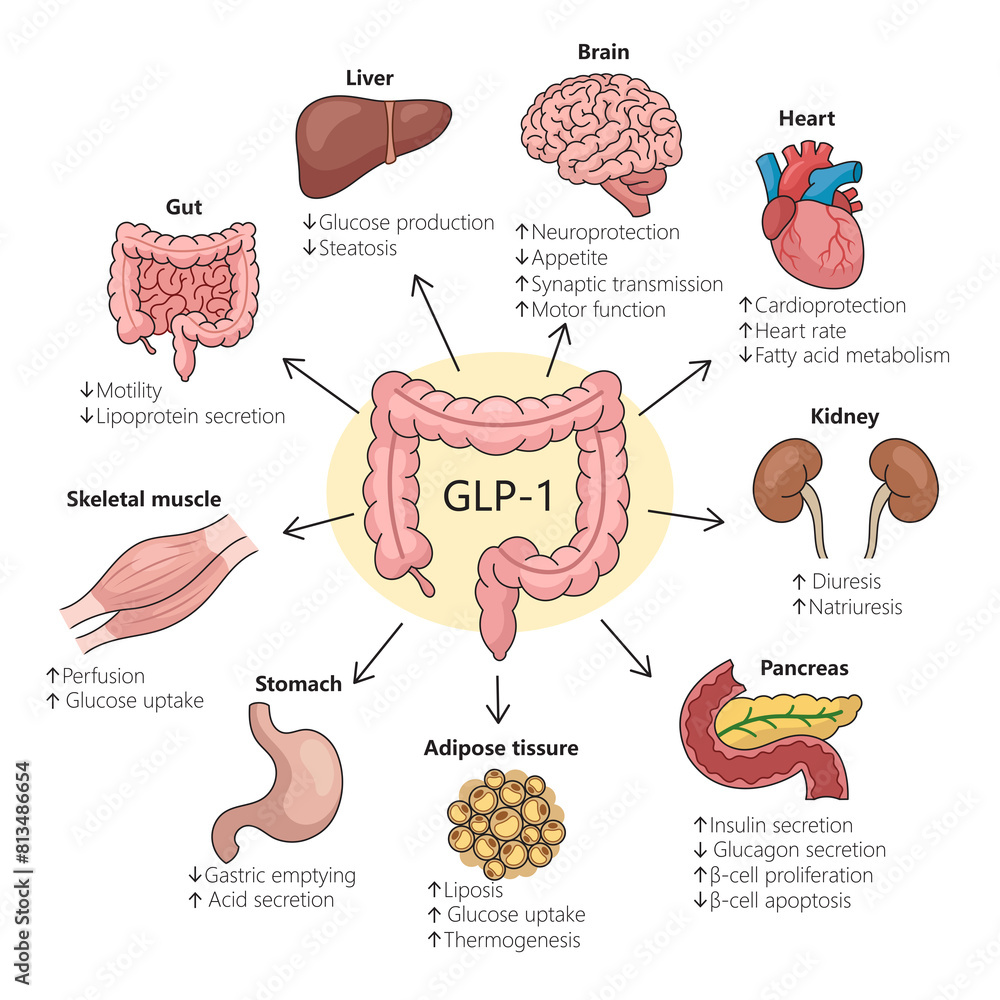
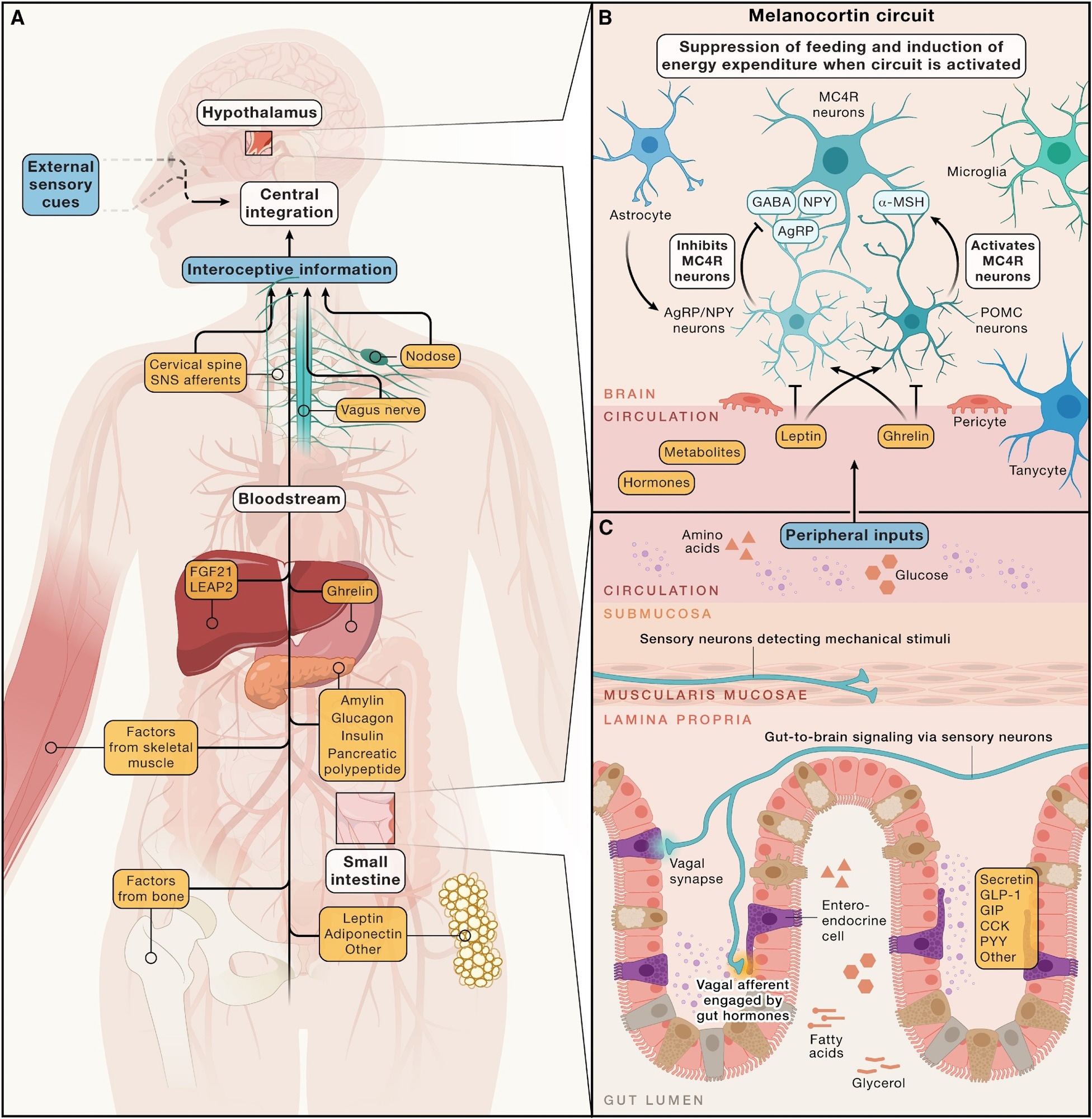
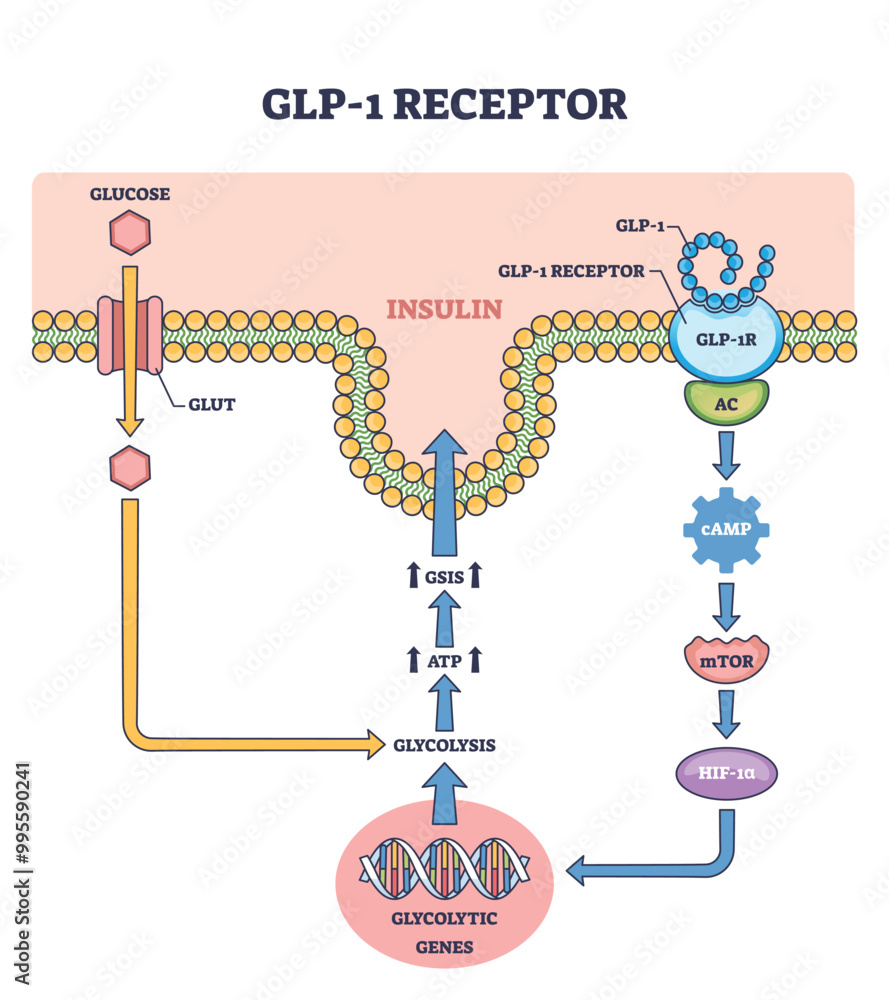
GLP-1 is a hormone produced by the L cells in the small intestine in response to nutrient intake. It is released in response to glucose and fatty acid absorption and stimulates insulin release, inhibits glucagon secretion, and slows gastric emptying. GLP-1 is also known to suppress appetite and increase feelings of fullness, making it a crucial player in regulating energy intake and weight management.
Energy Intake and GLP-1: A Complex Relationship
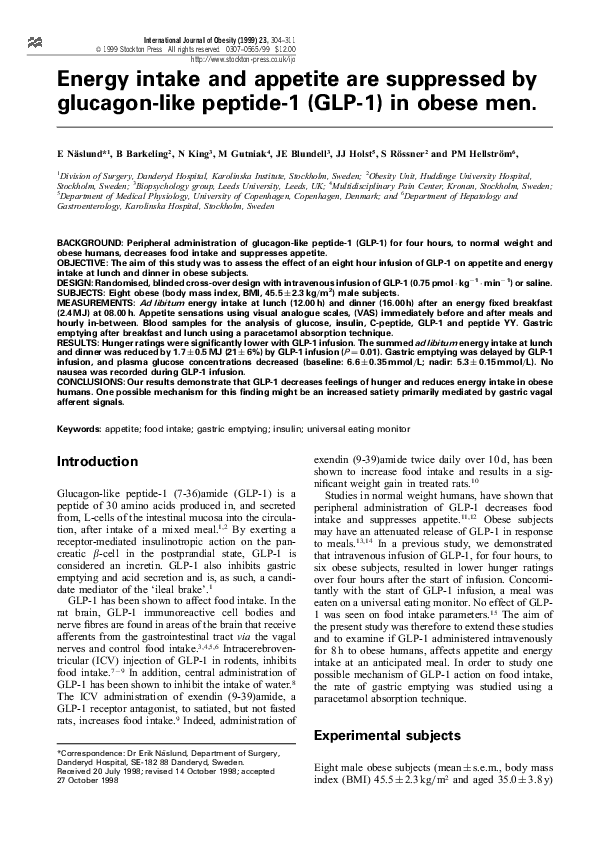
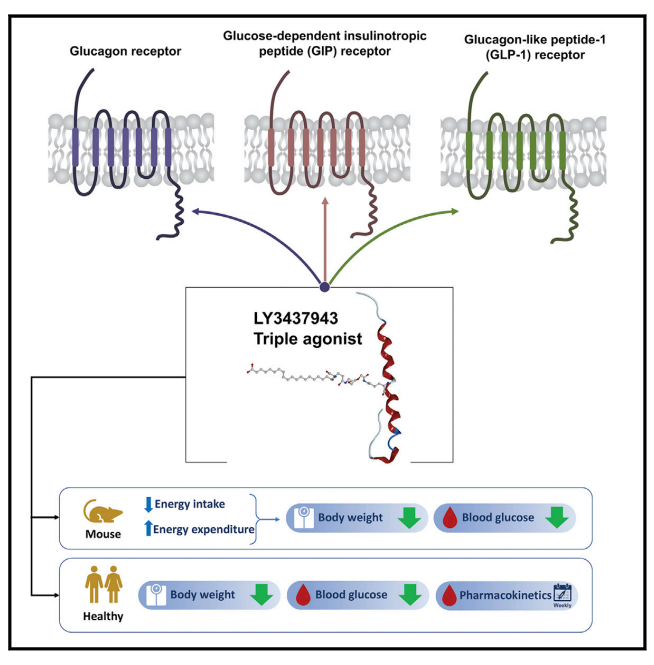
Research has shown that GLP-1 plays a critical role in regulating energy balance by influencing food intake, energy expenditure, and glucose metabolism. Studies have demonstrated that GLP-1 agonists, which mimic the action of endogenous GLP-1, can reduce food intake and increase feelings of fullness, leading to weight loss. However, the relationship between energy intake and GLP-1 is complex, and the hormone's effects on energy balance are multifaceted.