GLP-1 Analogs for Blood Sugar Management: Unlocking the Secrets of This Revolutionary Medication
The management of type 2 diabetes and obesity has undergone a significant transformation in recent years, thanks to the emergence of GLP-1 analogs. These medications, also known as GLP-1 receptor agonists or incretin mimetics, have revolutionized the way healthcare professionals approach glycemic control and weight management. In this article, we will delve into the world of GLP-1 analogs, exploring their mechanism of action, benefits, and potential side effects.
What are GLP-1 Analogues?
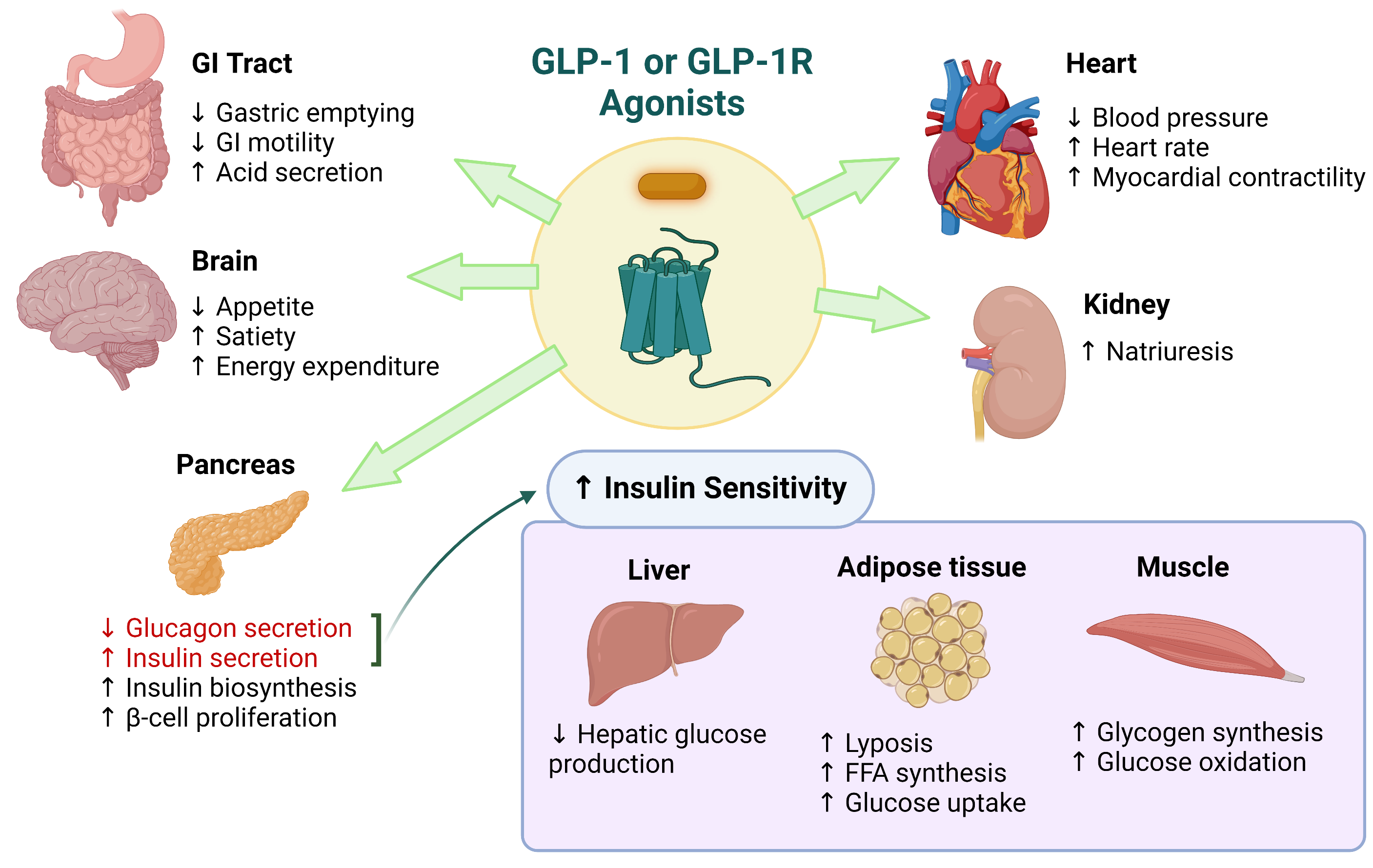
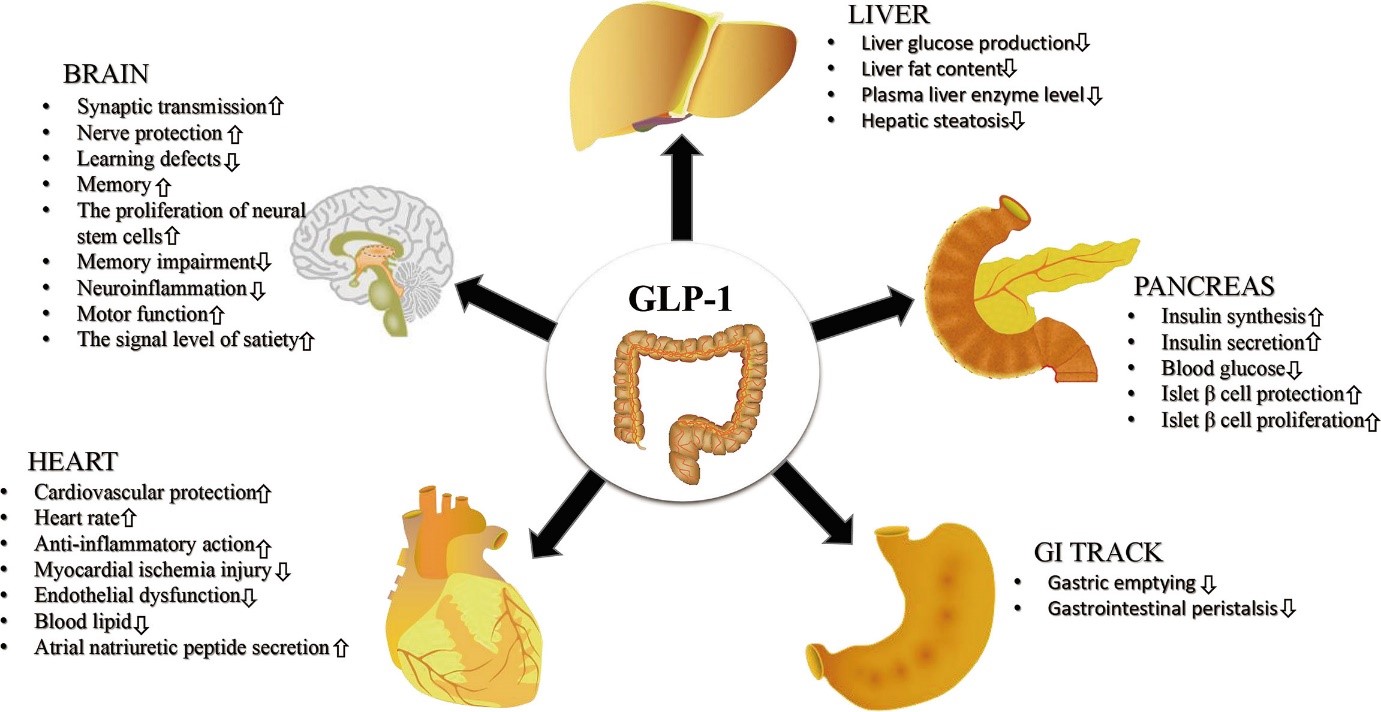
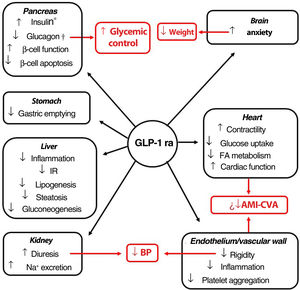
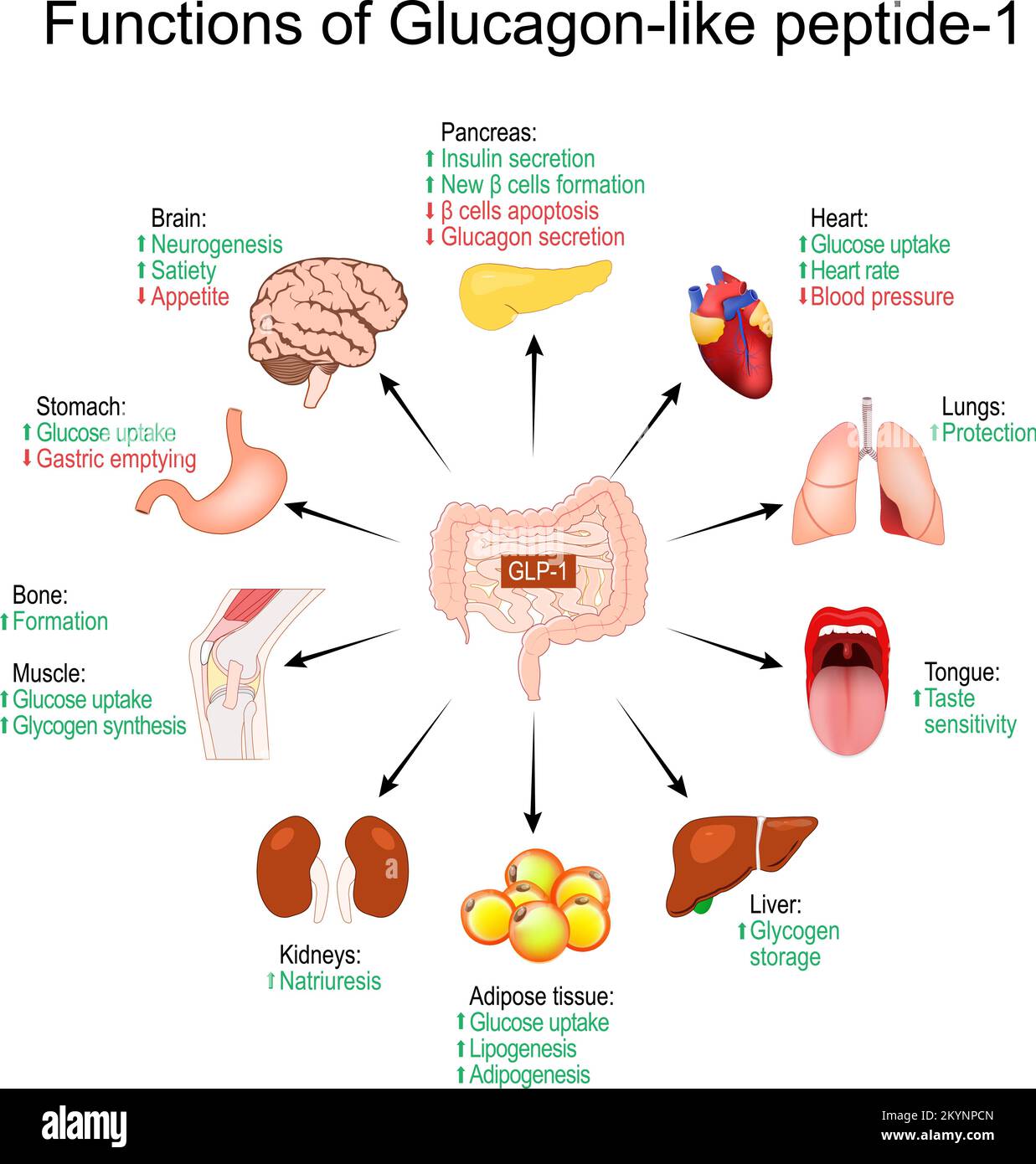
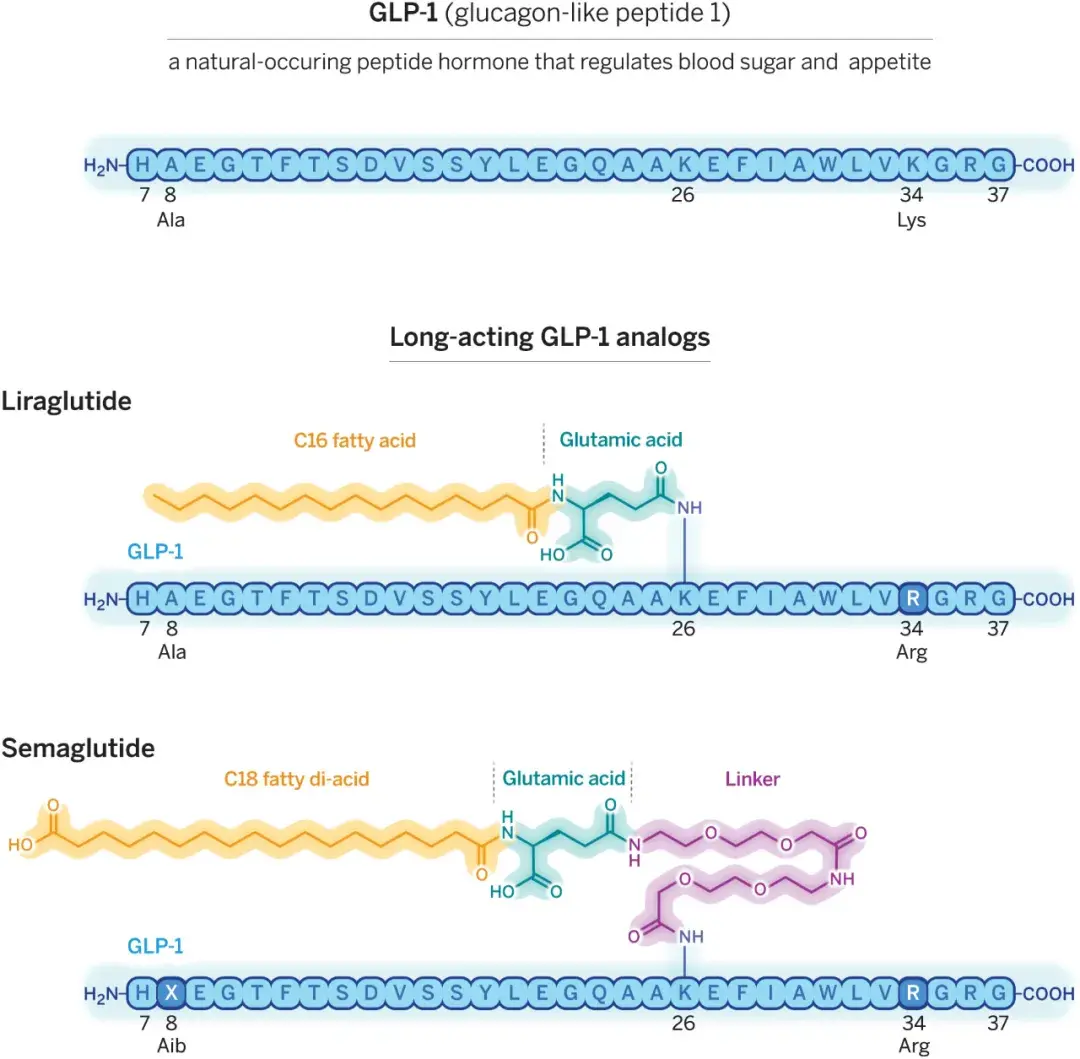
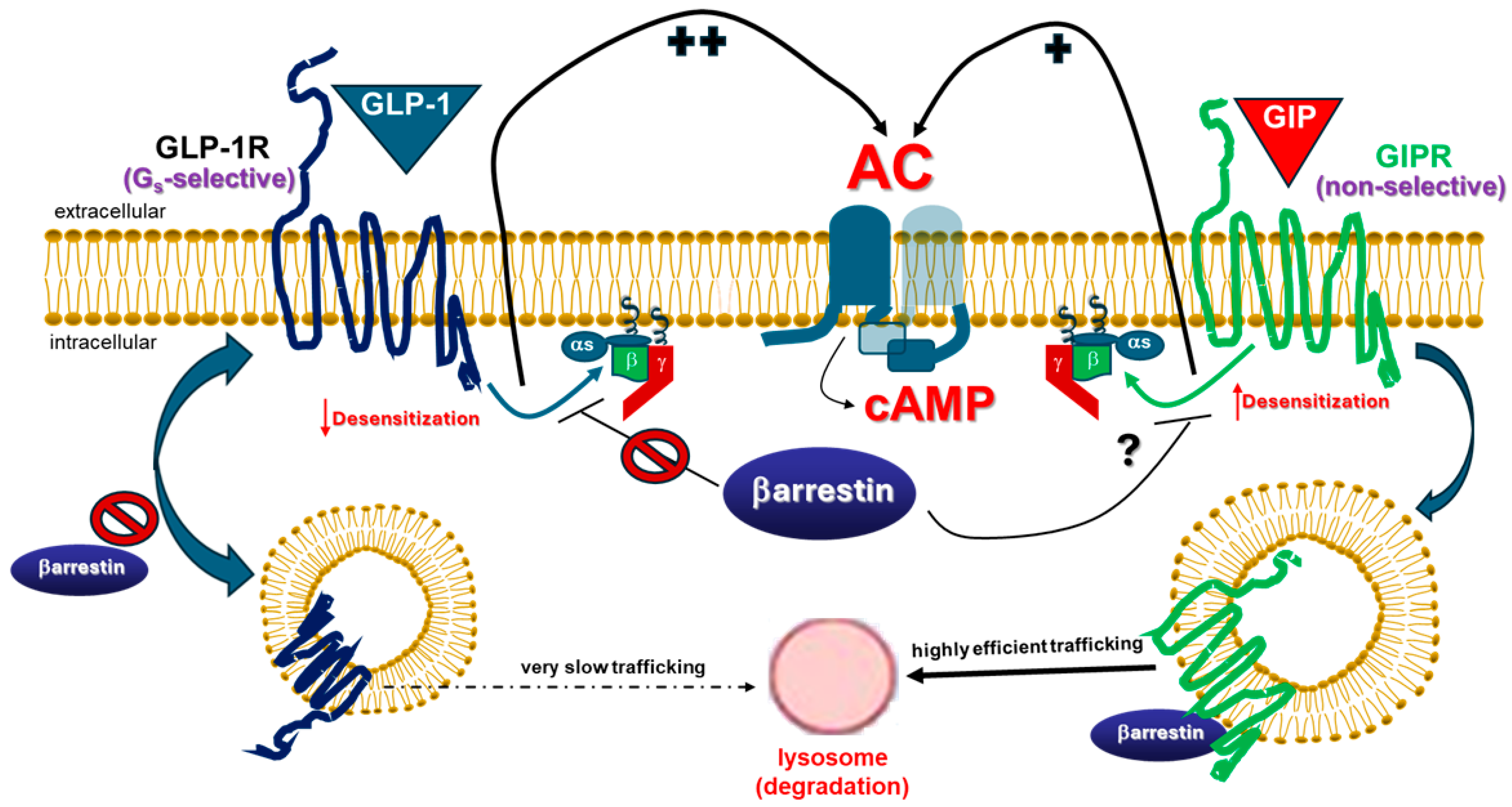
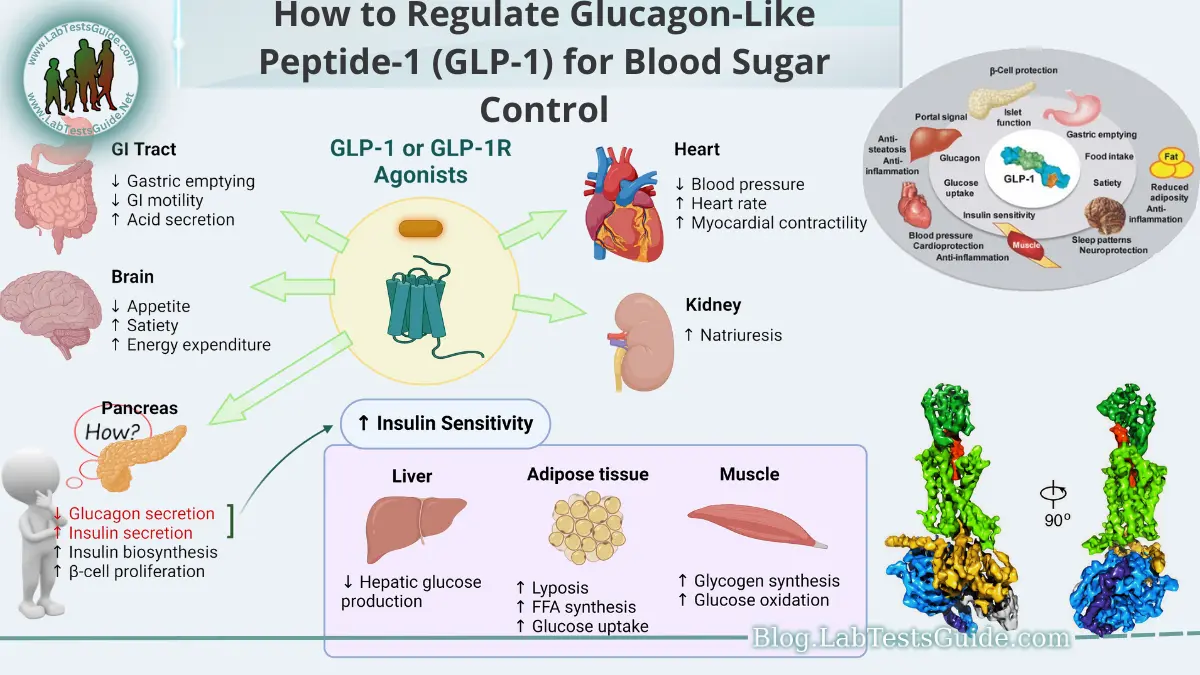
GLP-1 analogues are medications that mimic the action of the naturally occurring hormone glucagon-like peptide-1 (GLP-1). GLP-1 is a key regulator of glucose metabolism, appetite, and insulin secretion. It is secreted by the L cells in the small intestine after a meal and plays a crucial role in maintaining healthy blood sugar levels. By activating the GLP-1 receptor, these medications help to:
- Stimulate insulin secretion
- Slow down gastric emptying
- Reduce appetite and cravings
- Help with weight loss
- Improve blood sugar control
Benefits of GLP-1 Analogues
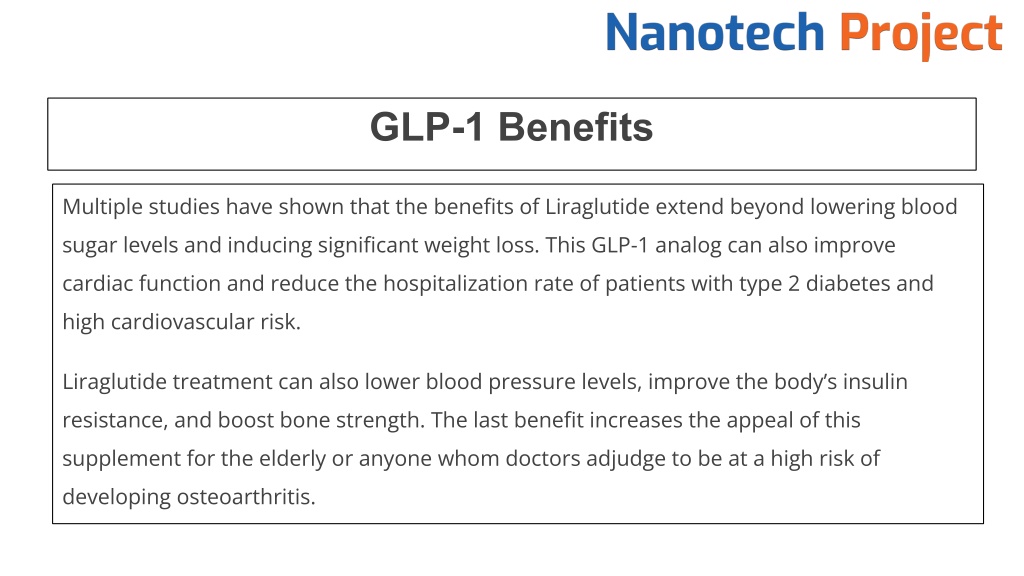
The benefits of GLP-1 analogues are numerous and well-documented. They include:
- Improved glycemic control without the risk of hypoglycemia
- Significant weight loss, often accompanied by improvements in body composition
- Reduced risk of major adverse cardiovascular events (MACE)
- Improved lipid profiles
- Reduced inflammation and oxidative stress