Understanding the Role of GLP-1 in Appetite Regulation
Glucagon-like peptide-1 (GLP-1) is a hormone that plays a significant role in regulating appetite, yet its mechanisms are complex and multifaceted. This article aims to delve into the intricacies of GLP-1 and its involvement in appetite regulation, shedding light on how this hormone impacts our eating behavior and overall metabolic health.
The Science Behind GLP-1 and Appetite Regulation
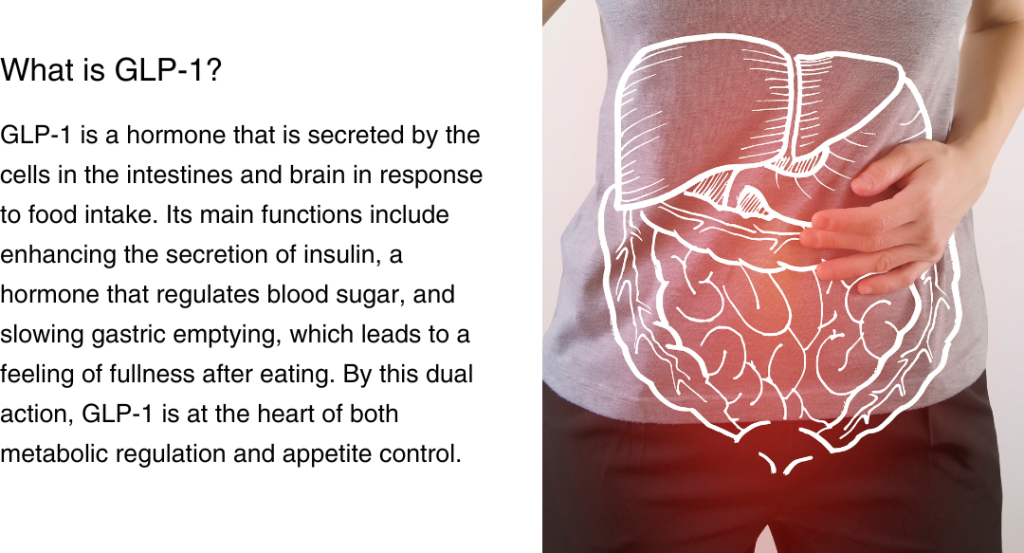
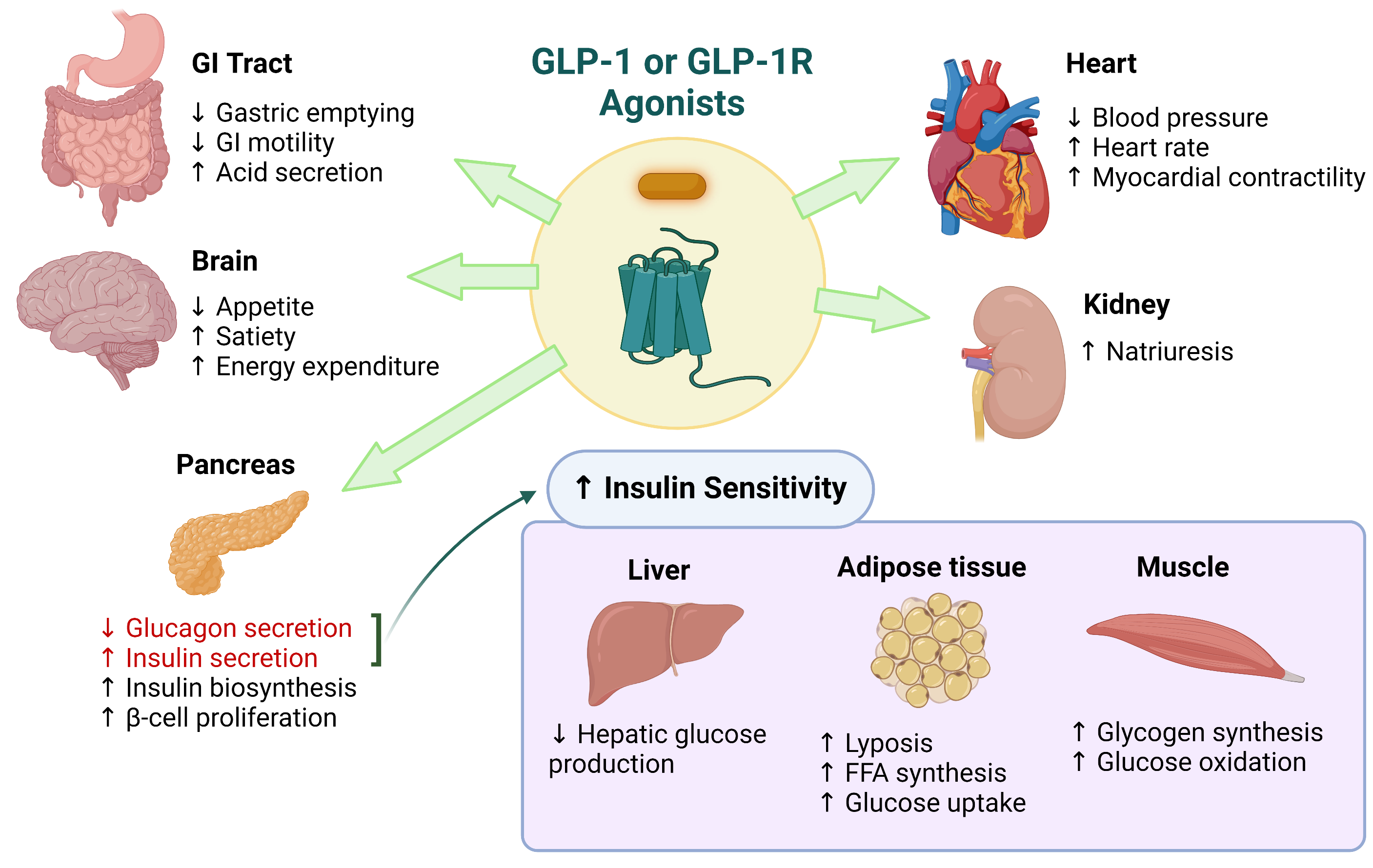
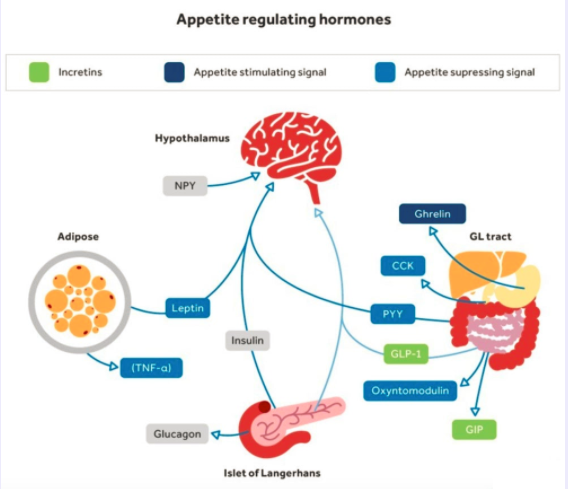
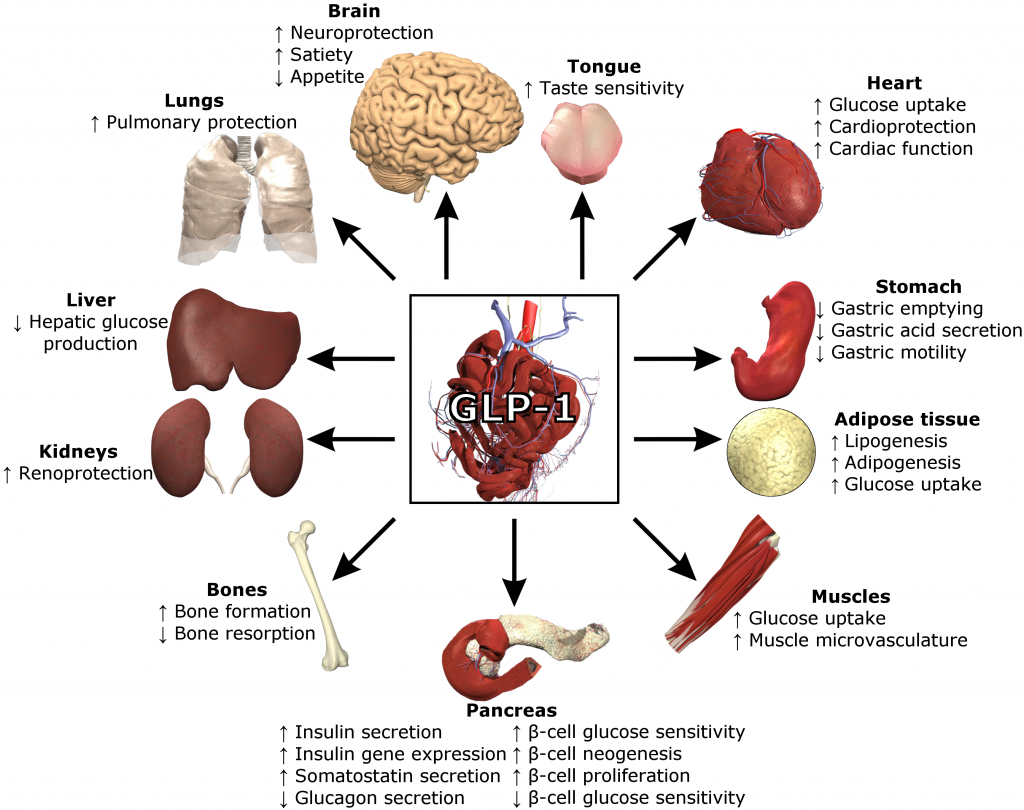
GLP-1 is a natural hormone produced by the pancreas and small intestine, with crucial roles in regulating blood sugar levels, satiety, and insulin release. The hormone works by slowing gastric emptying, increasing feelings of fullness, and modulating appetite-related signals in the brain. Research has shown that GLP-1 influences food intake and energy balance by acting on the hypothalamus, a region of the brain involved in hunger and reward.

How Does GLP-1 Regulate Appetite?
GLP-1's role in appetite regulation is multifaceted. It:
- Slows down gastric emptying, reducing the rate at which food is absorbed in the small intestine.
- Inhibits the release of ghrelin, the "hunger hormone," which stimulates appetite.
- Activates the release of cholecystokinin (CCK), a hormone that promotes feelings of fullness and satiety.
- Regulates the appetite-regulating neuropeptide Y (NPY) and agouti-related peptide (AgRP) in the hypothalamus.
- Modulates reward pathways in the brain, affecting the perceived pleasure of eating.