Understanding GLP-1 and Carbohydrate Counting: A Comprehensive Guide
Glucagon-like peptide-1 (GLP-1) is a hormone that plays a crucial role in glucose metabolism, and its effects on carbohydrate counting are a topic of interest for individuals with type 2 diabetes or those who are overweight. In this article, we will delve into the relationship between GLP-1 and carbohydrate counting, discussing the benefits and challenges of modifying carbohydrate intake while taking GLP-1 medications.
What is GLP-1 and How Does it Affect Carbohydrate Counting?
GLP-1 is a hormone produced by the intestines in response to food intake, which triggers the release of insulin and inhibits glucagon release. It has been shown to help reduce appetite and improve insulin sensitivity, making it a valuable tool in managing type 2 diabetes and obesity. When it comes to carbohydrate counting, GLP-1 medications can affect the way the body processes carbohydrates, leading to a decrease in hunger and increased feelings of fullness. This can result in reduced carbohydrate intake, which may be beneficial for individuals who are overweight or have type 2 diabetes.

Benefits of Enhanced Carbohydrate Counting on GLP-1
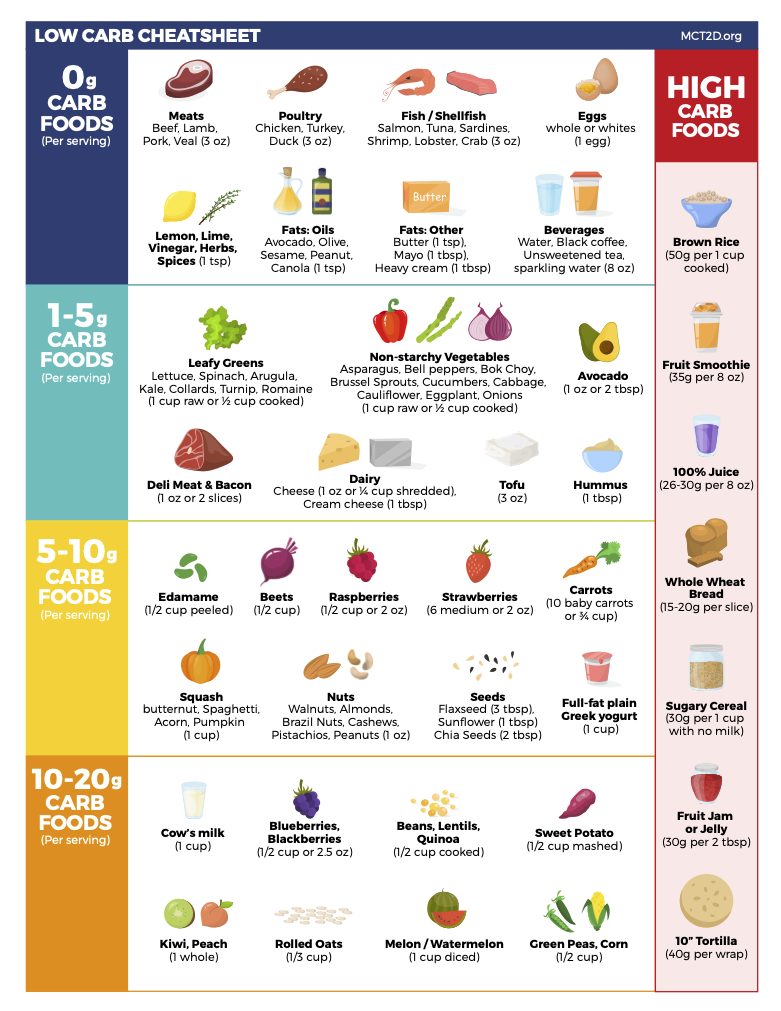
Research has shown that individuals who take GLP-1 medications can experience improved blood sugar control and weight loss when carbohydrate intake is carefully managed. By monitoring and controlling carbohydrate consumption, individuals can avoid blood sugar spikes and reduce the risk of developing complications associated with type 2 diabetes. Another advantage of carbohydrate counting on GLP-1 is improved energy balance, as the body is able to utilize glucose more efficiently.