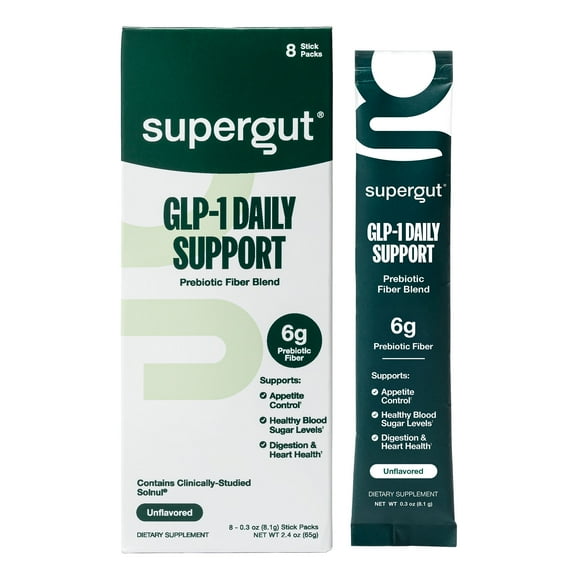
GLP-1 and Digestive Health: The Unseen Connection
Glucagon-like peptide-1 (GLP-1) is a hormone that has been gaining attention in recent years for its role in weight management and blood sugar control. However, its influence extends far beyond these areas, with a significant impact on digestive health. In this article, we'll delve into the relationship between GLP-1 and digestive health, exploring the ways in which this hormone influences our gut and overall well-being.
The Gut-Brain Axis and GLP-1
The gut and the brain are connected through the gut-brain axis, a bidirectional communication network that allows for the exchange of signals between the two. GLP-1 plays a critical role in this axis, influencing the gut microbiome and modulating the immune system. Research has shown that GLP-1 can improve gut barrier function, reduce inflammation, and promote the growth of beneficial bacteria in the gut.

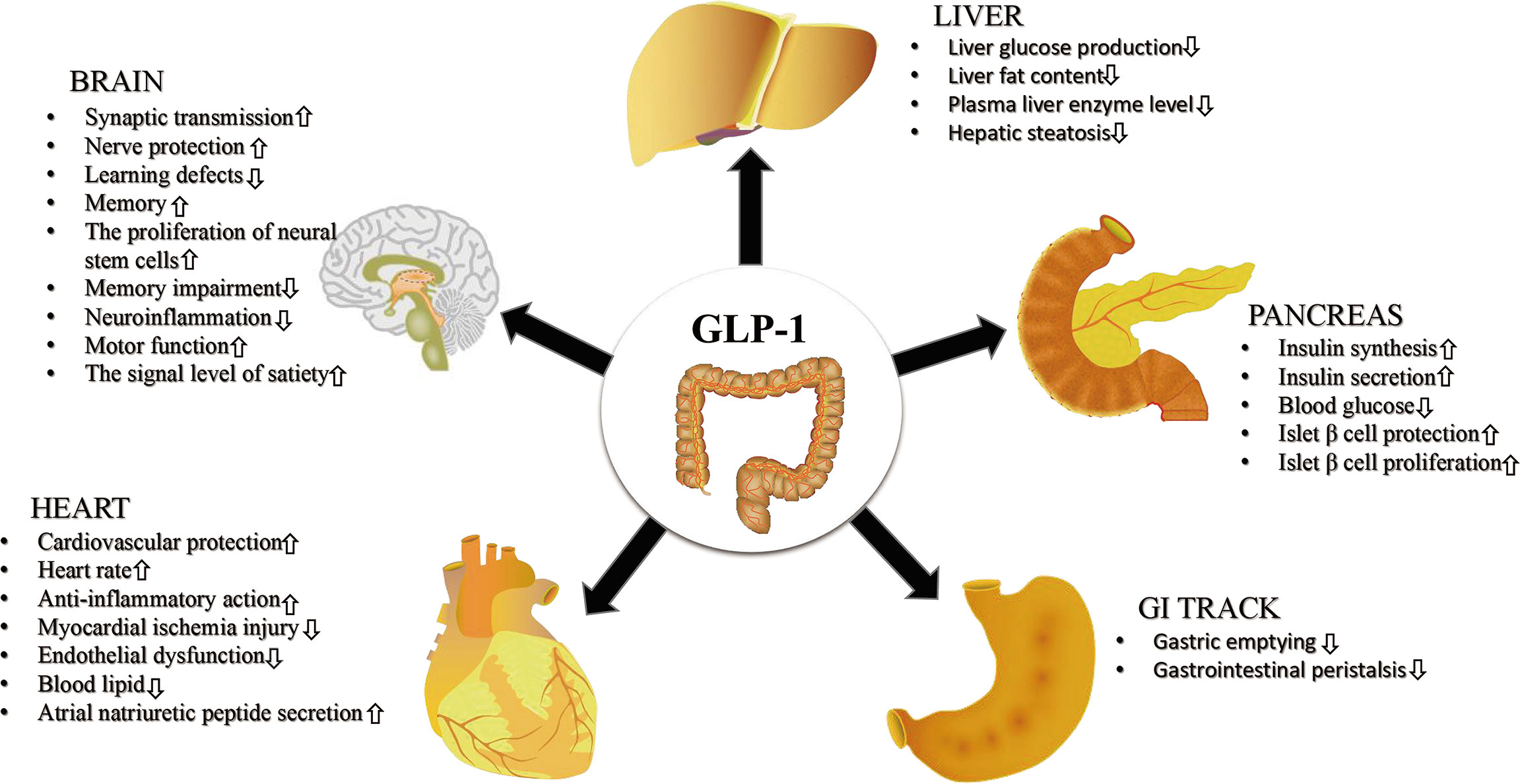
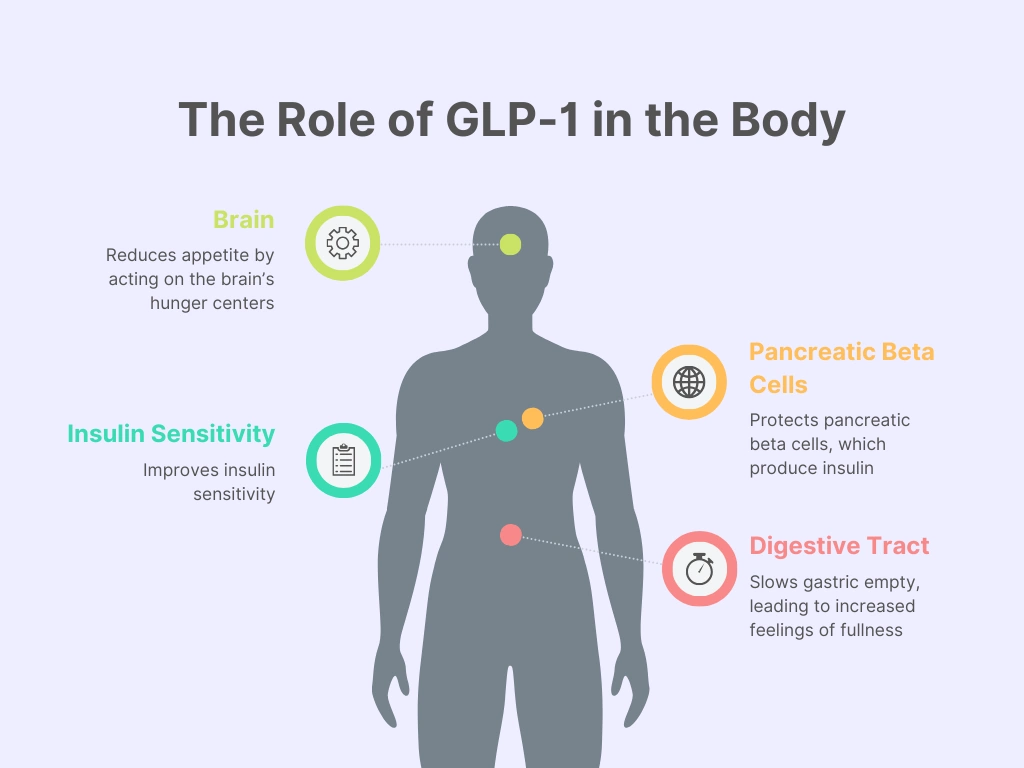
- Modulating gastric emptying: GLP-1 slows down gastric emptying, allowing for a more gradual release of nutrients into the bloodstream.
- Promoting nutrient absorption: GLP-1 enhances the absorption of nutrients, particularly glucose and amino acids.
- Supporting immune balance: GLP-1 helps maintain immune balance by reducing inflammation and promoting the growth of beneficial bacteria.
Digestive Health Symptoms and GLP-1 Adherence
Digestive health symptoms are a common barrier to GLP-1 adherence, with many patients experiencing nausea, diarrhea, or constipation while taking these medications. However, by understanding the relationship between GLP-1 and digestive health, patients can take steps to mitigate these symptoms and improve their overall well-being.