GLP-1 and Insulin Secretion: Understanding the Molecular Mechanisms
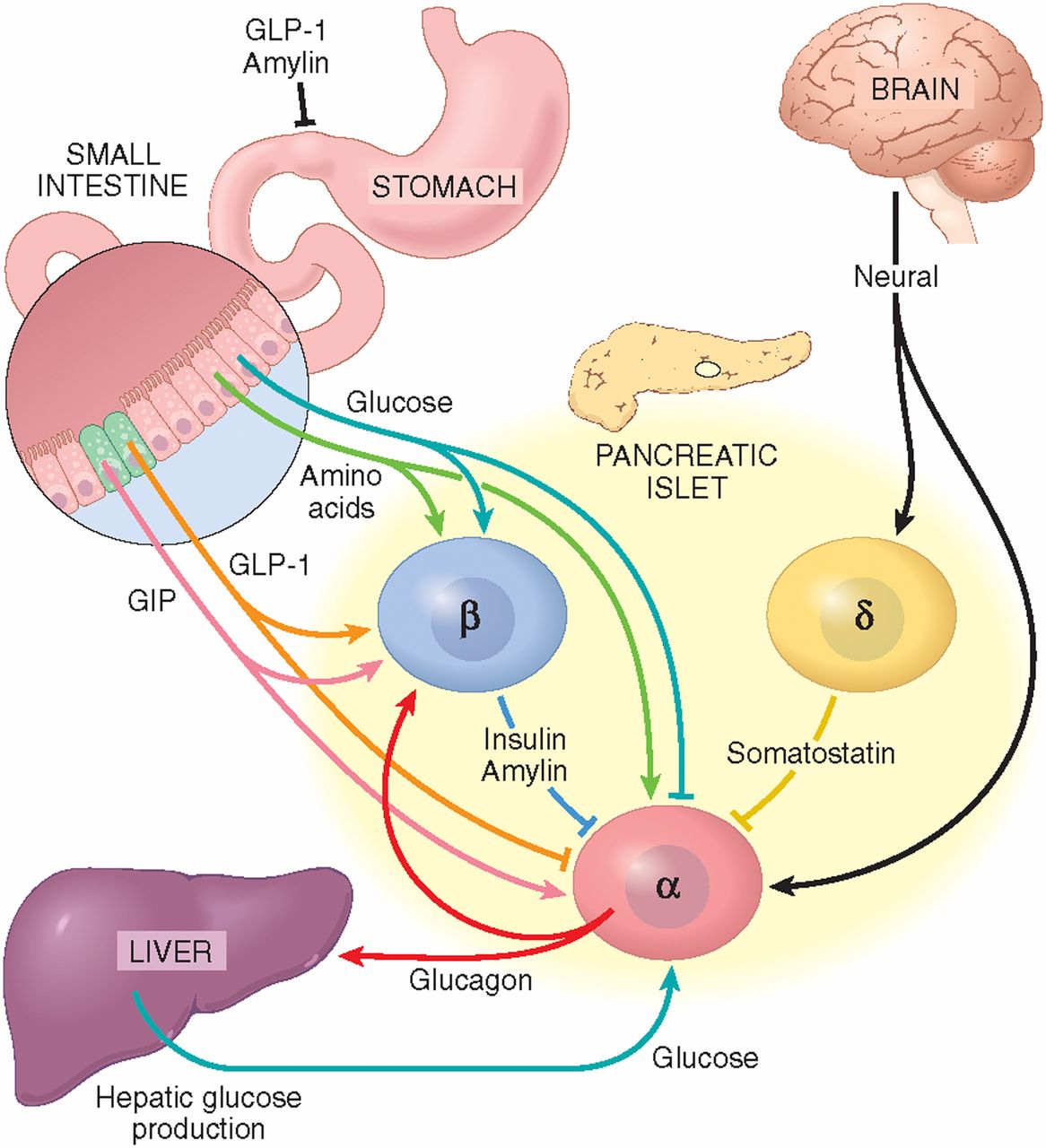
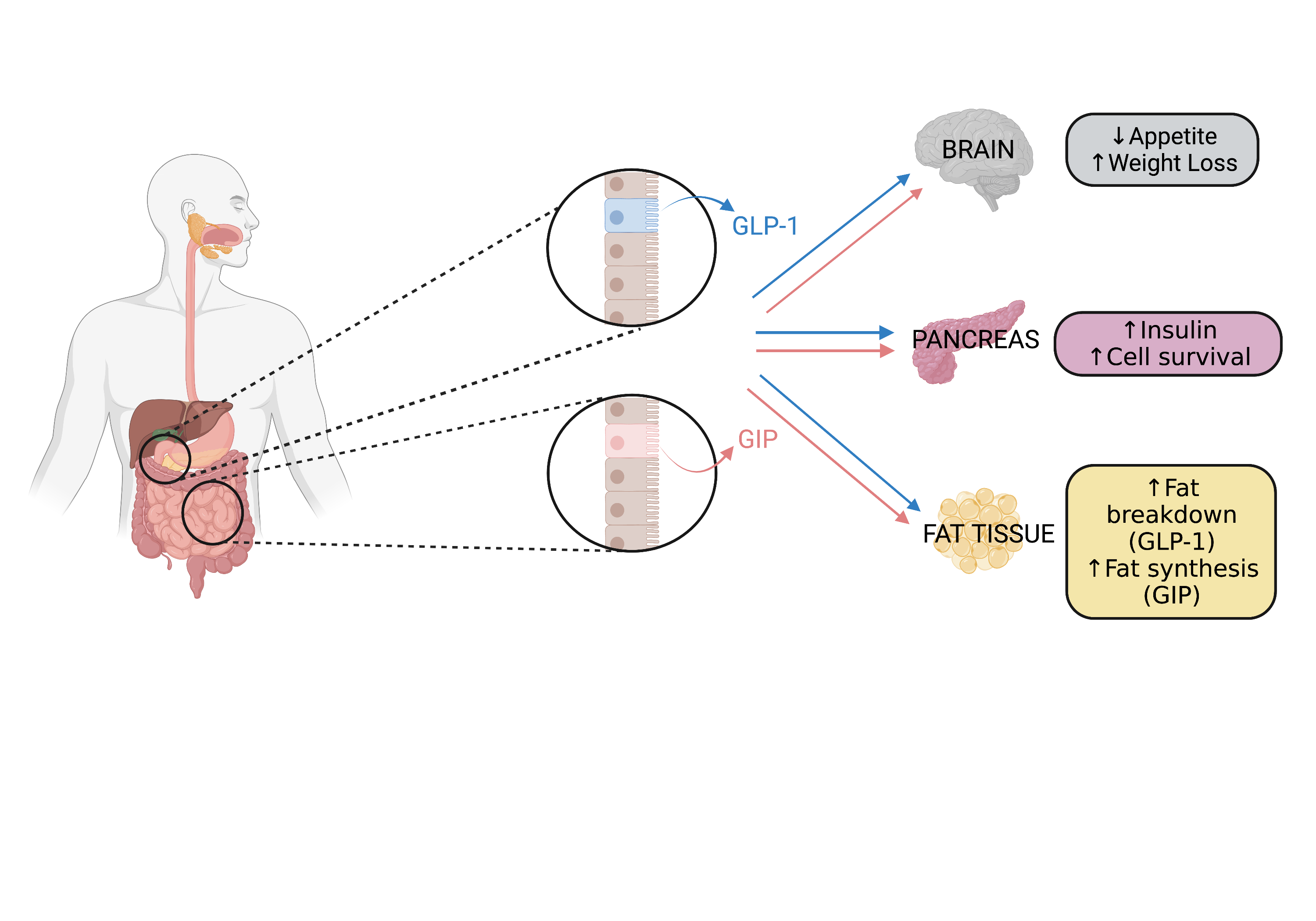
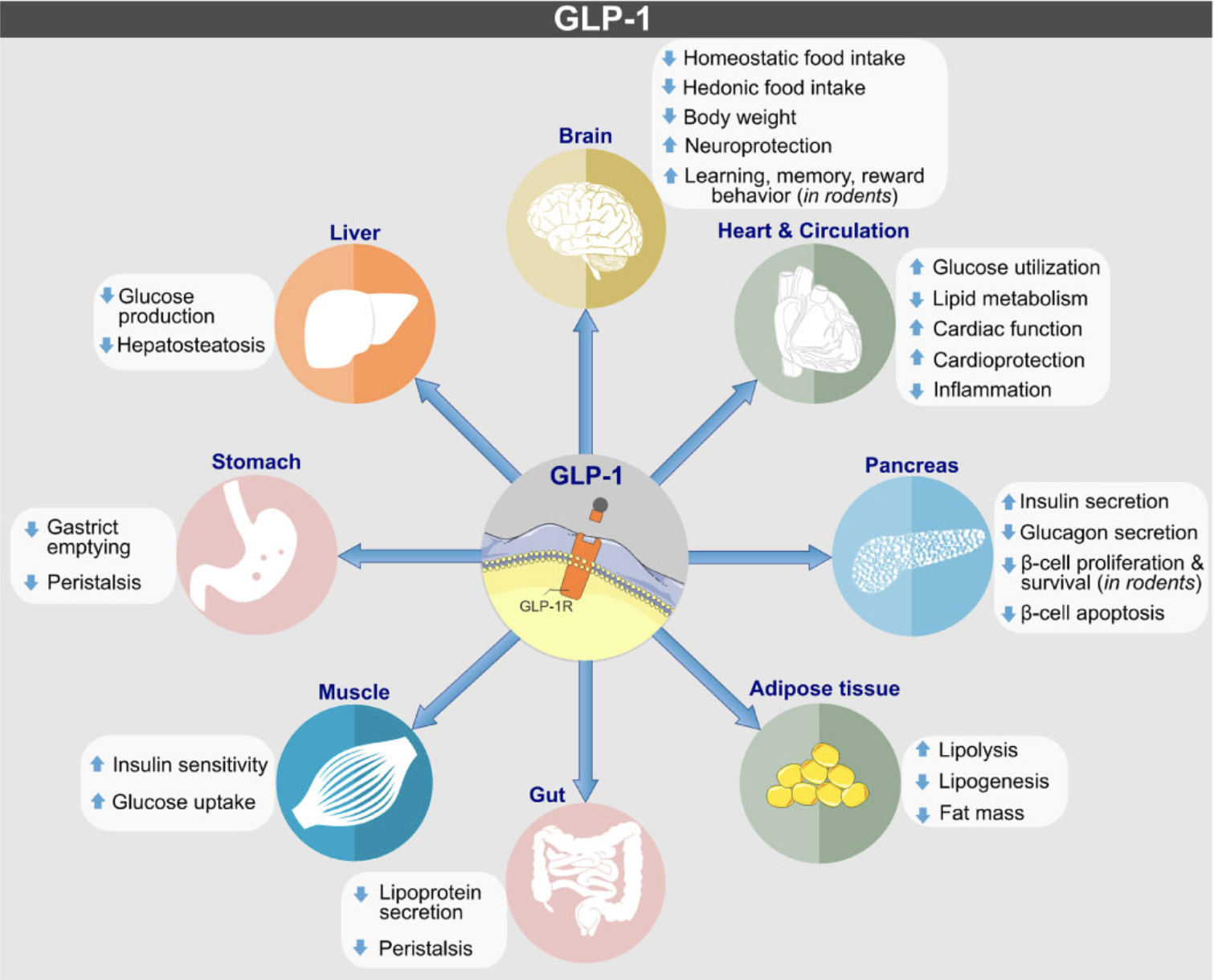
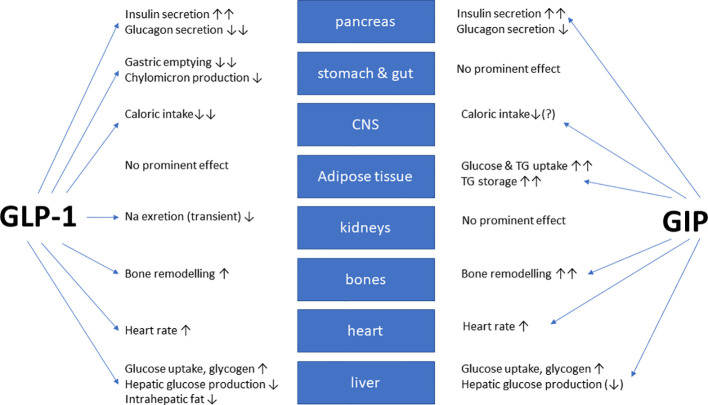
Glucagon-like peptide-1 (GLP-1) is a hormone produced in the gut that plays a crucial role in regulating blood sugar levels by enhancing insulin secretion. GLP-1 and insulin secretion are intricately linked, and understanding the molecular mechanisms behind this process is essential for the development of novel therapeutic strategies for the treatment of type 2 diabetes.
The Role of GLP-1 in Insulin Secretion
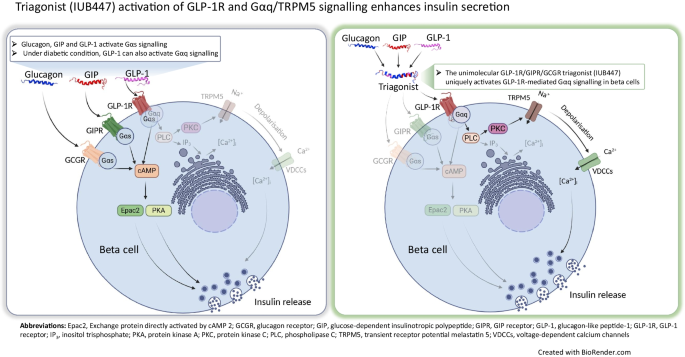
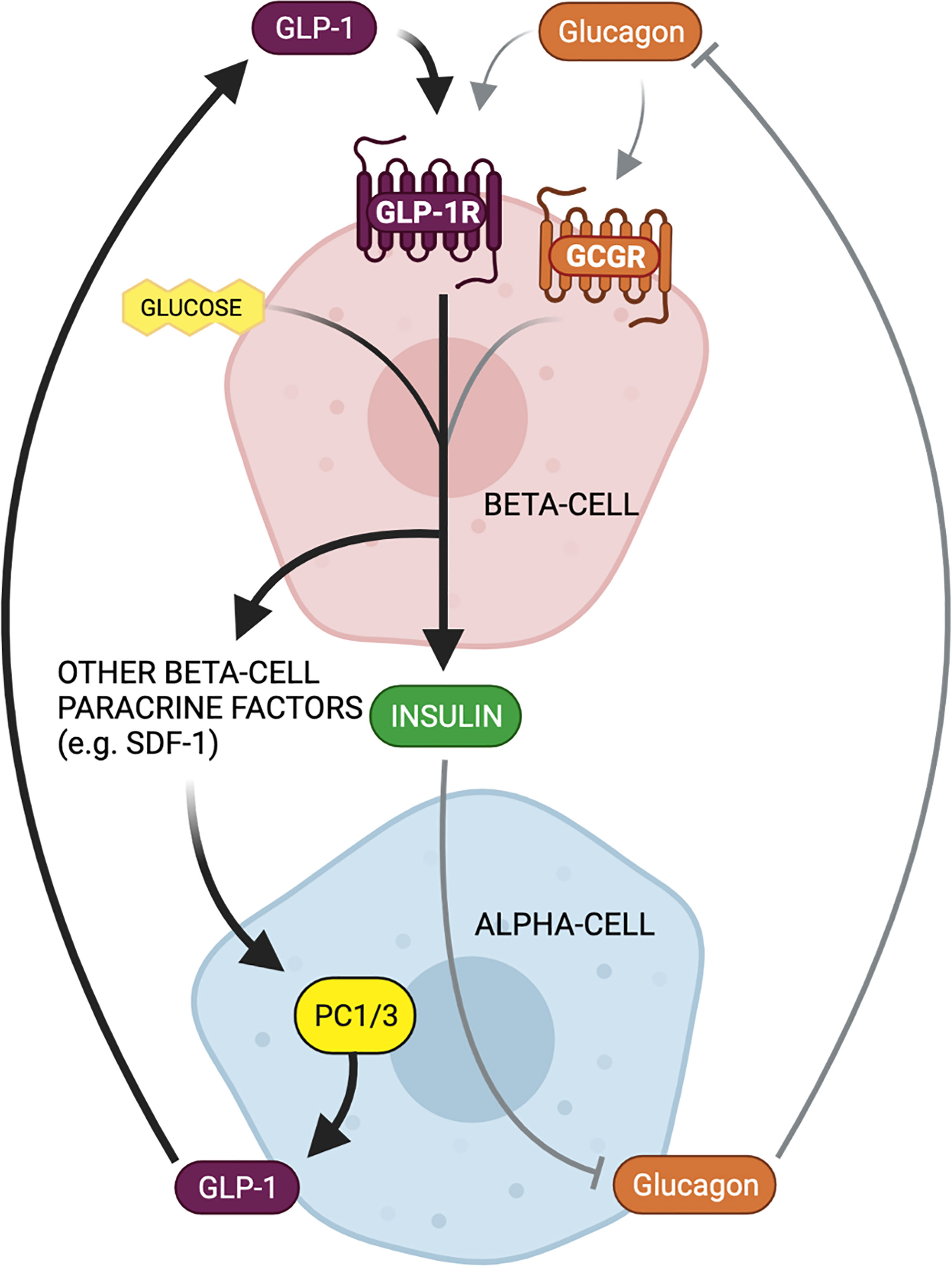
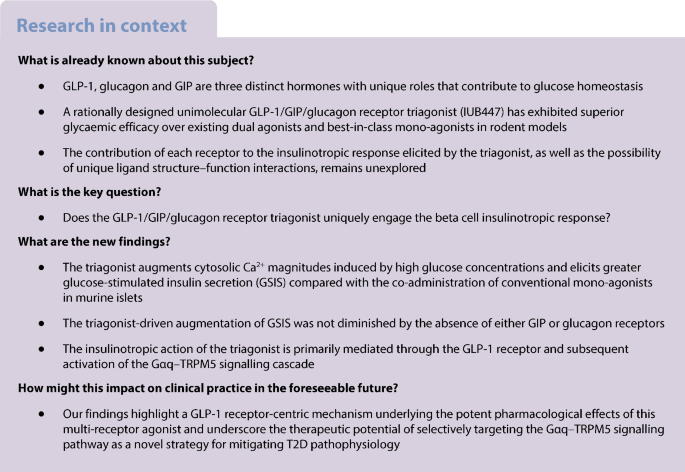
GLP-1 is an incretin hormone that stimulates insulin secretion from pancreatic beta cells in a glucose-dependent manner. This means that GLP-1 only promotes insulin release when blood glucose levels are elevated. The mechanism of action of GLP-1 involves the activation of the GLP-1 receptor, which triggers a cascade of intracellular signaling events that ultimately lead to insulin secretion.

The GLP-1 Receptor and Its Signaling Pathway
The GLP-1 receptor is a class B G protein-coupled receptor that is expressed on the surface of pancreatic beta cells. When GLP-1 binds to the receptor, it activates the Gαs protein, which stimulates adenylate cyclase and increases cyclic AMP (cAMP) levels. Elevated cAMP levels activate protein kinase A (PKA), which in turn phosphorylates and activates the protein phosphatase 1 (PP1). Activated PP1 dephosphorylates and activates the insulin granule priming factor, which ultimately leads to insulin secretion.