GLP-1 and Parallel with Food Tasting and Calorie Regulation: Unraveling the Complex Interplay
The quest to understand the intricacies of glucagon-like peptide-1 (GLP-1) and its relationship with food tasting and calorie regulation has been an active area of research in recent years. GLP-1, a hormone and neuropeptide, plays a critical role in regulating energy homeostasis, primarily through its established central role in controlling food intake. In this article, we delve into the fascinating realm of GLP-1 and its interaction with food tasting and calorie regulation.
Understanding GLP-1
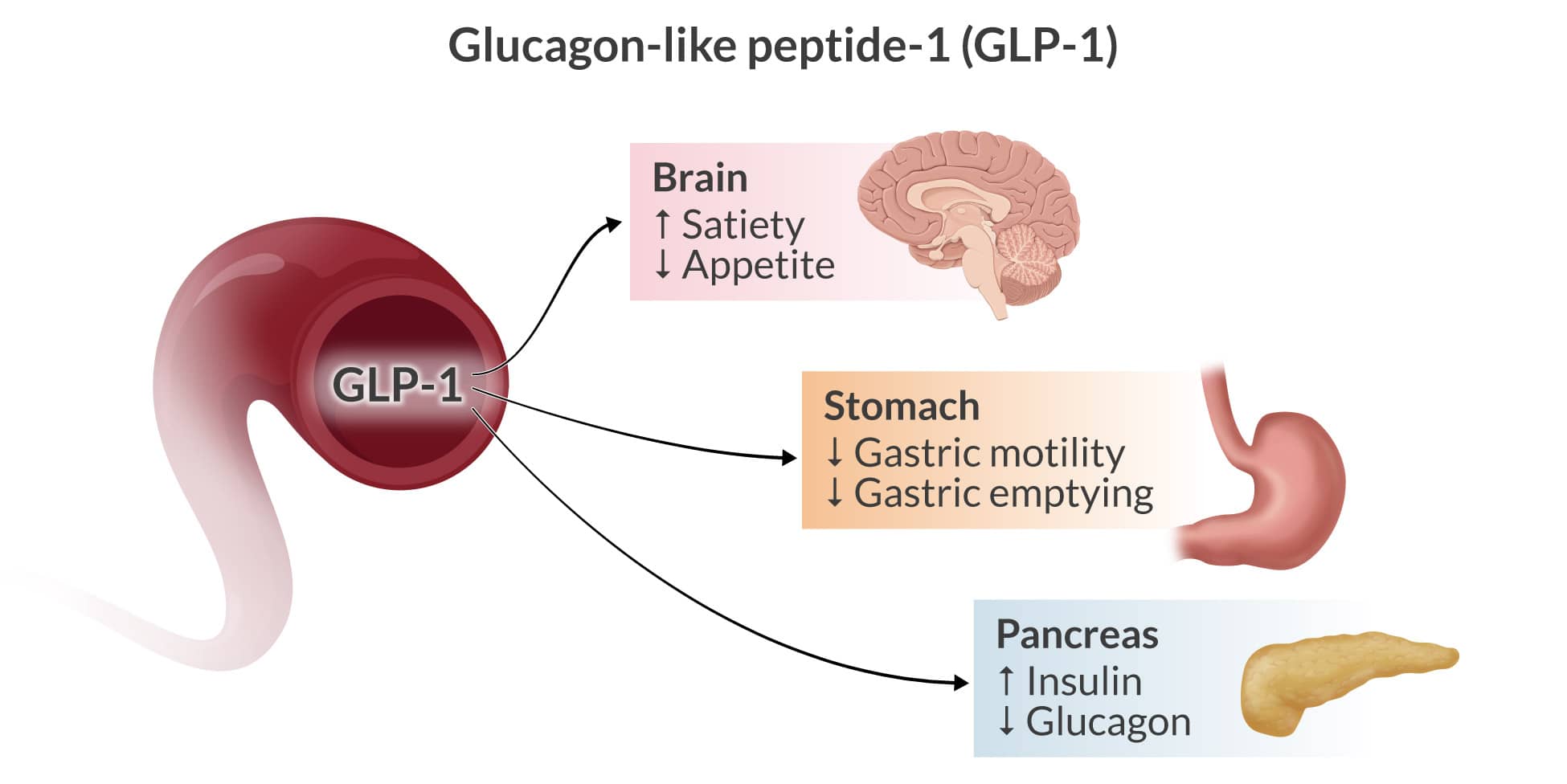
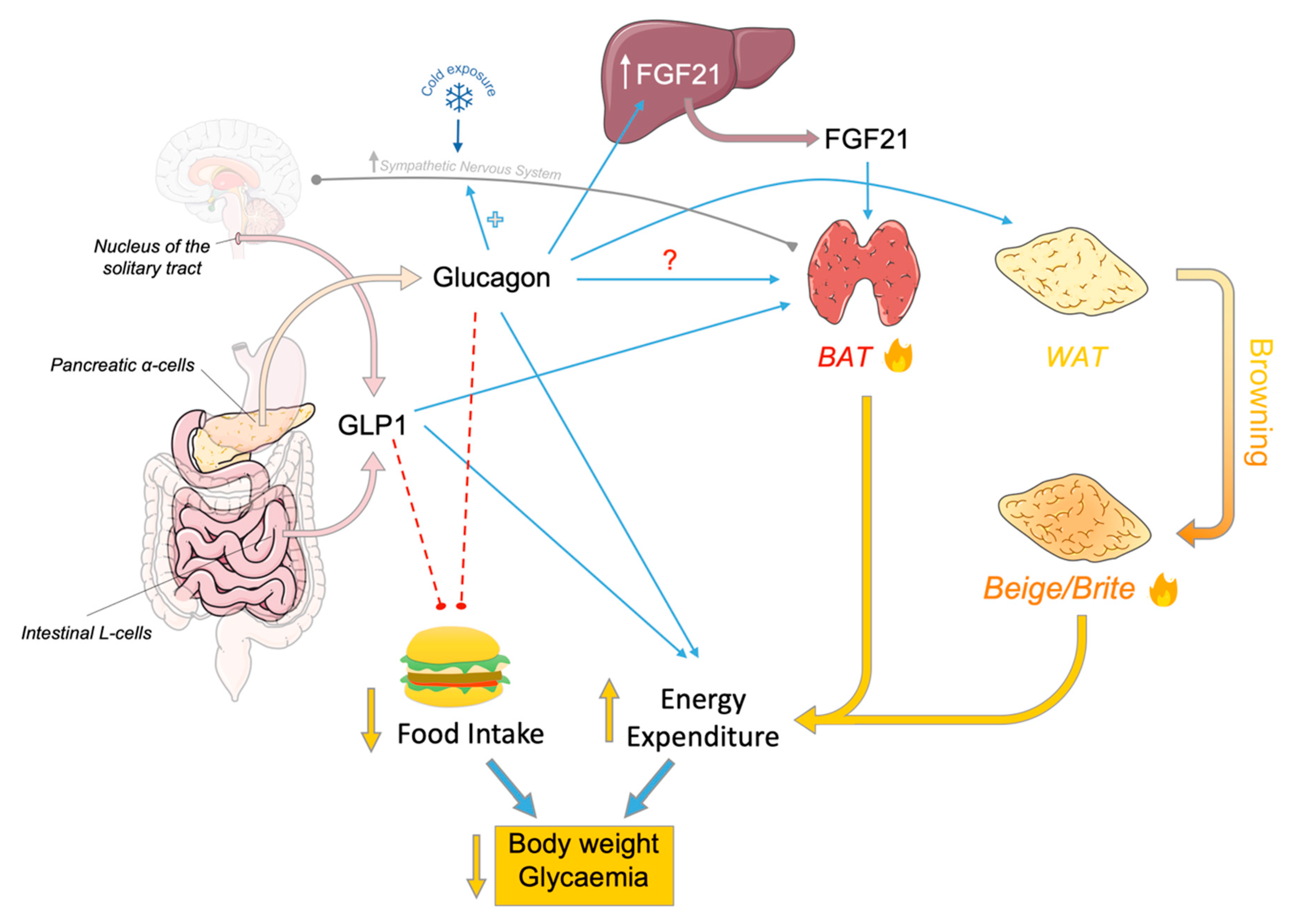
GLP-1 is a hormone produced primarily in the intestines by L cells in response to food intake. It is also found in the brain, where it plays a crucial role in regulating appetite and food intake. The mechanism of action of GLP-1 is complex and multifaceted, involving both peripheral and central signaling pathways.
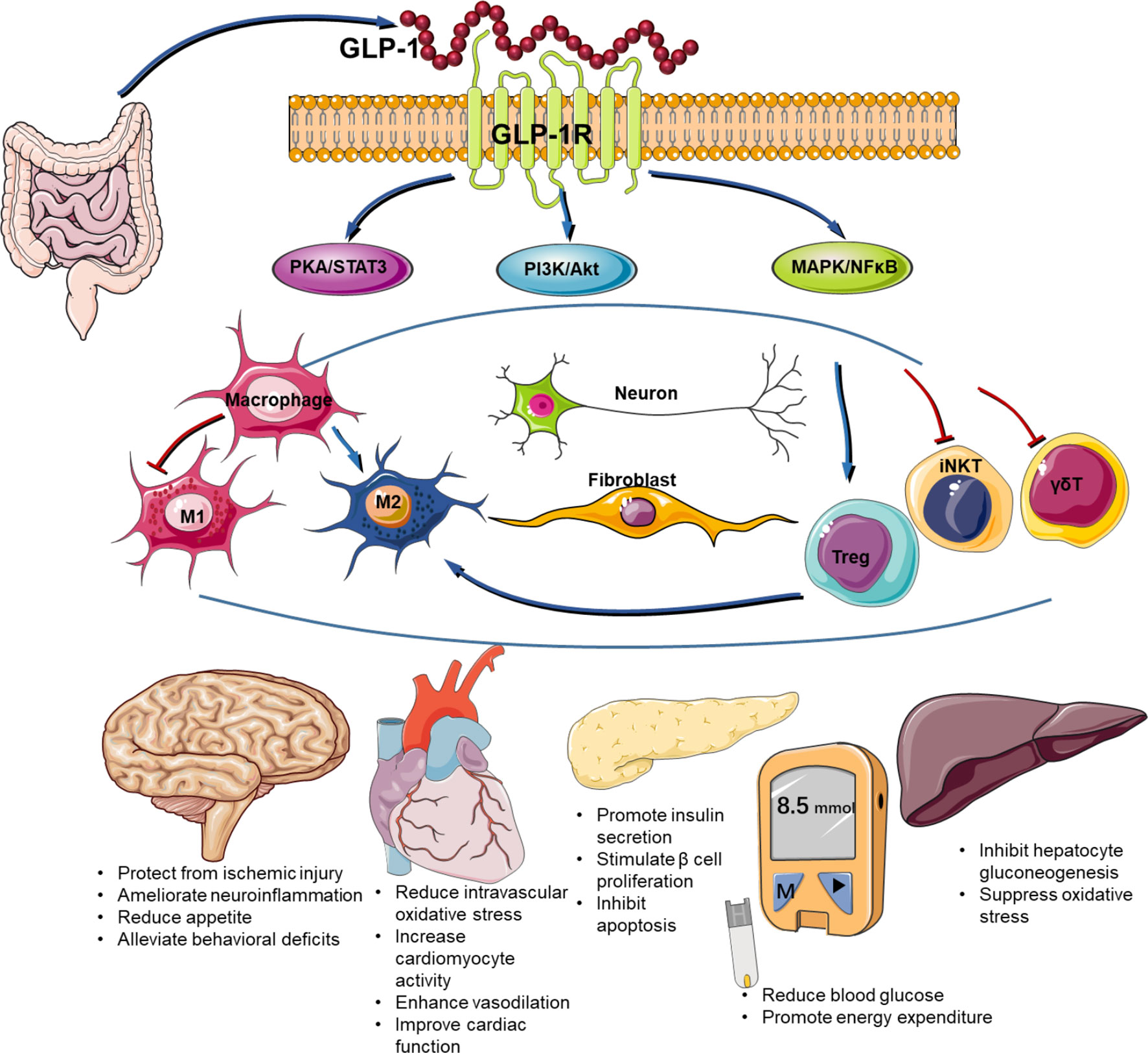
The Role of GLP-1 in Food Tasting and Calorie Regulation
- GLP-1 is known to regulate energy homeostasis by modulating food intake and glucose metabolism.
- Peripheral GLP-1 suppresses food intake and reduces body weight by activating receptors in the brain.
- Central GLP-1 also plays a crucial role in regulating food intake and energy homeostasis by interacting with other hormones and neurotransmitters.