Unlocking the Power of GLP-1 and Probiotics: A Nature-Driven Approach to Optimize Gut Health
Glucagon-like peptide-1 (GLP-1) medications have revolutionized the management of type 2 diabetes and obesity by mimicking the natural hormone glucagon-like peptide-1, impacting satiety and blood sugar levels. However, many individuals taking these medications experience gastrointestinal side effects, leading to a growing interest in exploring alternative approaches to enhance their effects. This article delves into the fascinating relationship between GLP-1 and probiotics, shedding light on how these two natural allies can mutually support each other in promoting optimal gut health.
A Brief Introduction to GLP-1 and Probiotics
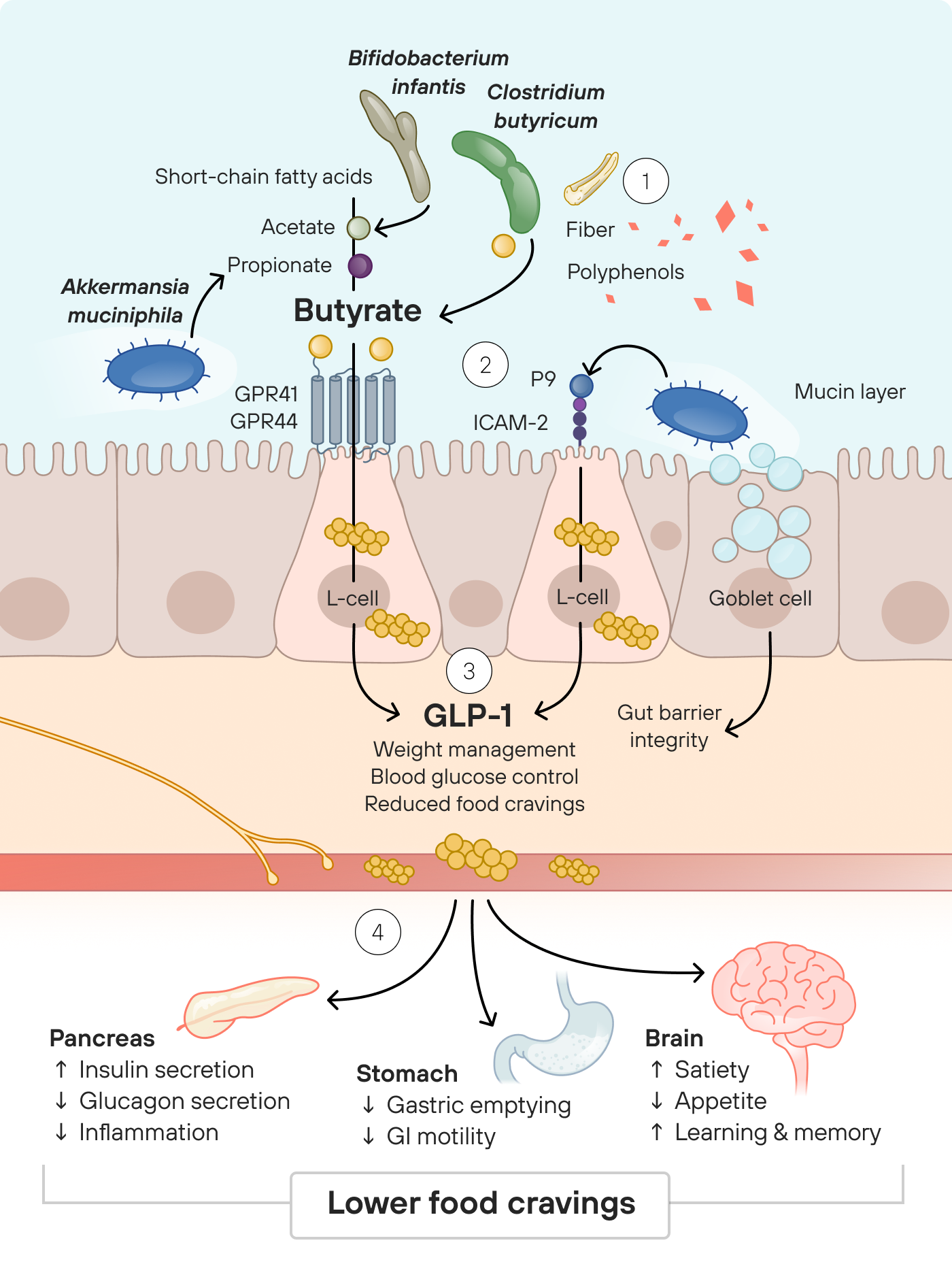
GLP-1 is an incretin hormone produced by intestinal L-cells in response to food intake. It plays a crucial role in lowering blood sugar levels by stimulating insulin production, suppressing glucagon release, and slowing stomach emptying. Recent research has highlighted the gut microbiome's central role in modulating GLP-1 production, suggesting a link between gut bacteria and GLP-1 regulation.
Probiotics, on the other hand, are live microorganisms that confer health benefits when administered in adequate amounts. The gut microbiome's diverse community of beneficial bacteria can contribute to the suppression of pathogens, improved digestion, and enhanced immune function. As the complex interplay between GLP-1 and the gut microbiome becomes increasingly evident, researchers have turned their attention to exploring how specific probiotic strains might interact with GLP-1 to foster even greater metabolic benefits.