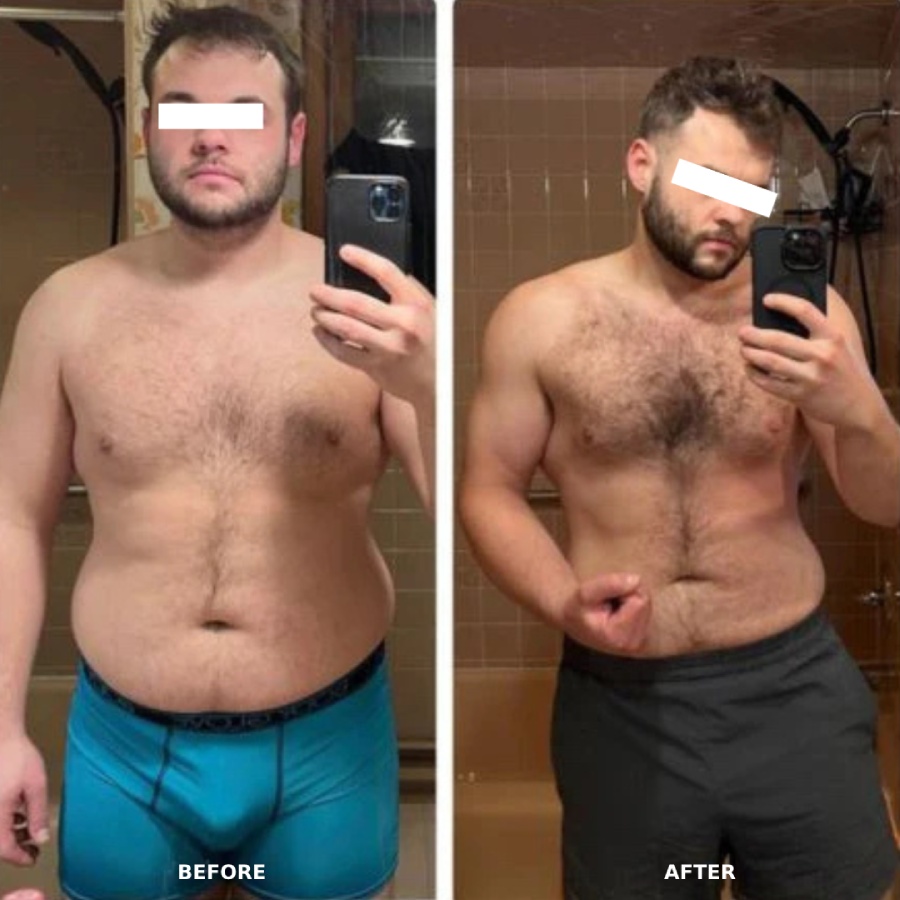
GLP-1 and Surgery for Weight Loss: Understanding the Complexities
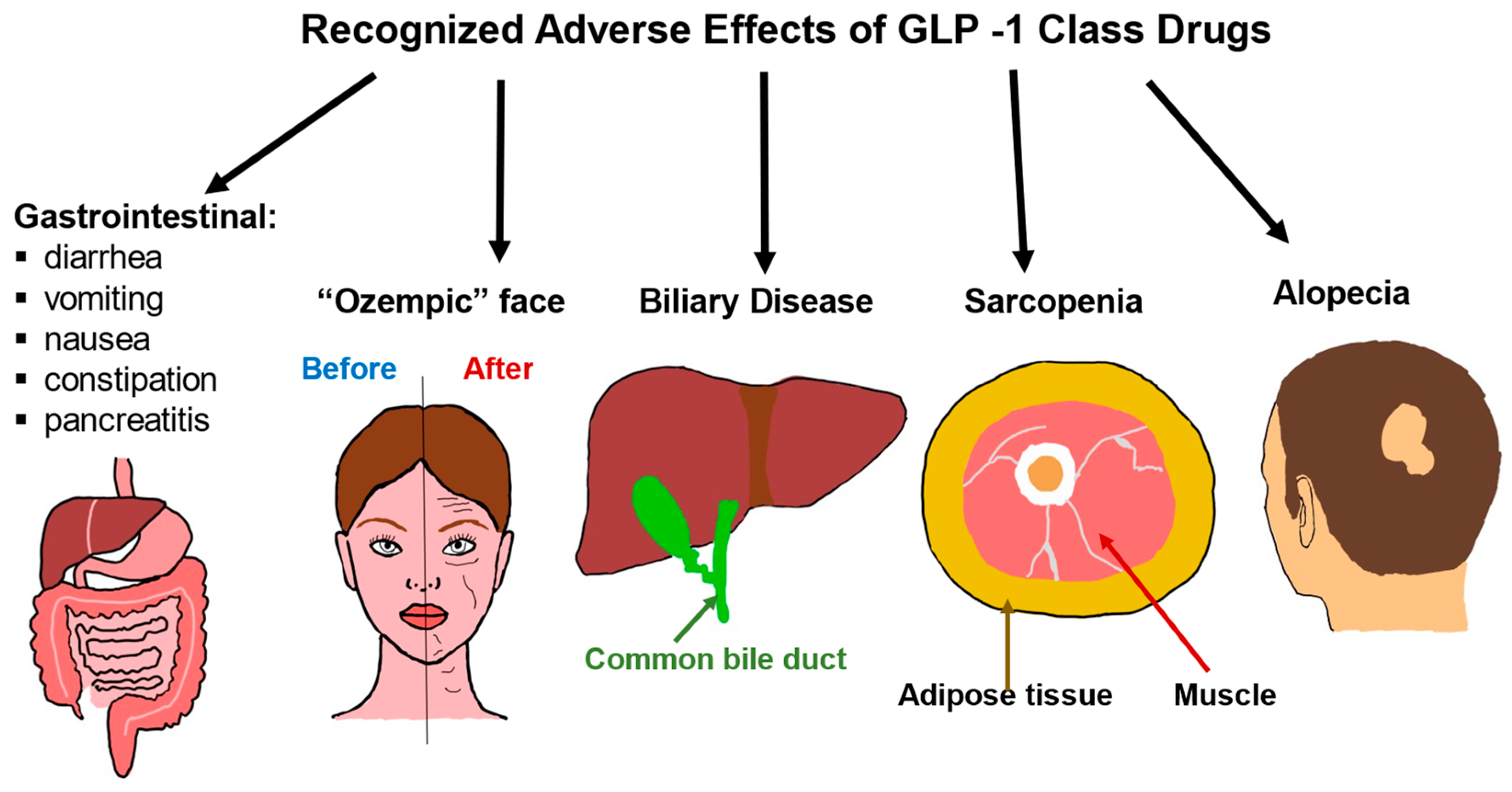
Obesity is a multifaceted condition influenced by various factors, including genetics, environmental factors, medications, and lifestyle choices. Many individuals struggle for years to achieve and maintain significant weight loss. In recent years, glucagon-like peptide-1 (GLP-1) receptor agonists (GLP-1) and bariatric surgery have emerged as two promising approaches to tackle obesity and its related comorbidities.
GLP-1: A Medicinal Breakthrough for Weight Loss
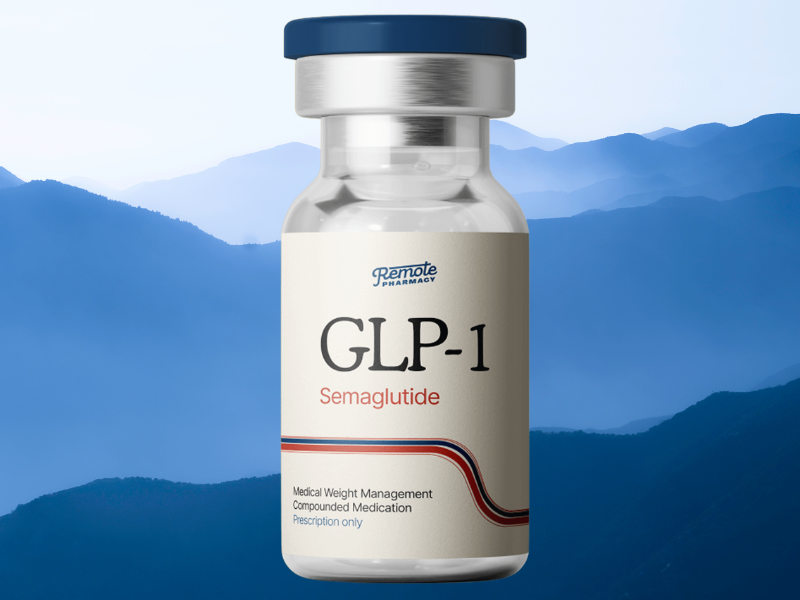
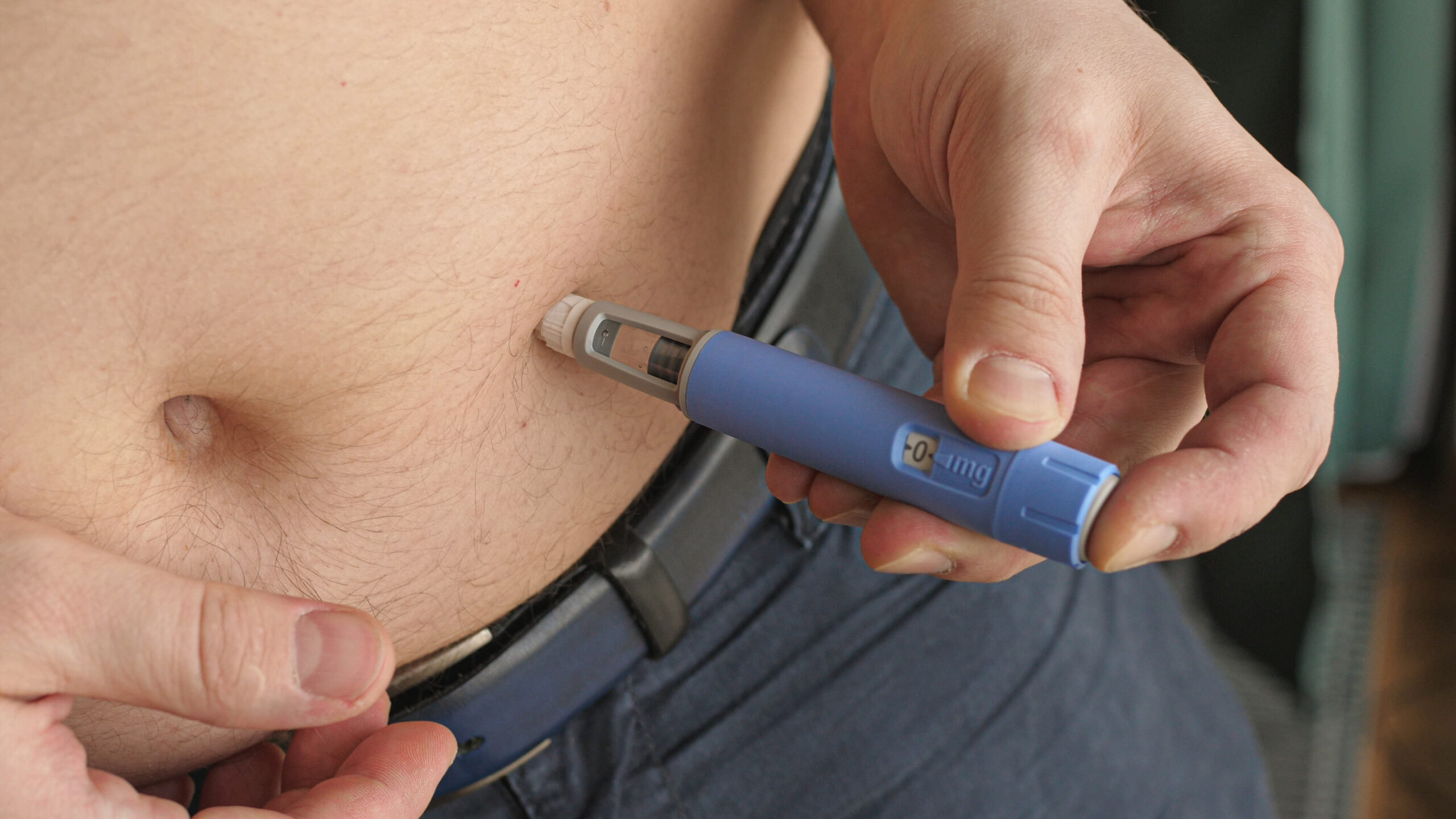
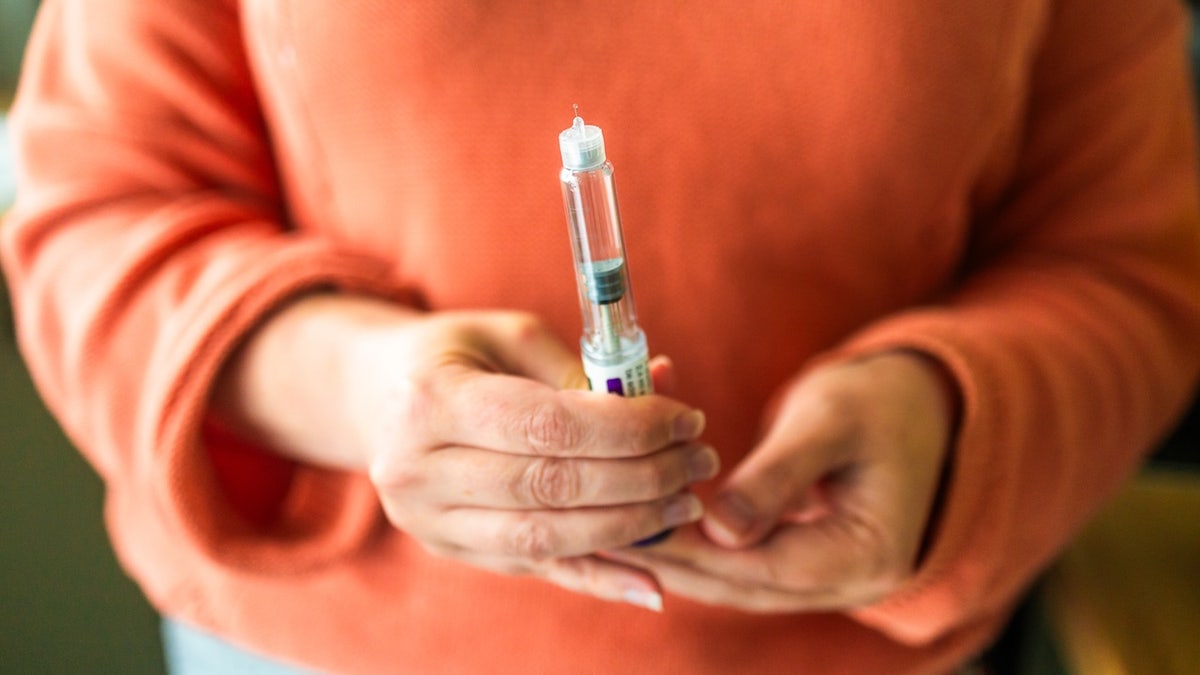
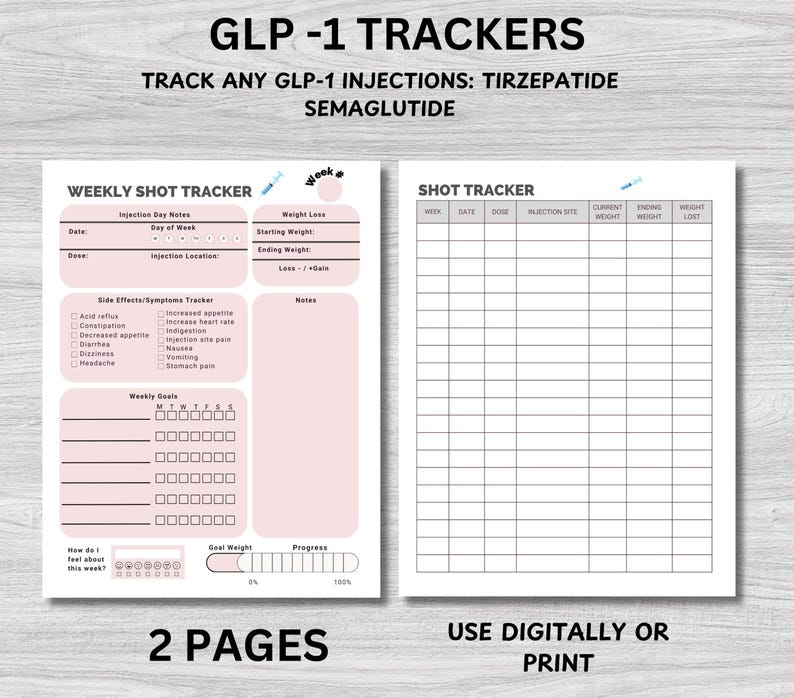
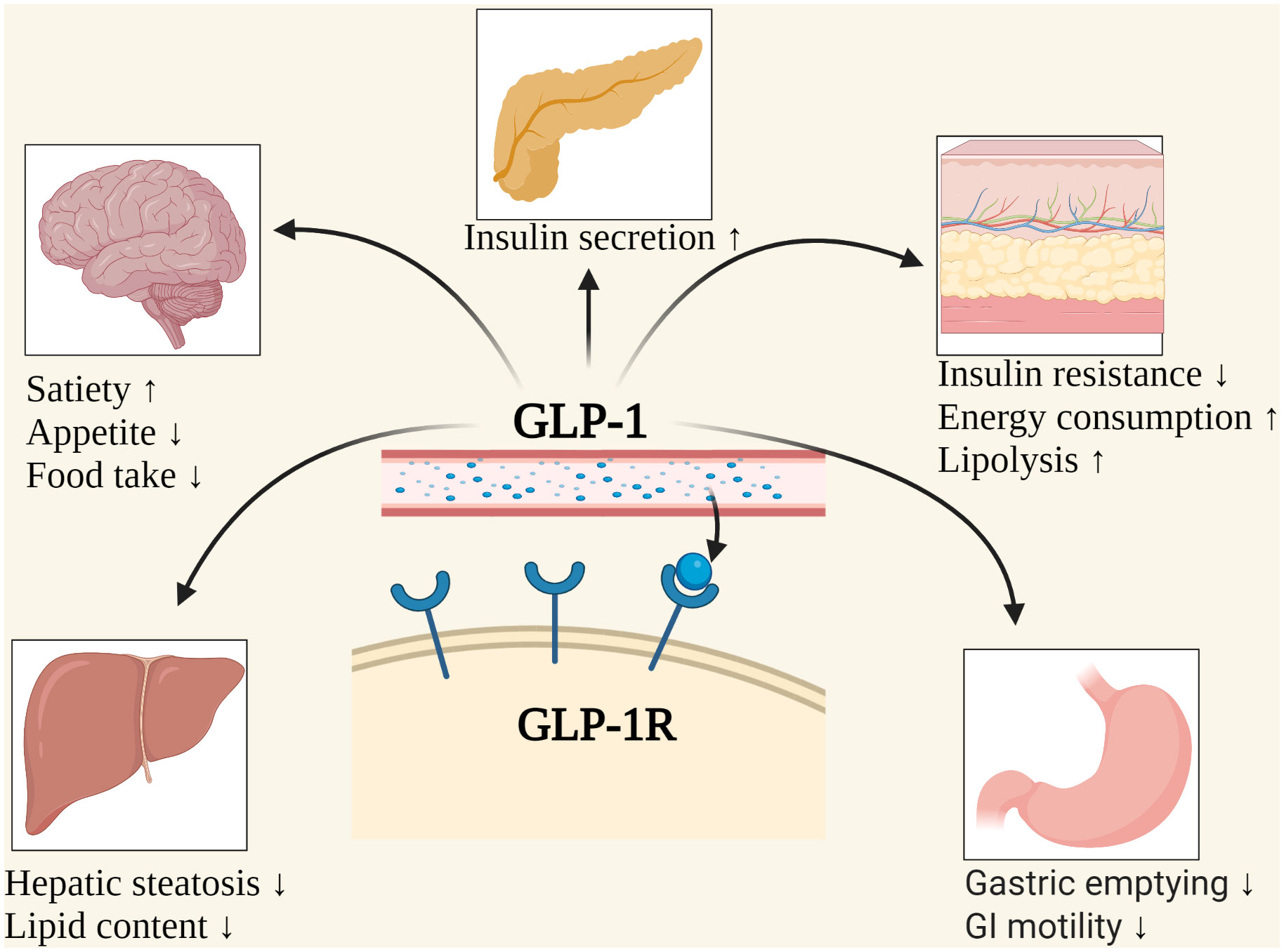
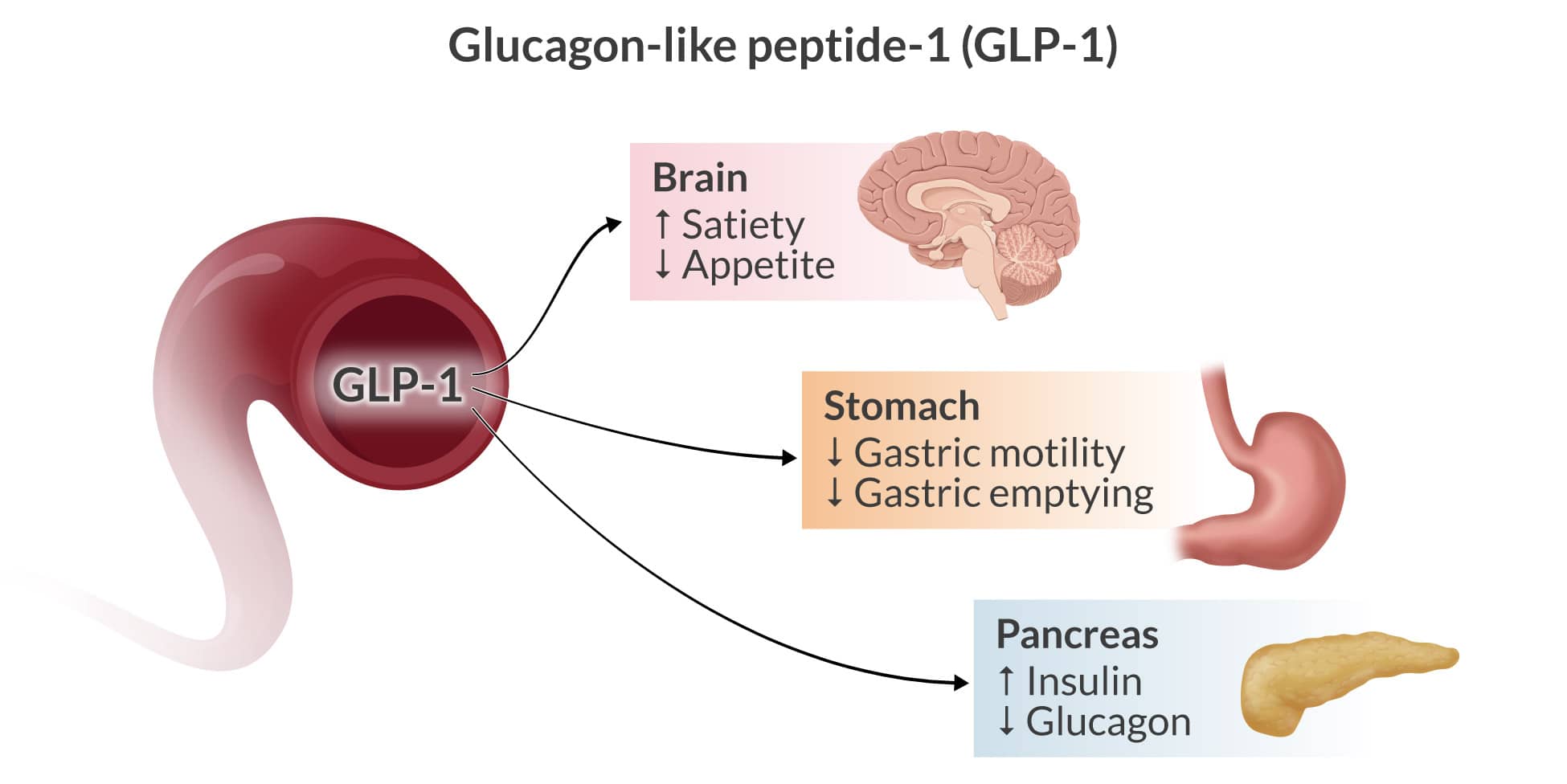
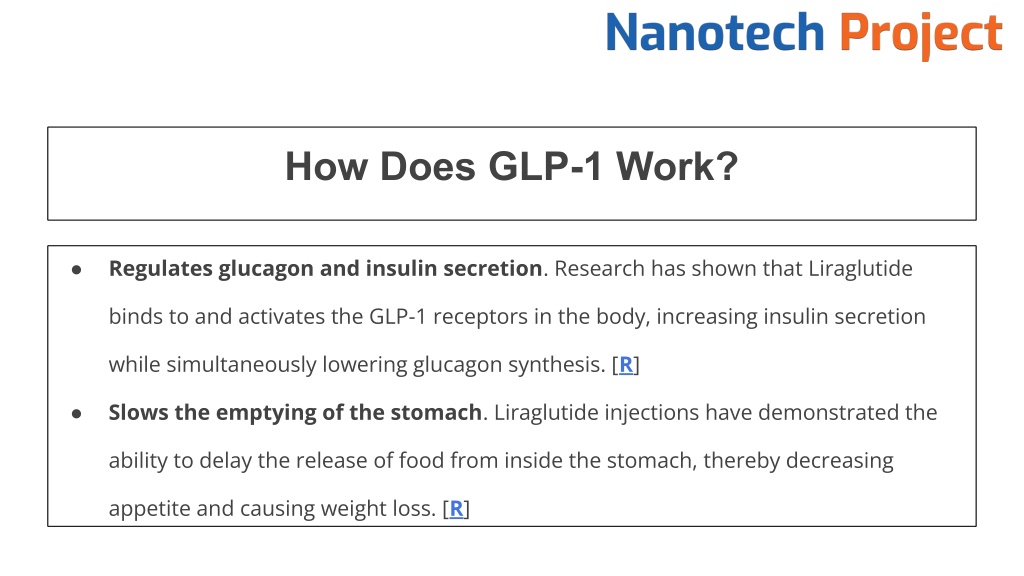
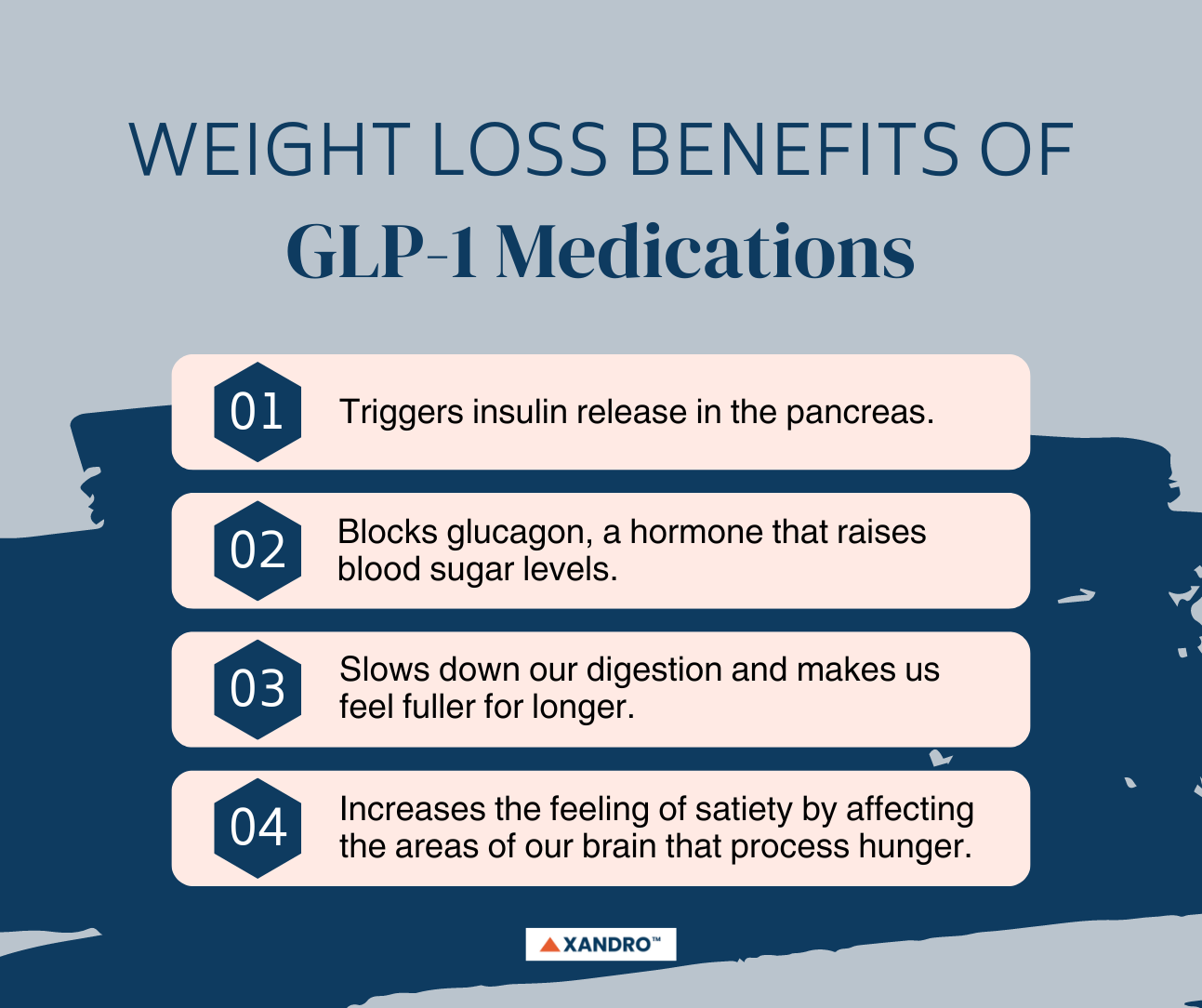
GLP-1s, such as Wegovy (semaglutide) and Zepbound (tirzepatide), are injectable medications initially designed to treat type 2 diabetes. These medications have been shown to promote weight loss, improve blood sugar control, and reduce the risk of certain cancers. They work by enhancing the body's natural GLP-1 hormone, which regulates appetite, satiety, and glucose metabolism.
Bariatric Surgery: A Radical yet Effective Approach
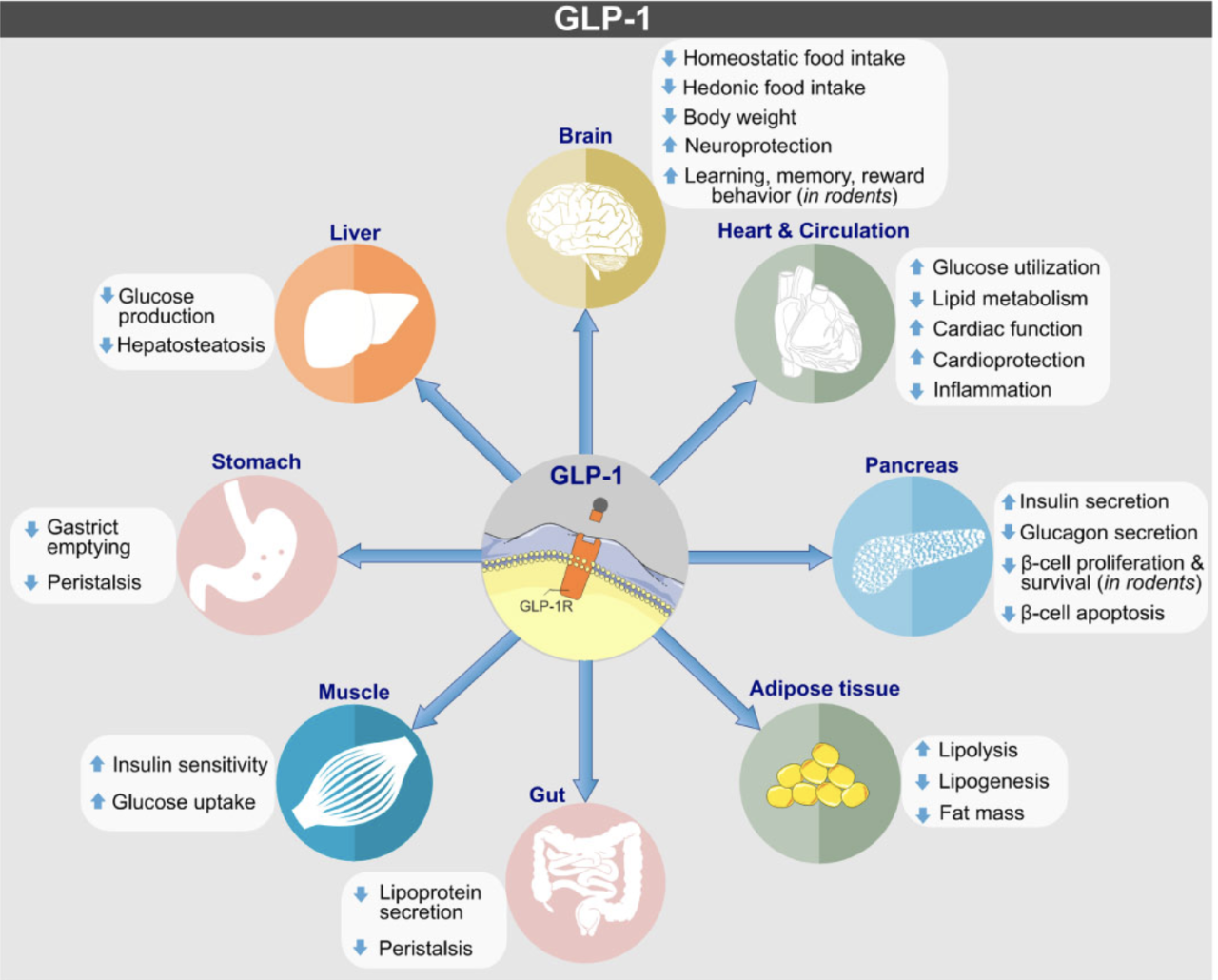
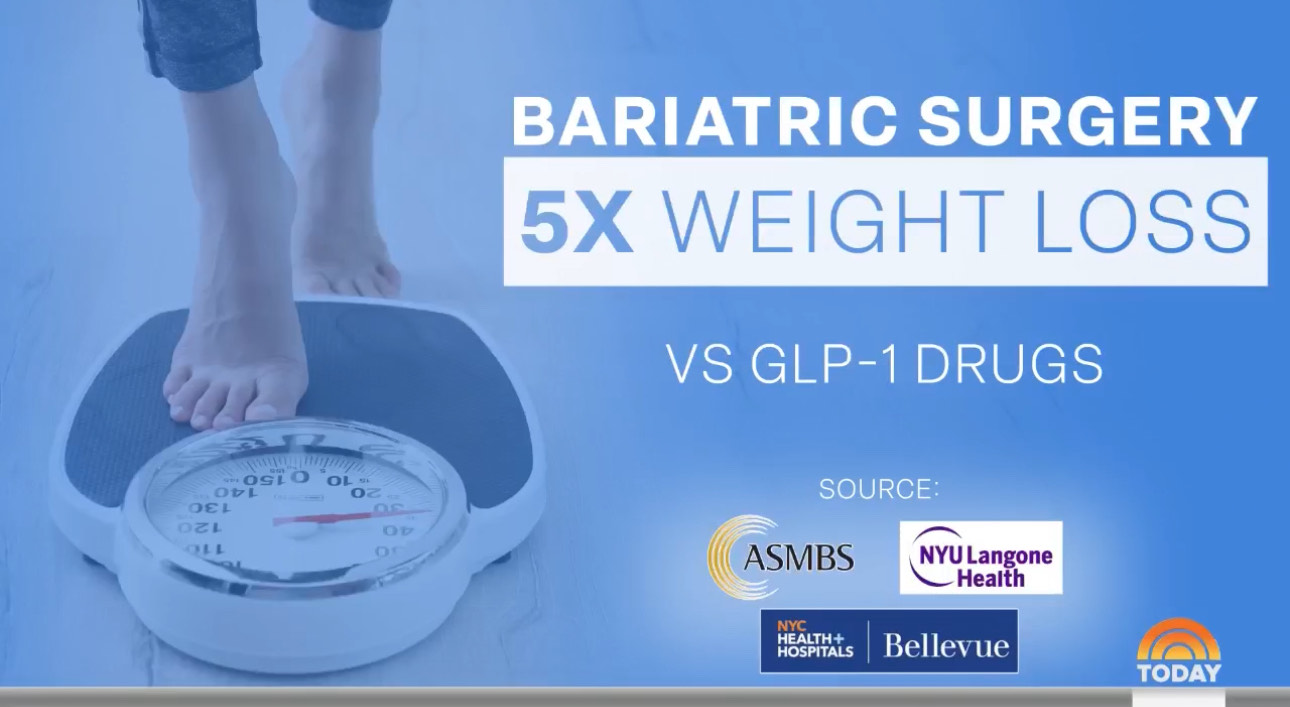
Bariatric surgery, such as gastric bypass and sleeve gastrectomy, remains the most effective treatment for obesity. While surgery is often seen as a drastic measure, research suggests that it can lead to significant and sustainable weight loss, improved metabolic health, and reduced risk of chronic diseases like heart disease, stroke, and cancer.
The Intersection of GLP-1 and Surgery for Weight Loss
Studies have explored the use of GLP-1 analogues as adjunct therapies to bariatric surgery, either preoperatively or postoperatively. The rationale is that combining these approaches may help optimize weight loss and improve health outcomes. However, the relationship between GLP-1 and surgery is complex, and more research is needed to fully understand their interactions.






-(1).png?sfvrsn=c236e848_3 "GLP-1 and Muscle Loss: How to Preserve Lean Mass During Weight Loss")