Unlocking the Secrets of GLP-1 Medication and Joint Health Effects: What You Need to Know
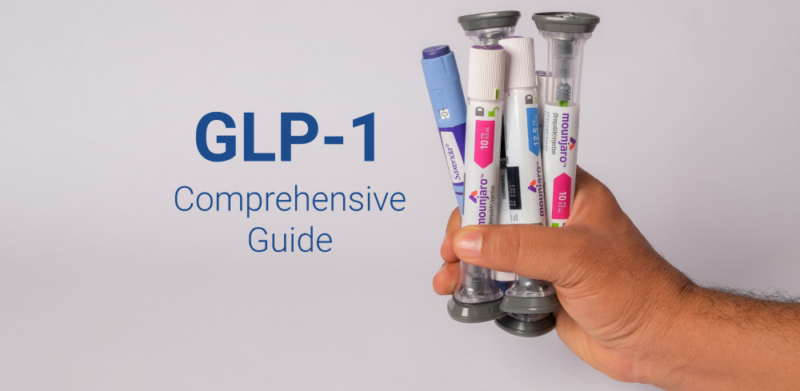
The use of glucagon-like peptide-1 receptor agonists (GLP-1RAs), also known as GLP-1 medications, has grown exponentially over the past few years, with millions of people around the world opting for these medications to manage their weight and type 2 diabetes. However, a concern has been raised about the potential impact of these medications on joint health. In this article, we will delve into the effects of GLP-1 medication on joint health, exploring the latest studies, research, and expert opinions on the matter.
What are GLP-1 Medications, and How Do They Work?
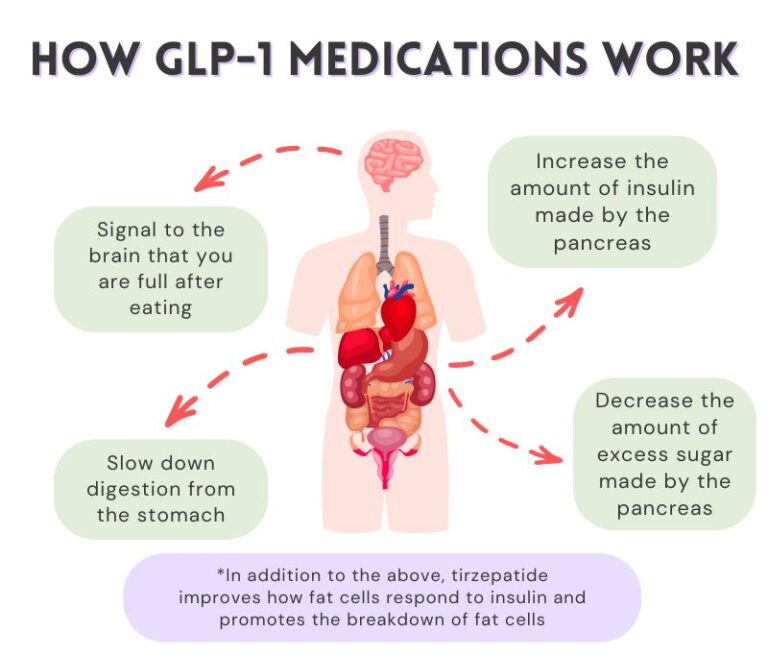
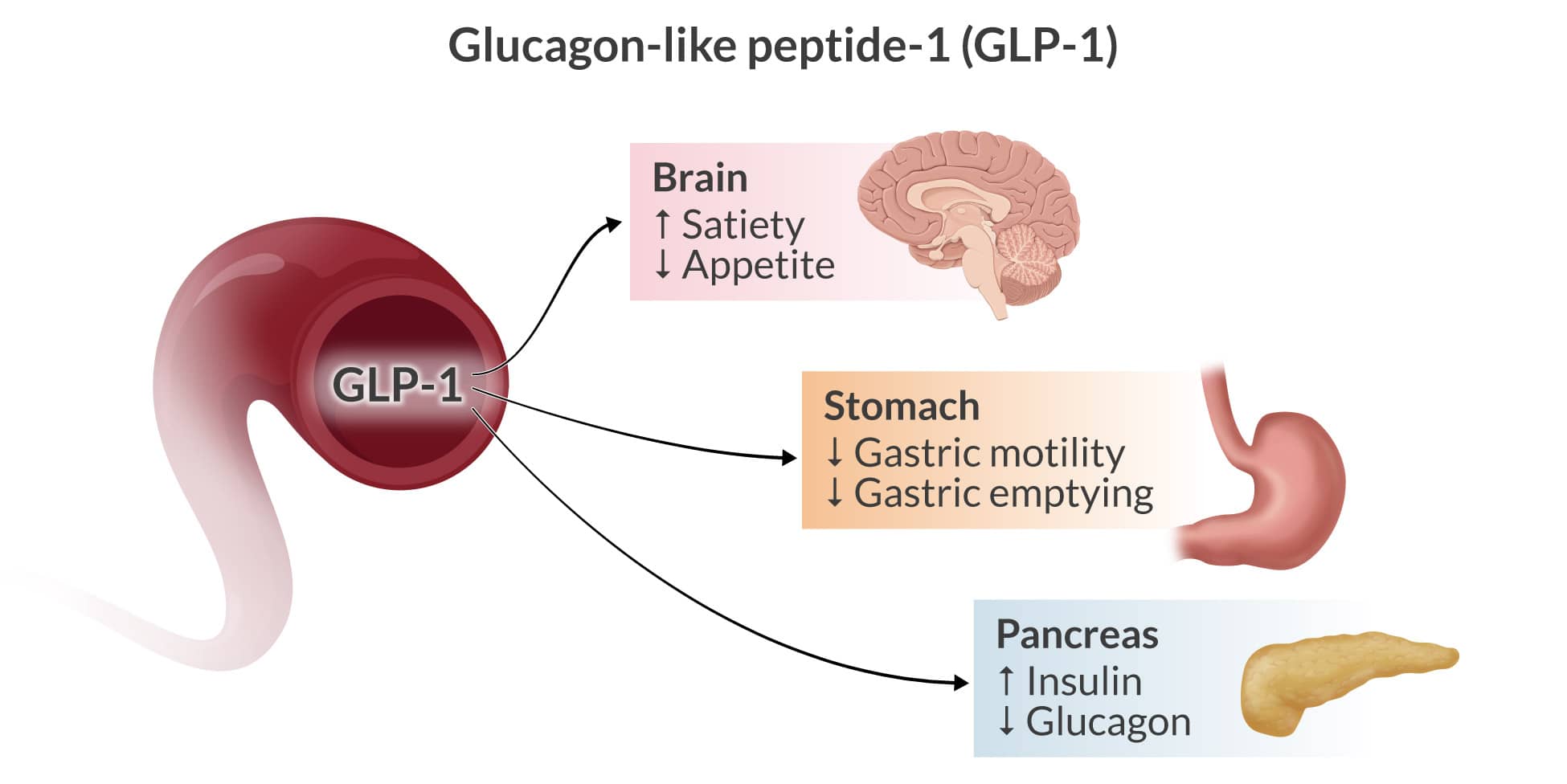
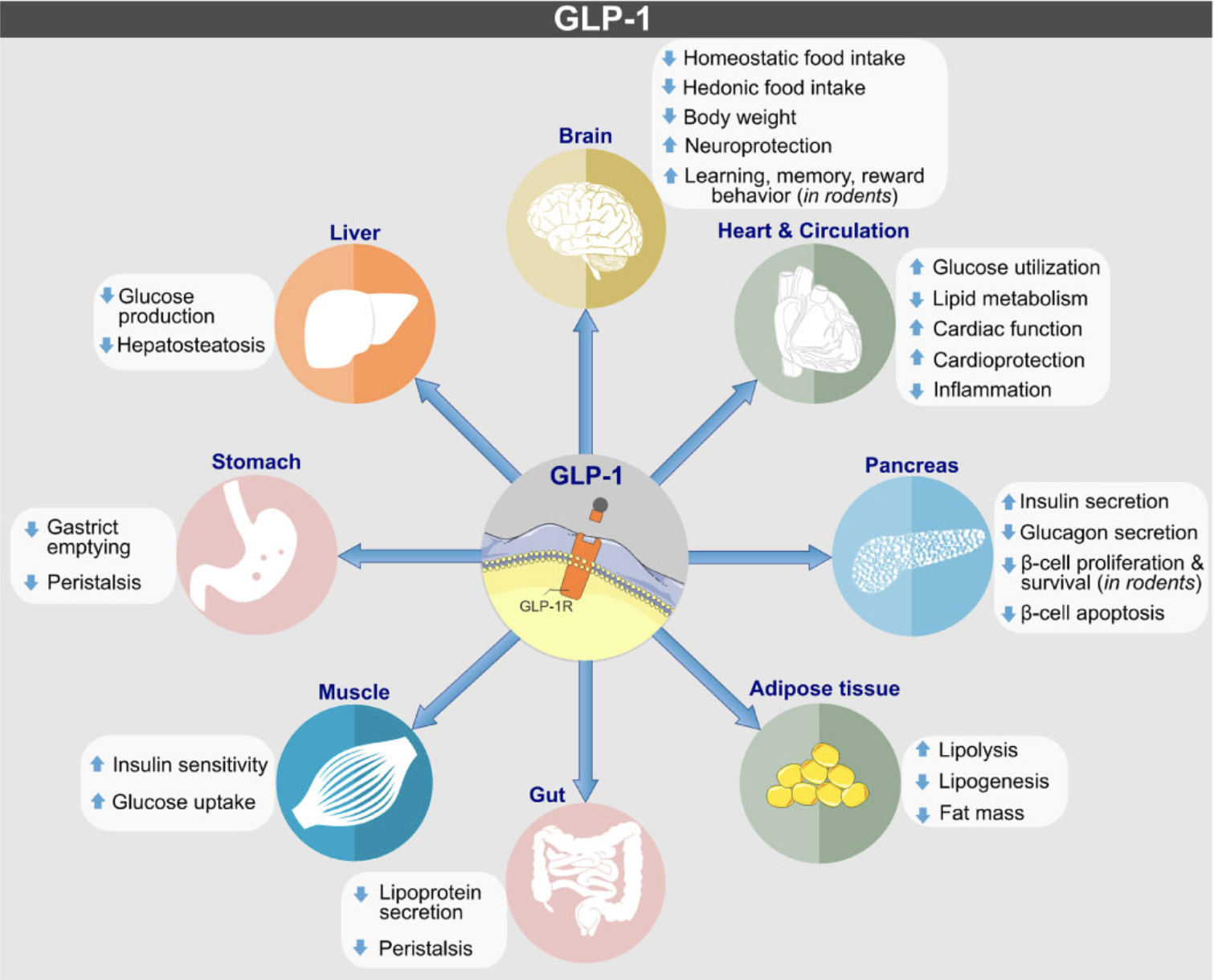
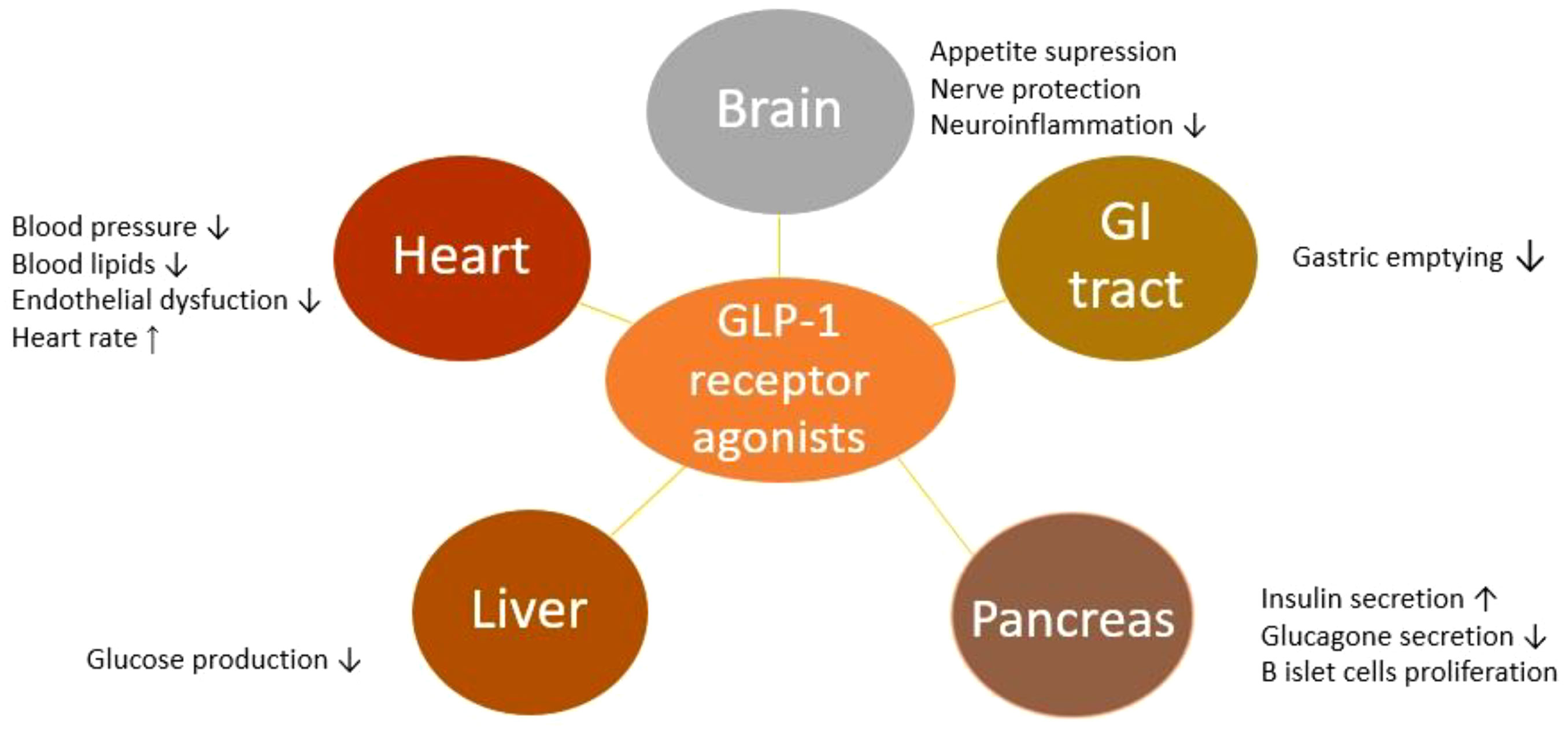
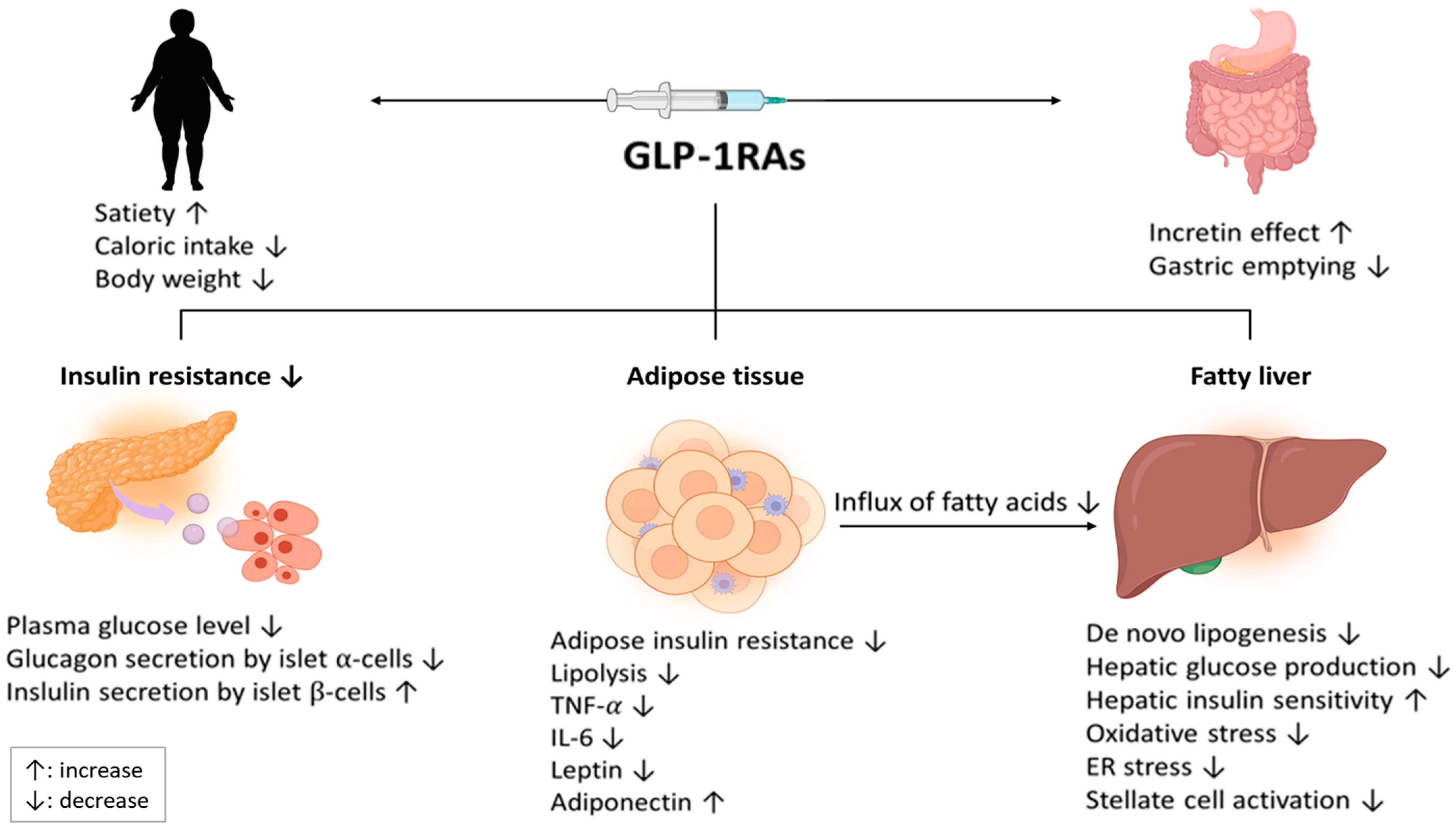
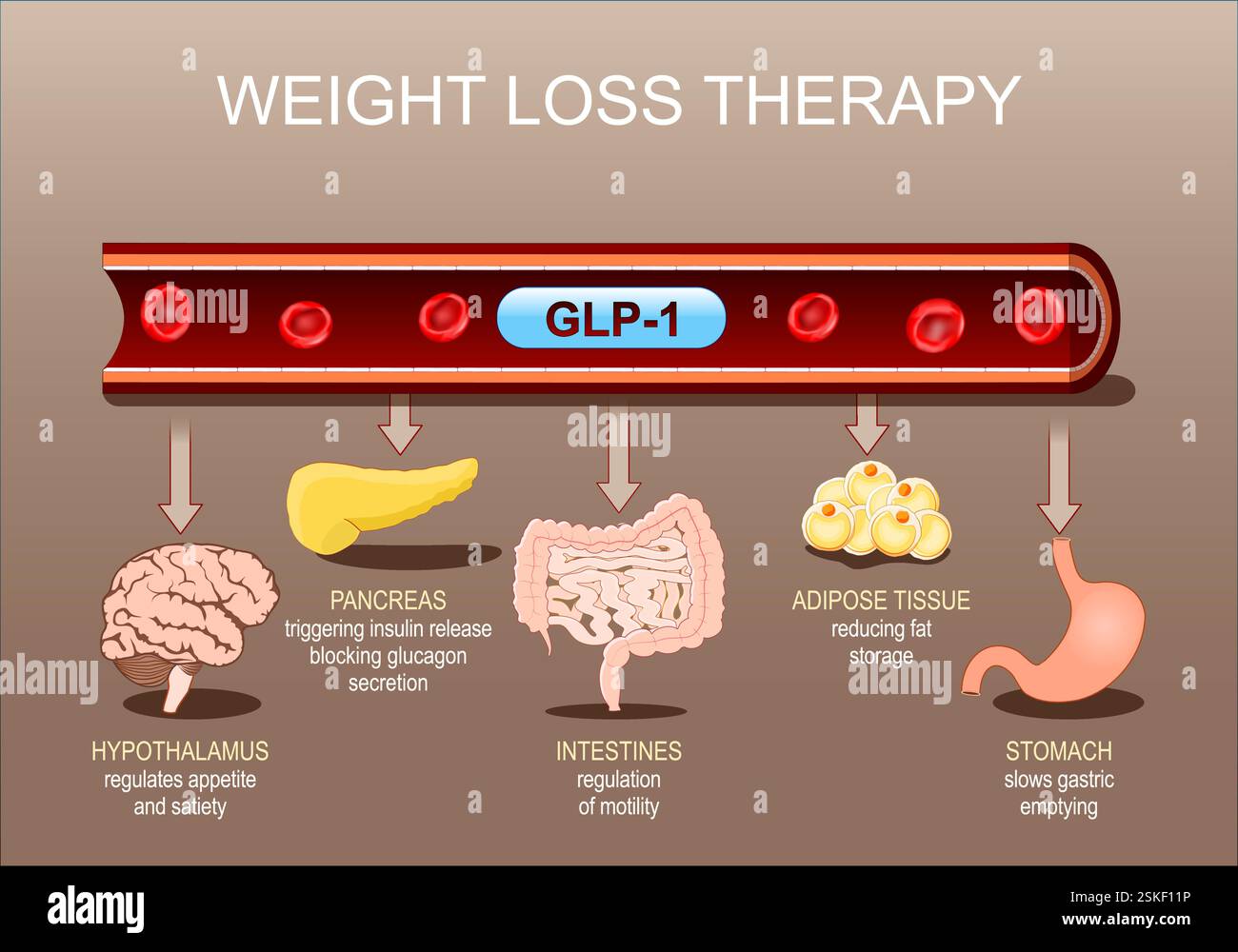
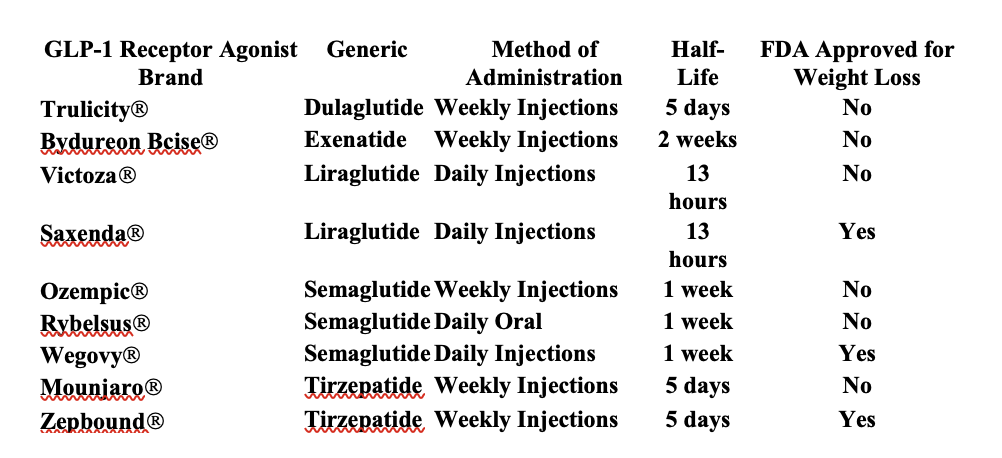
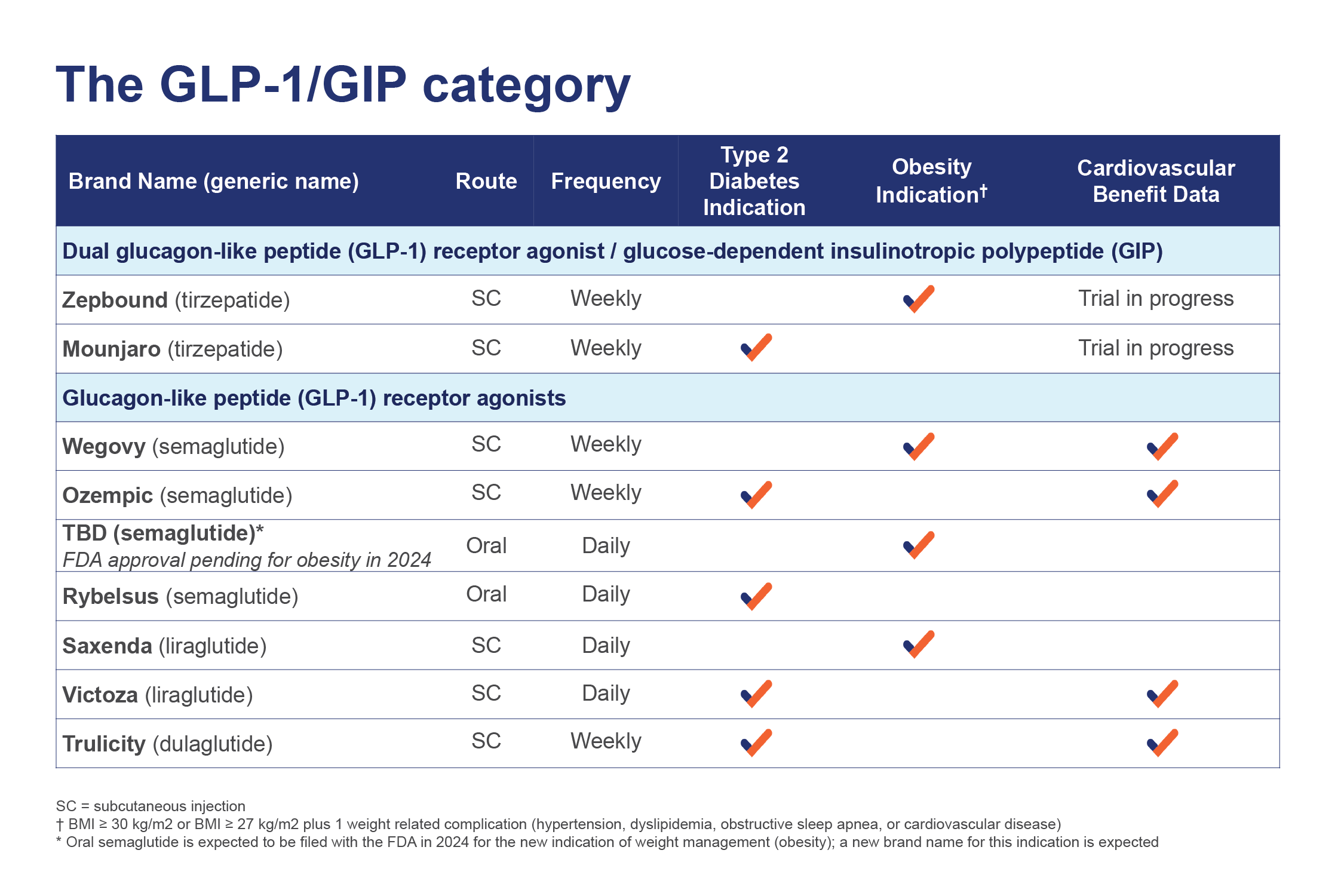
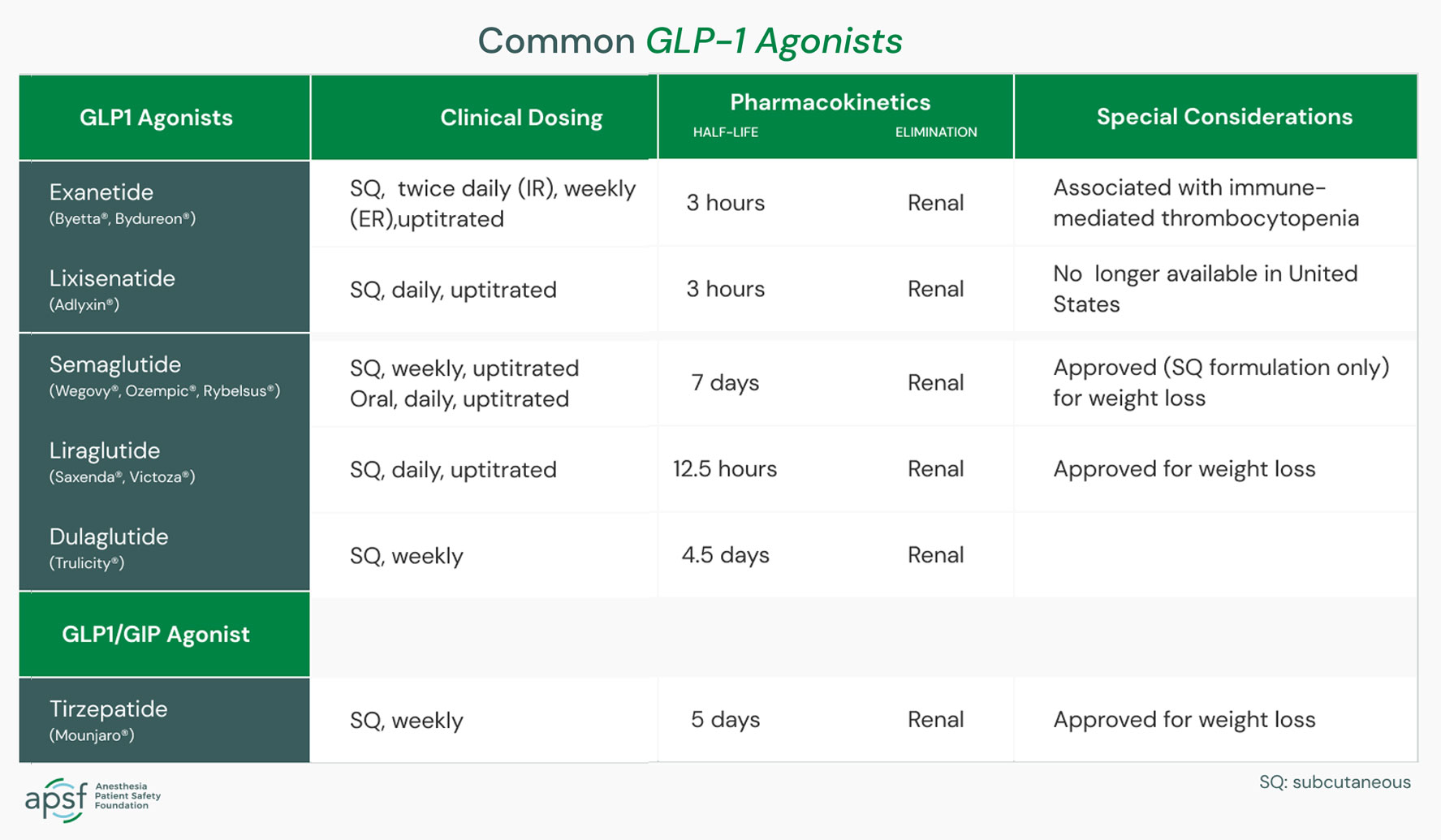
GLP-1 medications work by mimicking the natural hormone GLP-1, which is produced in the gut. This hormone regulates appetite and blood sugar levels, helping individuals with type 2 diabetes manage their glucose levels more effectively. GLP-1 medications, such as semaglutide, are synthetic versions of this hormone, which are administered through injections or oral tablets.

GLP-1 Medications and Joint Health: Separating Fact from Fiction
Some studies have suggested a potential link between GLP-1 medications and joint pain or inflammation. However, a recent review of 32 clinical trials involving more than 90,000 participants found that GLP-1 medications had no significant effects on joint health. In fact, many of these studies showed that GLP-1 medications may even reduce joint pain and inflammation, particularly in individuals with obesity-related inflammation.