GLP-1 Therapy for Insulin-Dependent Diabetes Treatment: A Groundbreaking Approach
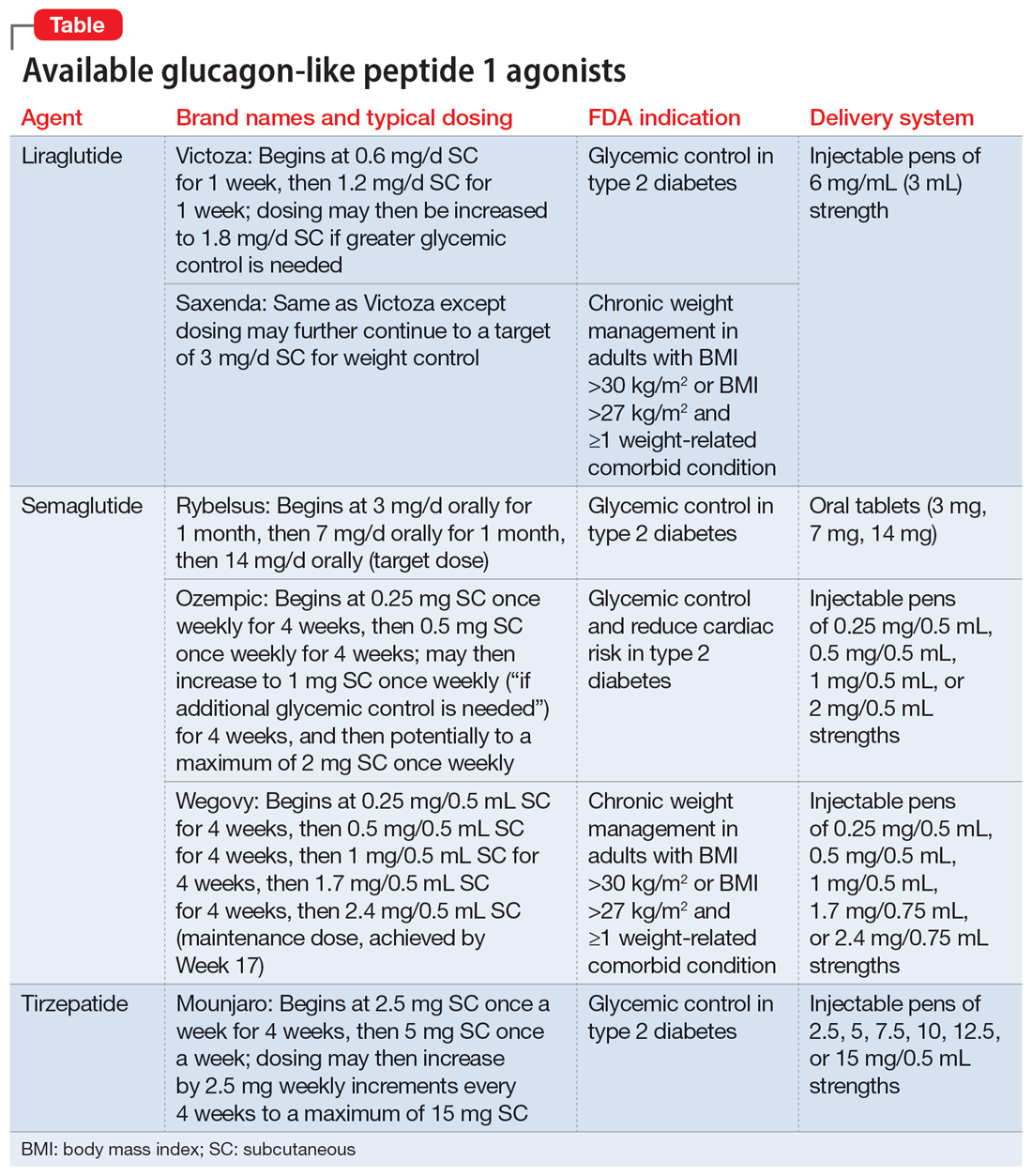
Diabetes is a chronic and complex condition that requires effective management to prevent complications and improve quality of life. In recent years, glucagon-like peptide-1 (GLP-1) therapy has emerged as a promising approach for treating insulin-dependent diabetes. GLP-1 agonists have revolutionized the field of diabetes treatment by improving glycemic control, reducing weight, and enhancing cardiovascular health.
Understanding GLP-1 and Its Role in Diabetes Treatment
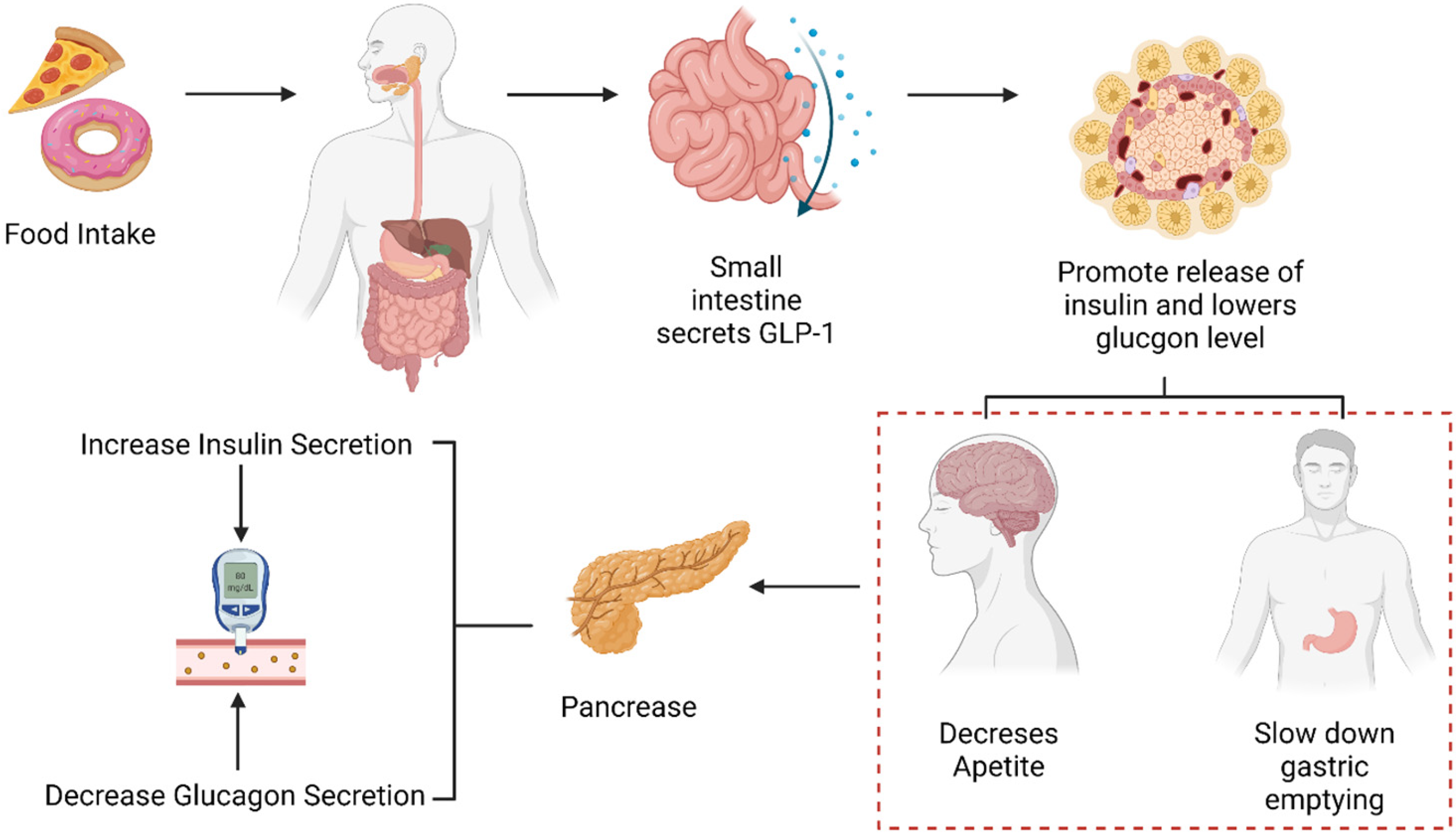
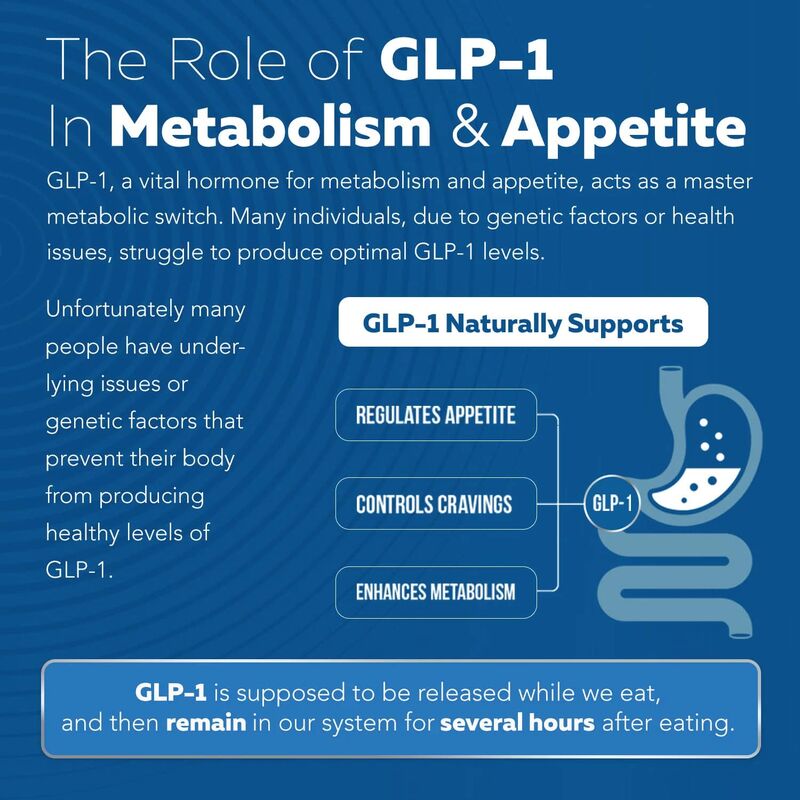
GLP-1 is an incretin hormone that plays a crucial role in glucose metabolism. It is secreted by the intestines in response to food intake and stimulates the release of insulin from the pancreas. In individuals with diabetes, GLP-1 levels are often decreased, leading to impaired insulin secretion and hyperglycemia. GLP-1 agonists mimic the action of natural GLP-1, enhancing insulin secretion and suppressing glucagon release in a glucose-dependent manner.
The Benefits of GLP-1 Therapy for Insulin-Dependent Diabetes

GLP-1 therapy has been shown to be highly effective in improving glycemic control in individuals with insulin-dependent diabetes. Studies have demonstrated that GLP-1 agonists can:
- Improve hemoglobin A1c (HbA1c) levels
- Reduce fasting plasma glucose levels
- Decrease body weight
- Enhance cardiovascular health
- Reduce the risk of major adverse cardiovascular events (MACE)