Unlocking the Power of GLP 1 Receptor Agonists and Time-Restricted Eating Benefits
Obesity remains a major global health challenge, with glucagon-like peptide-1 receptor agonists (GLP-1 RAs) providing substantial benefits in weight reduction, glycemic control, and cardiovascular protection. Despite robust trial data, real-world persistence is limited by cost, tolerability, and hedonic adaptation. Intermittent fasting and time-restricted eating offer promising adjunctive strategies to enhance the efficacy of GLP-1 RAs.
The Science Behind GLP 1 Receptor Agonists
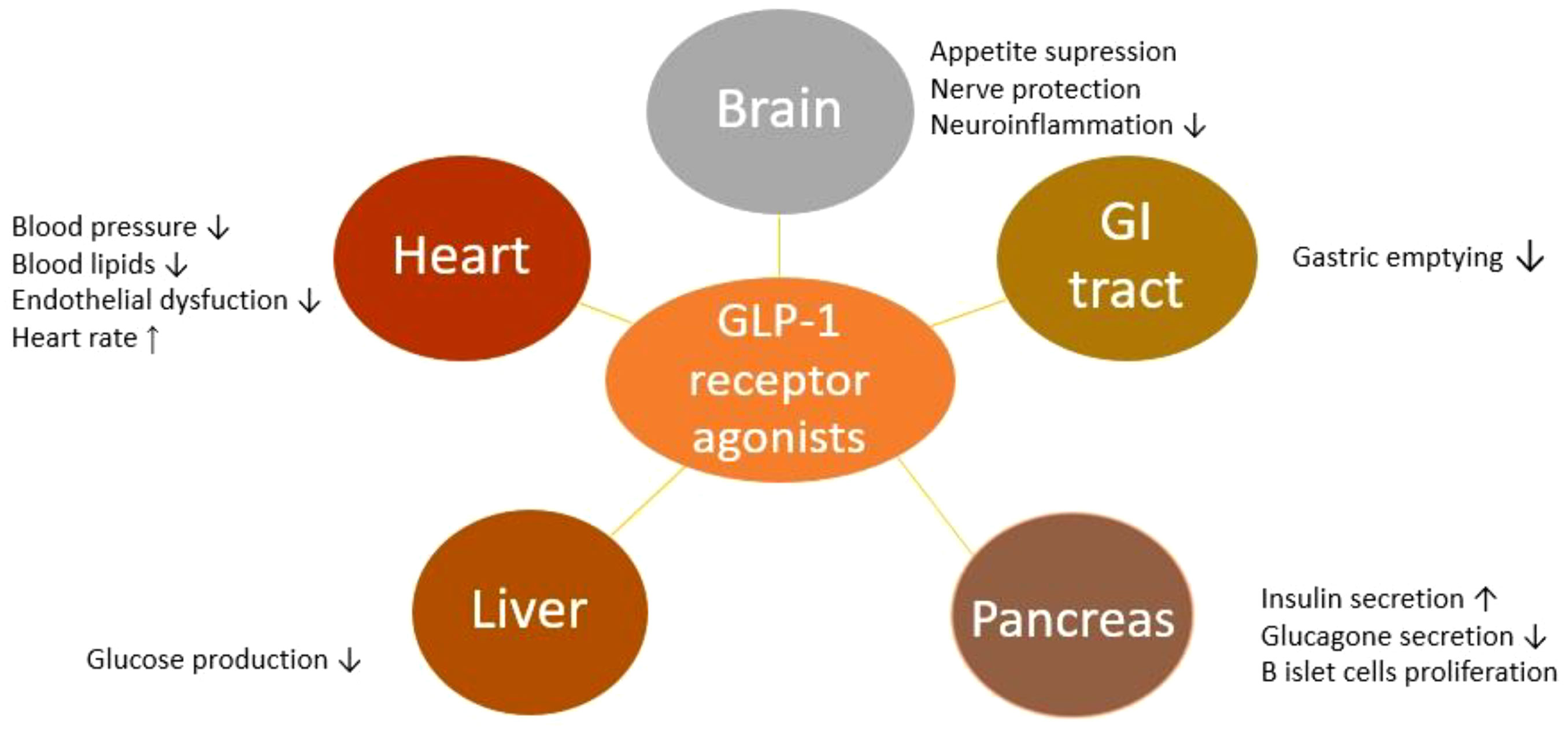
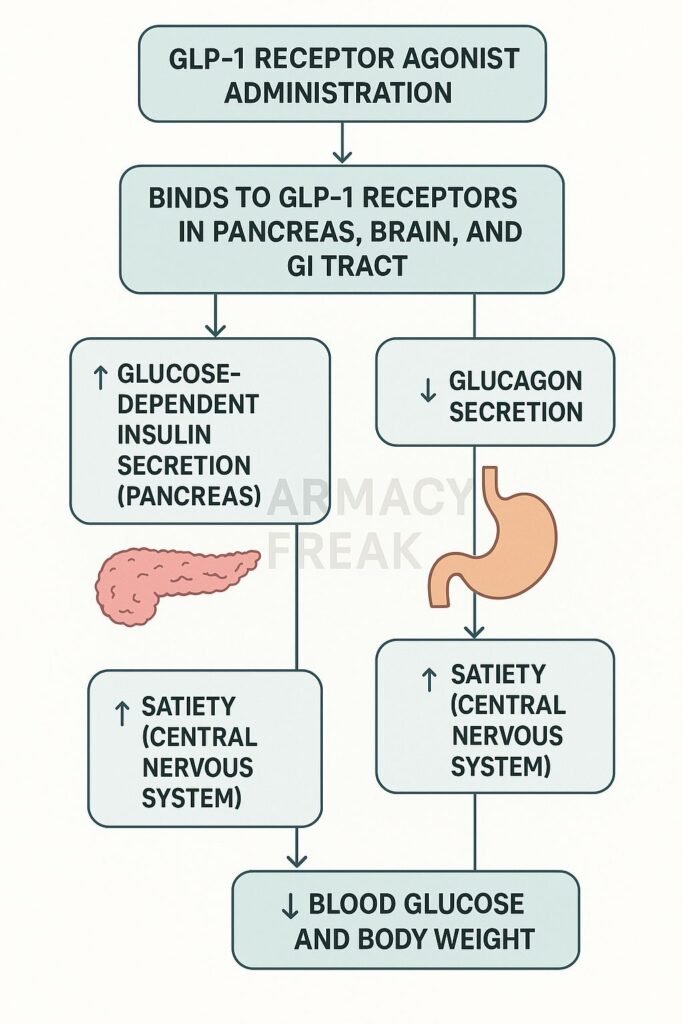
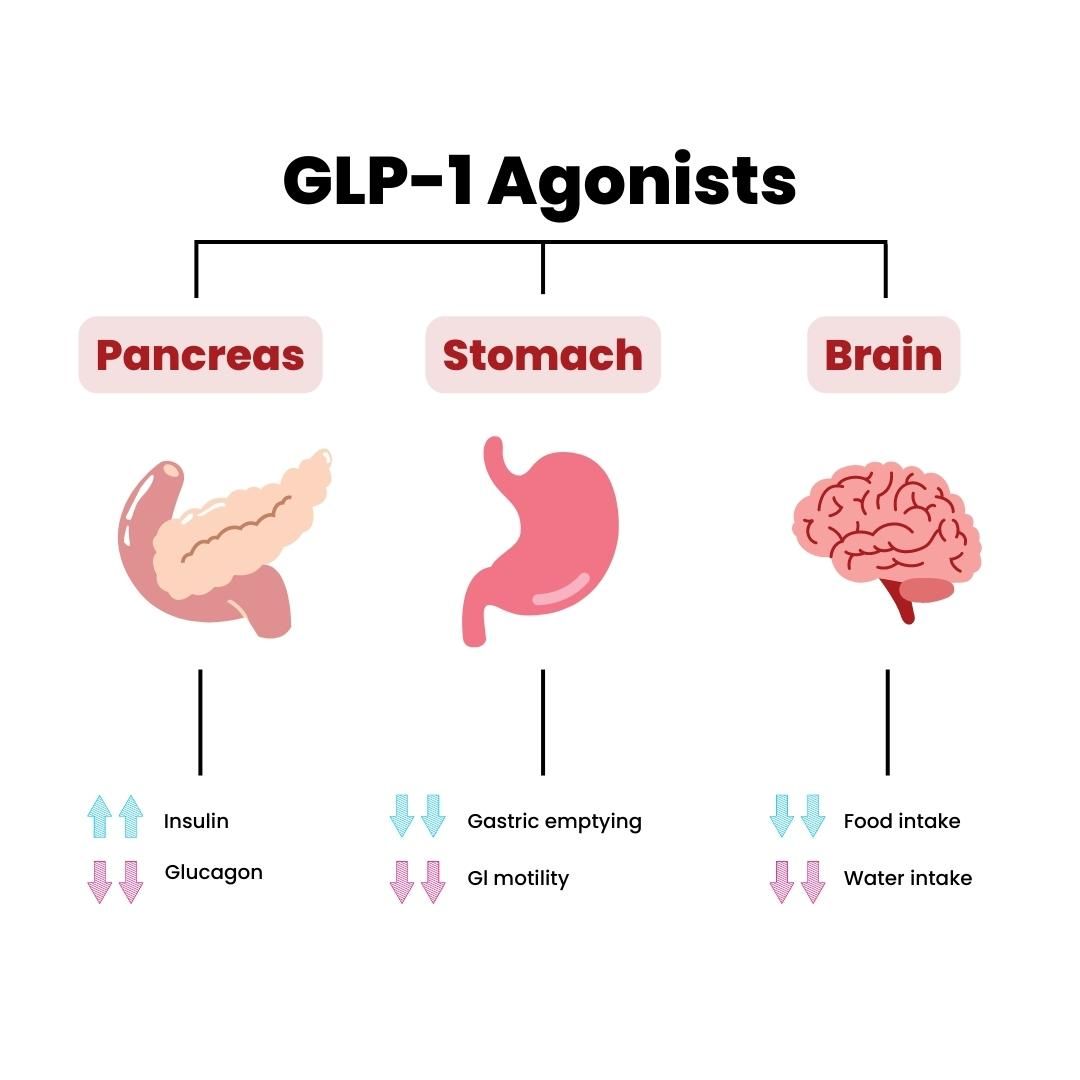
GLP-1 receptor agonists mimic the gut hormone glucagon-like peptide-1 (GLP-1), which plays a crucial role in regulating appetite and blood sugar levels. By activating the GLP-1 receptor, GLP-1 RAs suppress appetite, slow gastrointestinal transit time, and enhance insulin secretion. These mechanisms contribute to the weight loss and glycemic control observed with GLP-1 RAs.
The Benefits of Time-Restricted Eating
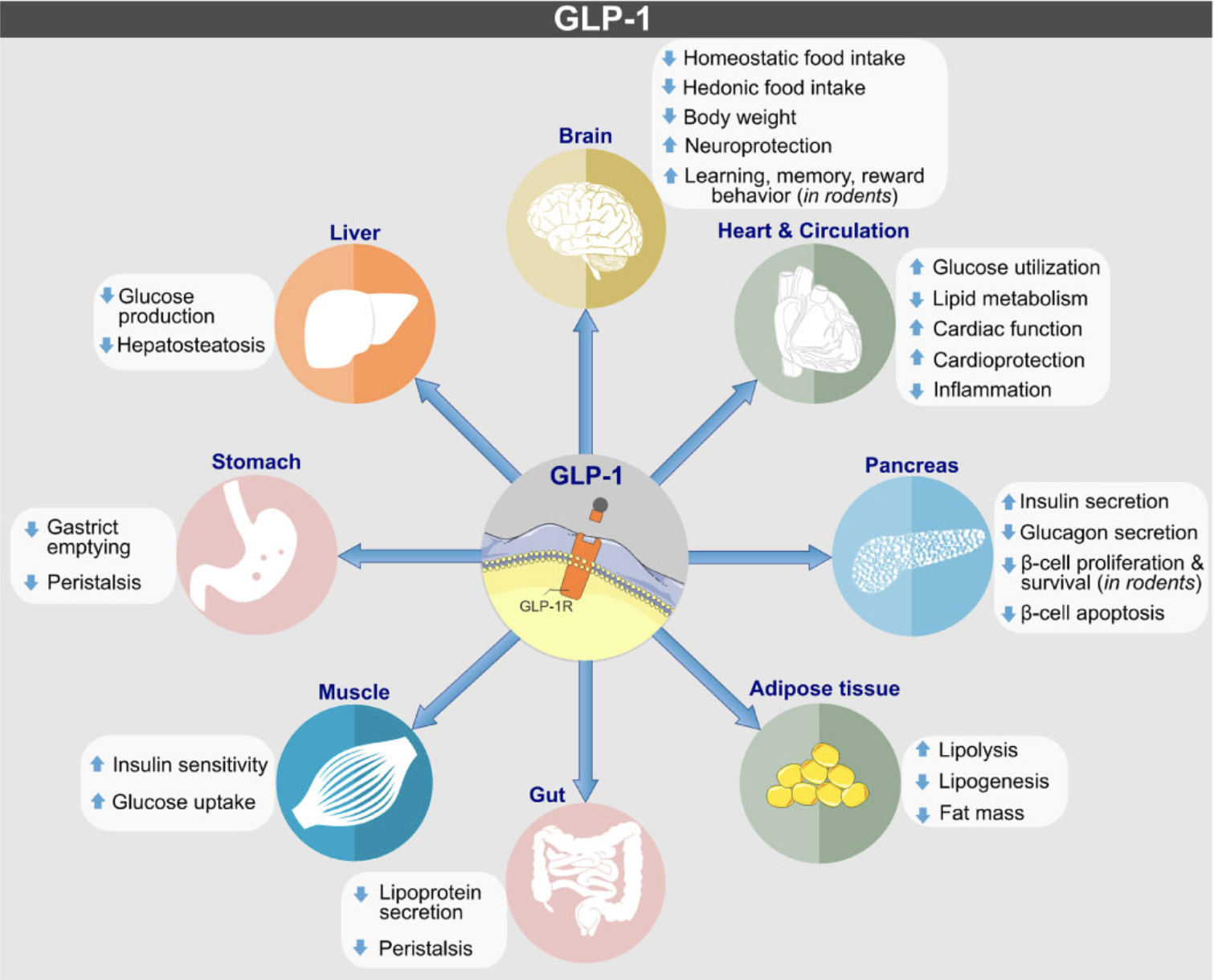
Time-restricted eating (TRE) involves restricting food intake within a specific window, typically 8-12 hours. This approach can help regulate hunger hormones, including GLP-1, and improve insulin sensitivity. TRE has also been shown to promote weight loss, improve cardiovascular risk factors, and enhance overall health.
The Synergy Between GLP 1 Receptor Agonists and Time-Restricted Eating
The combination of GLP-1 RAs and TRE may offer synergistic benefits, including enhanced weight loss and improved glycemic control. GLP-1 RAs can help regulate appetite and food intake, while TRE can further reduce hunger and improve insulin sensitivity. This dual approach may also mitigate the negative effects of hedonic adaptation, which can limit the long-term efficacy of GLP-1 RAs.