Unlocking the Power of Genetic Health Assessments: A Comprehensive Guide
Genetic health assessments have revolutionized the field of healthcare, empowering individuals to take control of their health by providing valuable insights into their genetic makeup. These assessments have become an essential tool for healthcare professionals, allowing them to make informed decisions about diagnosis, treatment, and prevention of genetic disorders.
What are Genetic Health Assessments?
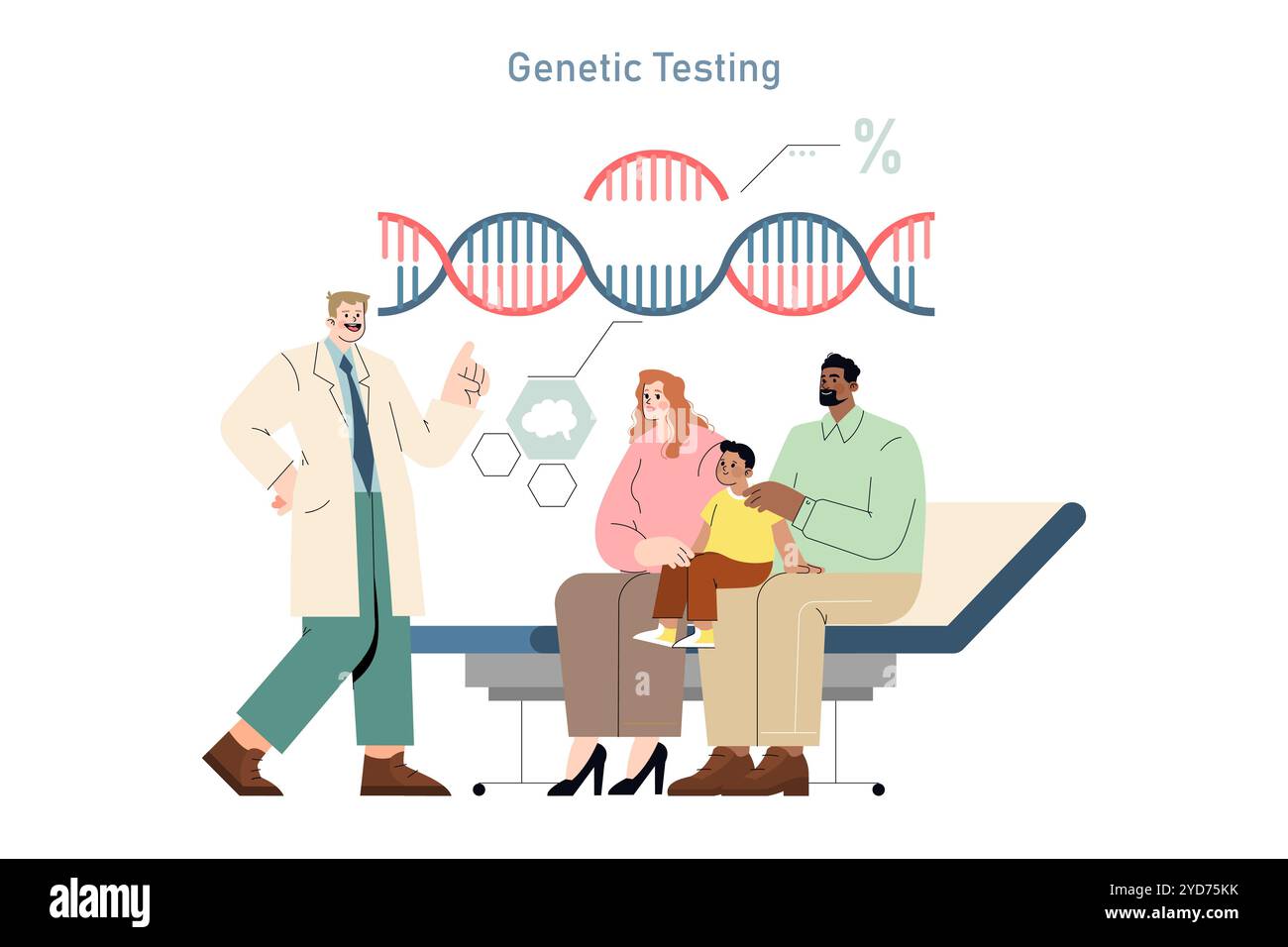
Genetic health assessments, also known as genetic testing, are non-invasive tests that analyze an individual's DNA to identify genetic variations that may increase the risk of developing certain health conditions. These tests can be used for both research and clinical purposes, helping to diagnose rare and inherited health conditions, as well as some cancers.
The Benefits of Genetic Health Assessments
- Early detection and diagnosis of genetic disorders
- Personalized risk assessment for various health conditions
- Targeted treatment plans based on genetic information
- Identification of genetic variants associated with disease susceptibility
- Informed decisions about reproductive choices
Types of Genetic Health Assessments
There are several types of genetic health assessments available, each catering to different needs and purposes:
- Prenatal genetic testing: Analyzes the fetus's DNA for genetic disorders
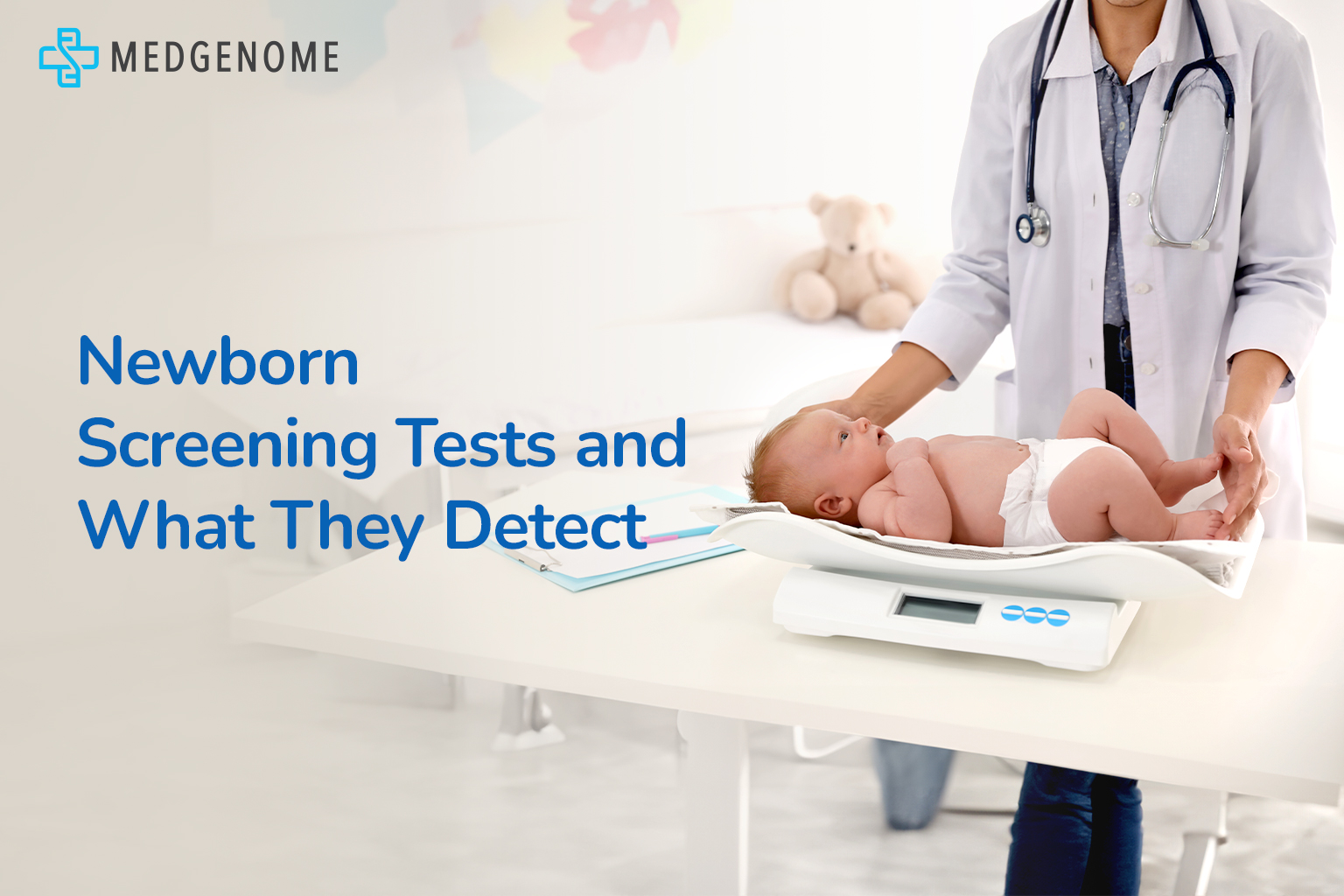
- Newborn genetic testing: Screens newborns for genetic conditions
- Adult disease risk testing: Evaluates genetic risk for various health conditions
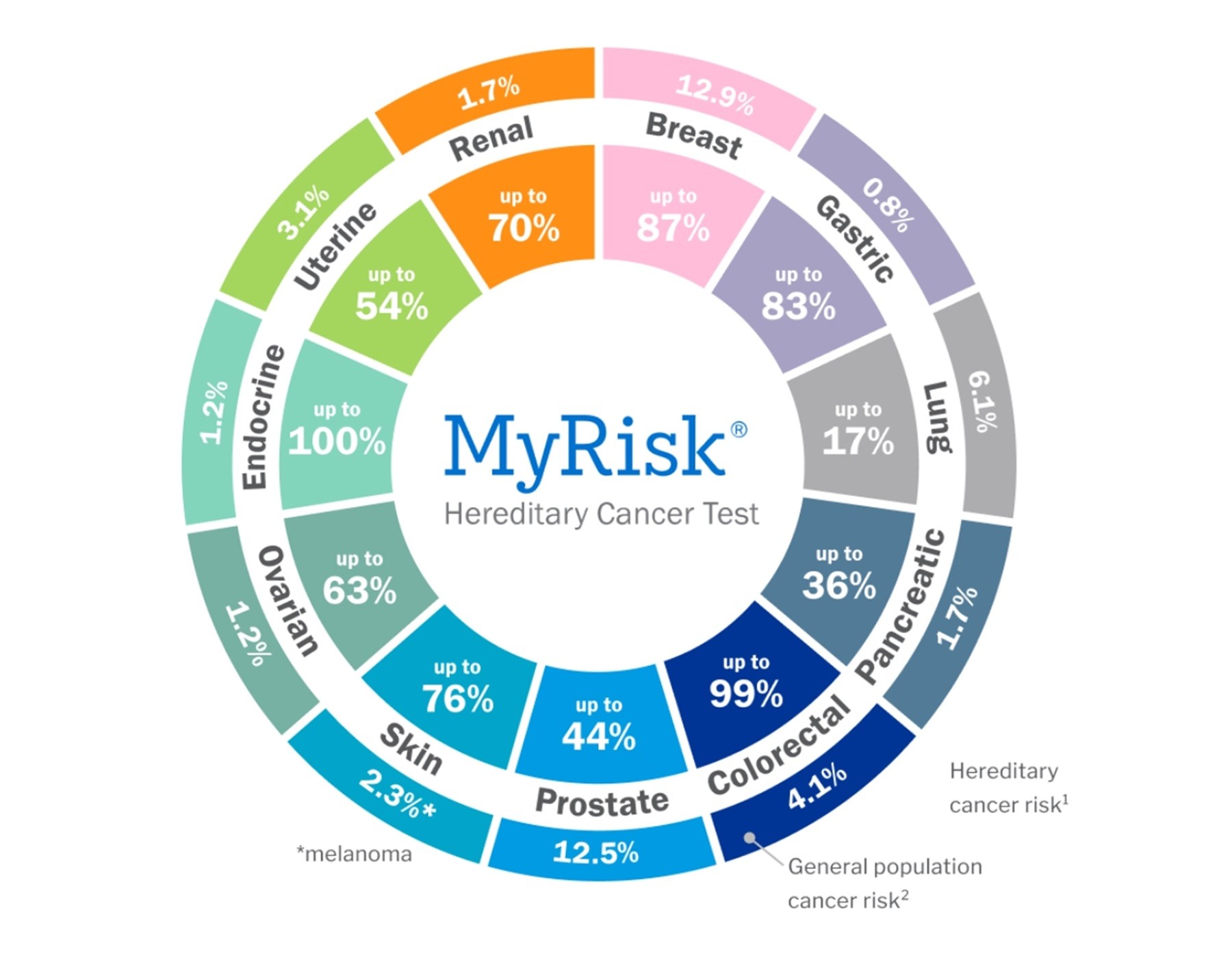
- Cancer genetic testing: Assesses genetic risk for inherited cancers
- Pharmacogenetic testing: Identifies genetic variants affecting drug response