Impact of GLP-1 and Protein on Satiety
The concept of satiety, or feeling full, is essential for weight management and metabolic health. Recent studies have revealed that glucagon-like peptide-1 (GLP-1) plays a crucial role in signaling the termination of food consumption, making it a significant area of interest in the field of nutrition and medicine.
What is GLP-1?
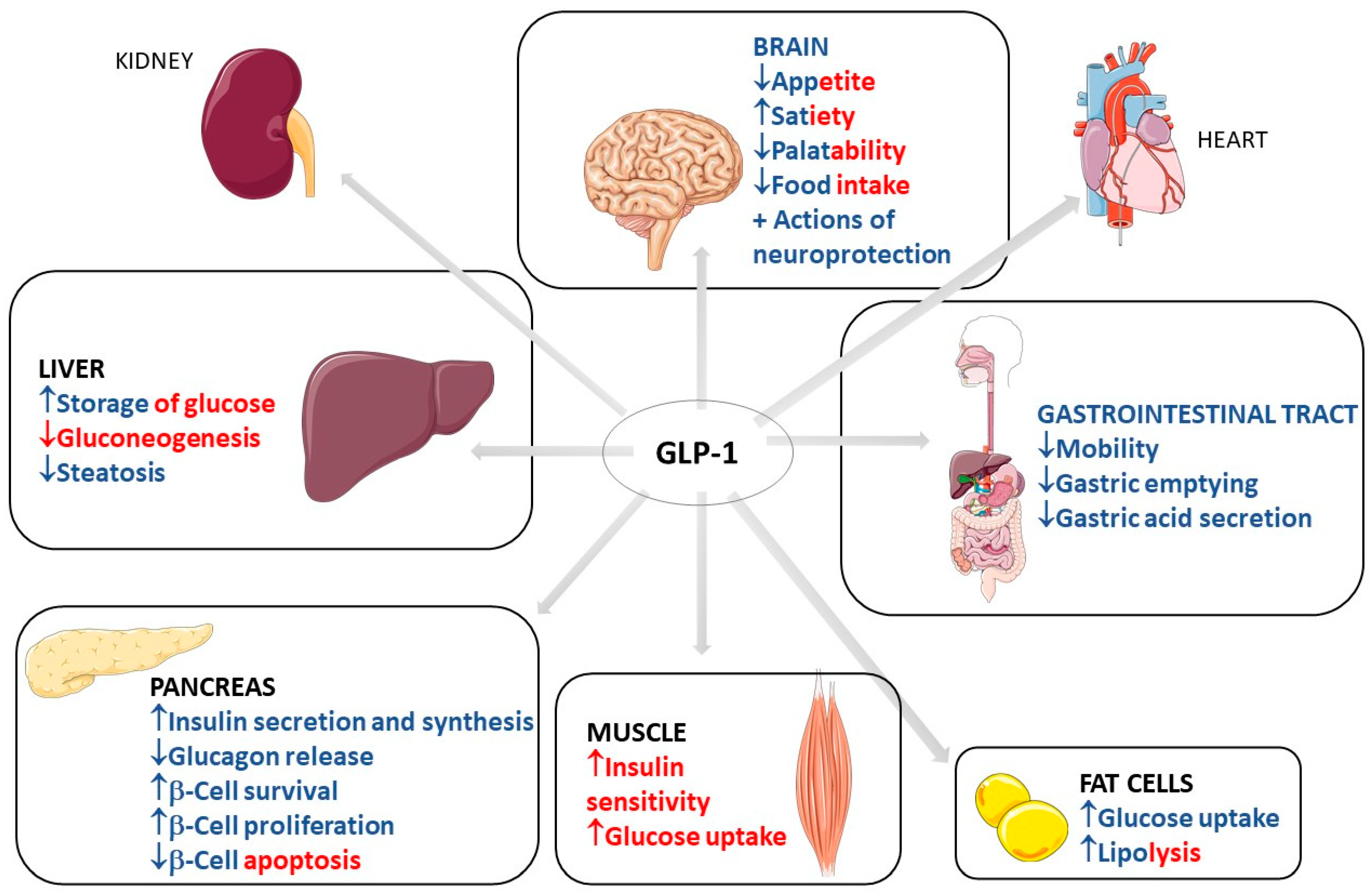
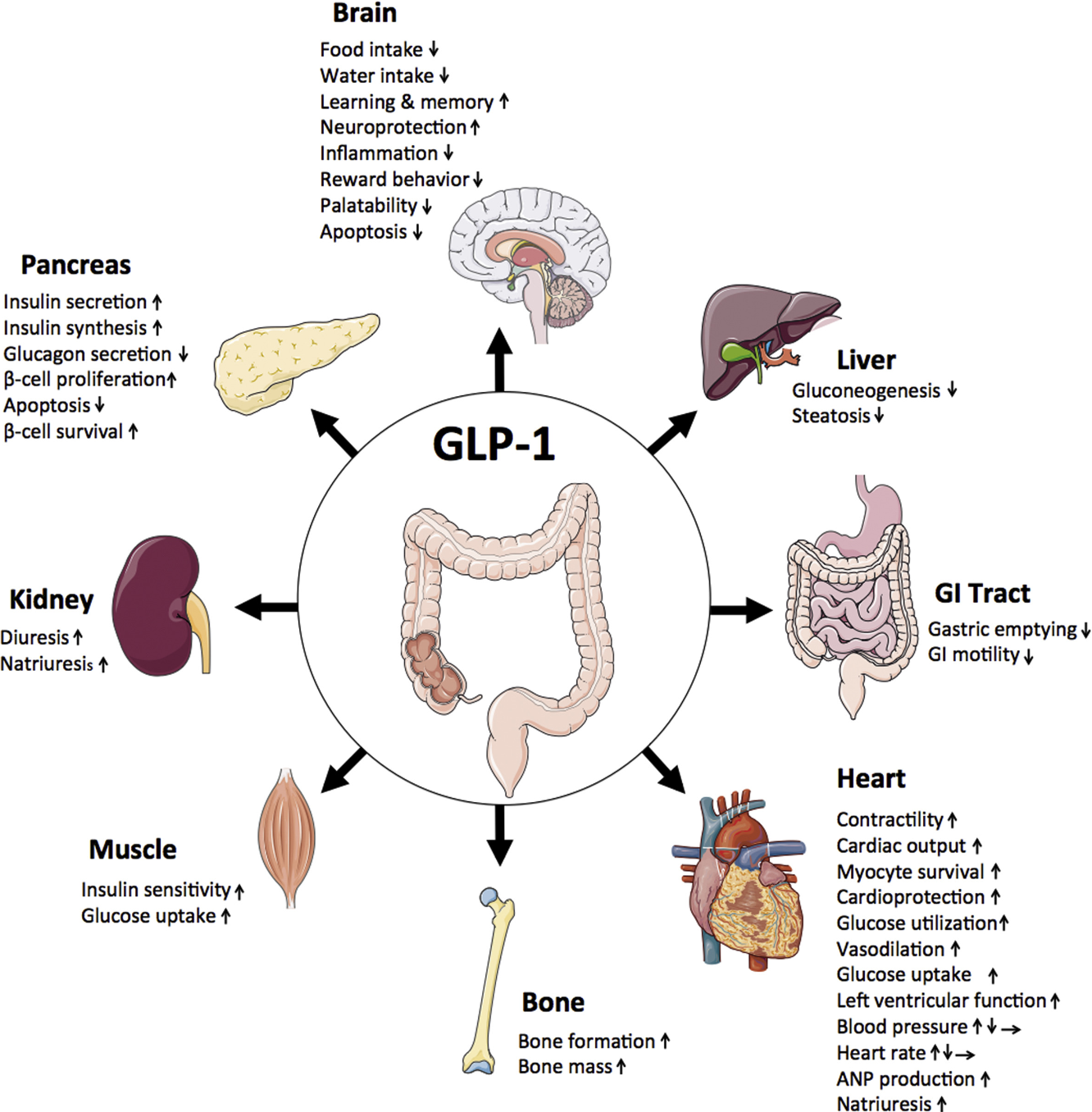
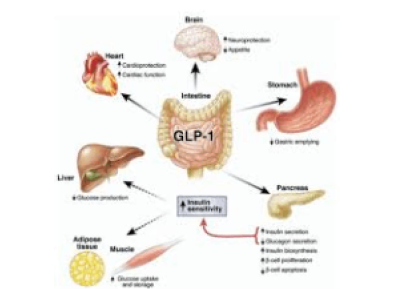
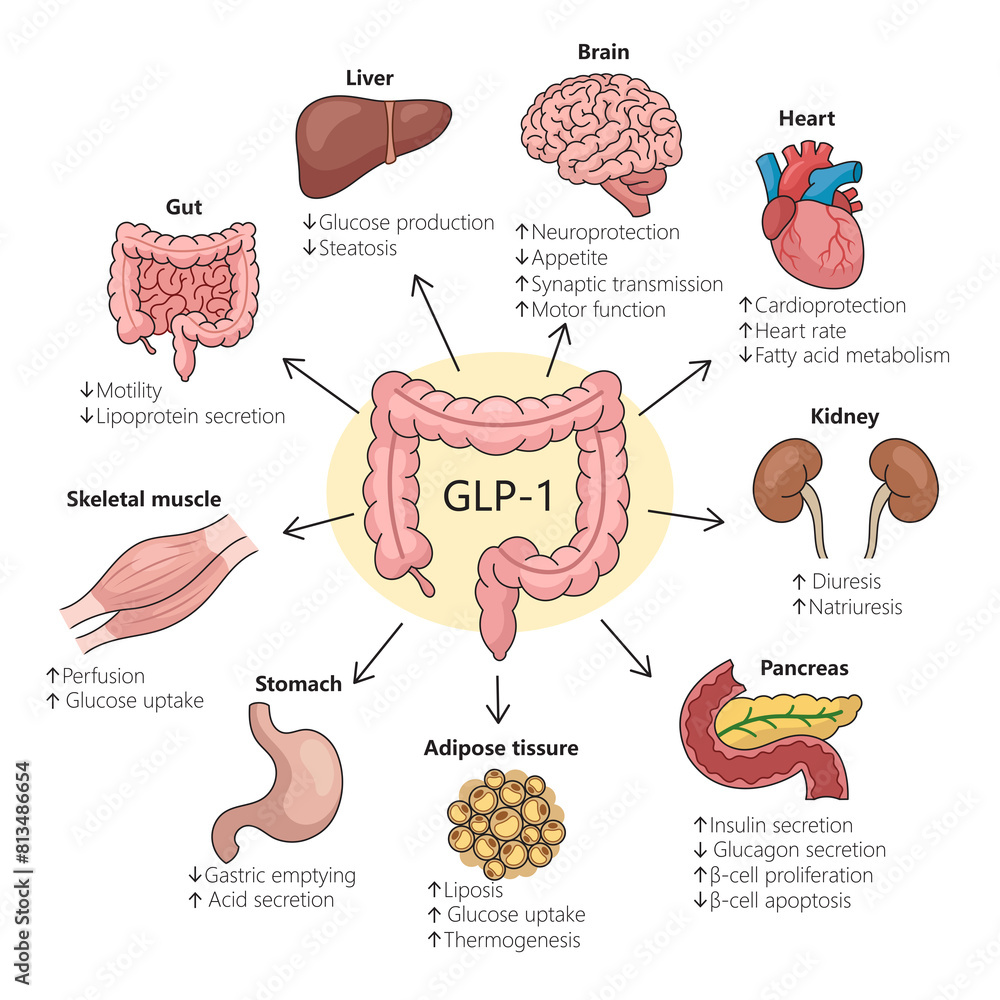
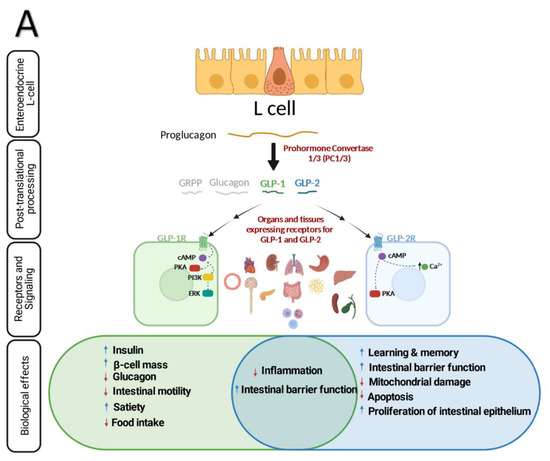
GLP-1 is a hormone secreted by L cells in the intestine in response to food intake. It plays a vital role in glucose metabolism, and its release is triggered by nutrient-sensing via transporters and G-protein-coupled receptors (GPCRs). Research has shown that the secretion of GLP-1 is lower in adults with obesity/overweight (OW) or type 2 diabetes mellitus (T2DM), highlighting the importance of this hormone in regulating food intake and metabolism.
The Impact of GLP-1 on Satiety
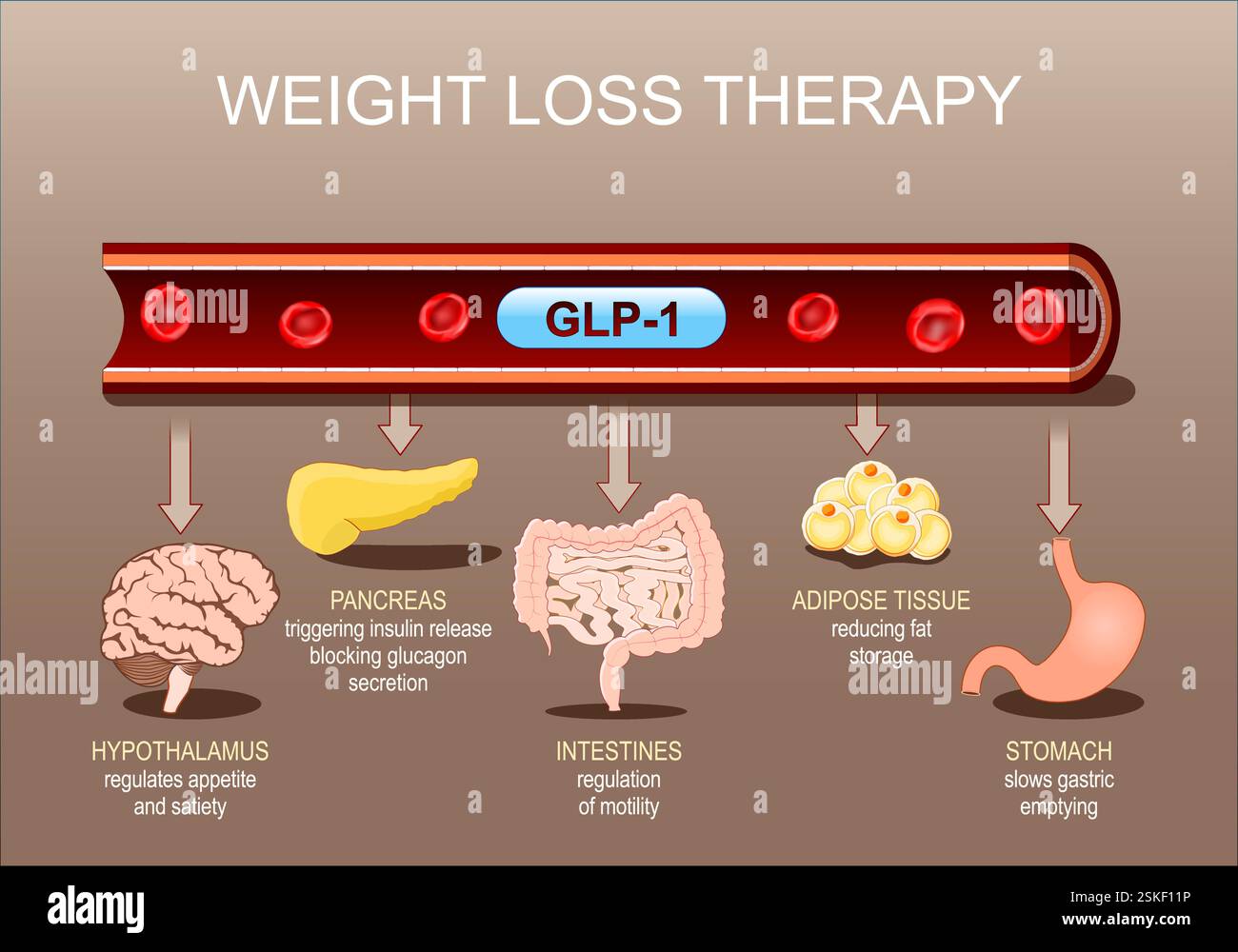
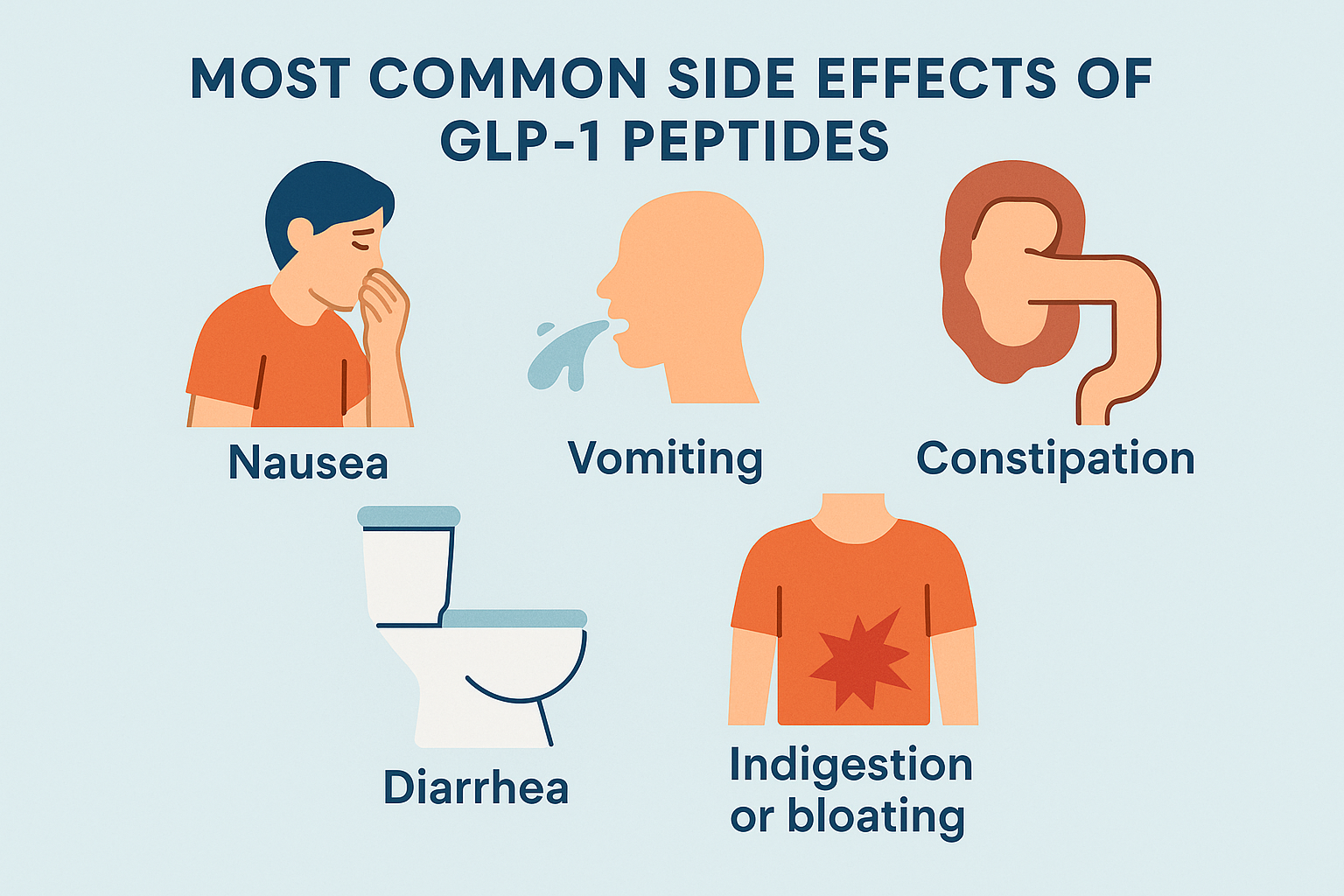
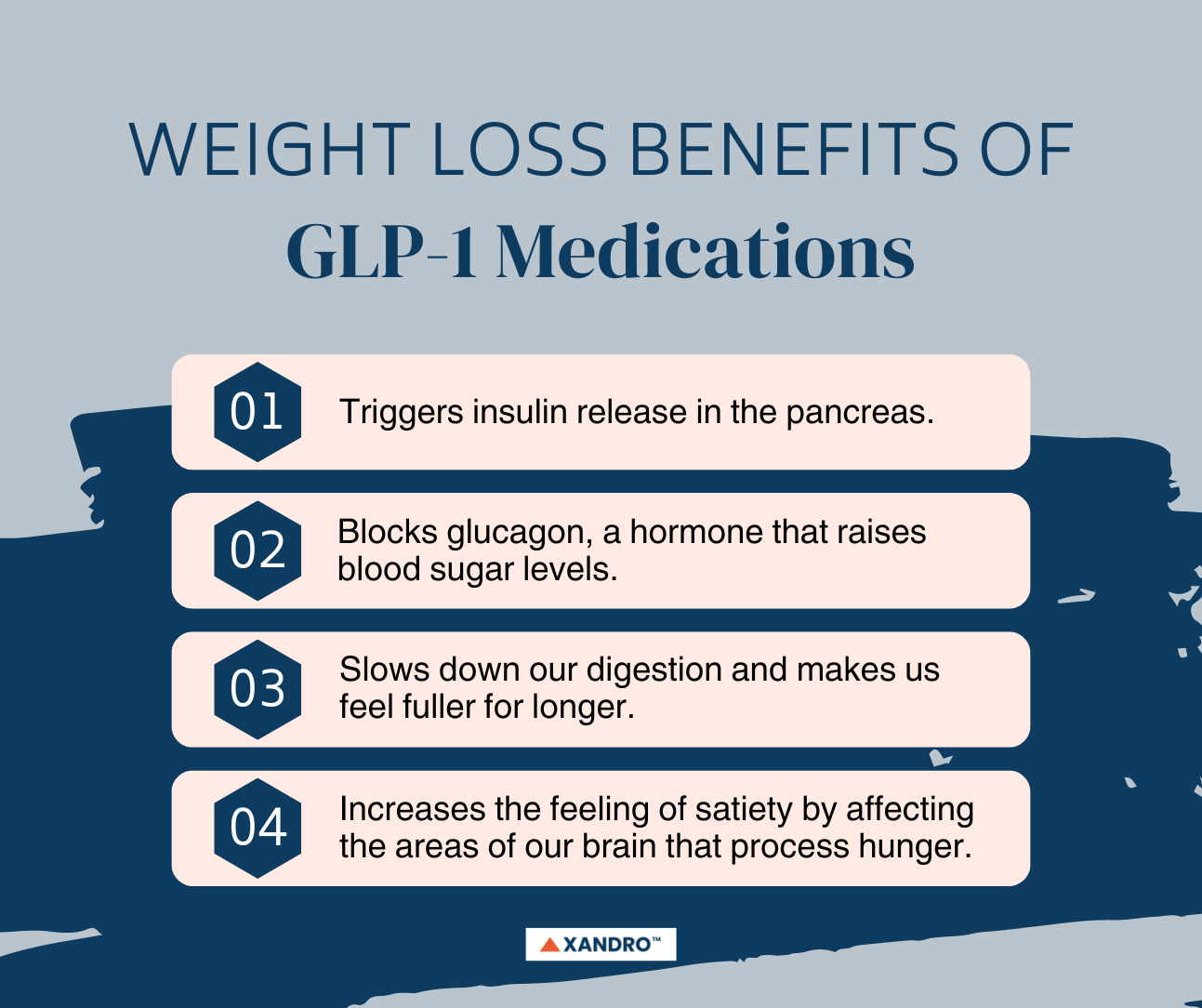
Studies have demonstrated that GLP-1 receptor agonists, medications like Ozempic and Wegovy, are highly successful in weight loss, linked to shifts in food cognition, including diminished hypothalamic responses to food cues and alterations in the perception of food palatability in humans. Additionally, research has shown that these medications slow digestion, suppress appetites, and increase satiety, making them an effective treatment for obesity.
Protein and Satiety
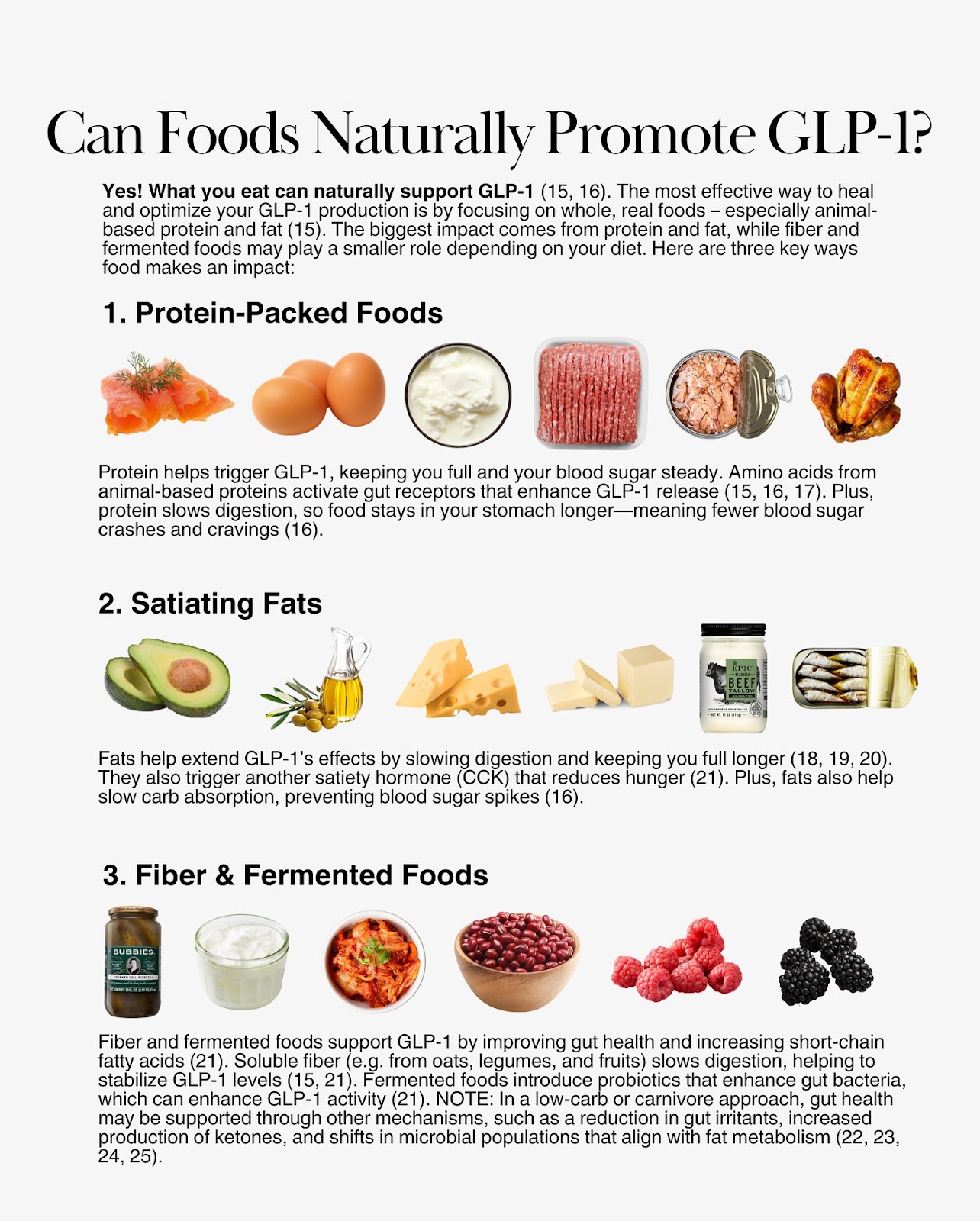
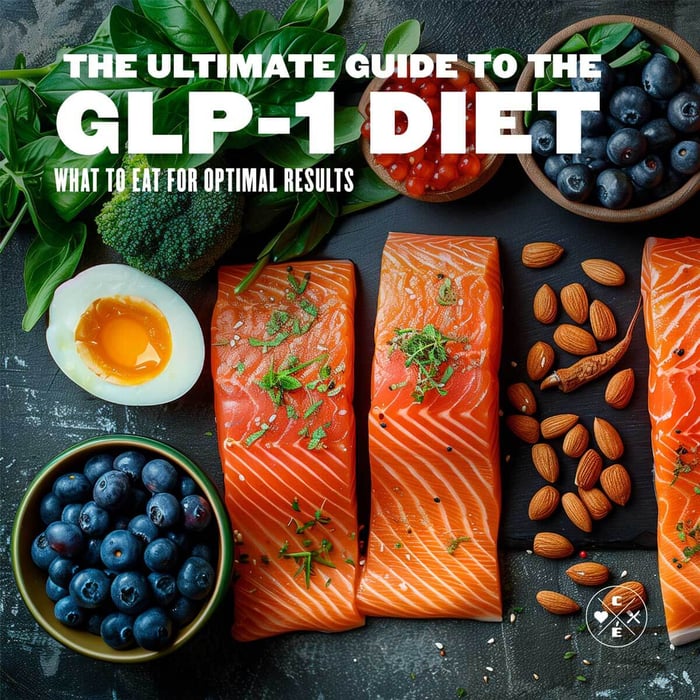
Protein is a potent natural trigger for the body's endogenous GLP-1 release, making it a significant factor in promoting satiety. Eating plenty of protein has numerous benefits for weight loss, muscle gain, and health. Research suggests that high-protein meals stimulate the release of anorexigenic hormones, such as GLP-1, which reduce hunger and increase feelings of fullness.