The Hidden Impact of Stress on GLP-1: Understanding the Connection
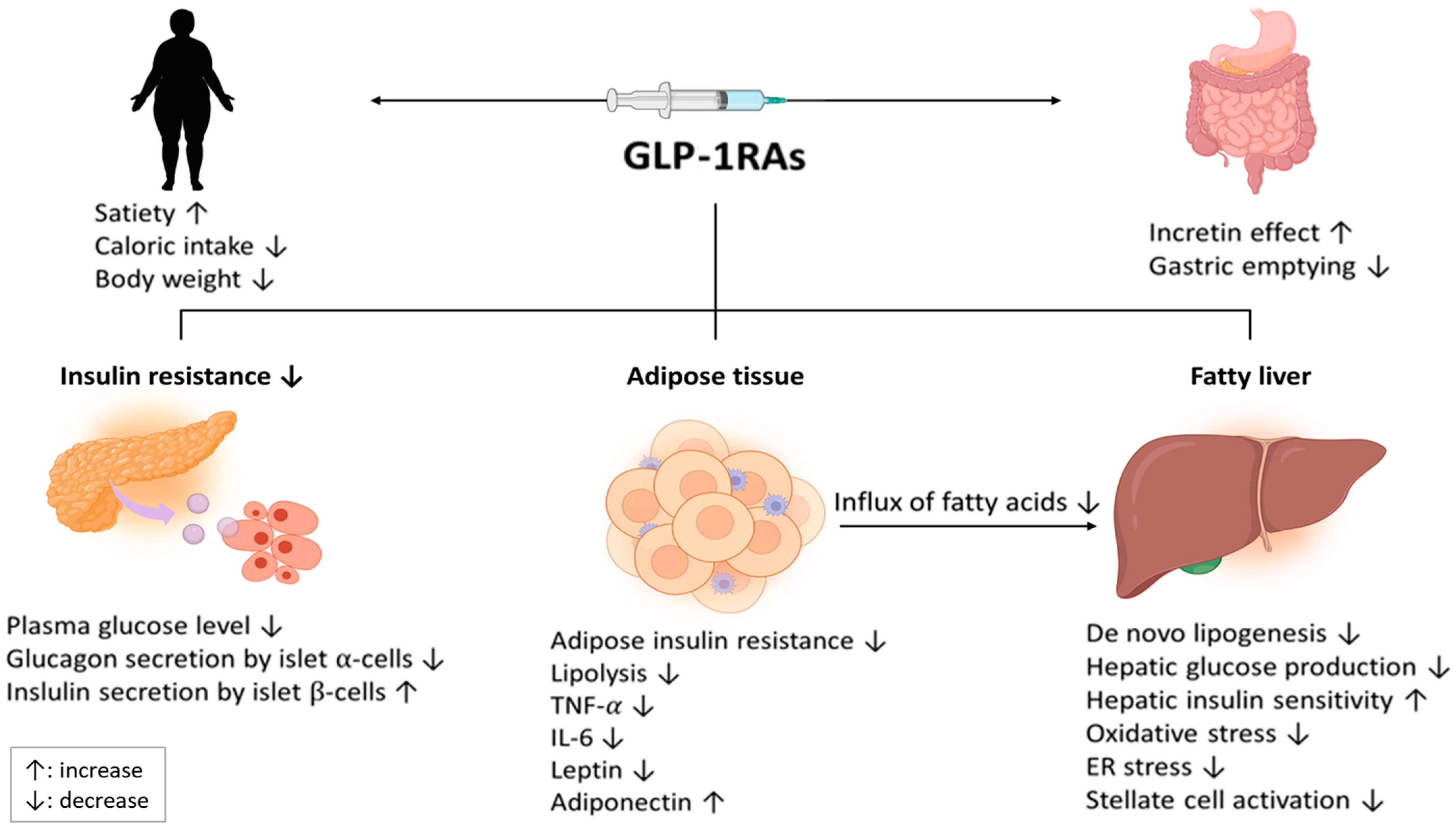
When it comes to managing metabolic health, glucagon-like peptide-1 (GLP-1) receptor agonists have proven to be a game-changer. These medications, also known as GLP-1 drugs, have been shown to effectively regulate appetite, improve glucose metabolism, and promote weight loss in individuals with type 2 diabetes and obesity. However, recent research has highlighted the complex relationship between stress, GLP-1 signaling, and metabolic health, emphasizing the need for a deeper understanding of this intricate connection.
What is GLP-1 and How Does it Work?
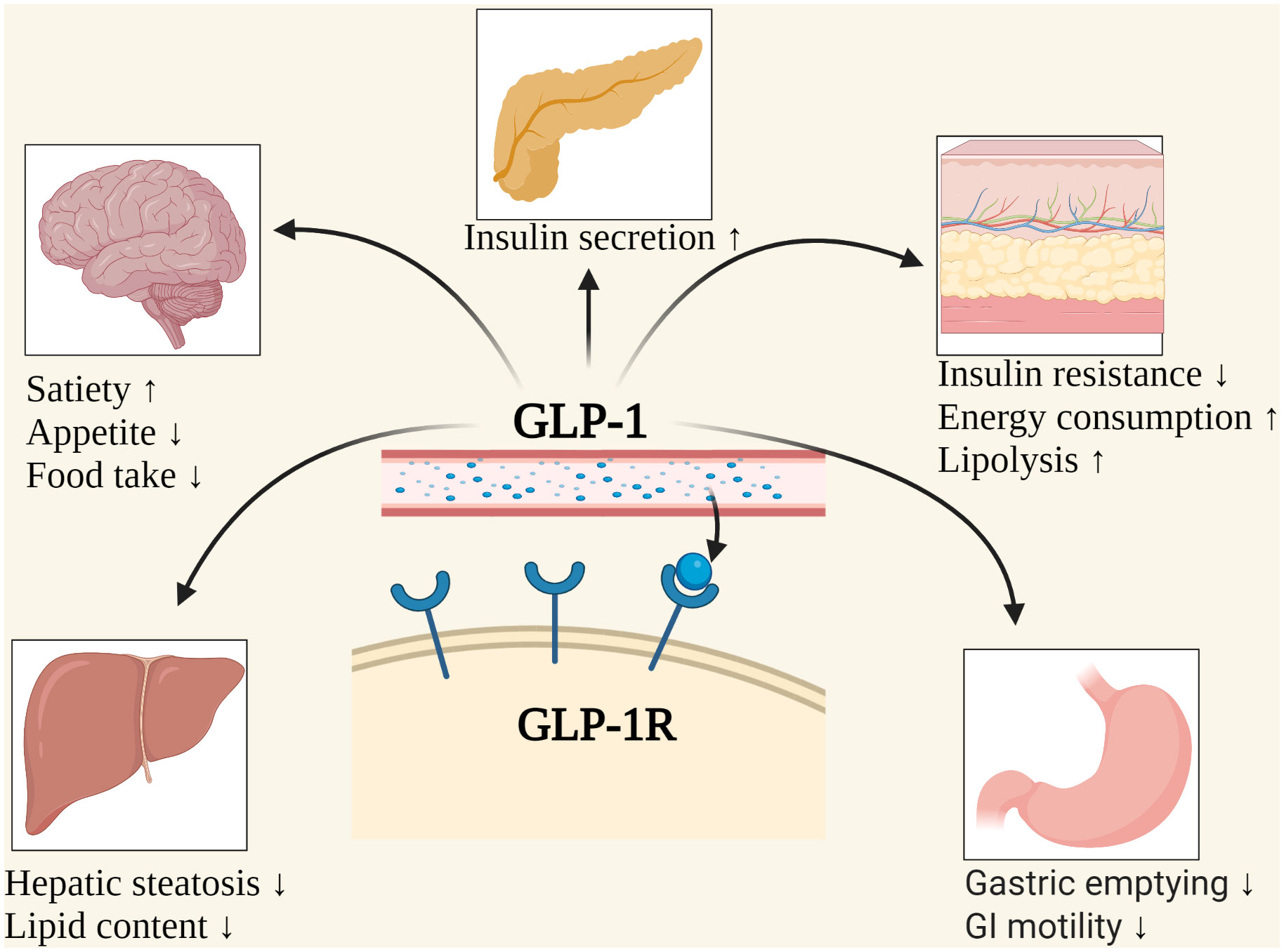
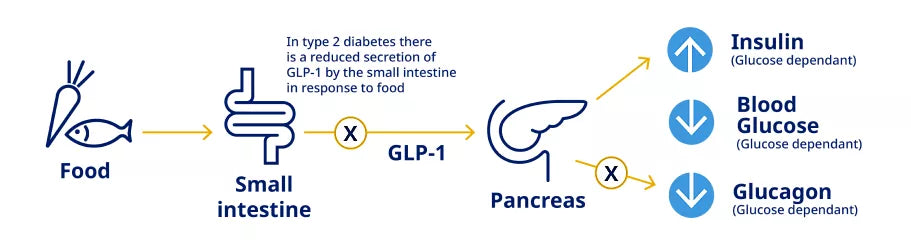
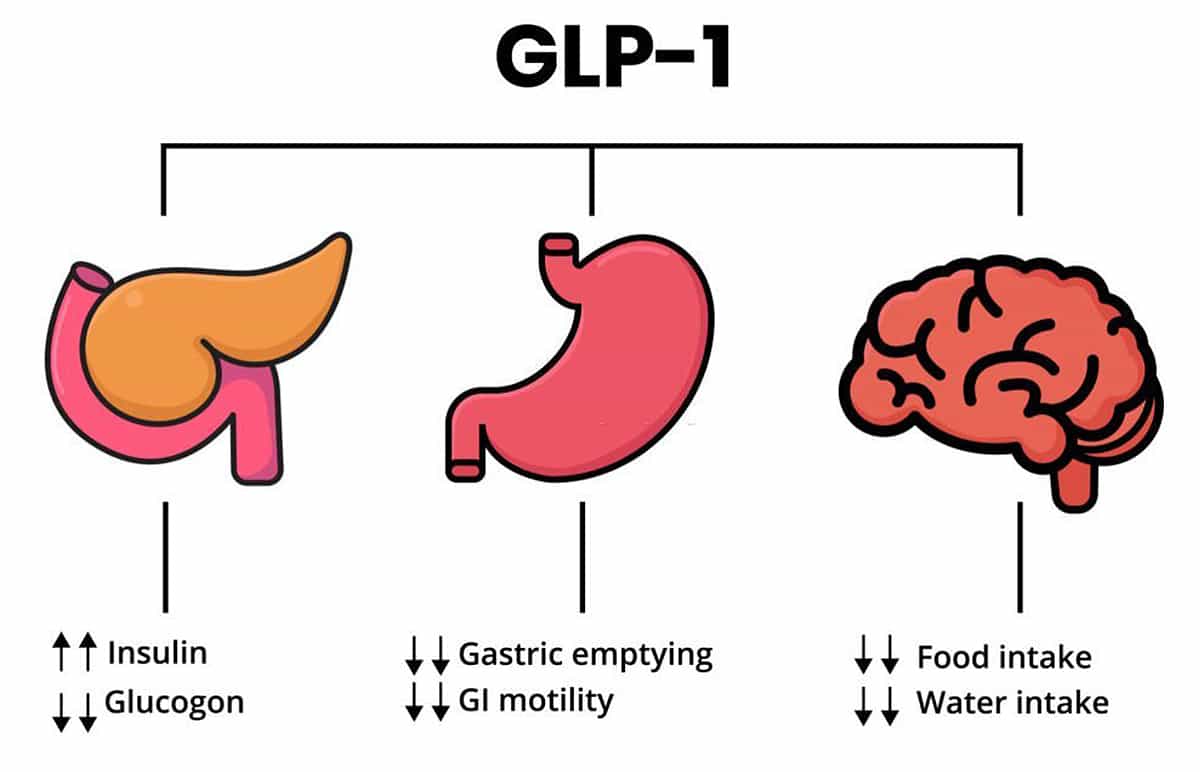
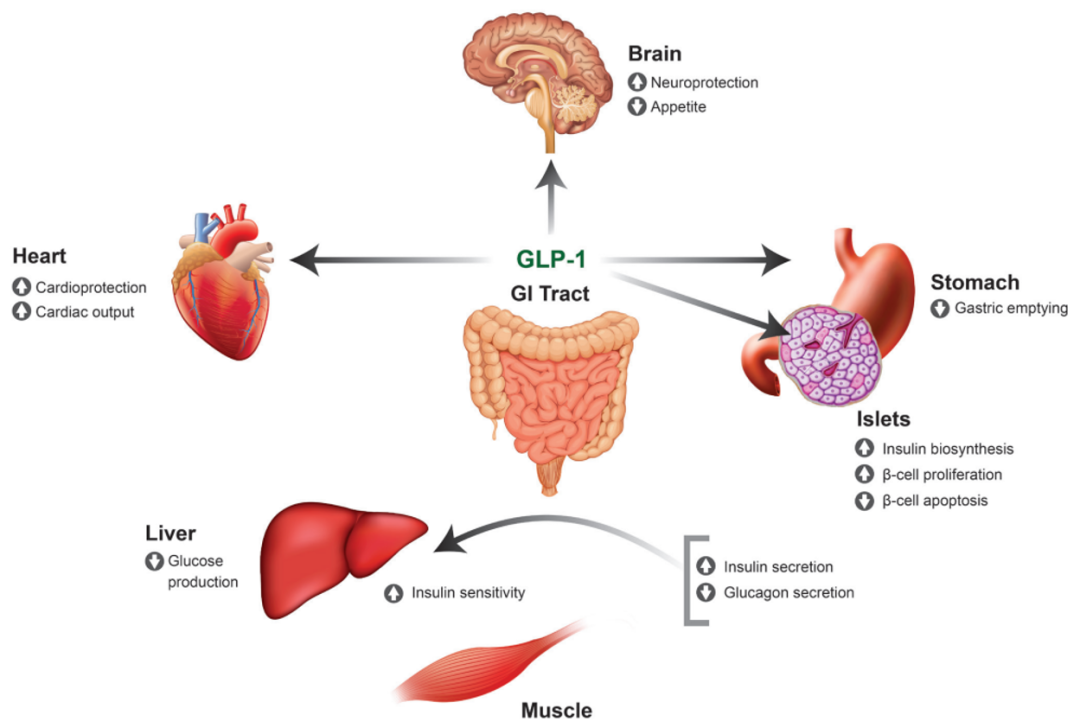
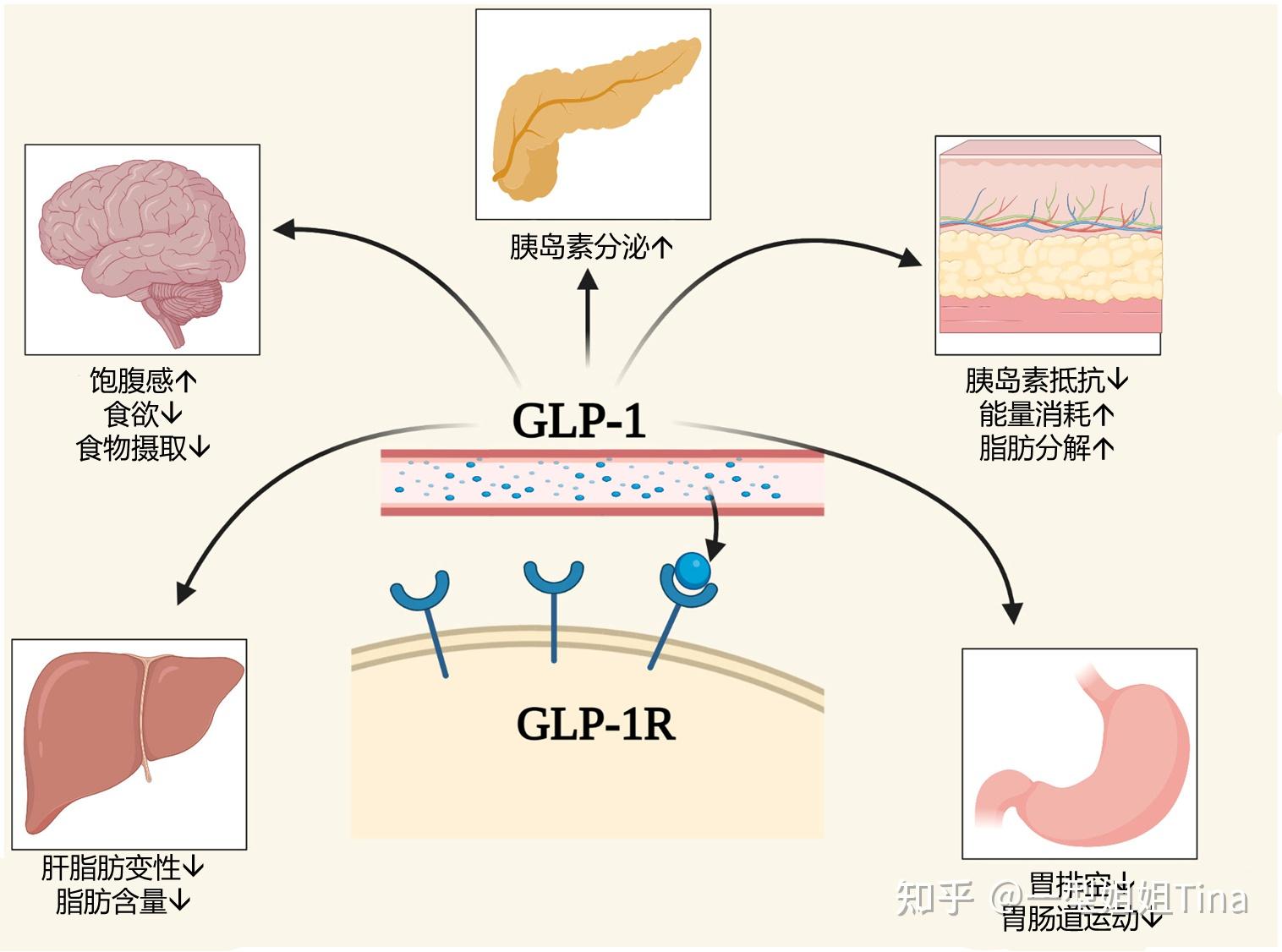
GLP-1 is an incretin hormone naturally released by the gut in response to food intake. It signals the pancreas to release insulin, inhibits glucagon secretion (which lowers blood sugar), and sends satiety signals to the brain while slowing gastric motility. GLP-1 receptor agonists mimic the effects of this hormone, providing a range of benefits for individuals with metabolic disorders.

The Impact of Stress on GLP-1
Stress has a profound impact on our metabolic health, and researchers are now exploring the ways in which it affects GLP-1 signaling. A study published in 2025 found that central infusion of GLP-1 significantly increased stress-induced fecal output, highlighting the complex interaction between stress, GLP-1, and colonic motility. Furthermore, the study demonstrated that the increase in fecal output was reversed by central administration of GLP-1R antagonist or CRH antagonist, indicating that an interaction between central GLP-1 signaling and corticotropin-releasing hormone (CRH) is necessary for stress-induced colonic motility.