Integrating Intermittent Fasting with GLP-1 Therapy for PCOS: A Novel Approach
Women with polycystic ovary syndrome (PCOS) often face a complex array of symptoms, including irregular menstrual cycles, insulin resistance, and unwanted weight gain. As a result, researchers have been seeking novel therapeutic approaches to manage these symptoms and improve PCOS outcomes. One promising area of focus has been the combination of intermittent fasting (IF) with GLP-1 receptor agonist (GLP-1RA) therapy.
What is Intermittent Fasting?
Intermittent fasting has gained popularity in recent years due to its purported benefits, including weight loss, improved heart health, and anti-aging properties. Among individuals with PCOS, IF may improve insulin sensitivity, balance hormones, and support weight management – all of which are crucial factors in addressing PCOS symptoms.
What is GLP-1 Therapy?

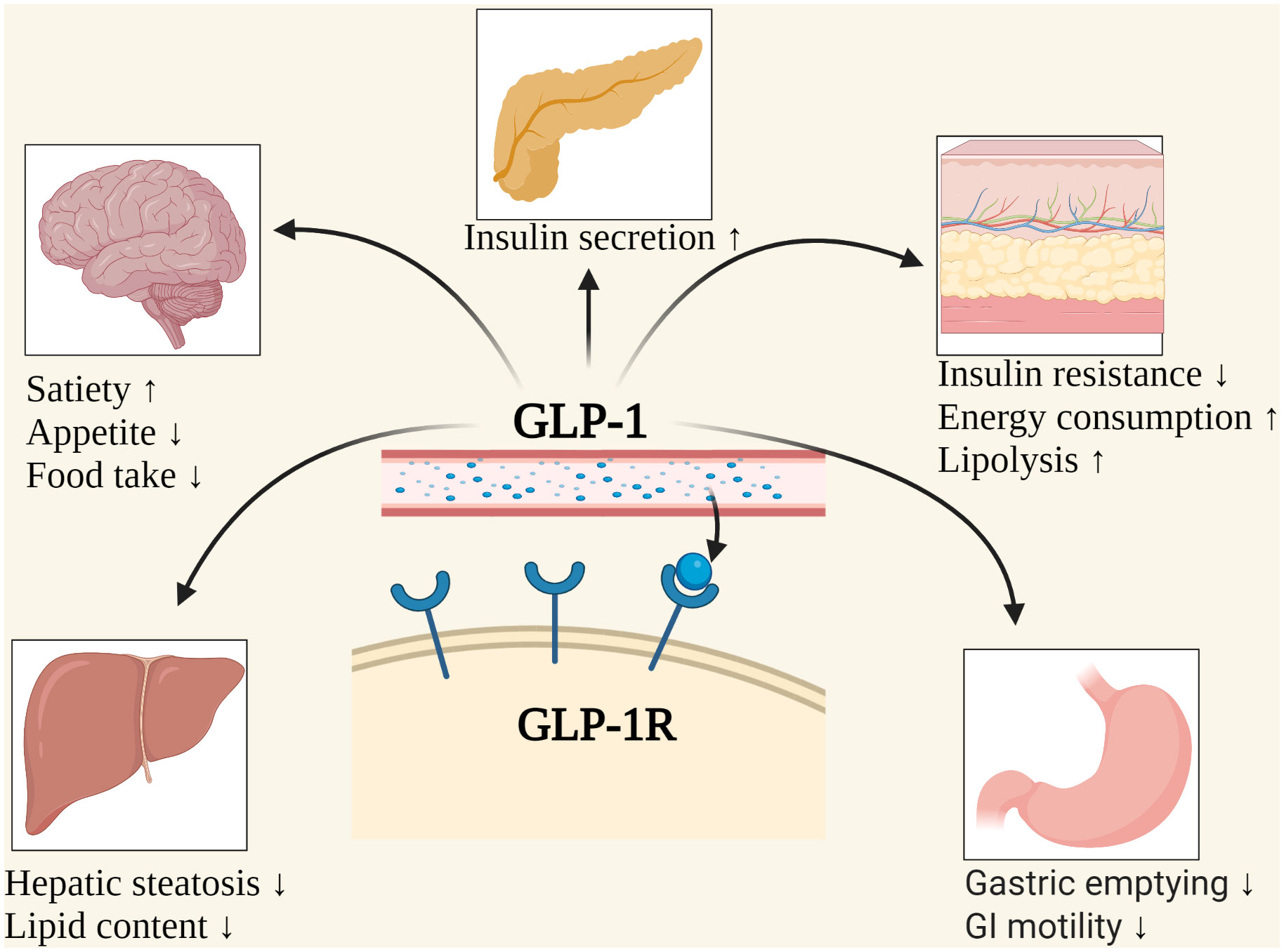
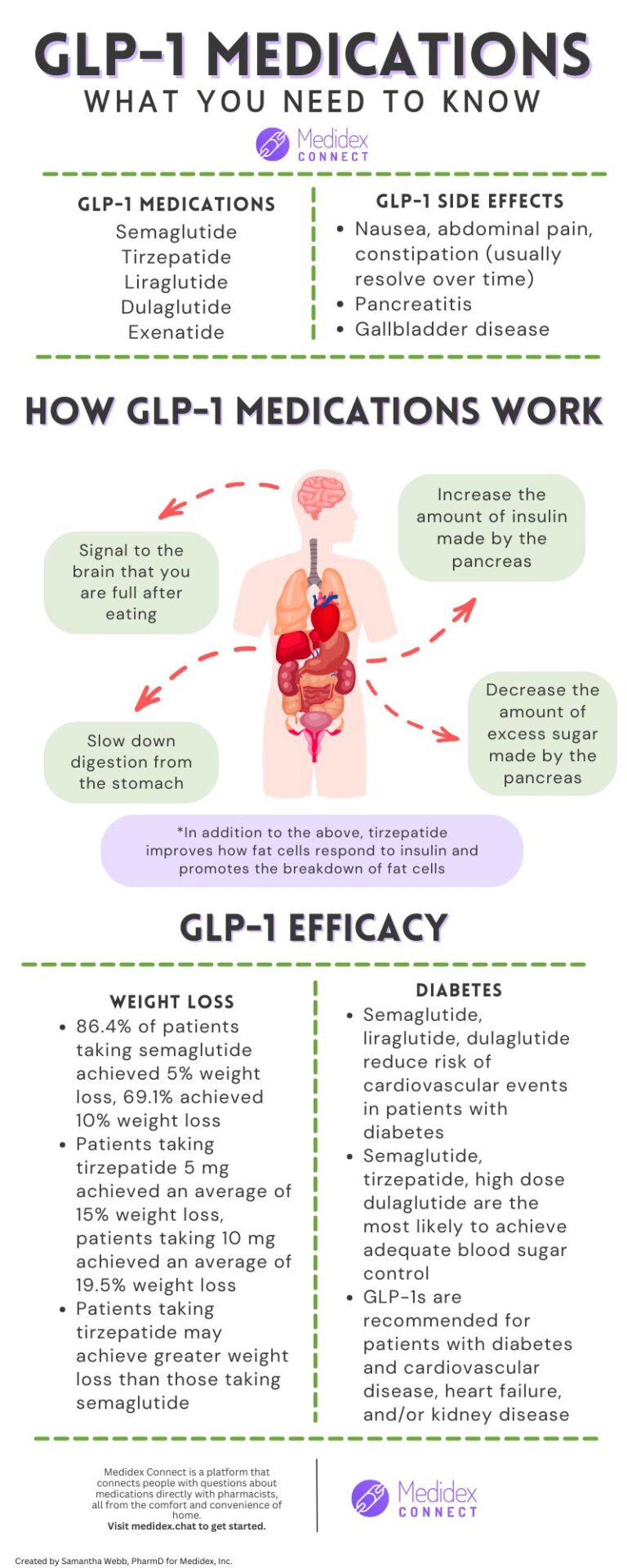
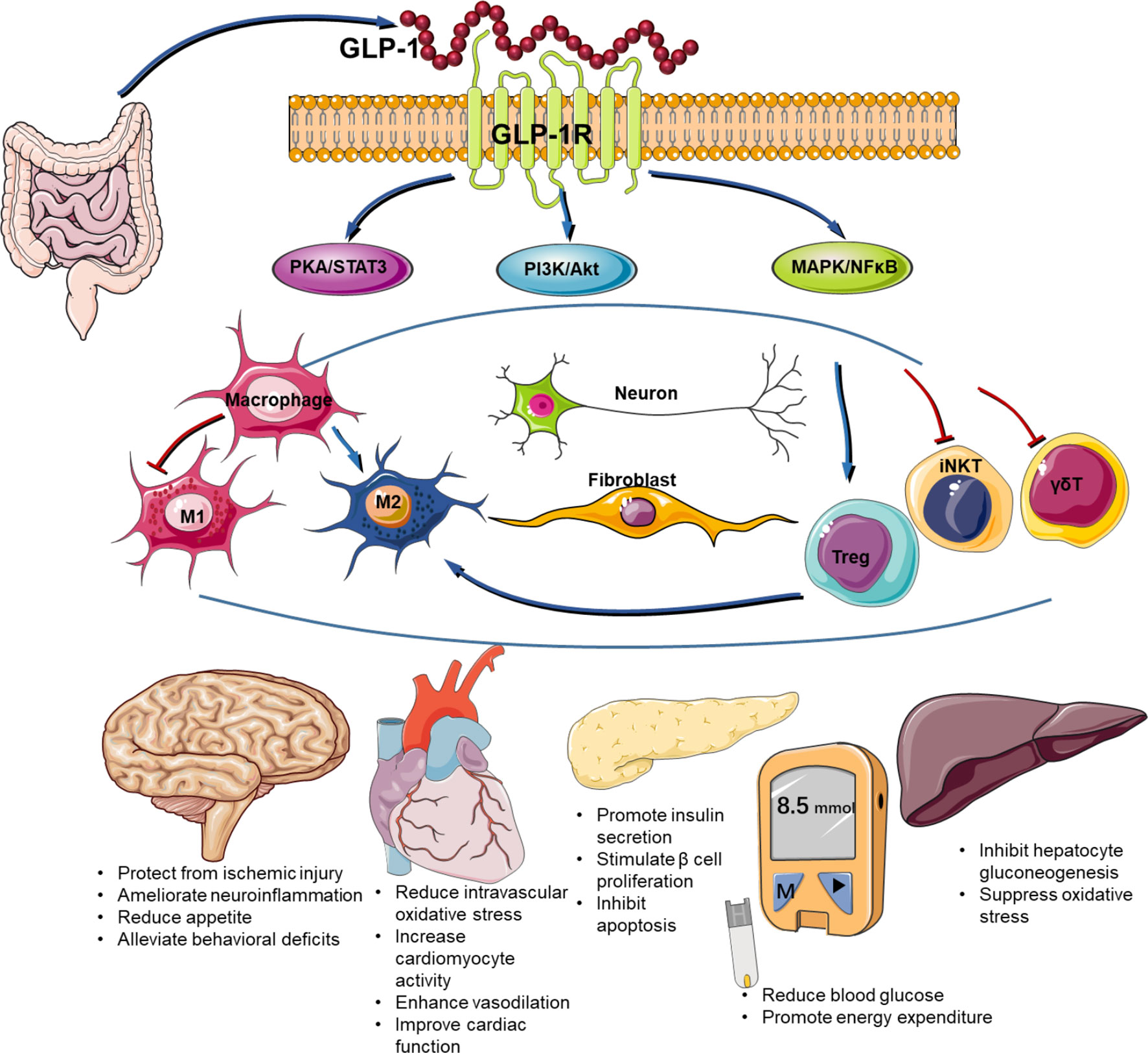
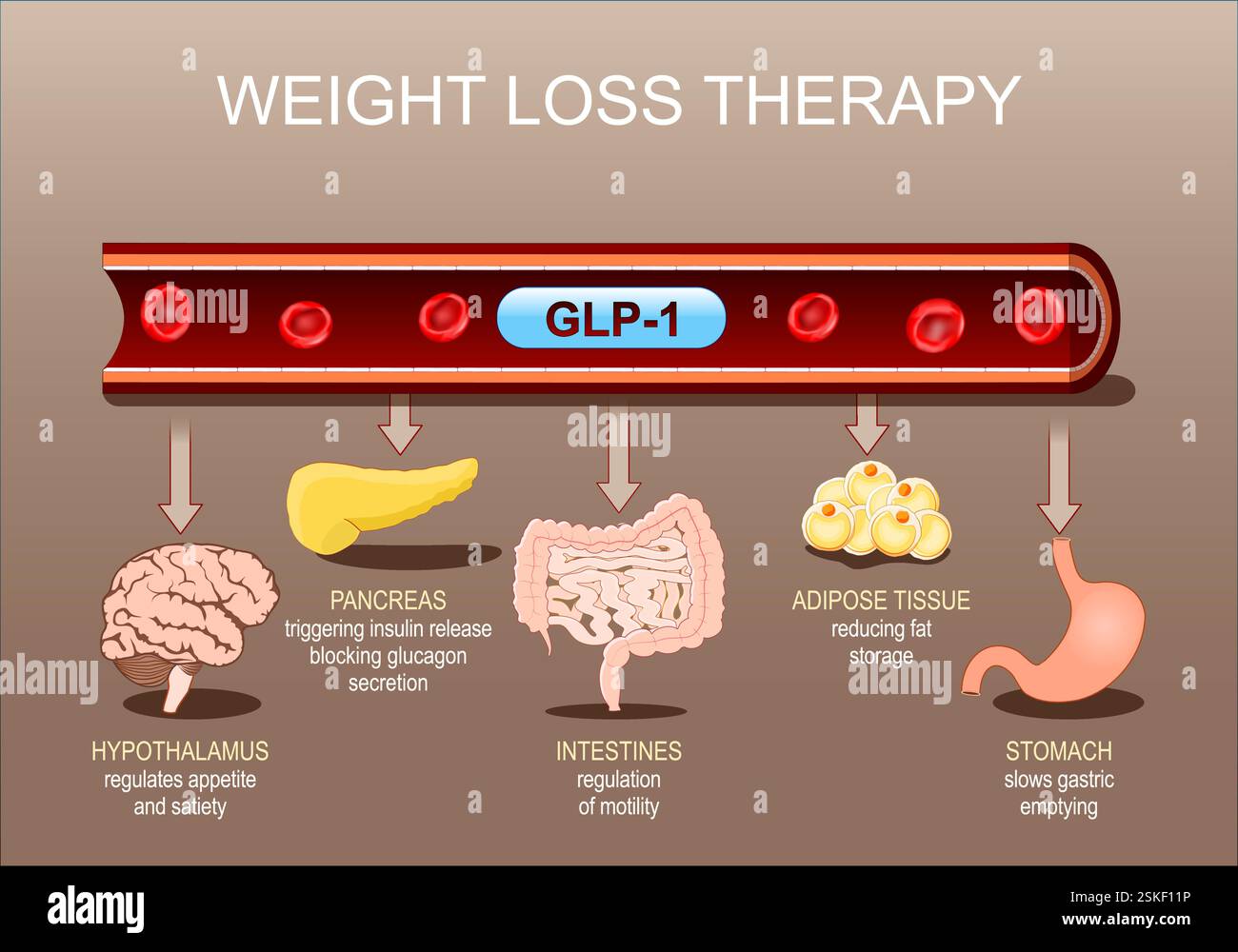
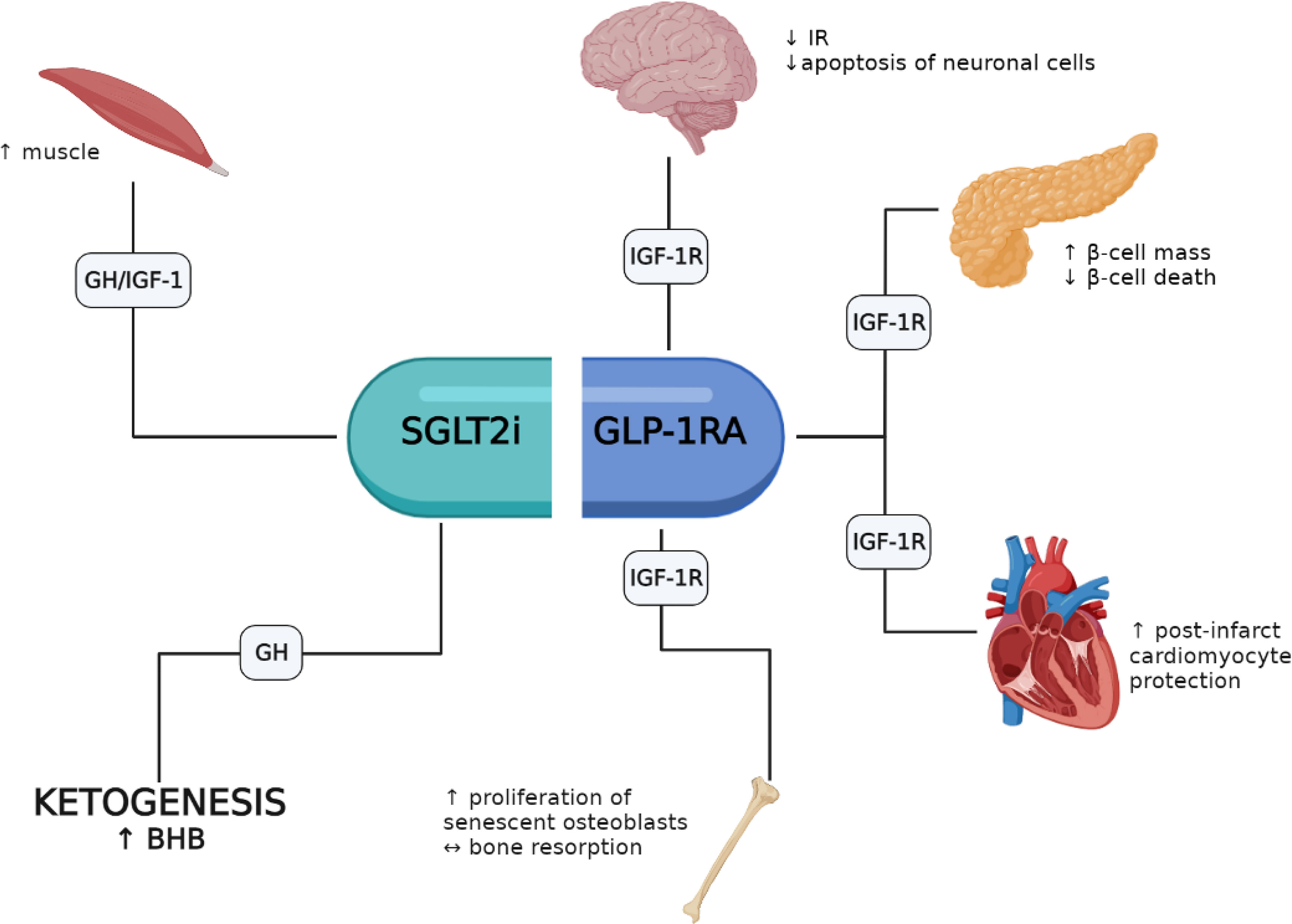
GLP-1 receptor agonists, such as semaglutide and tirzepatide, mimic the action of the naturally occurring hormone glucagon-like peptide-1, which regulates blood sugar levels and appetite. By slowing gastric emptying, reducing appetite, and improving insulin sensitivity, GLP-1RAs have shown promising results in weight loss and metabolic improvement in PCOS patients.
Combined Benefits of Intermittent Fasting and GLP-1 Therapy for PCOS
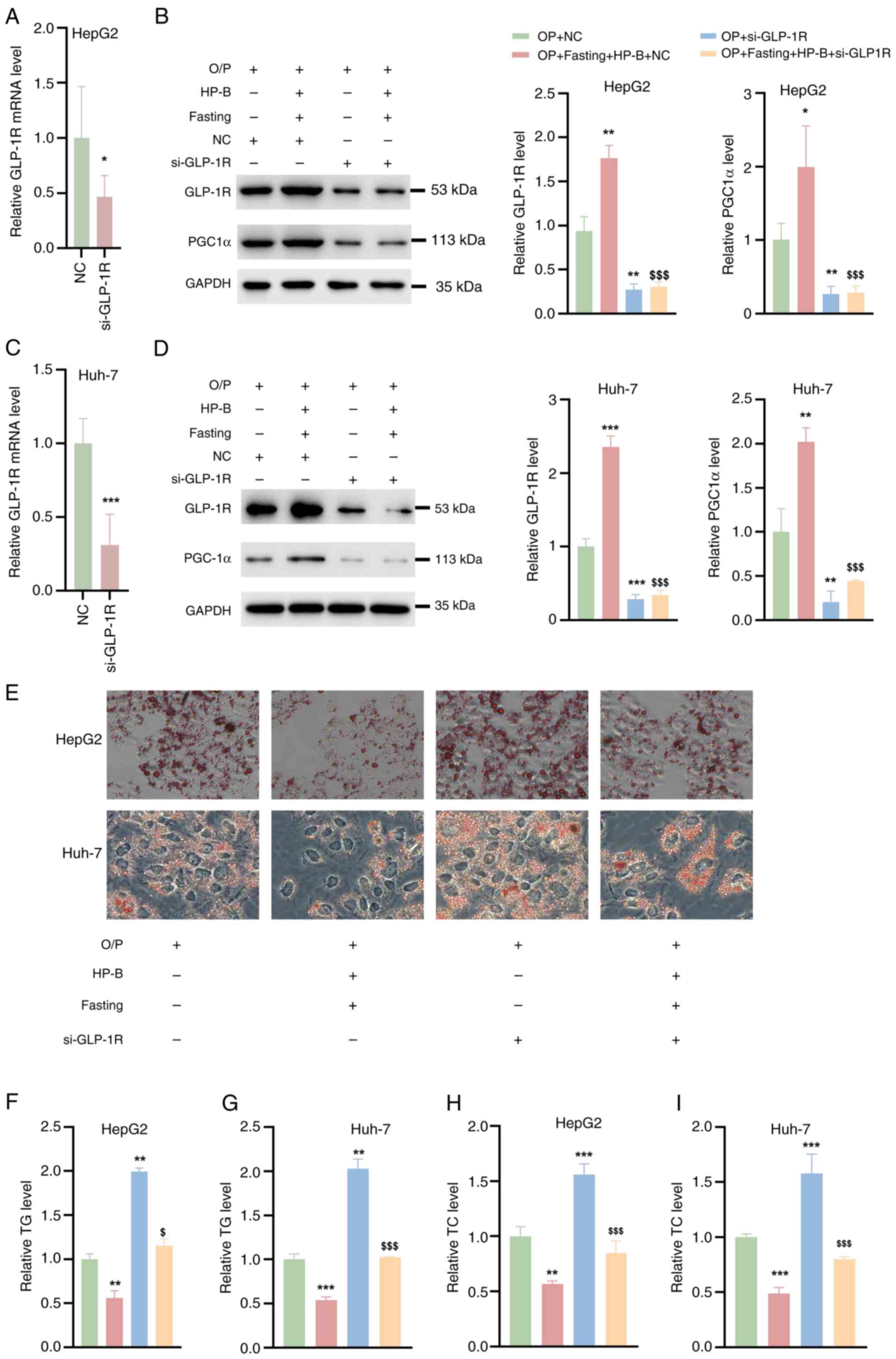
Research suggests that integrating IF with GLP-1RA therapy may provide a synergistic effect, leading to enhanced benefits for PCOS patients. This approach addresses both the metabolic and reproductive aspects of the disease, offering a comprehensive treatment plan.