Lifelong Stress Eating Habits: Understanding the Connection and Breaking the Cycle
Stress eating is a common behavior that can have serious consequences on our physical and mental health. According to recent studies, childhood stress may cause lifelong digestive problems, and research shows that early trauma disrupts the brain-gut communication, leading to irritable bowel syndrome (IBS) and other digestive issues.
The Science Behind Stress Eating
When we experience stress, our body releases cortisol, a hormone that helps us respond to the threat. However, chronic stress can lead to elevated cortisol levels, which can affect our appetite and eating habits. Women with high chronic stress levels tend to engage in emotional eating, which can lead to a cycle of guilt, shame, and further stress.
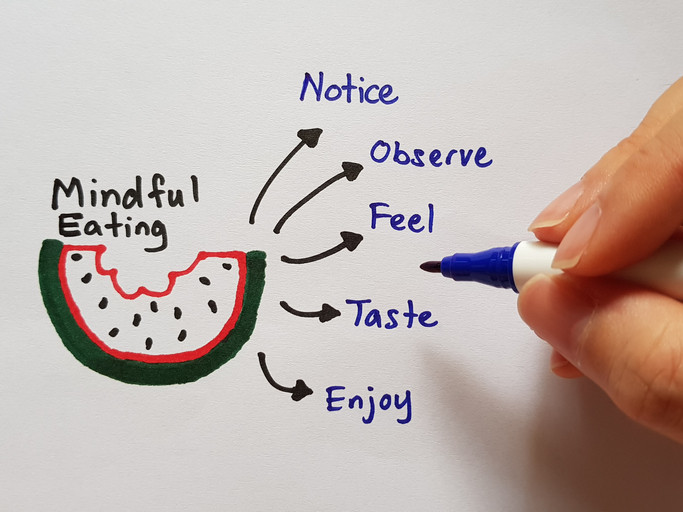
Emotional eating is a complex problem, and there is no one-size-fits-all solution. However, by developing awareness, creating new habits, and practicing self-compassion, we can start to break the cycle. Mindful and intuitive eating can help us understand our feelings and stress responses, and learn healthier ways to cope with emotions.
Practical Strategies to Manage Stress Eating
- Meditation and Relaxation Techniques: Practicing deep breathing or conscious awareness of our thoughts and body can help reduce tension and regulate our emotions, helping us manage stress in a healthy way without turning to stress eating.
- Exercise: Exercise releases endorphins, hormones that reduce stress and boost feelings of happiness.
- Healthy Eating Habits: Focus on whole, nutrient-dense foods, and avoid sugary or processed foods that can exacerbate stress eating.
- Self-Care: Prioritize activities that bring us joy and relaxation, such as reading, listening to music, or spending time in nature.