Understanding the Relationship Between Suppression of GLP-1 and Stress
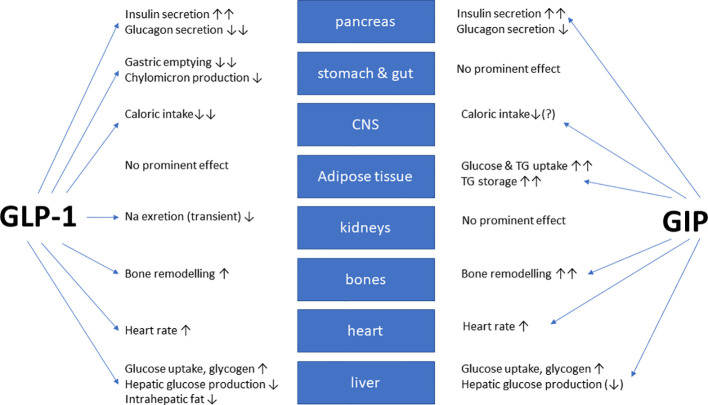
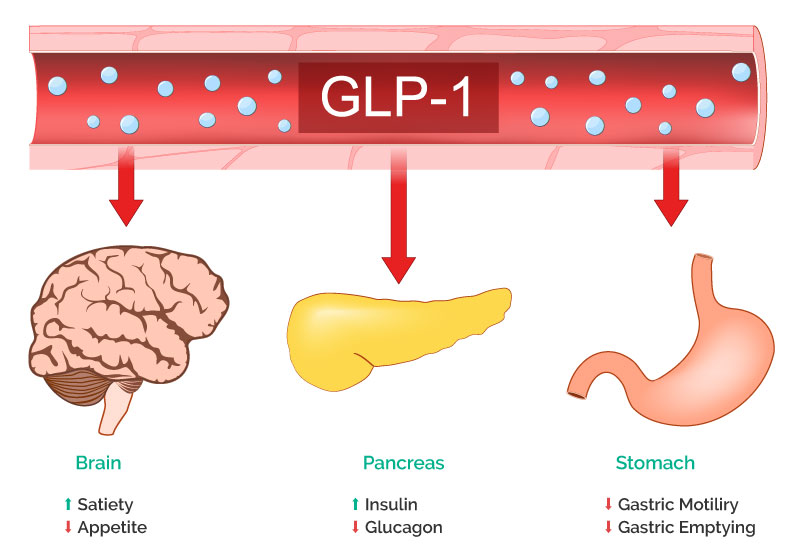
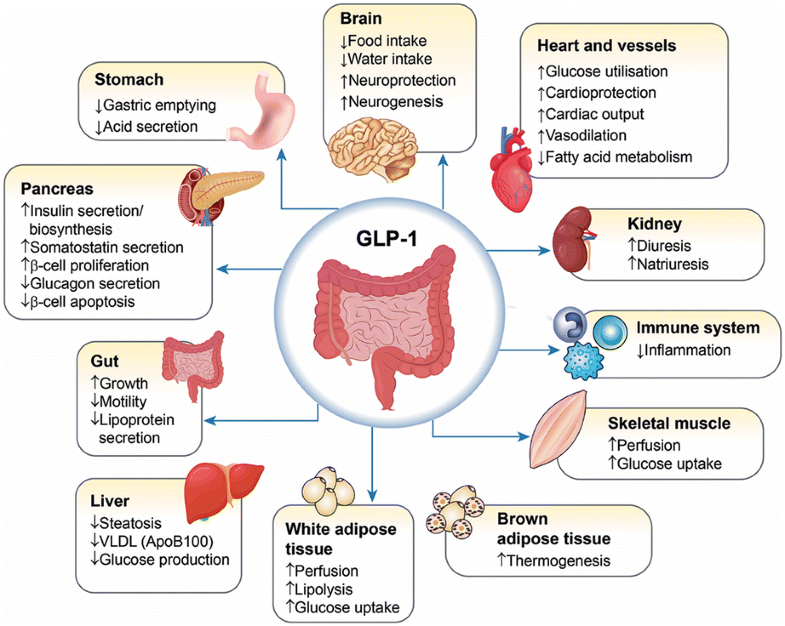
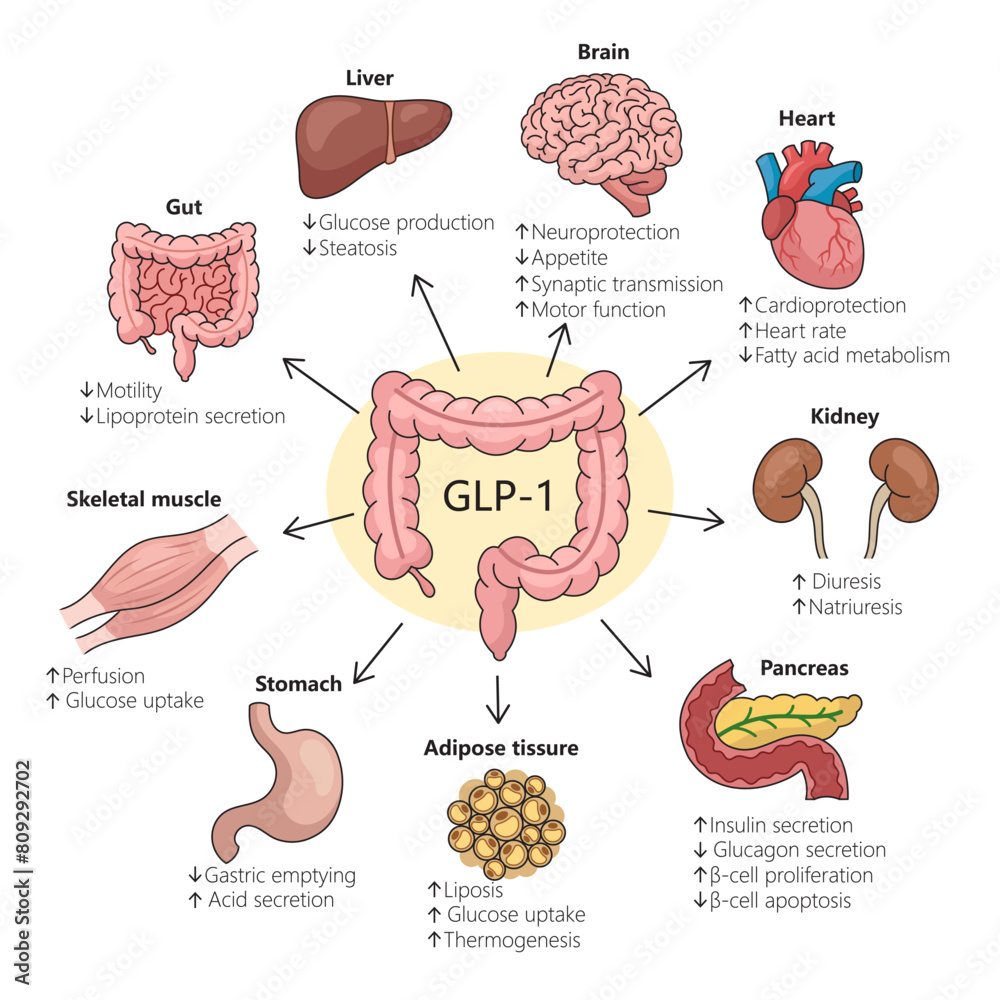
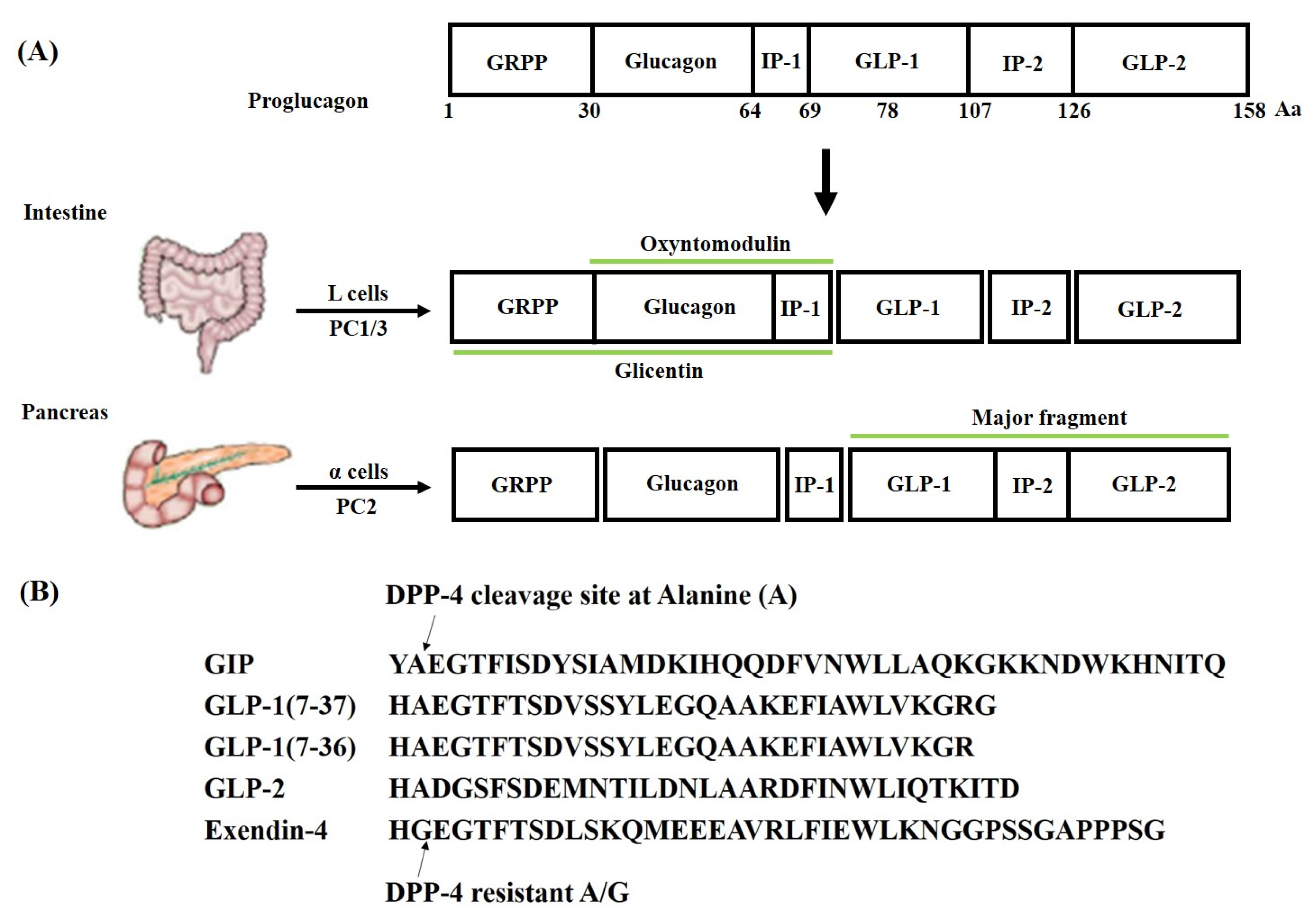
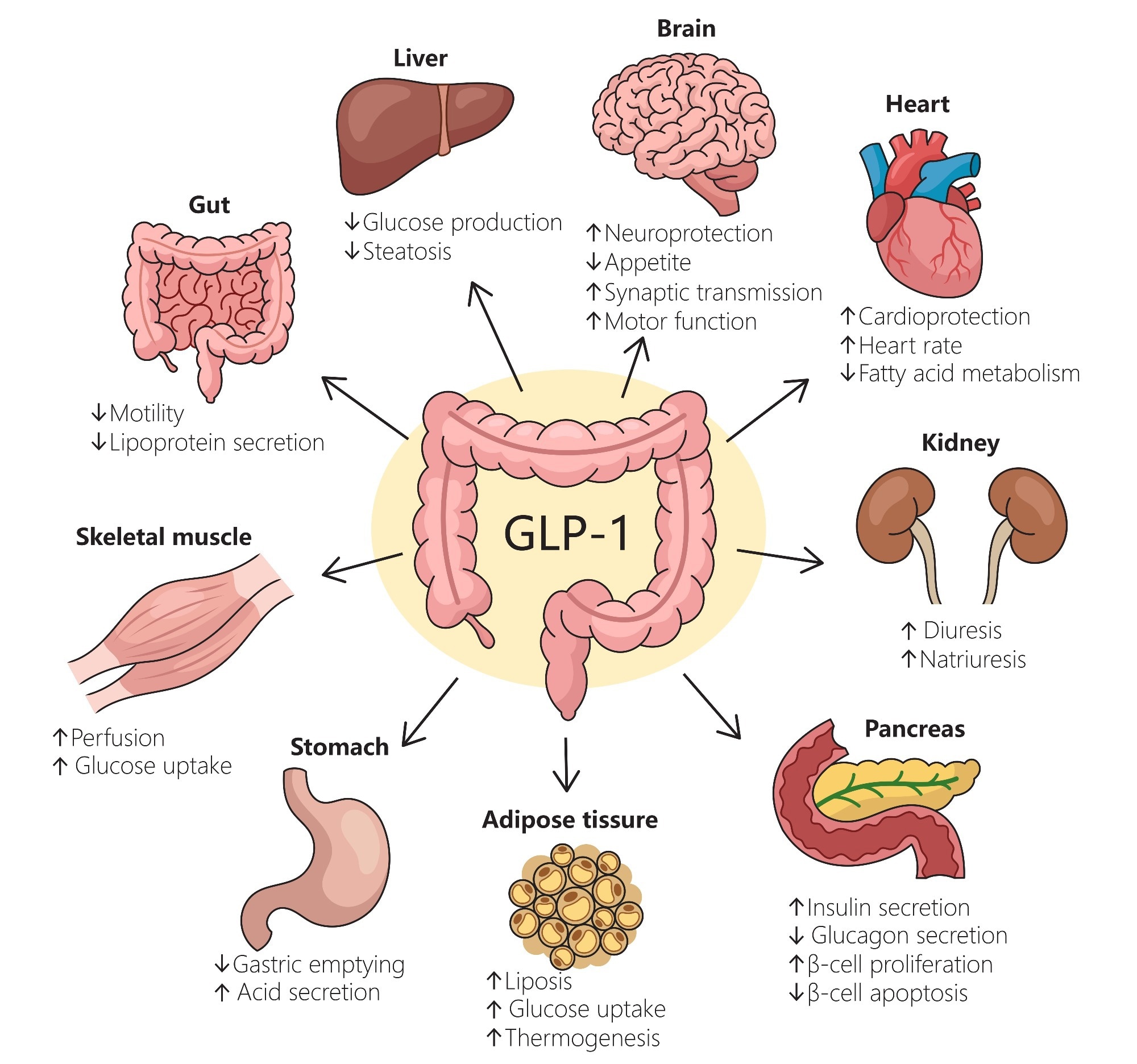
The gut-brain axis plays a significant role in regulating various physiological processes, including stress response and eating behavior. One of the key players in this axis is glucagon-like peptide-1 (GLP-1), an incretin hormone produced by the intestines in response to food intake. Research has shown that GLP-1 signaling is involved in the regulation of stress-induced colonic motility and has a potential role in emotion and stress regulation. In recent years, several studies have investigated the impact of GLP-1 suppression on stress response and eating behavior.
Stress and GLP-1 Suppression
Studies have demonstrated that acute stress reduces food intake in rats, but this effect can be reversed by administering GLP-1 receptor antagonists or CRH (corticotropin-releasing hormone) antagonists. This suggests that the interaction between central GLP-1 signaling and CRH is essential for stress-induced colonic motility. However, the pre-clinical literature has reported divergent effects of GLP-1 exposure on stress, anxiety, and mood, highlighting the complex relationship between this hormone and stress regulation.

GLP-1 Receptor Agonists and Stress
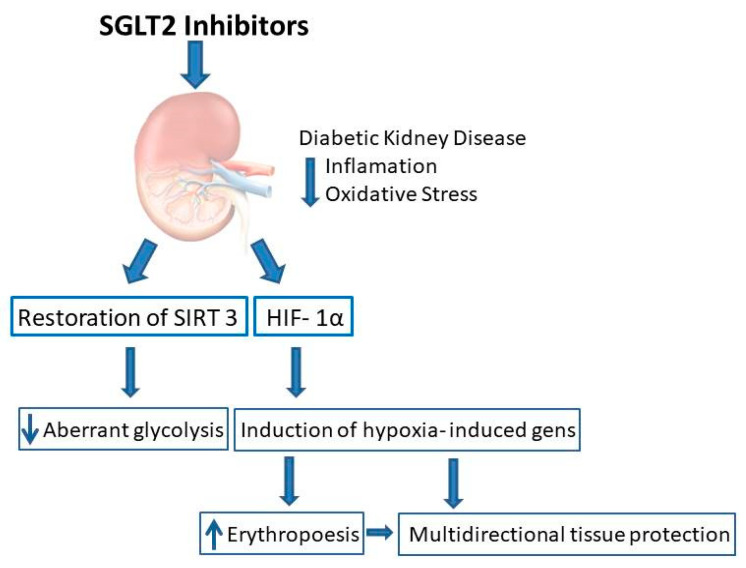
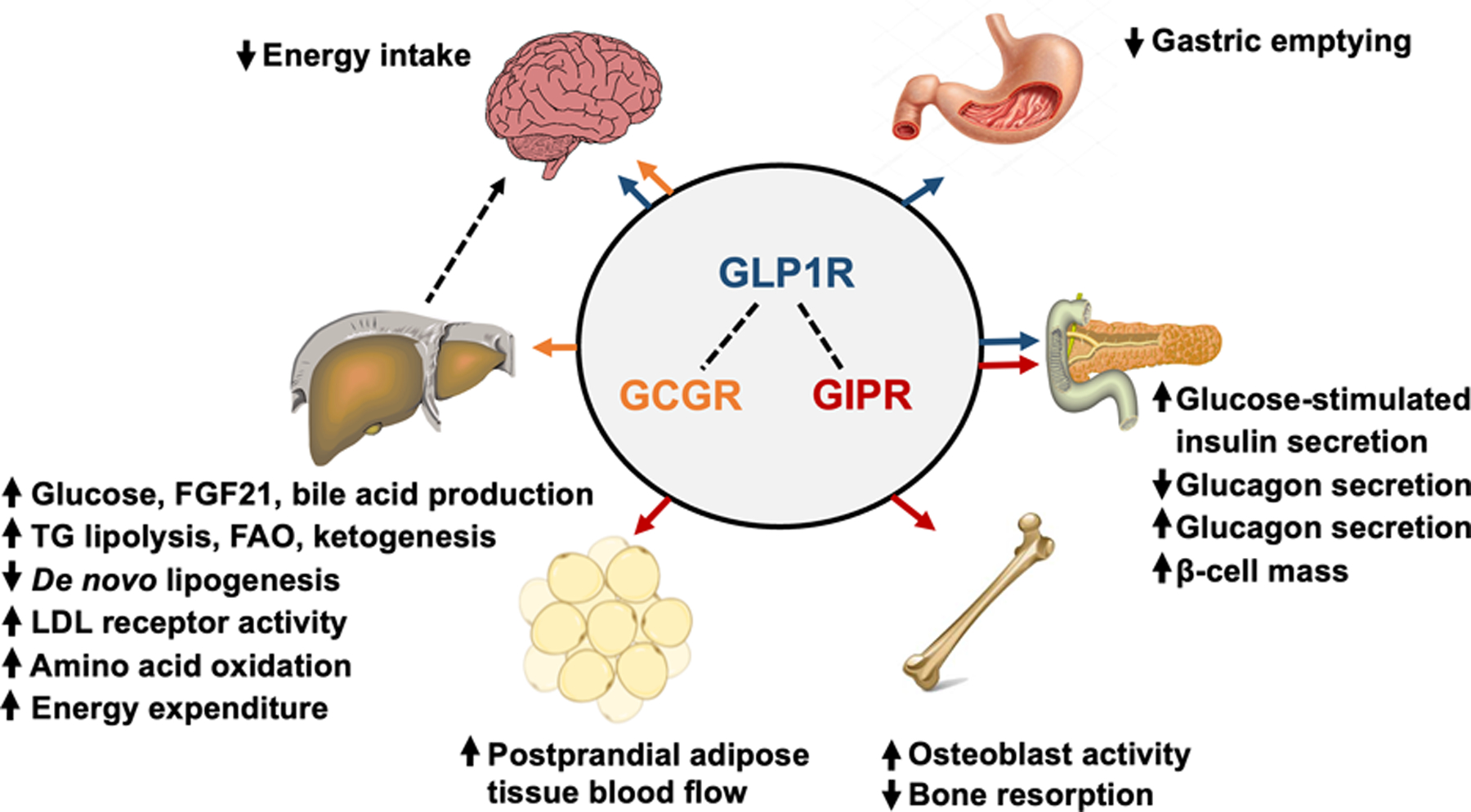
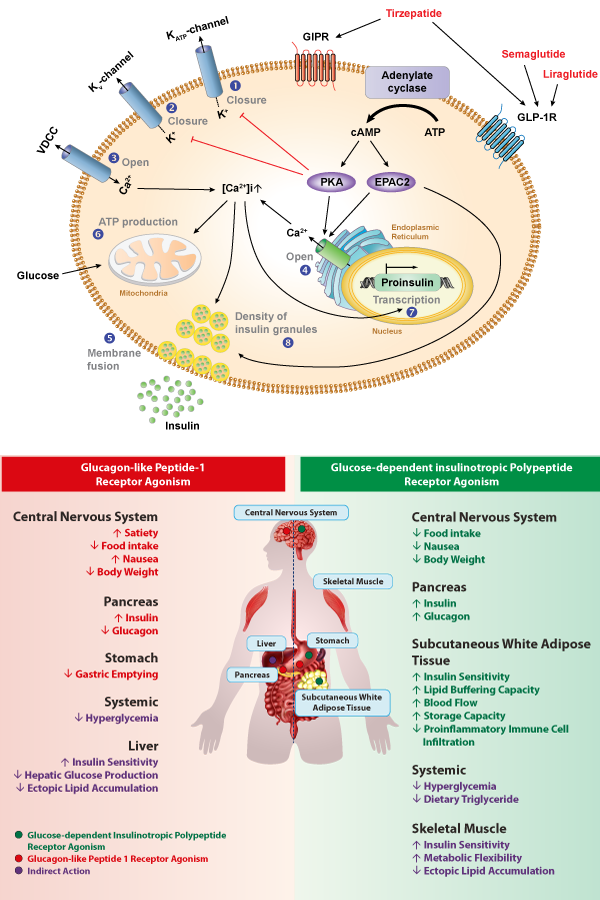
GLP-1 receptor agonists have emerged as a promising therapeutic option for diabetes management, with potential benefits for kidney health protection. Research has shown that these medications can reduce inflammation, improve vascular and endothelial health, enhance mitochondrial function, support metabolic flexibility, and reduce oxidative stress. However, concerns have been raised about the widespread use of GLP-1 receptor agonists, which may fuel sizeism and eating disorders.