Water Heater Replacement Rules: A Comprehensive Guide
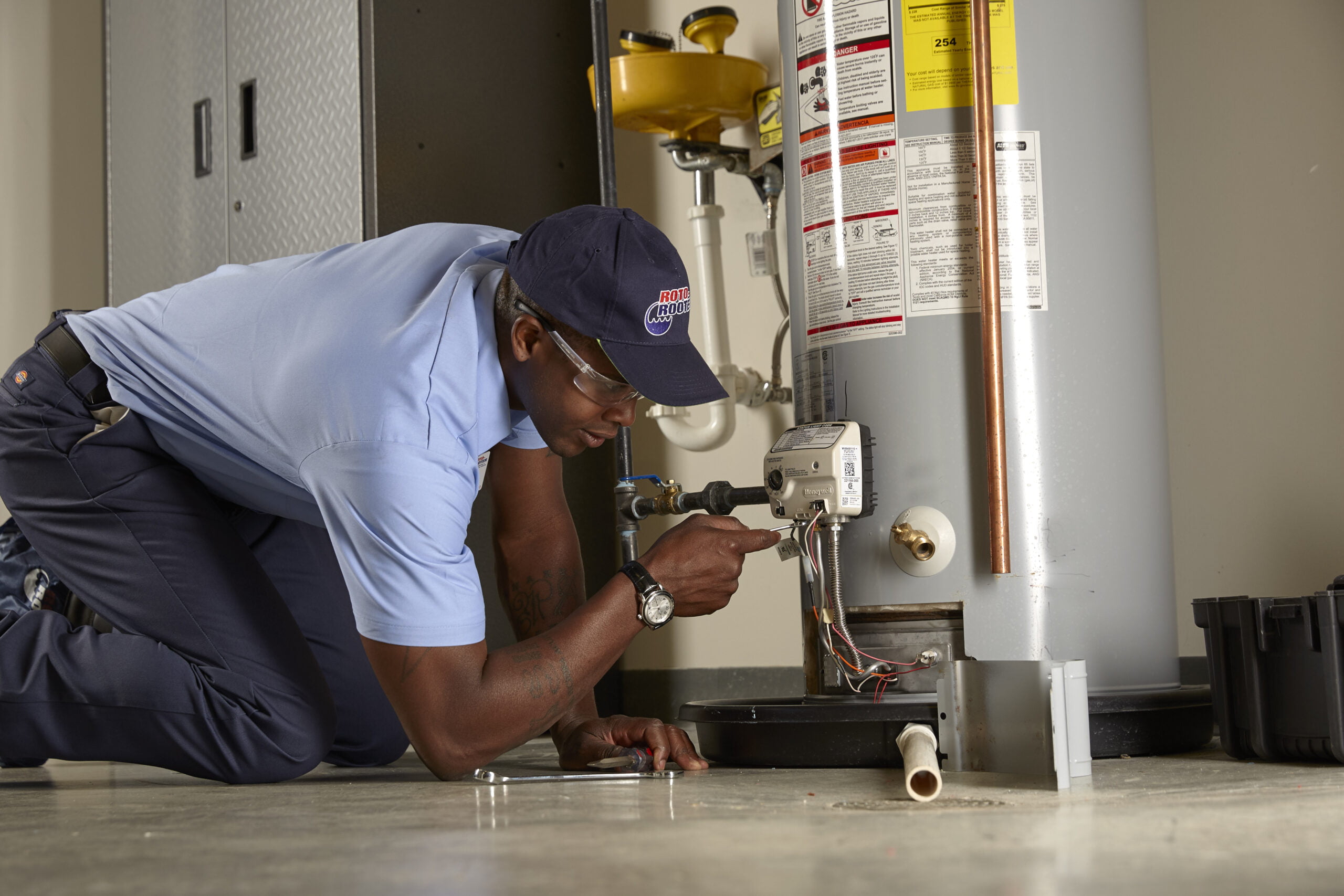
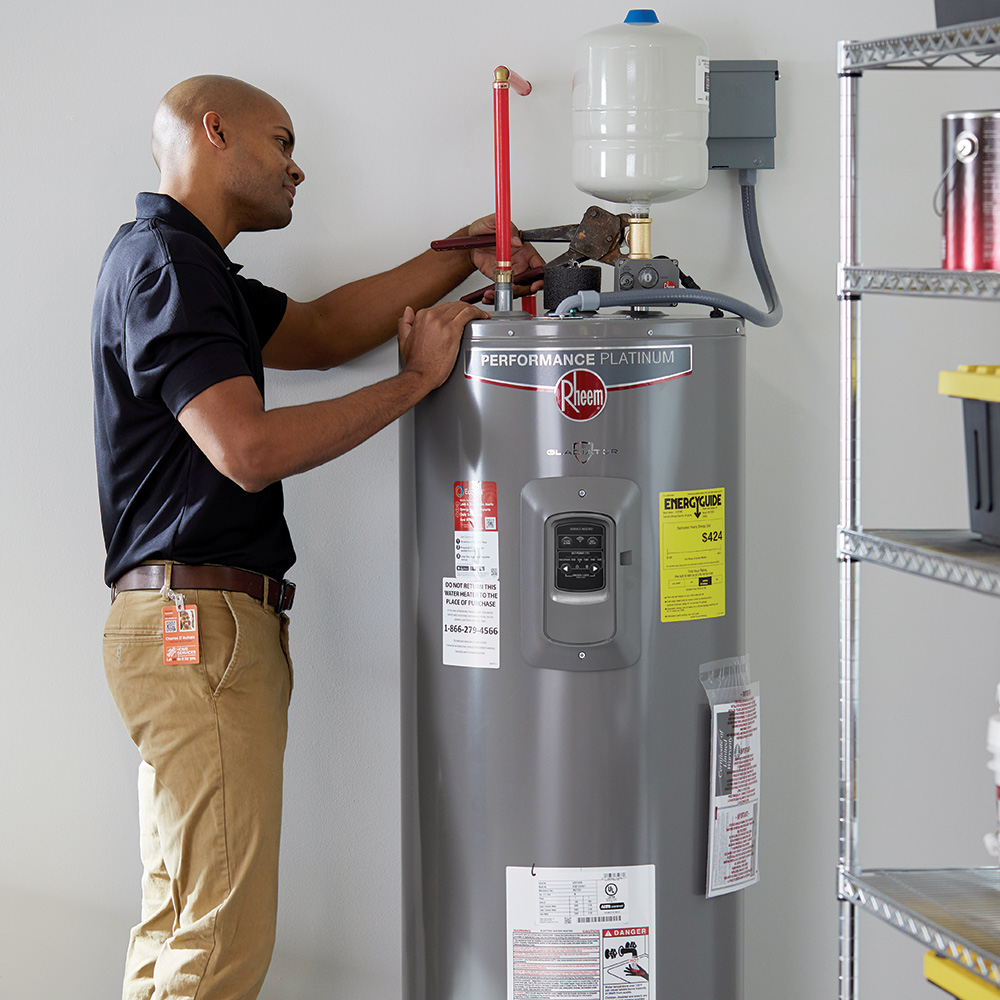
When it comes to water heater replacement, there are several key rules and regulations to be aware of. Whether you're a homeowner, plumber, or HVAC technician, understanding these rules will help ensure a safe and efficient water heater installation. In this article, we'll cover the essential water heater replacement rules for homeowners and professionals, helping you navigate the process with confidence.
Why Water Heater Replacement Rules Matter
Water heaters are a crucial appliance in any home, providing hot water for daily activities. However, as energy efficiency regulations have evolved over the years, the rules surrounding water heater replacement have become increasingly important. These regulations aim to reduce energy consumption and lower utility bills for homeowners. By following these rules, you'll not only ensure compliance with local building codes but also promote safety and efficiency in your home.
Do I Need a Permit for Water Heater Replacement?
One of the most common questions surrounding water heater replacement is whether a permit is required. The answer is yes, almost always. A permit is typically necessary to ensure compliance with local building codes and regulations. This applies to both new and replacement water heaters. Homeowners may assume this is a simple task, but the reality is that there are regulations in place that often require a permit for work on appliances like water heaters. Understanding these requirements is essential to ensure safety, compliance, and peace of mind.