Understanding Export License Requirements for Global Trade
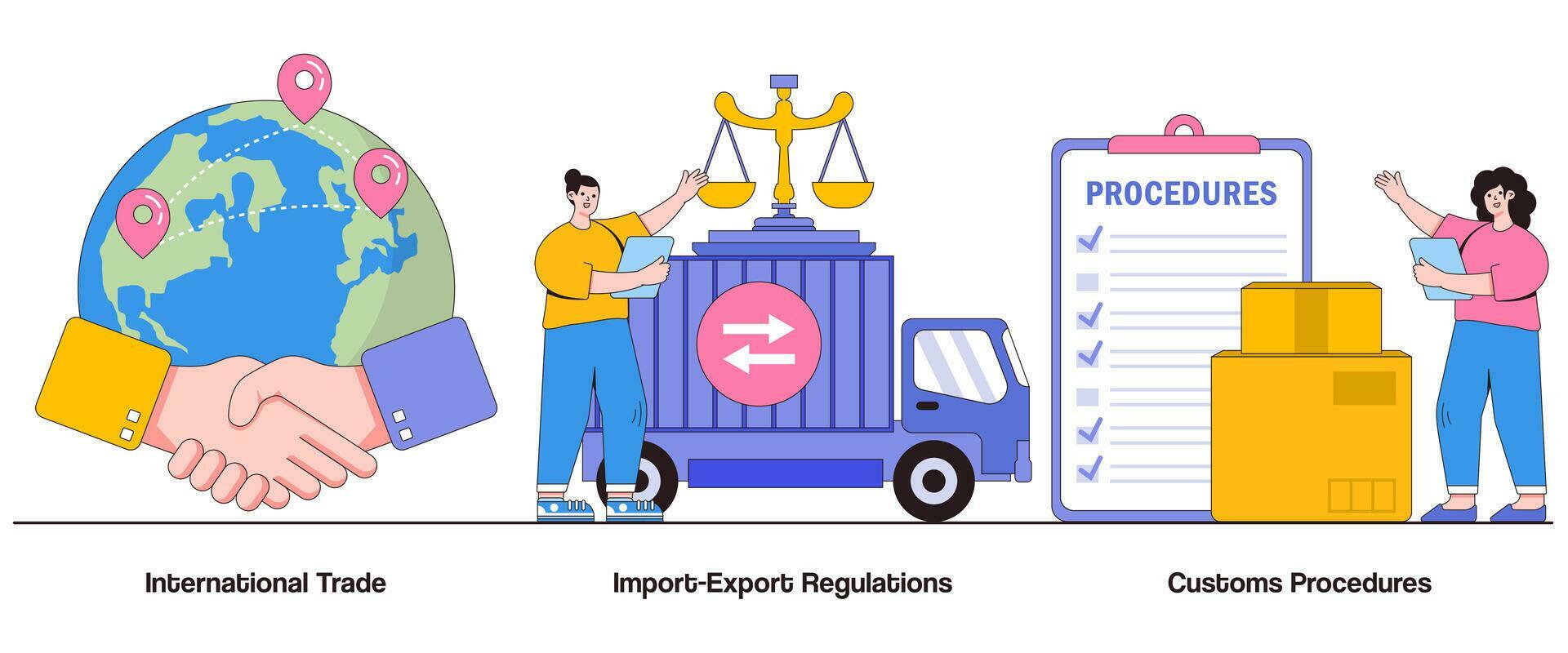
Exporting goods or services across international borders requires a deep understanding of export license requirements for global trade. The intricacies of global trade regulations can be overwhelming, but gaining knowledge of export license requirements can help you navigate this complex landscape effectively. In this article, we will delve into the world of export licenses, discussing their importance, types, and requirements to ensure compliance in the global trade industry.
What are Export Licenses?
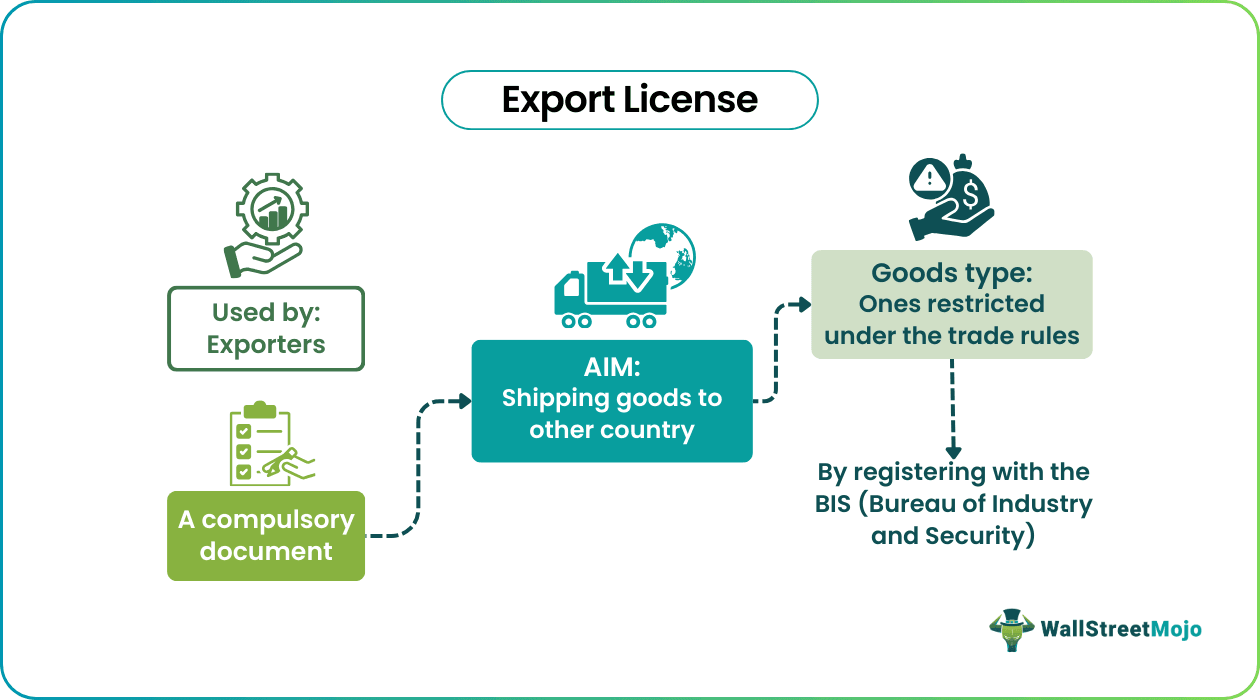
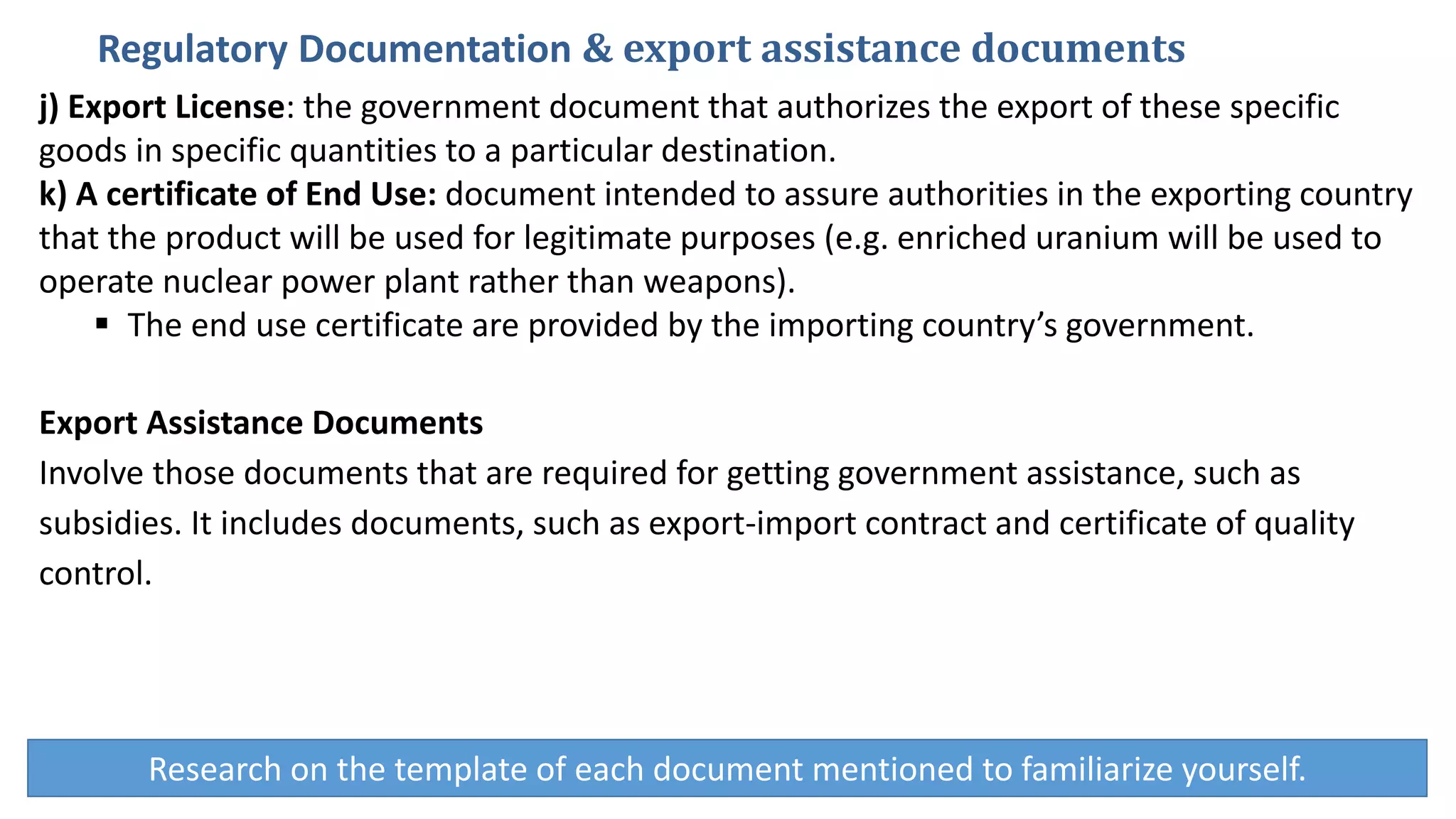
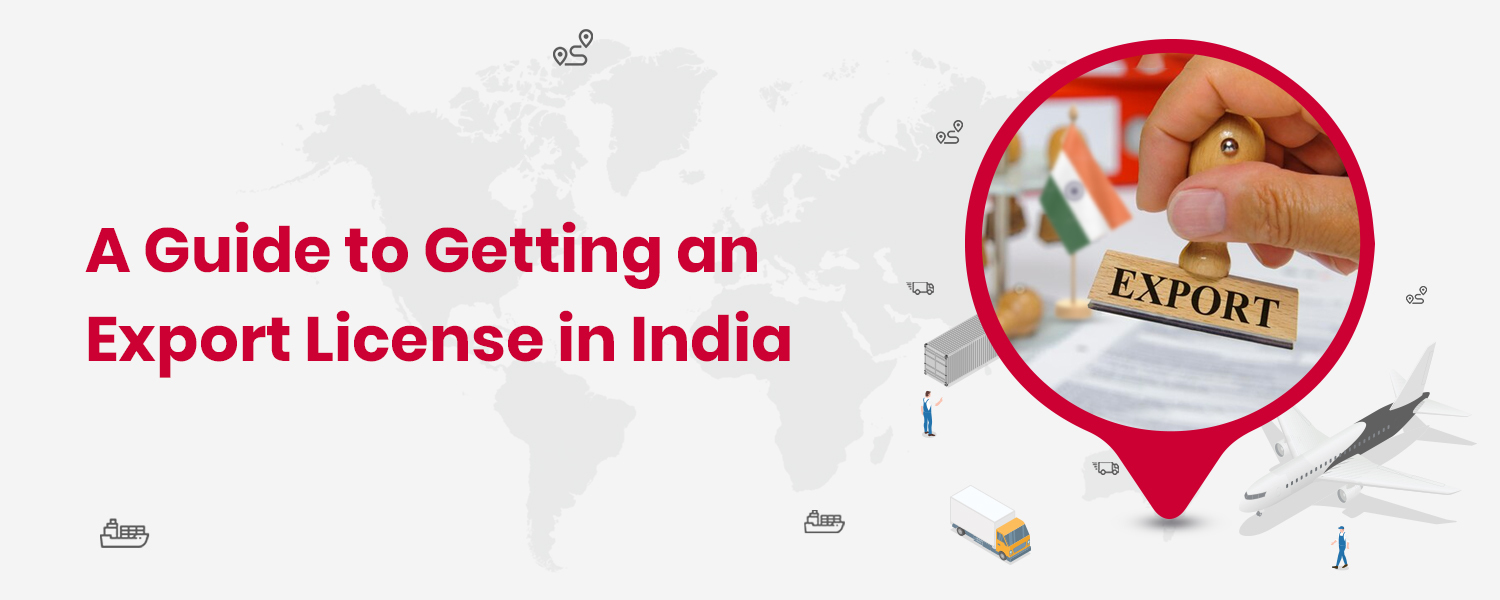
An export license is a government document that authorizes or grants permission to conduct a specific export transaction, including the export of technology. It serves as a vital checkpoint to ensure that products meet the required regulations and standards before they are exported across international borders.
Importance of Export Licenses
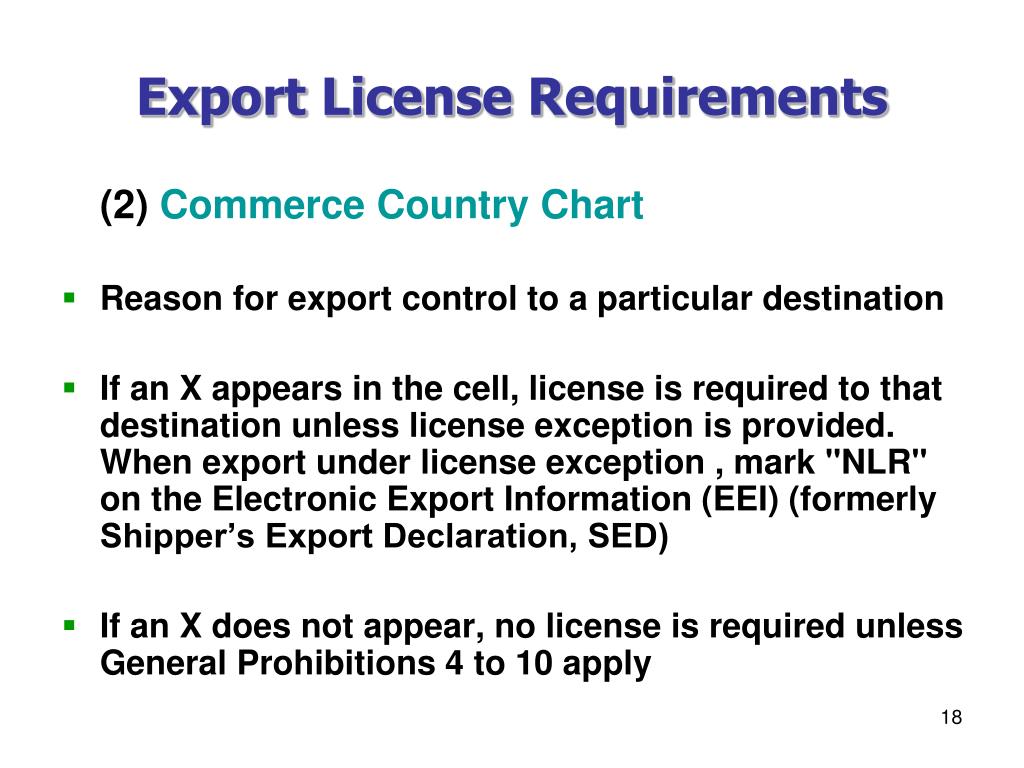
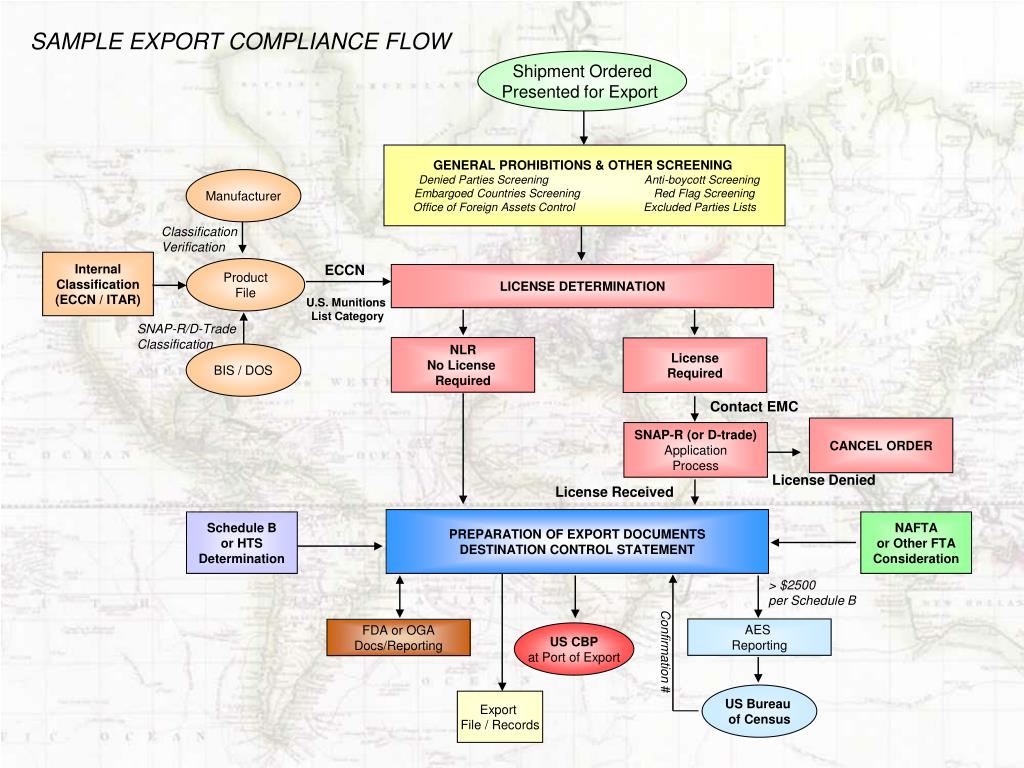
Export licenses are critical in regulating the movement of goods across borders in the global trade industry. They enable governments to enforce compliance with their export regulations and protect national security interests. Without an export license, you risk violating laws and regulations, which can lead to severe penalties, fines, and damage to your business reputation.
Types of Export Licenses
- Commodity License: Required for the export of specific commodities, such as weapons and defense-related items.
- Technology License: Needed for the export of sensitive technologies, including software and technical data.
- Service License: Required for the provision of services, such as engineering and technical services.
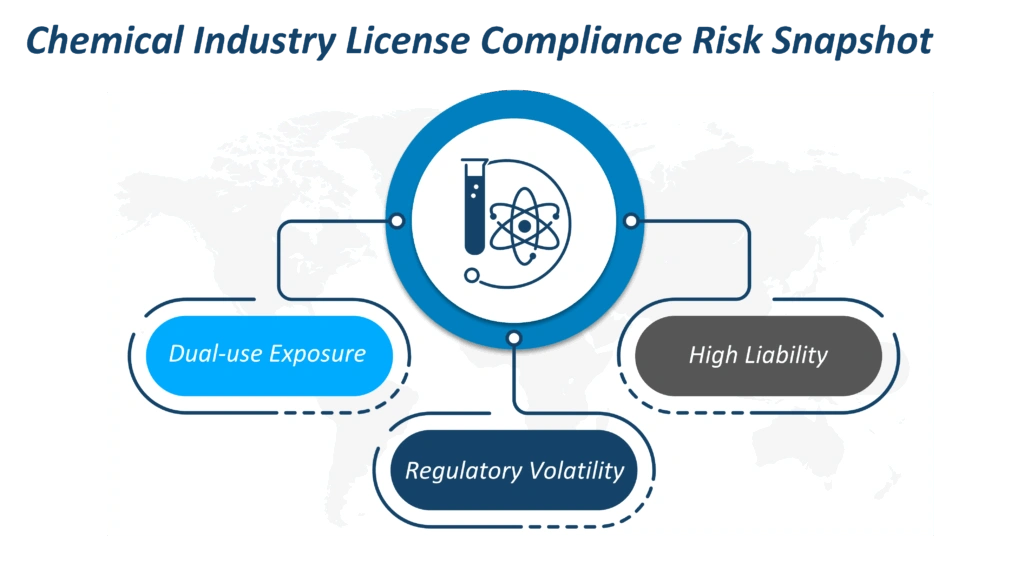
- Other License: Includes licenses for specific industries, like nuclear-related and dual-use items.