Export License Requirements for USA: A Comprehensive Guide
The landscape of export license requirements in the US continues to evolve, with new regulations and enhanced enforcement mechanisms shaping international trade. Understanding these requirements is crucial for businesses engaging in global commerce, as non-compliance can result in severe penalties and restrictions on future export activities.
The Three Key Agencies
The United States government maintains a comprehensive system of export controls, regulating the shipment of certain goods, software, and technology to foreign destinations. The three key agencies responsible for enforcing export regulations are the Bureau of Industry and Security (BIS), the Department of State's Directorate of Defense Trade Controls (DDTC), and the Office of Foreign Assets Control (OFAC).
Export Administrations Regulations (EAR)
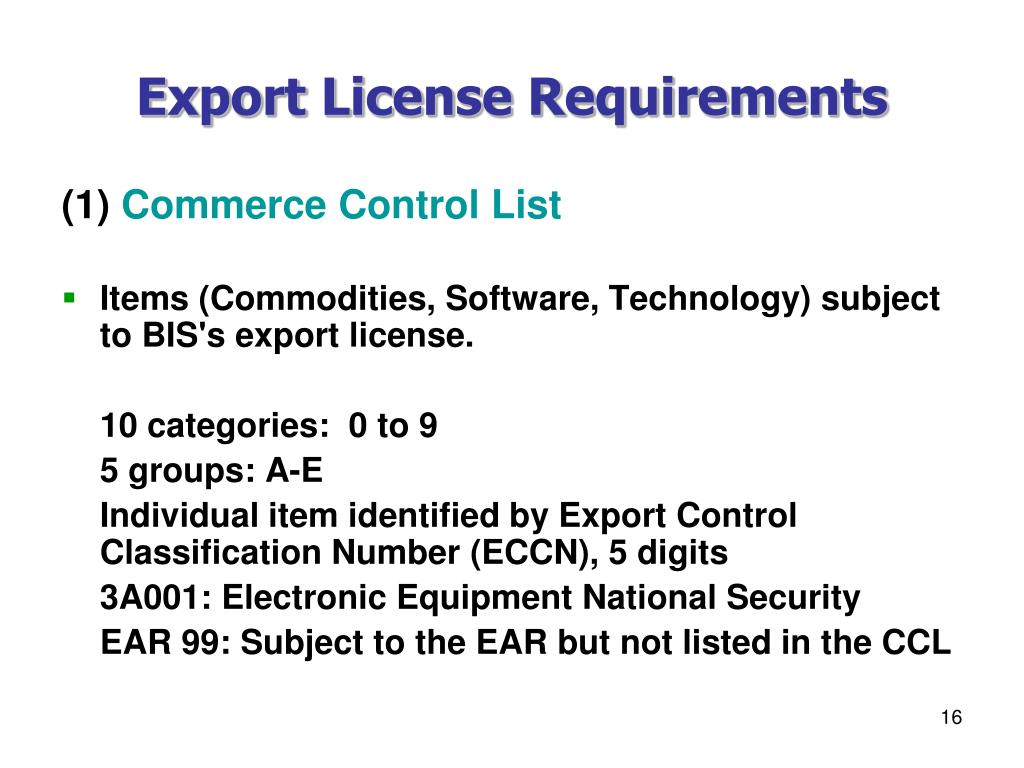
The EAR are a set of United States export guidelines and prohibitions administered by the Bureau of Industry and Security, regulating the export restrictions of sensitive goods. The EAR apply to most U.S. origin items, foreign-produced items that incorporate controlled U.S. items, and certain "foreign-produced direct products" of U.S. technology.
Export Administration Regulations (EAR) Overview
- Understand the scope of EAR, which covers most U.S. origin items and certain foreign-produced items.
- Be aware of the export restrictions on sensitive goods, including dual-use items, defense articles, and certain technologies.
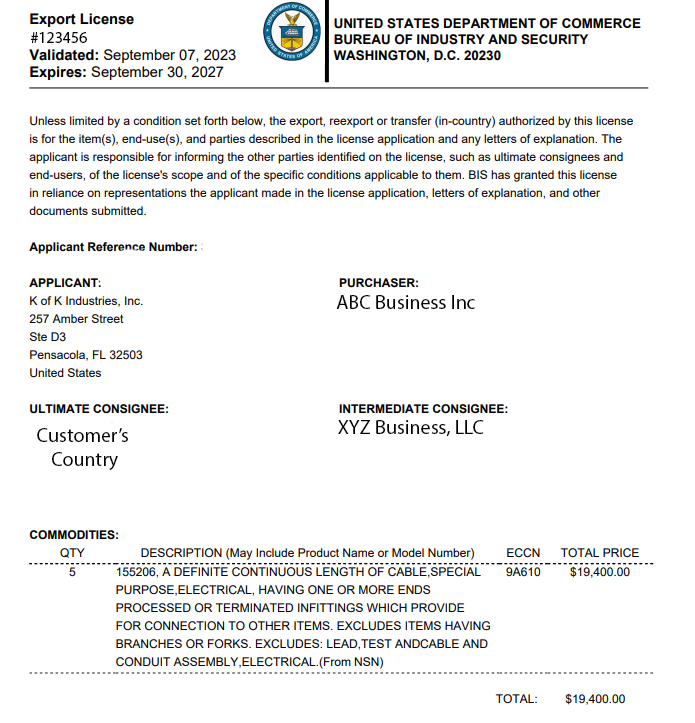
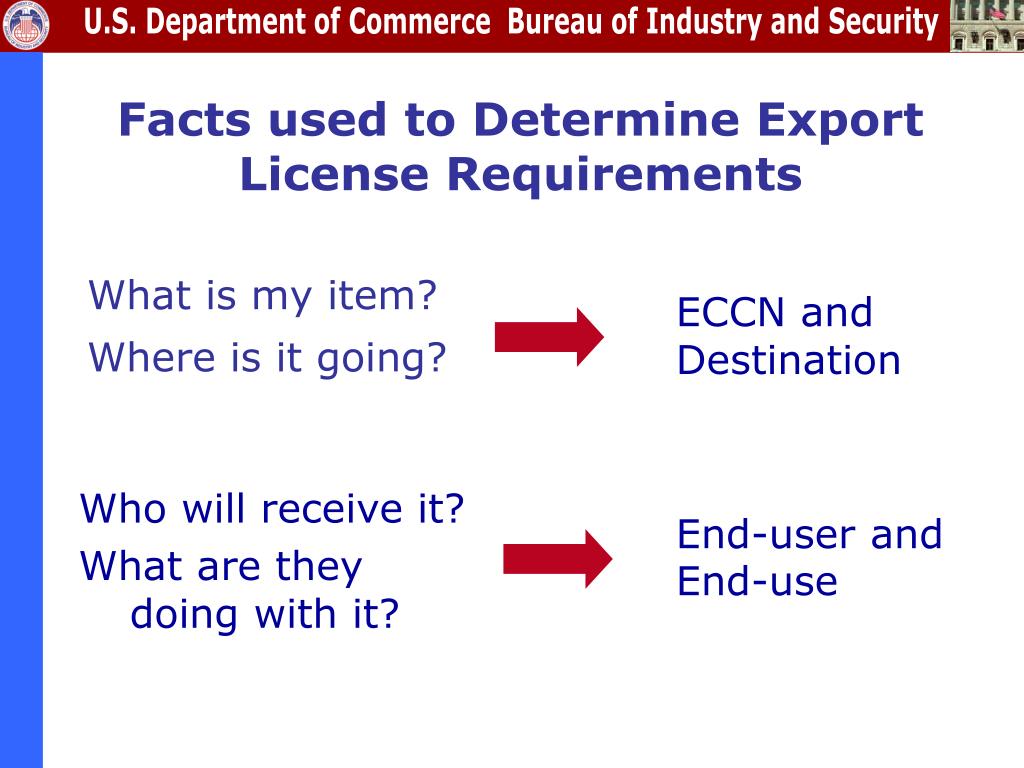
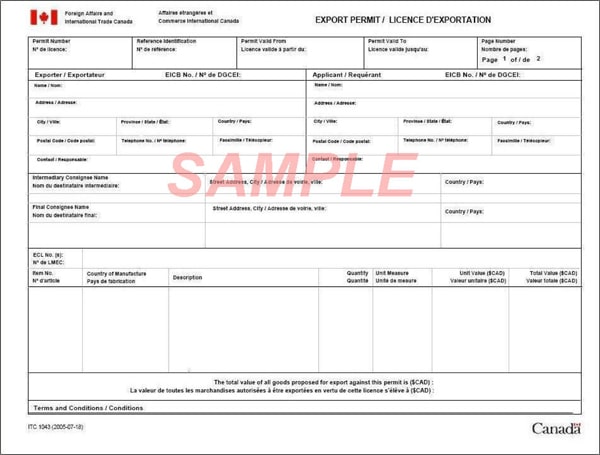
- Understand the licensing requirements for export and re-export of controlled items.
- Know the penalties for non-compliance with EAR, including civil and criminal penalties.