Mastering the Art of Garden Crop Rotation for a Thriving Vegetable Garden
As a gardener, you're likely no stranger to the joys of cultivating a bountiful vegetable garden. However, have you ever stopped to consider the long-term health and productivity of your garden? That's where garden crop rotation comes in – a simple yet effective technique that can make all the difference in the world.
What is Garden Crop Rotation?
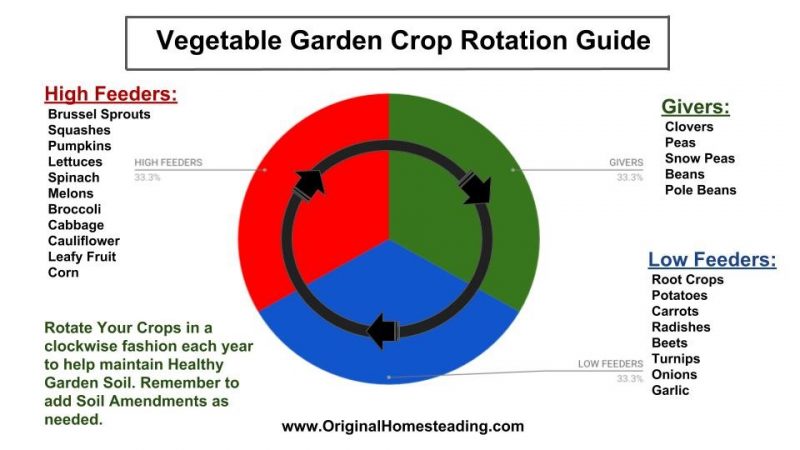
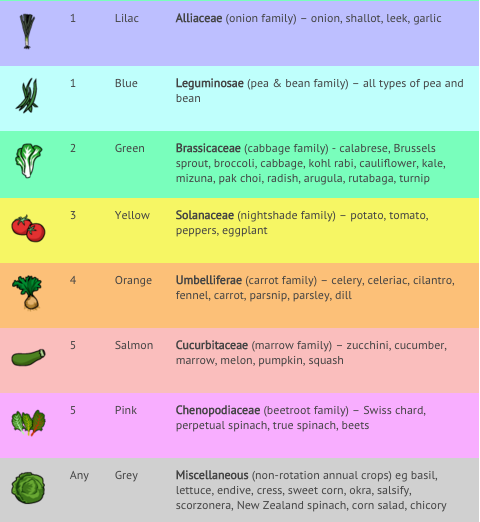
Crop rotation is the practice of changing what you grow in a particular garden bed from season to season or year to year. By rotating crops, you can prevent soil depletion, reduce pest buildup, and minimize disease. It's a vital practice for maintaining healthy soil and maximizing yields in a small backyard garden.
Benefits of Garden Crop Rotation

Prevents disease-causing pathogens from building up in soil
Reduces pest buildup and the need for pesticides
Maintains soil fertility and balance
Improves overall garden productivity
Helps prevent soil depletion
Why Crop Rotation is Important
Regularly growing the same crop in the same spot can lead to a buildup of diseases and pests, making it essential to rotate crops to maintain soil health. By changing the types of crops grown in a particular area each season, you disrupt pest cycles and reduce disease risk.




%20(1).JPG "How To Lay Out A Vegetable Garden - Your Cool Home")