Glucagon-like Peptide-1 (GLP-1) Integrates Food Intake with Energy Homeostasis
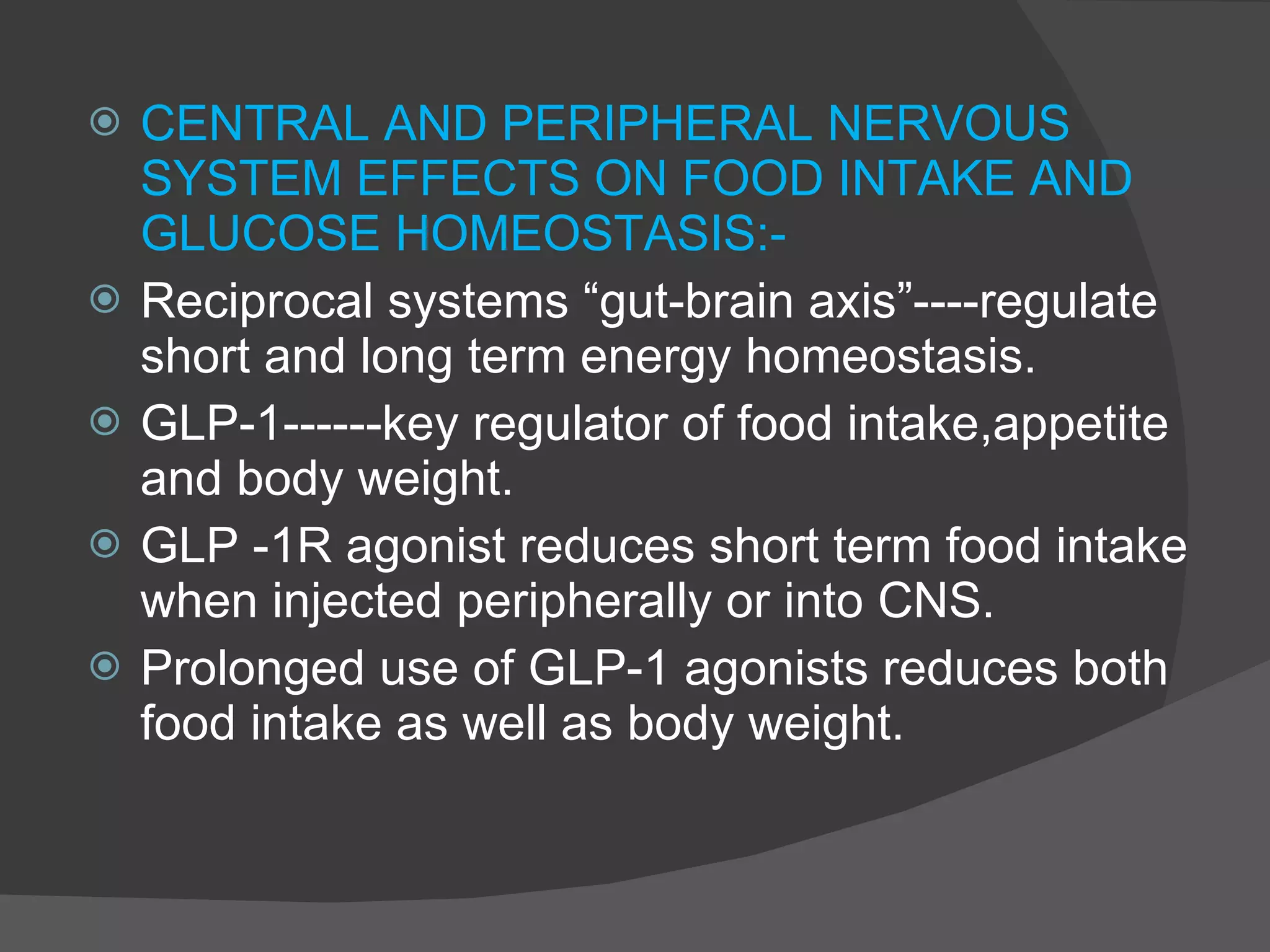
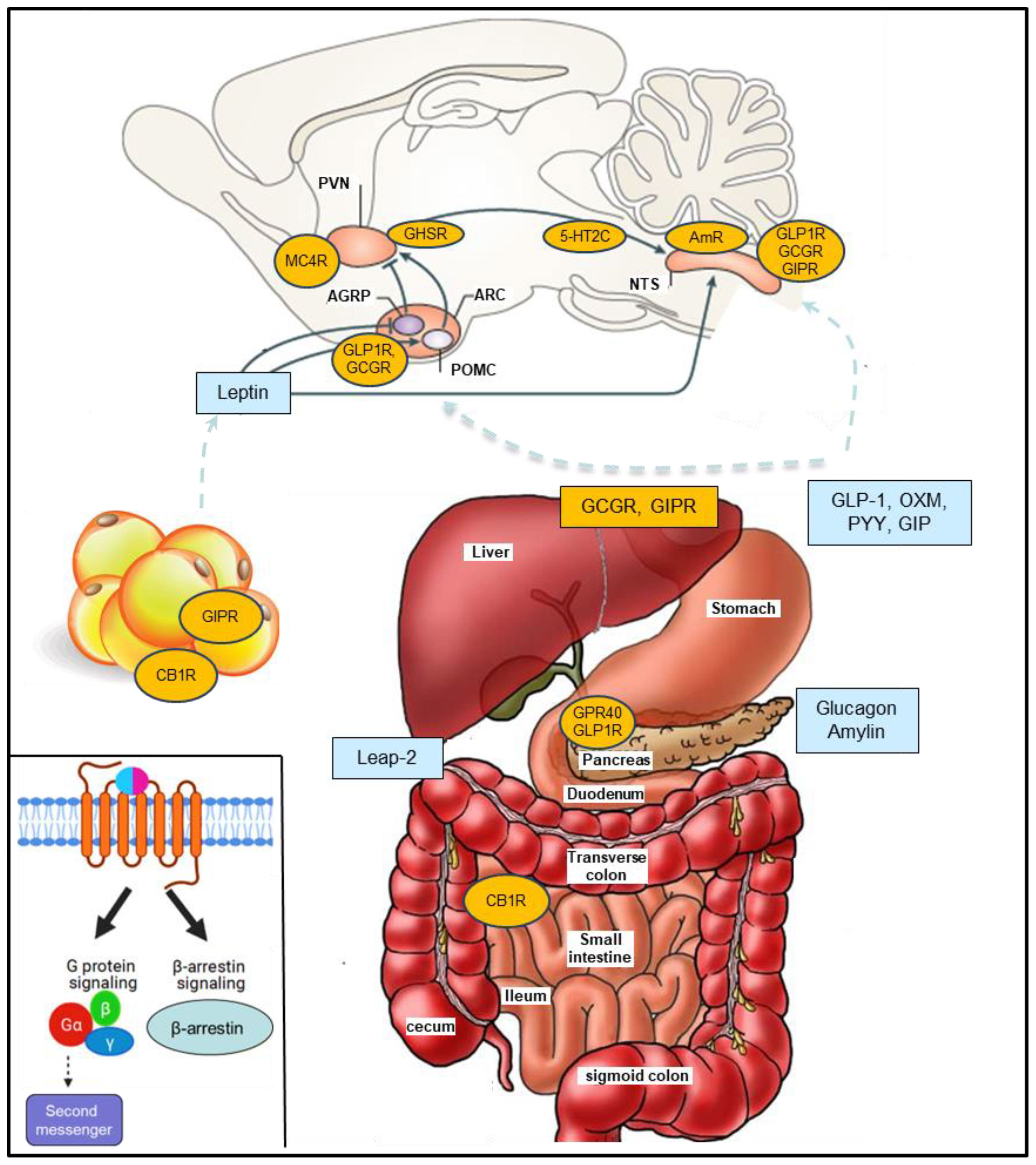
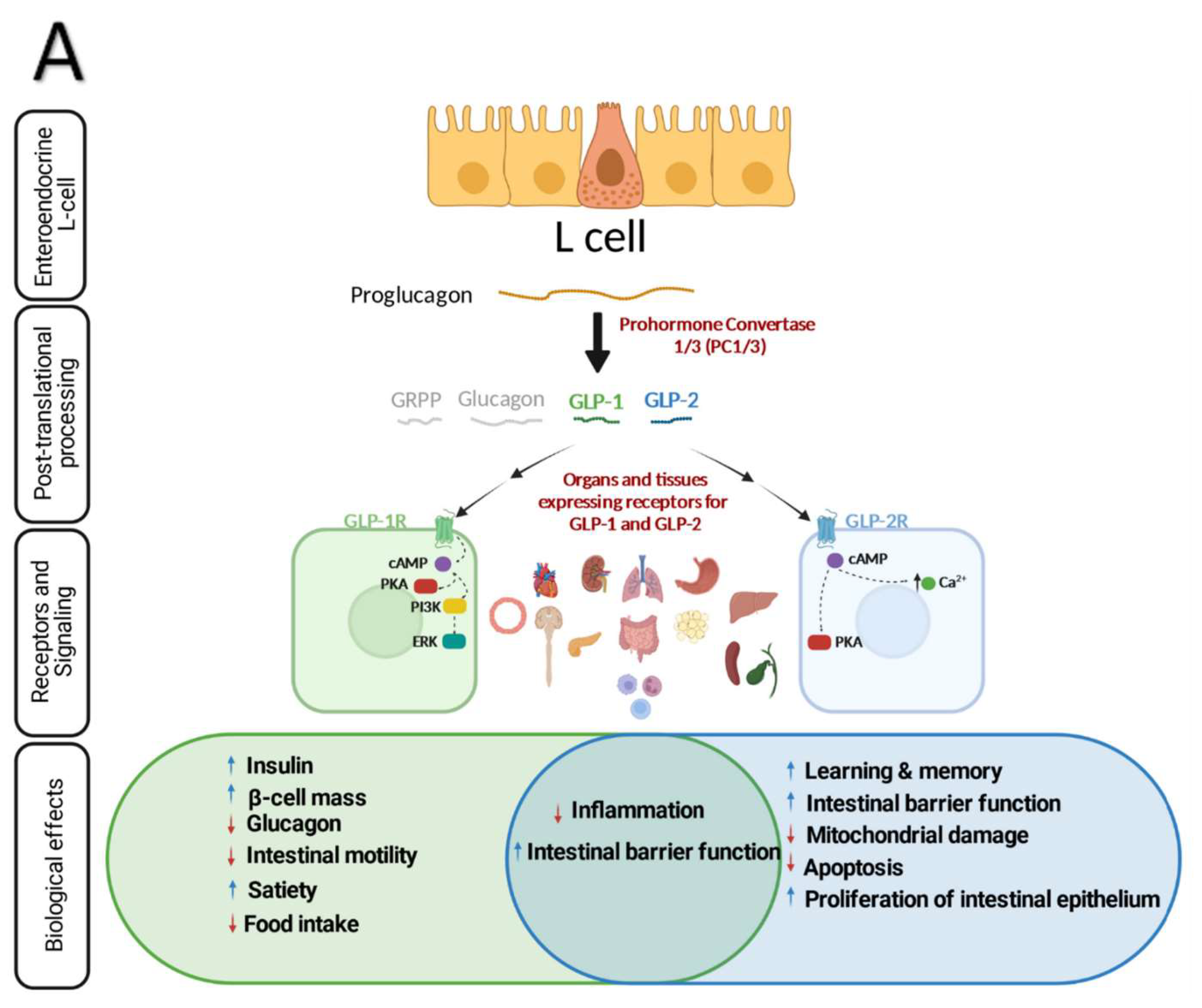
Glucagon-like peptide-1 (GLP-1) is a hormone and neuropeptide that plays a crucial role in regulating energy homeostasis by controlling food intake. Historically, its central role in food intake regulation has been largely attributed to GLP-1 receptor signaling in the brainstem and hypothalamus.
Regulation of Energy Homeostasis
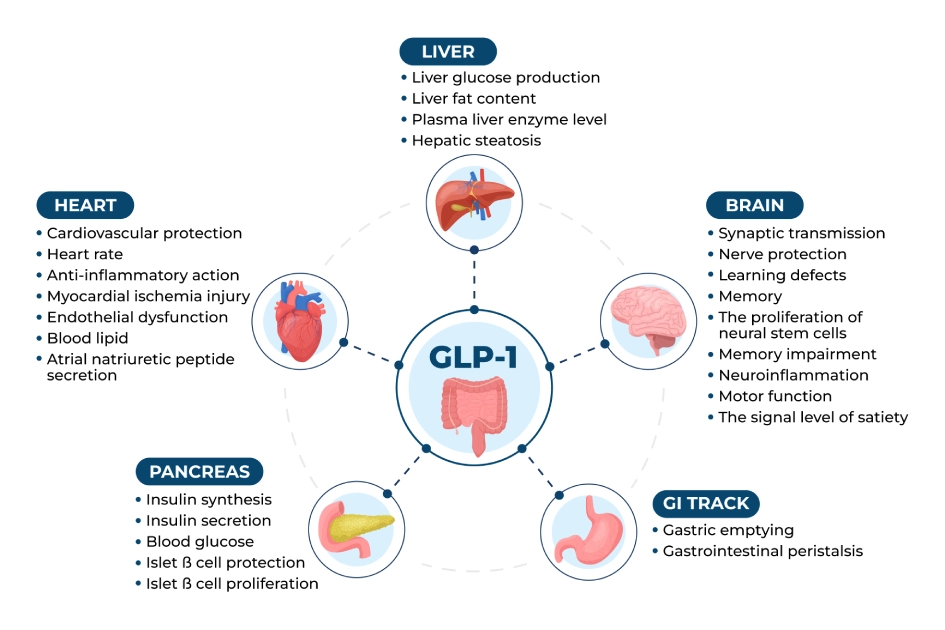
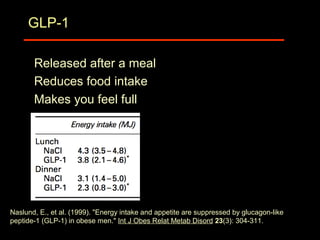
GLP-1 signaling is a key mechanism by which energy homeostasis is maintained. It integrates signals related to hunger and energy balance, enhancing satiety signals and reducing the consumption of food. This helps patients feel full sooner and longer, naturally decreasing food intake without the need for strict willpower. Additionally, GLP-1 slows gastric emptying, allowing food to stay in the stomach longer and reinforcing the sensation of fullness.
The Role of GLP-1 in Energy Balance
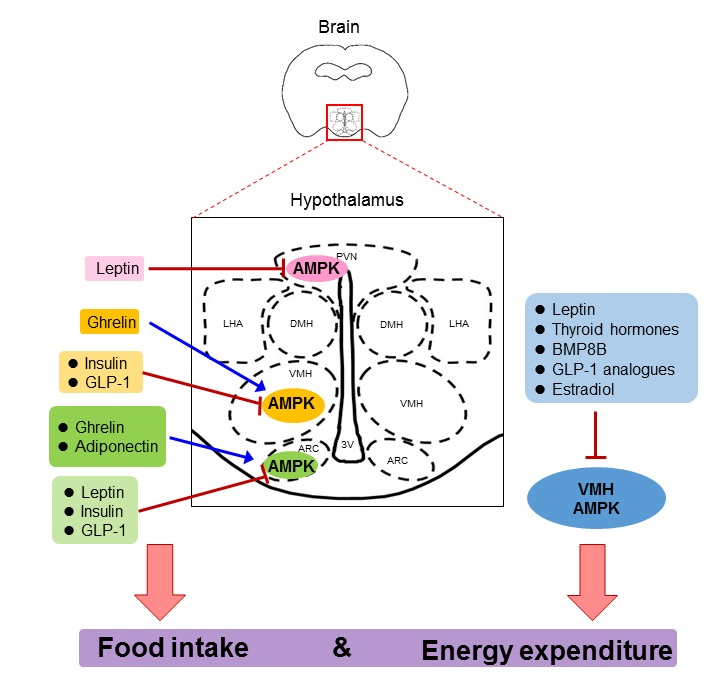
The role of GLP-1 in energy balance is multifaceted. It reduces appetite and food intake through its actions in the central nervous system (CNS). By interacting with receptors in the hypothalamus, GLP-1 influences satiety and reduces the consumption of food. Furthermore, GLP-1 slows gastric emptying, which helps to regulate energy balance by allowing food to stay in the stomach longer.
The Relationship Between GLP-1 and Energy Homeostasis
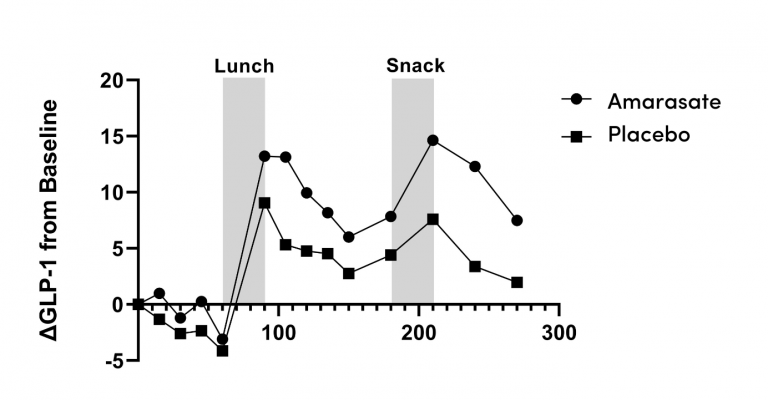
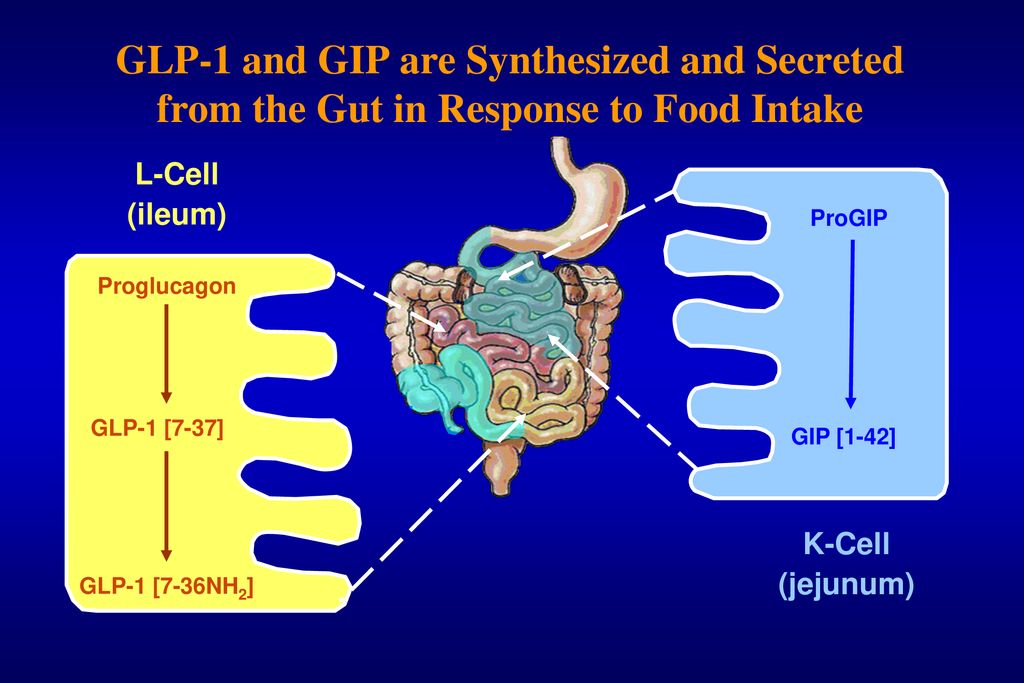
The relationship between GLP-1 and energy homeostasis is complex. GLP-1 is secreted by the intestinal cells in response to nutrients, such as glucose, fat, and amino acids. It is then transported to the CNS, where it regulates energy homeostasis by controlling food intake and glucose metabolism. The interaction between GLP-1 and other hormones, such as insulin and ghrelin, plays a crucial role in maintaining energy balance.