Glucagon-like Peptide-1 Receptor Agonists for Obesity: A Transformative Treatment Option
Introduction
Glucagon-like peptide-1 (GLP-1) receptor agonists (GLP-1RAs) have revolutionized the management of obesity, offering substantial weight loss and metabolic benefits. This review aims to examine their expanding role in obesity treatment, evaluating their efficacy compared to alternative treatments, emerging indications, ongoing challenges, and future directions.
The Science Behind GLP-1RAs
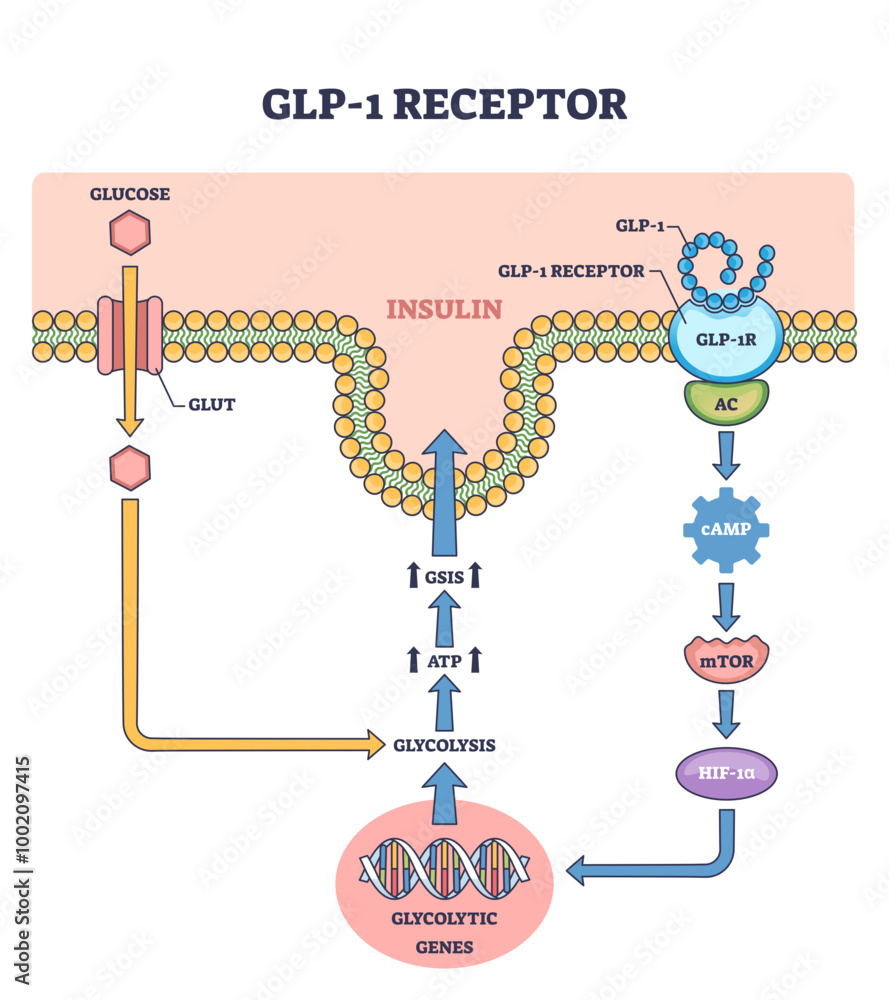
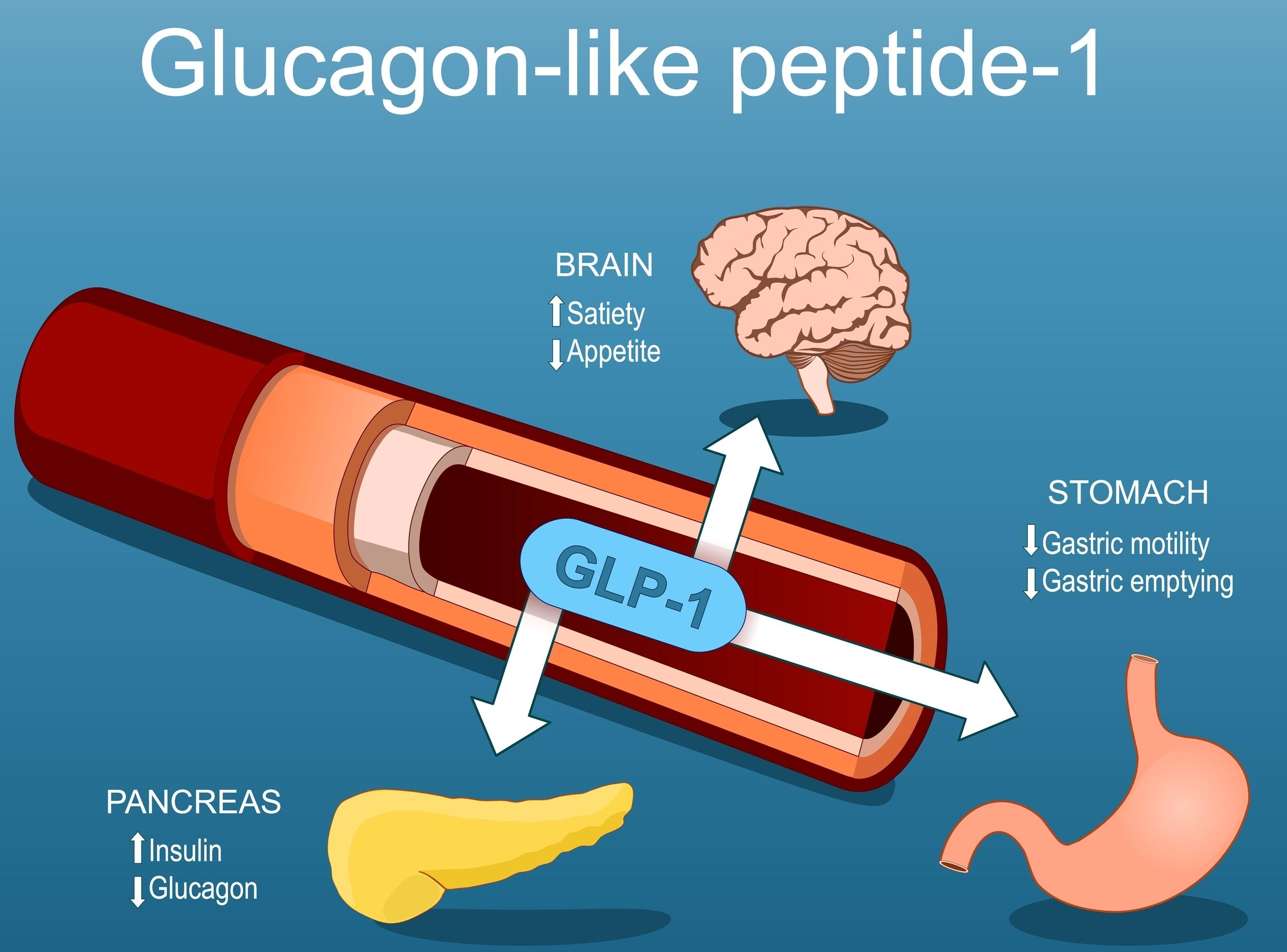
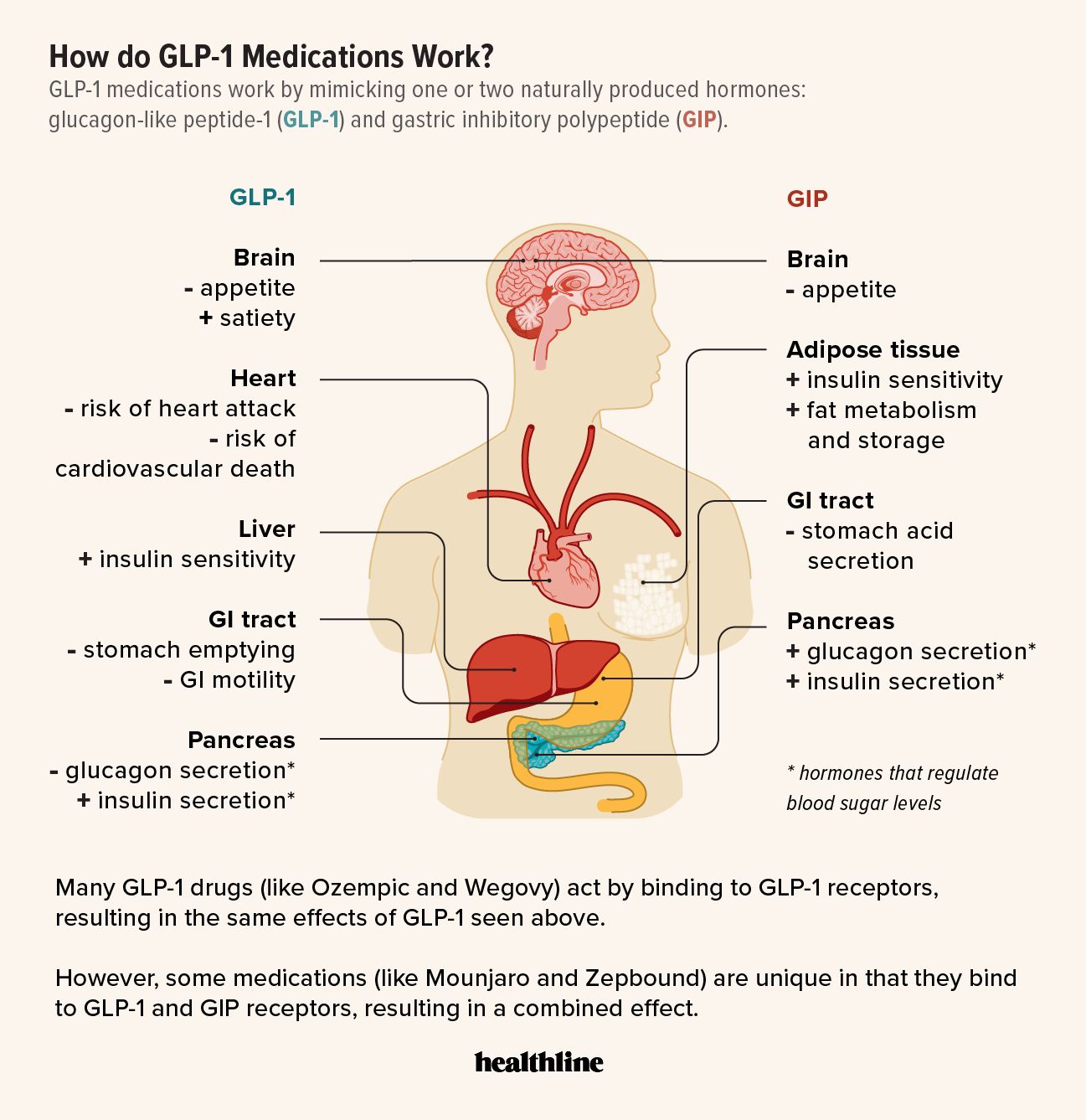
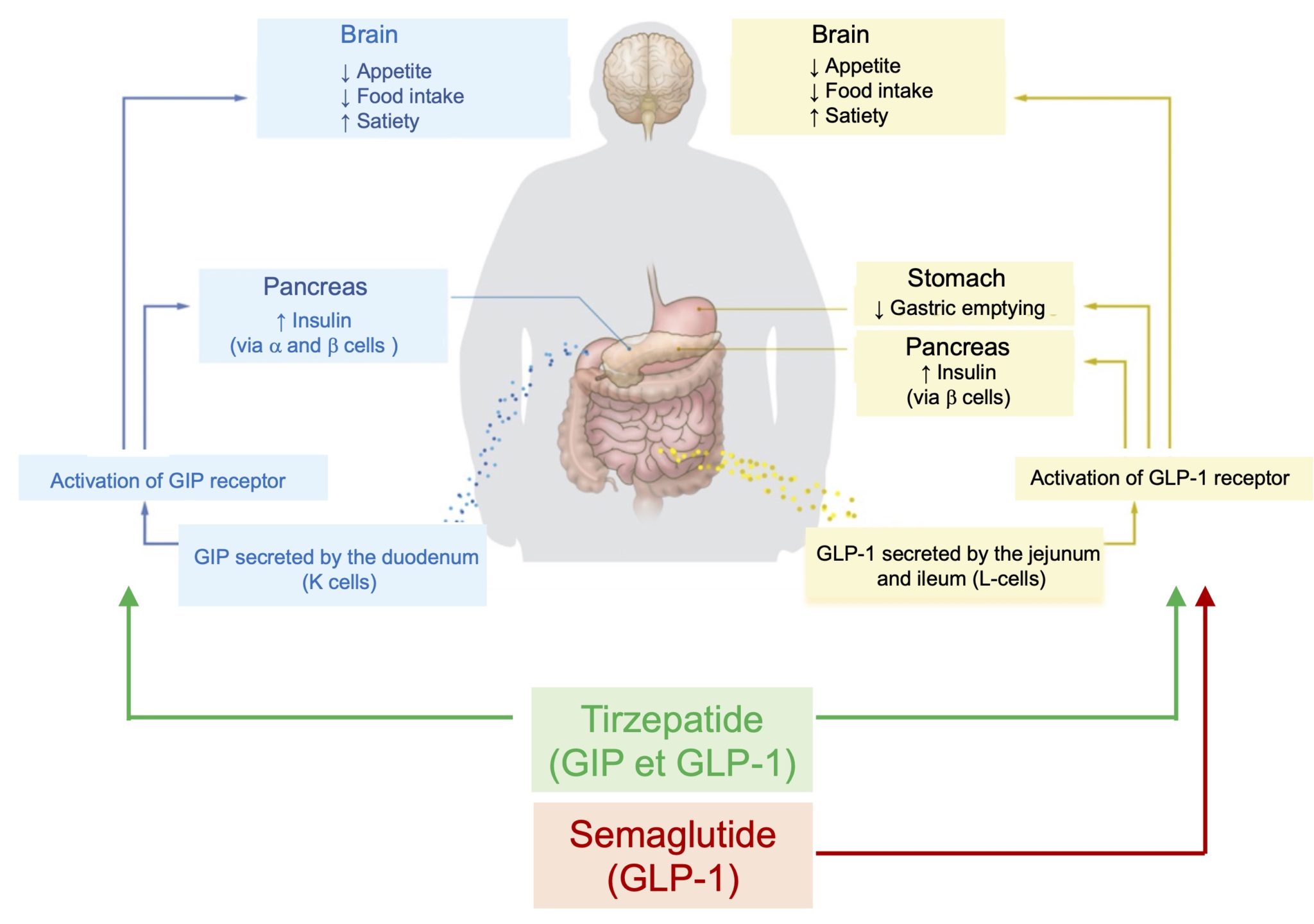
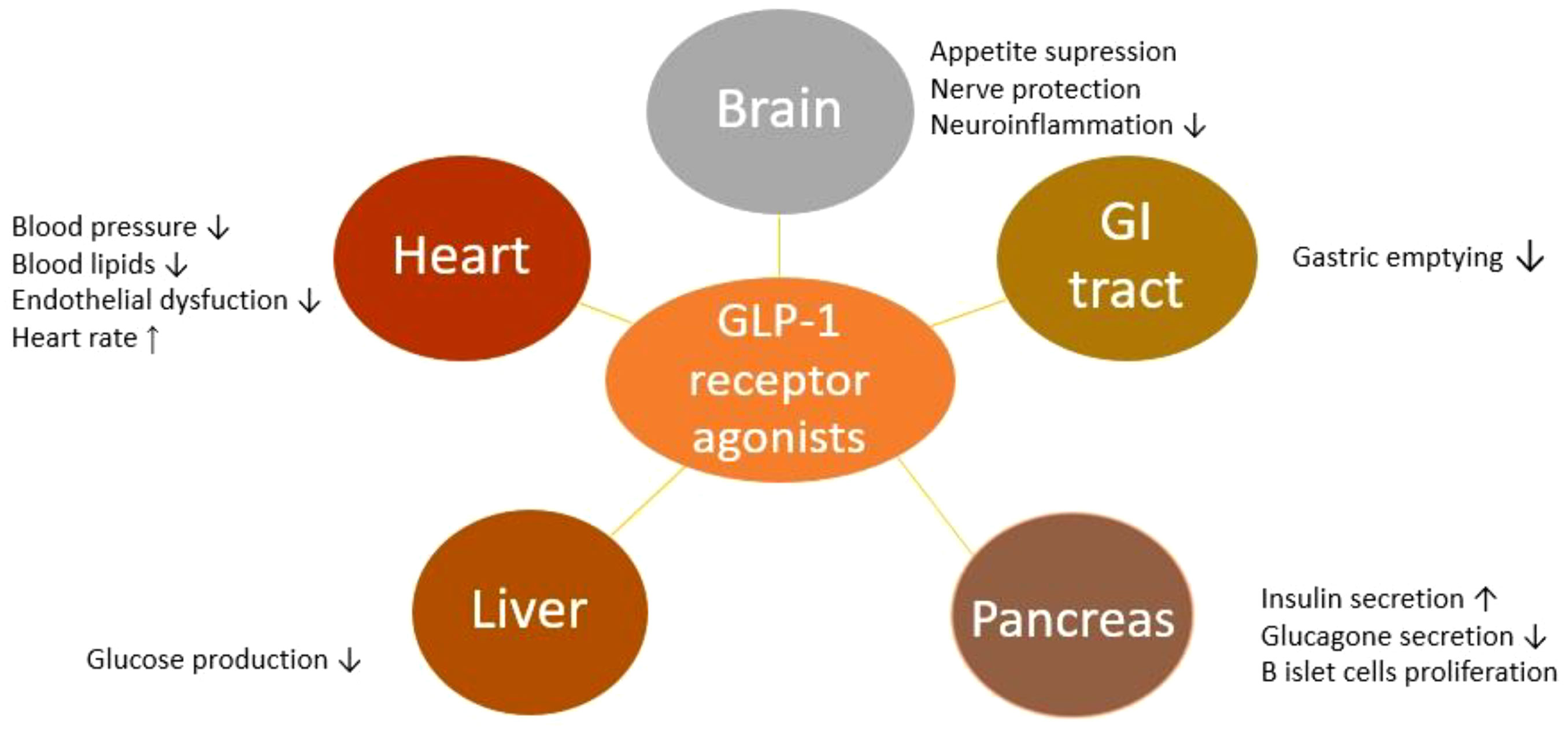
GLP-1RAs work by targeting GLP-1 receptors, increasing insulin production, decreasing glucagon levels, and delaying gastric emptying. Originally developed for type 2 diabetes treatment, these medications have proven effective in promoting weight loss and improving cardiometabolic health in individuals with obesity.
Efficacy and Safety of GLP-1RAs
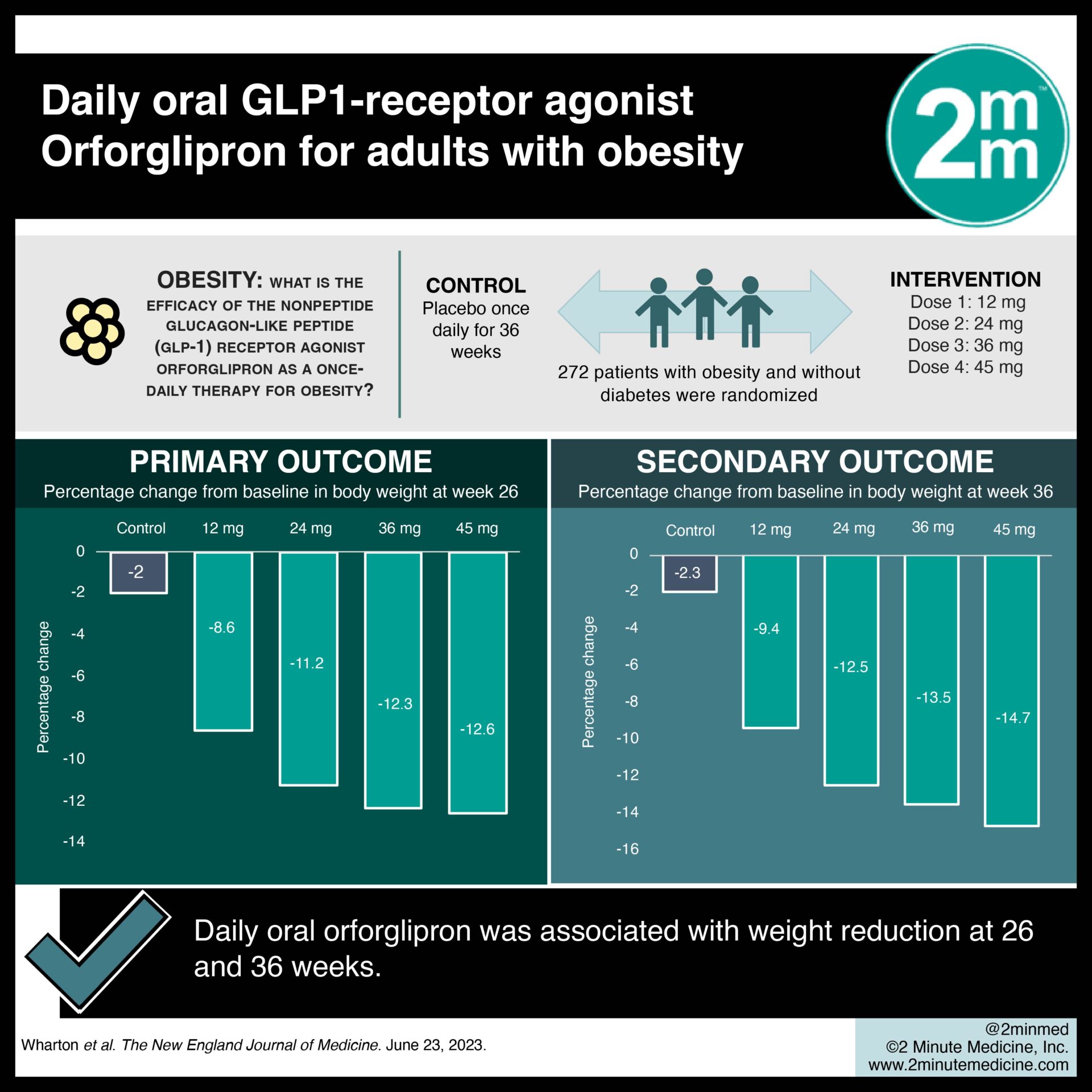
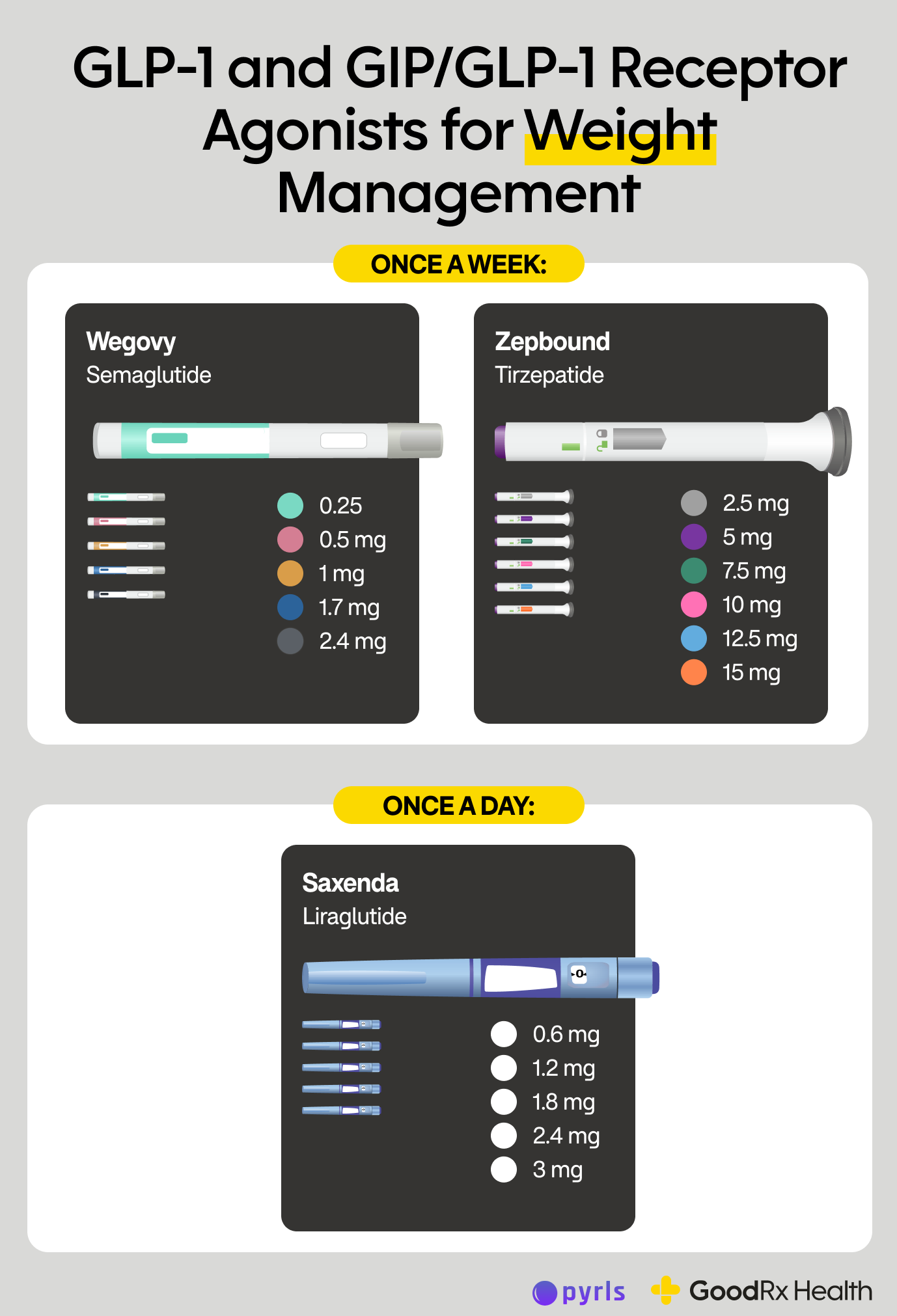
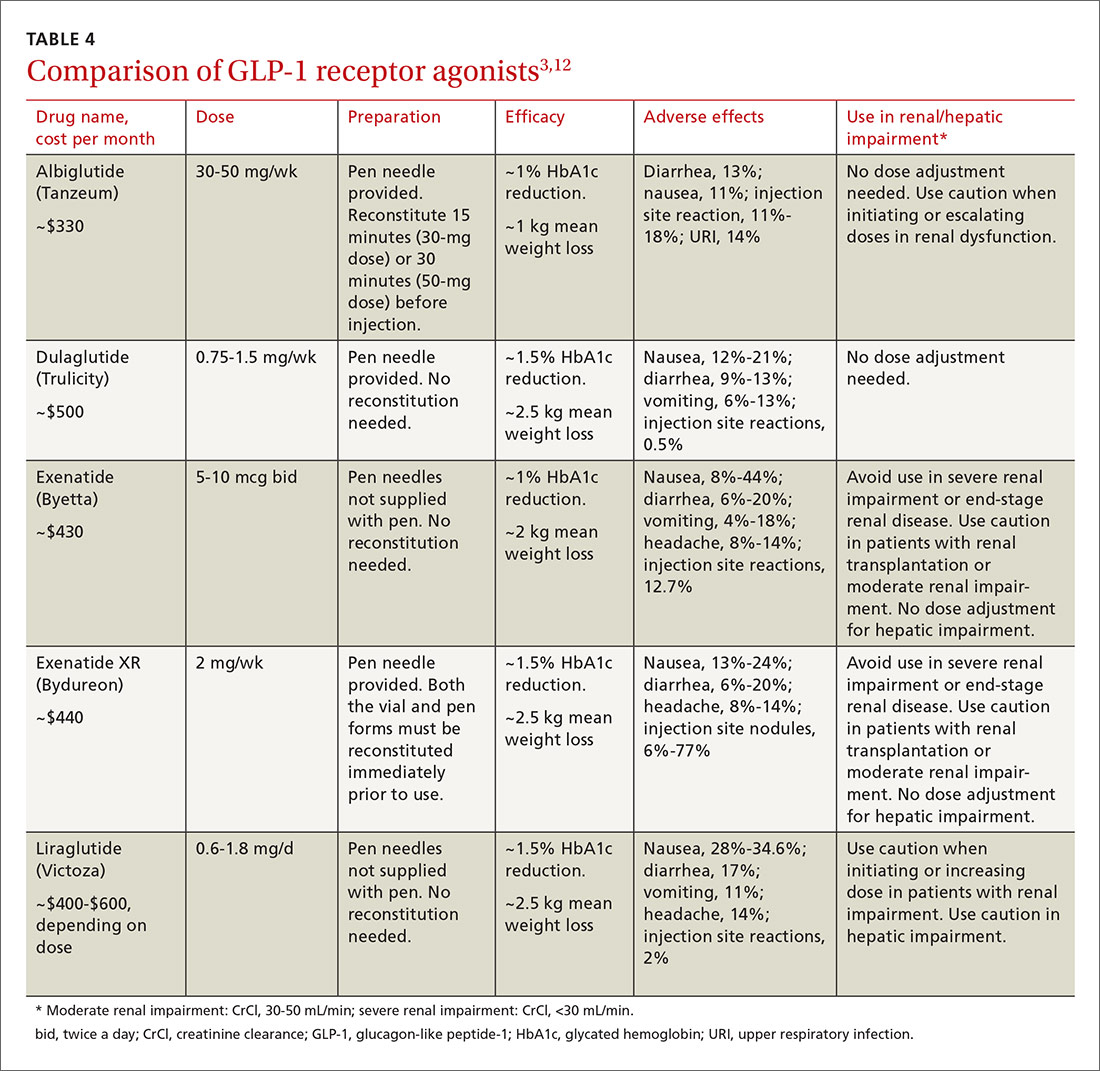
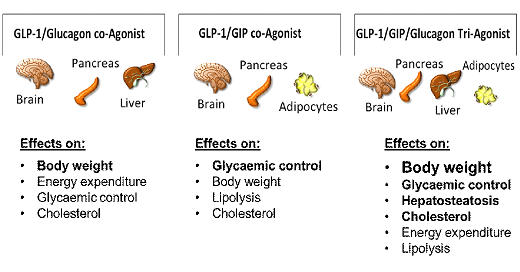
Studies have consistently shown that GLP-1RAs, such as liraglutide, semaglutide, and tirzepatide, lead to significant weight loss and improvements in body mass index (BMI), waist circumference, and metabolic biomarkers in individuals with obesity. While they have a favorable safety profile, potential side effects include nausea, vomiting, and increased risk of pancreatitis and thyroid cancer.
Emerging Indications and Future Directions
The therapeutic potential of GLP-1RAs extends beyond obesity and type 2 diabetes. Research is exploring their use in other cardiometabolic conditions, such as hypertension, dyslipidemia, and non-alcoholic fatty liver disease. Furthermore, GLP-1RAs are being investigated for their potential benefits in mental health, including anxiety and depression.