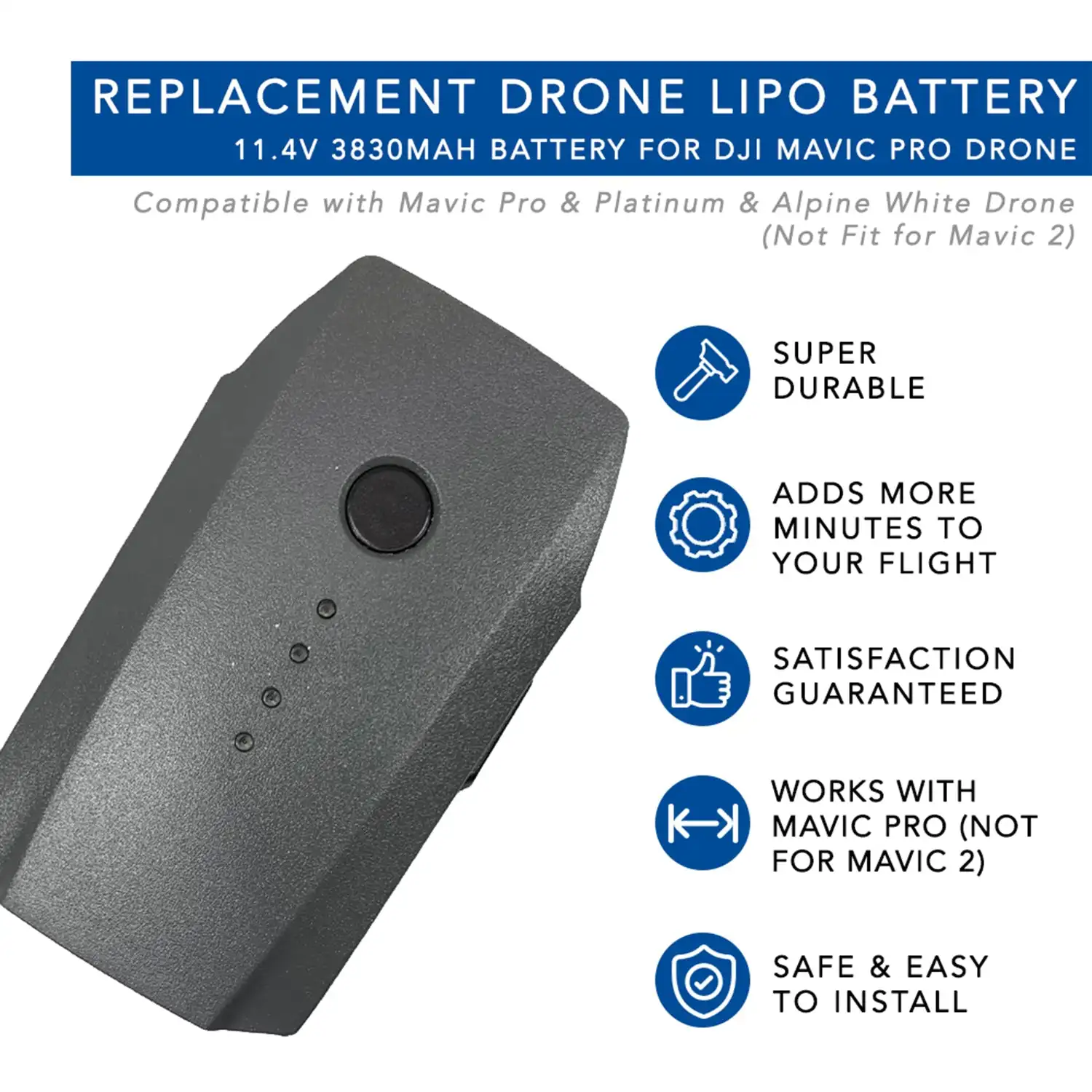
Lithium-Polymer Drone Batteries: The Power Behind Your UAV
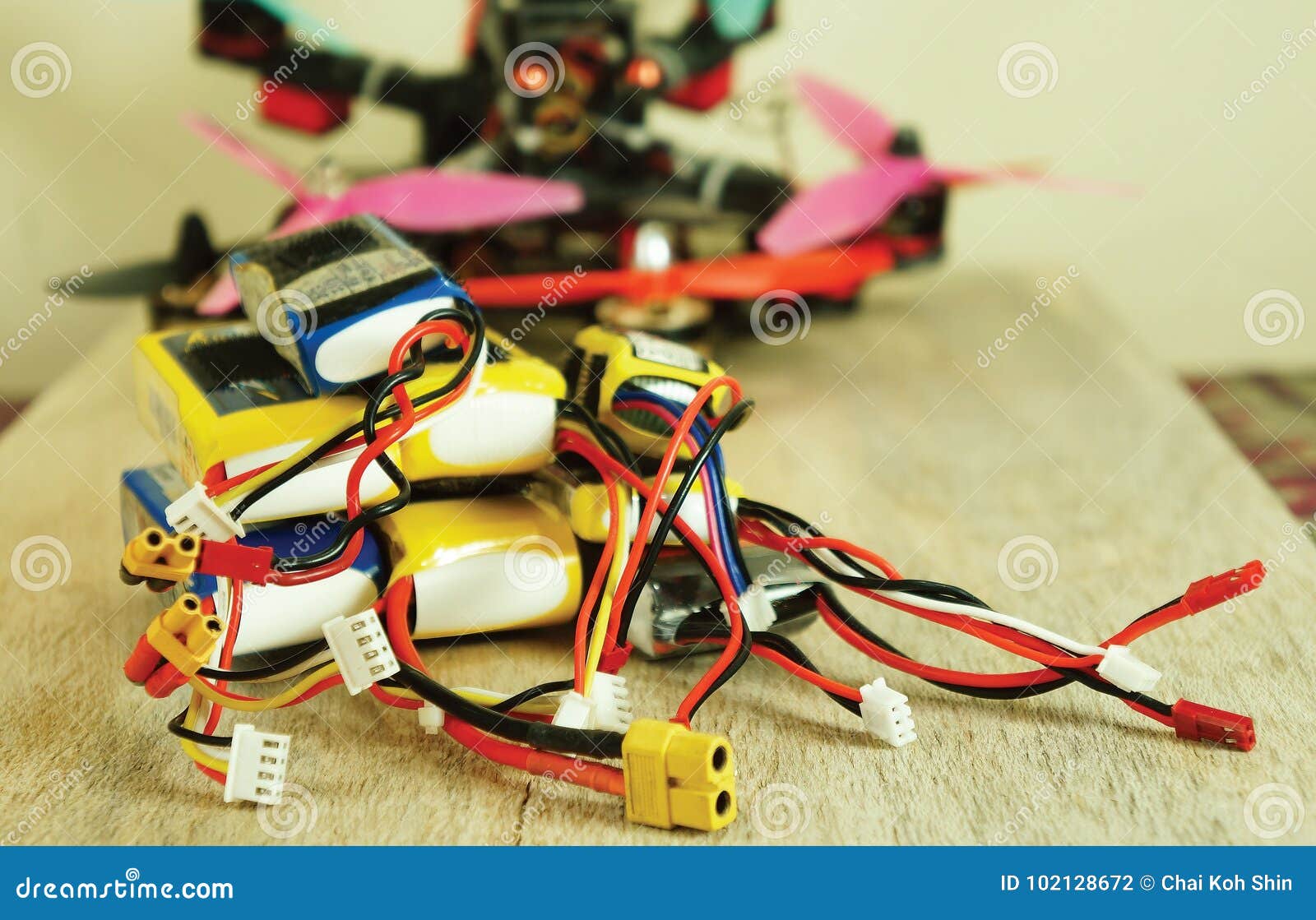
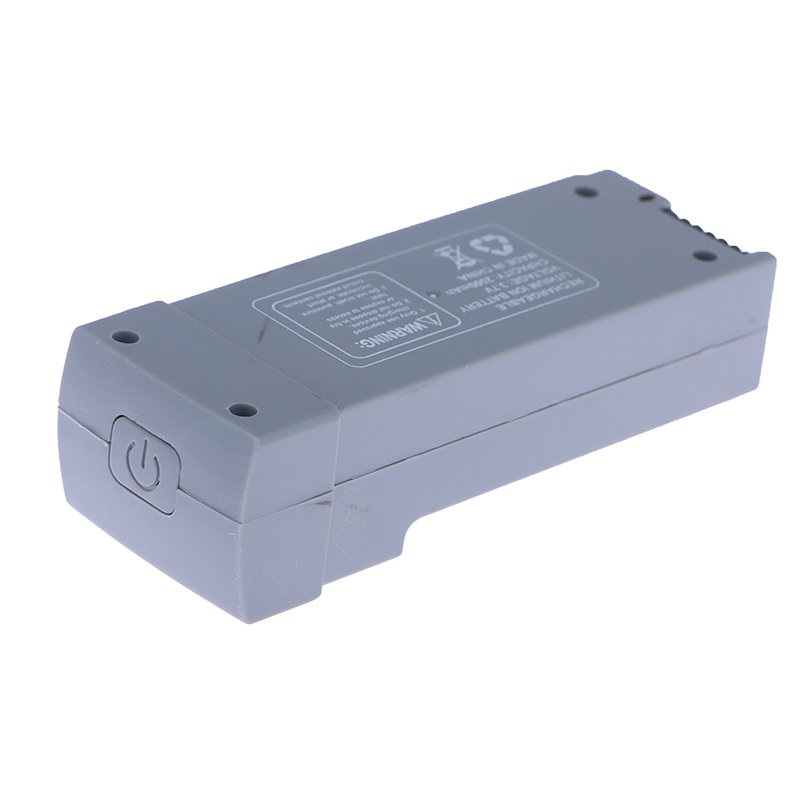
Lithium-polymer (LiPo) drone batteries have become the standard power source for unmanned aerial vehicles (UAVs), including consumer and commercial drones. In this article, we'll delve into the world of LiPo batteries, exploring their composition, advantages, and applications.
What Are Lithium-Polymer Batteries?
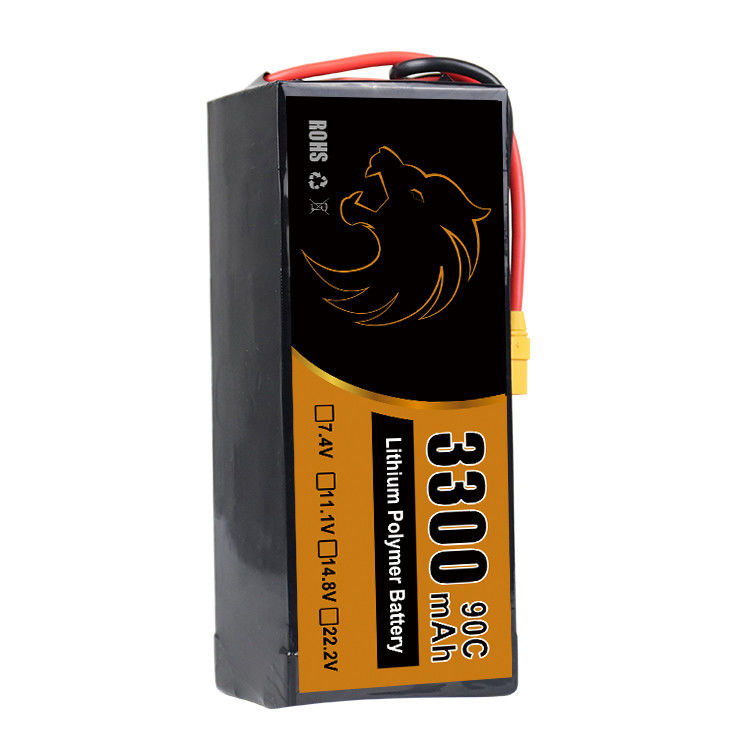
Lithium-polymer batteries are rechargeable batteries made with lithium-ion chemistry, but packaged in a flexible polymer casing. This design allows for lighter weight and higher power density, making them ideal for drones that require longer flight times without carrying heavy batteries.
How Do Lithium-Polymer Batteries Work?
LiPo batteries typically feature aluminum-plastic film packaging, which is lightweight and soft, allowing for customized shapes to fit within the compact internal space of drones. They usually feature a laminated pouch construction, flat discharge profile, and ability to sustain high current loads with minimal voltage sag.

Advantages of Lithium-Polymer Batteries
Lithium-polymer batteries offer several advantages, including high energy density, flexibility in shape, and ability to deliver high discharge rates. They are also lighter and more compact than traditional lithium-ion batteries, making them ideal for drone applications.
Types of Lithium-Polymer Batteries
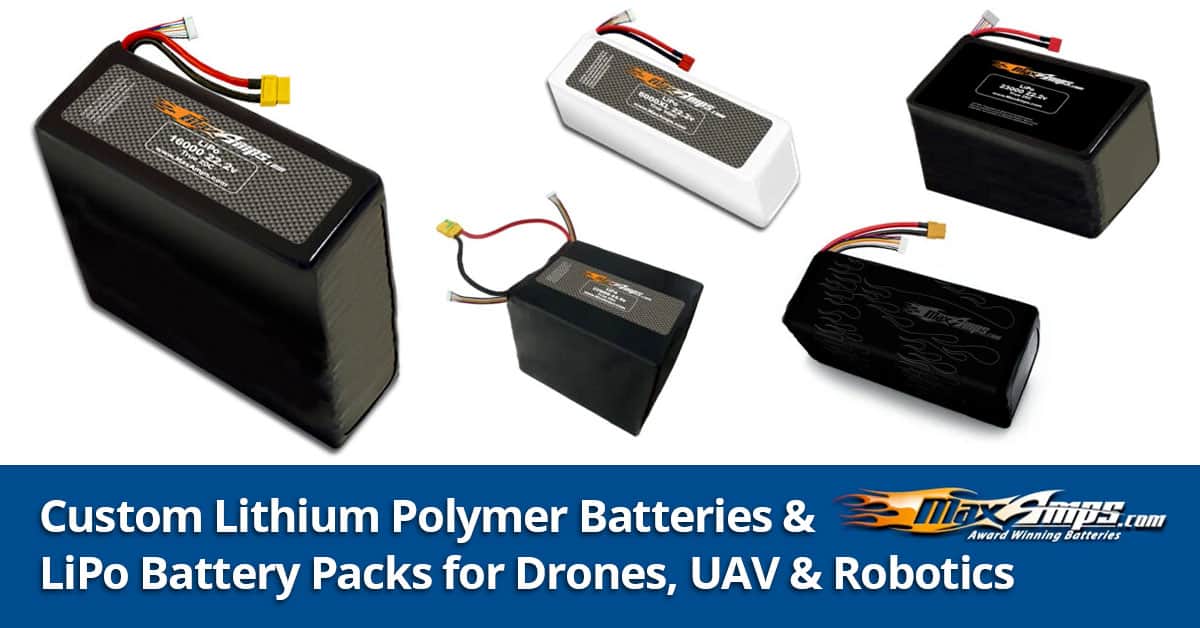
Lithium-polymer batteries come in various types, including 3S, 4S, and 6S configurations. They also vary in capacity, ranging from 1000mAh to 5000mAh or more, depending on the specific application.