Understanding the Omnivorous Low-Carb Diet for Diabetes
Managing diabetes through diet is a crucial aspect of maintaining good health. Among various dietary approaches, the omnivorous low-carb diet for diabetes has emerged as a popular choice. This comprehensive guide will explore the benefits and considerations of adopting this diet for individuals with diabetes.
What is an Omnivorous Low-Carb Diet?
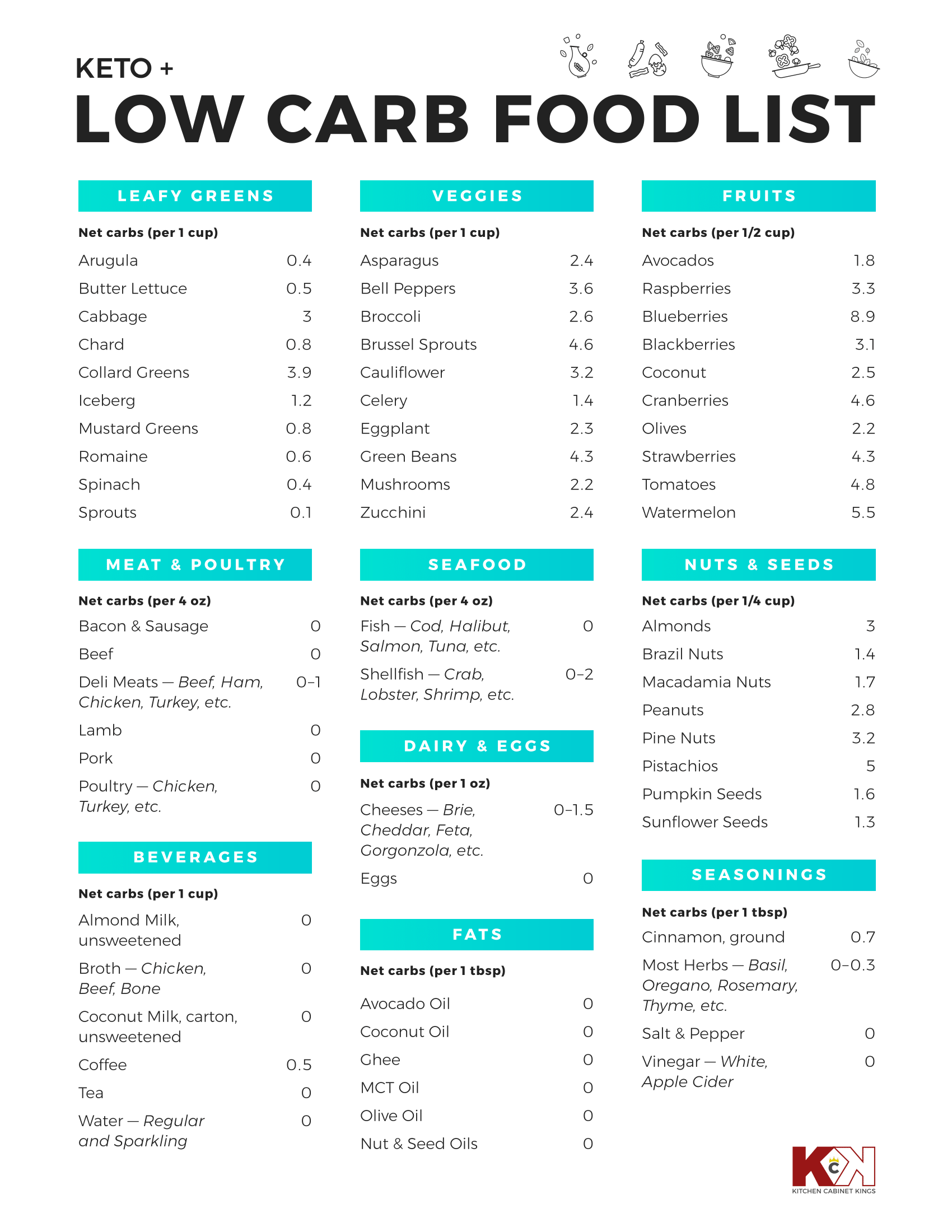
An omnivorous low-carb diet is characterized by a moderate to high intake of protein and fat, with a low intake of carbohydrates. The ideal carbohydrate intake varies, but it typically ranges from 50g to 130g per day. This approach emphasizes whole, nutrient-dense foods, including lean meats, fish, eggs, vegetables, and healthy fats. Unlike vegetarian or vegan diets, an omnivorous low-carb diet includes animal products in moderation.

Benefits of an Omnivorous Low-Carb Diet for Diabetes
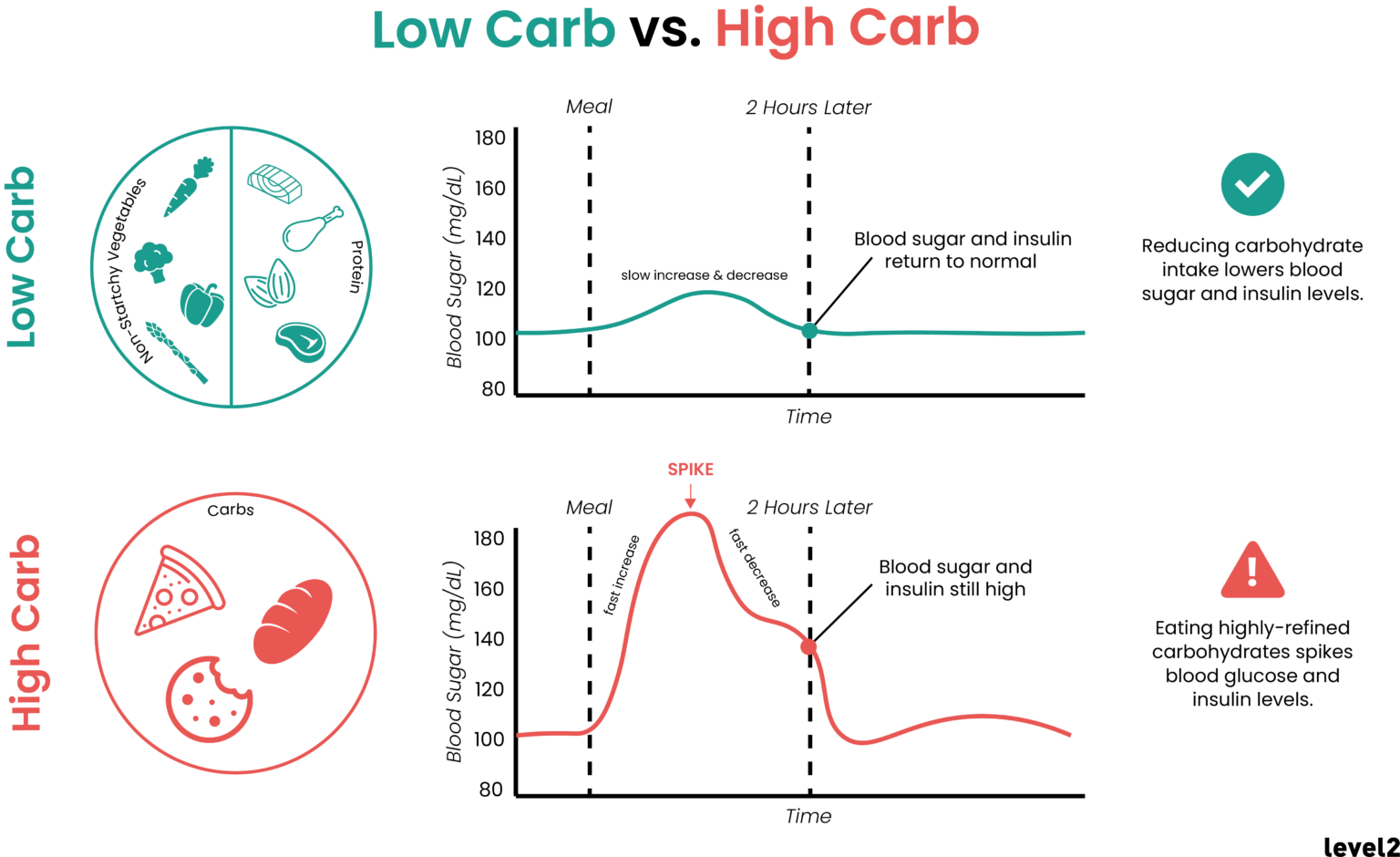
- Improved Blood Sugar Management: The low-carb diet helps regulate blood glucose levels by limiting the intake of refined carbohydrates that can cause a spike in blood sugar.
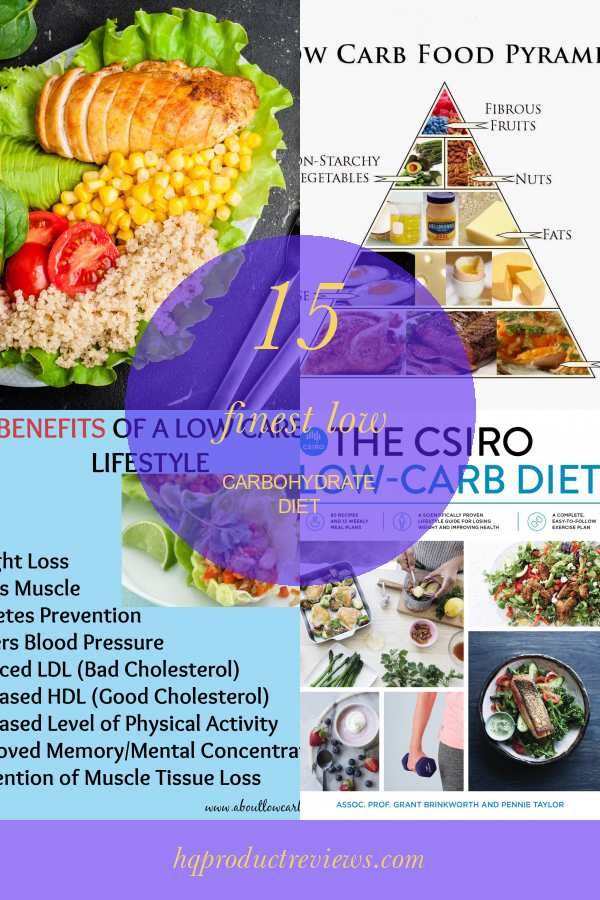
- Weight Loss: This diet can lead to weight loss, which is a significant factor in managing insulin resistance and type 2 diabetes.
- Increased HDL Cholesterol: The high intake of healthy fats in an omnivorous low-carb diet can raise HDL (good) cholesterol levels.
- Reduced Medication: In some cases, a low-carb diet can reduce the need for diabetes medications.