Optimizing 6G Network Performance and Speed: A Comprehensive Review
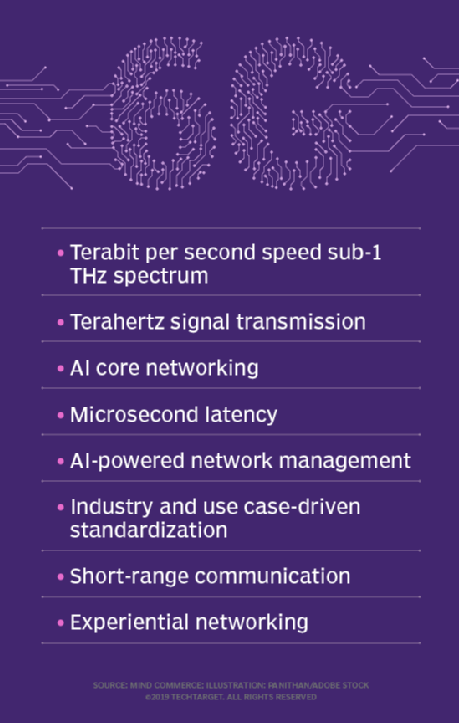
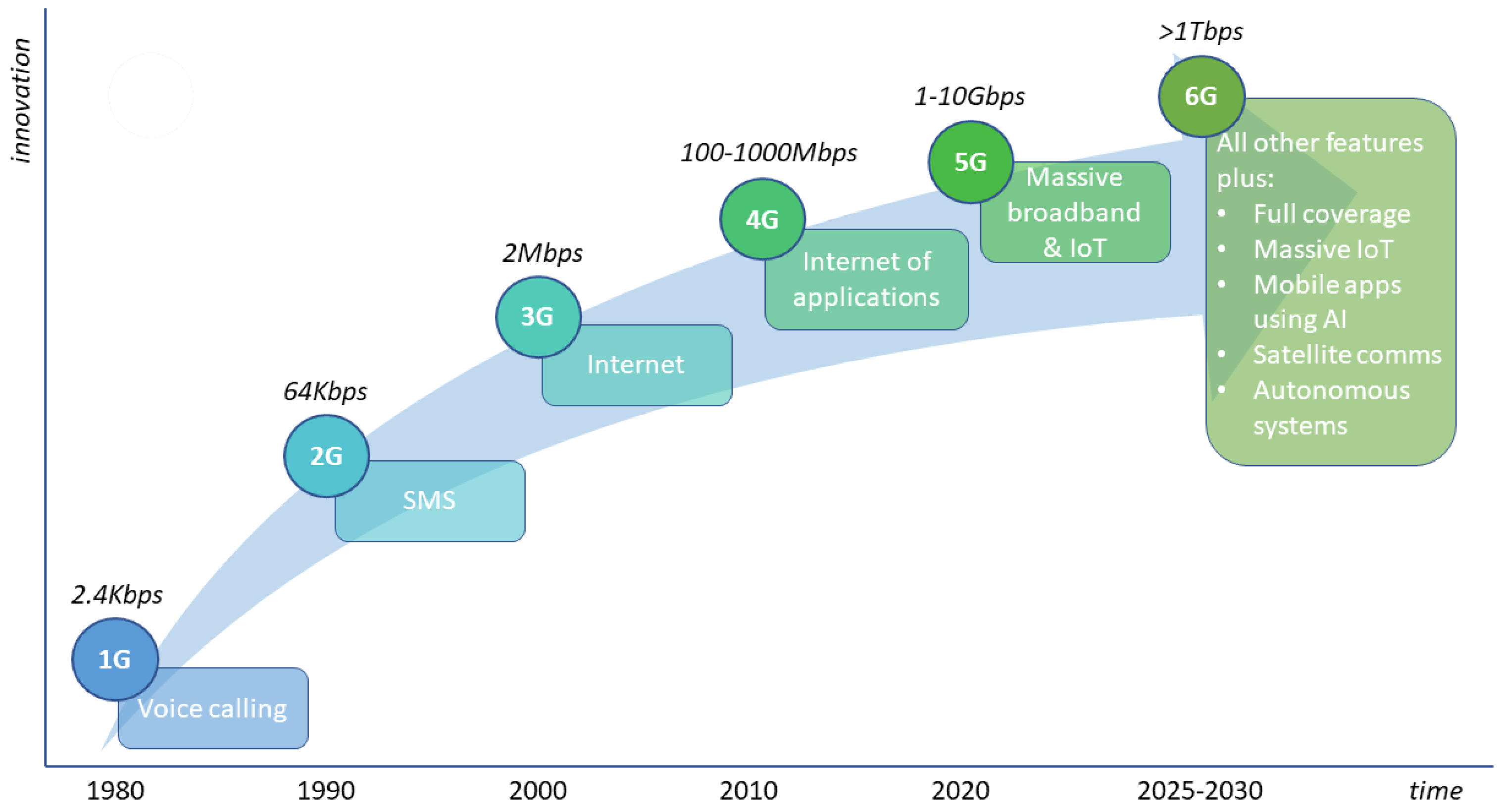
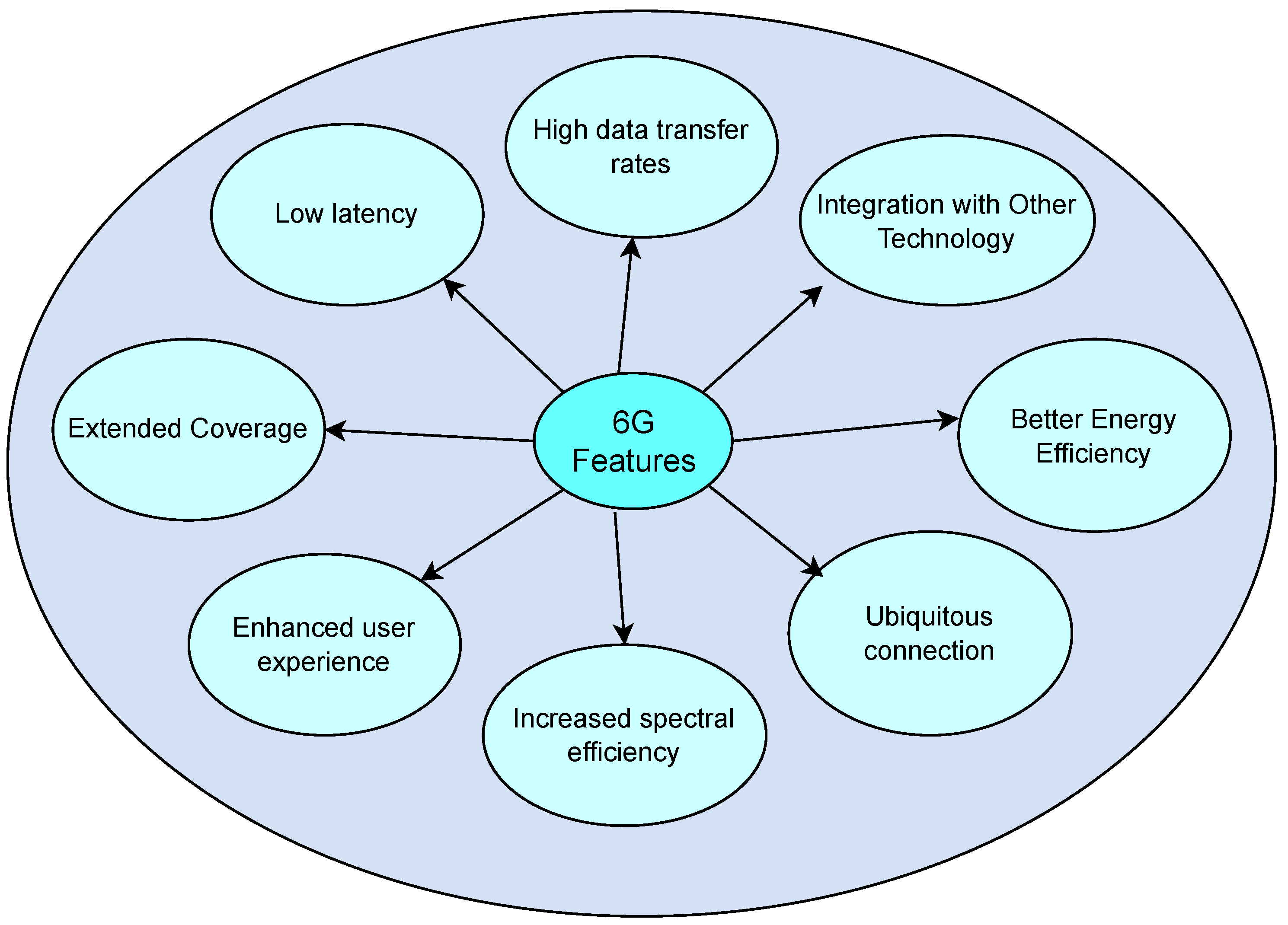
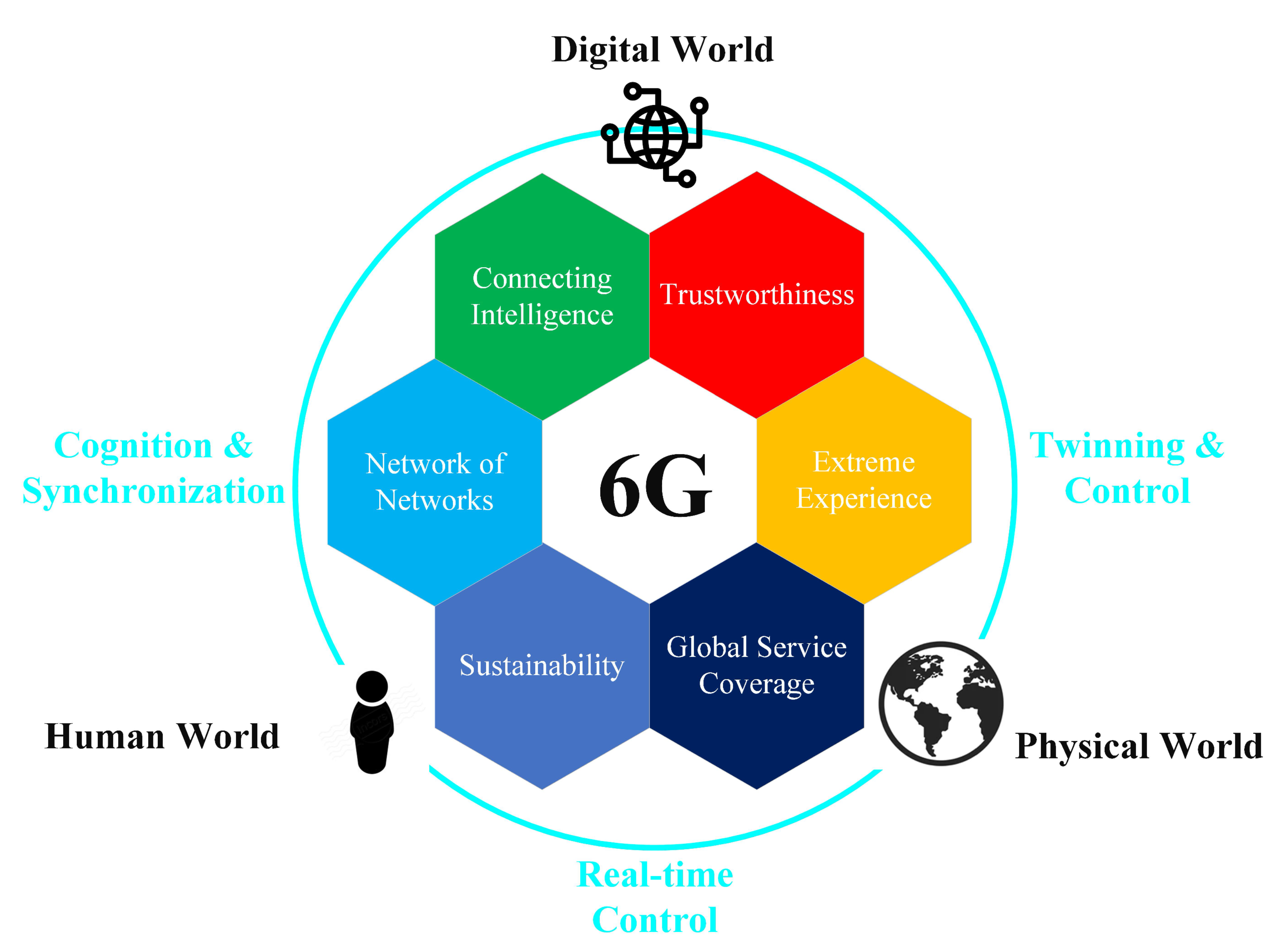
The emergence of sixth-generation (6G) networks promises unique advancements in communication technology, providing ultra-fast data rates, ultralow latency, and huge device connectivity. However, to use the full potential of 6G, it is imperative to thoroughly evaluate and optimize its performance characteristics.
Performance Evaluation and Optimization Methodologies
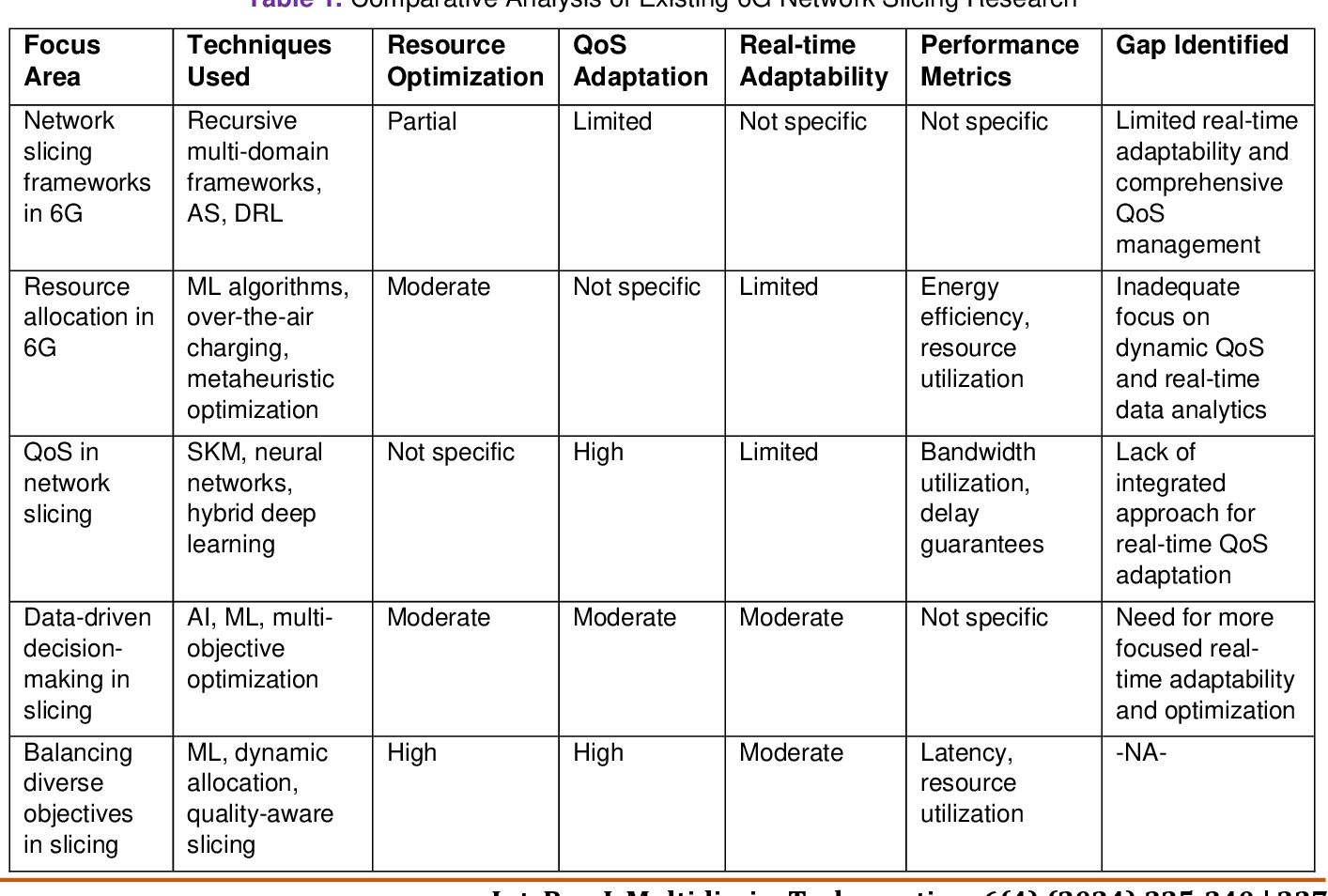
This paper presents a comprehensive review of performance evaluation and optimization (PEO) methodologies for 6G networks. It systematically evaluates the existing PEO methodologies and identifies the challenges and limitations of each approach. The study also proposes a novel PEO framework that integrates machine learning, artificial intelligence, and network slicing to optimize 6G network performance and speed.
Key Performance Indicators (KPIs) for 6G Networks

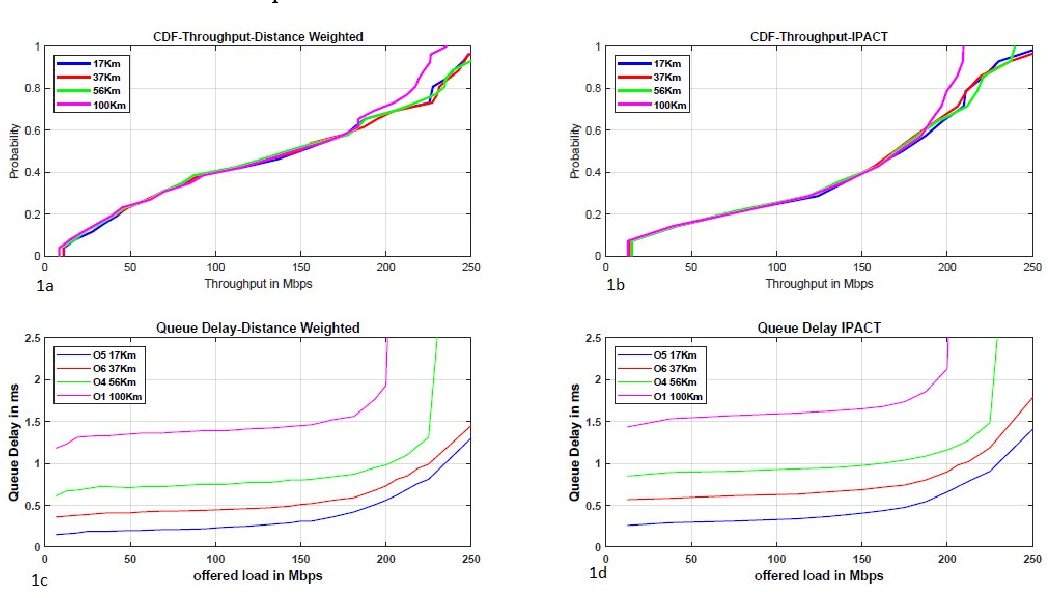
The study investigates the key performance indicators (KPIs) for 6G networks, including speed, delay, energy efficiency, and fairness. The analysis reveals that 6G networks will require advanced KPIs to evaluate its performance, and proposes a framework for developing these KPIs.
Achieving Ultra-Low Latency and High-Speed Data Rates
The transition to 6G networks necessitates a shift toward AI-native ecosystems capable of supporting critical network infrastructure (CNI), such as autonomous transport and remote surgery. These applications require deterministic performance, specifically sub-millisecond latency and 99.99999% reliability, which exceed the capabilities of manual 5G orchestration.