Safety Specifications for Insulation: Ensuring a Safe and Efficient Thermal Barrier
The thermal insulation industry has evolved significantly over the years, with various types of insulation materials being developed to meet specific safety and performance requirements. However, with the increasing demand for thermal insulation in industrial and commercial settings, it is essential to understand the safety specifications for insulation to ensure a safe and efficient thermal barrier.
What are Safety Specifications for Insulation?
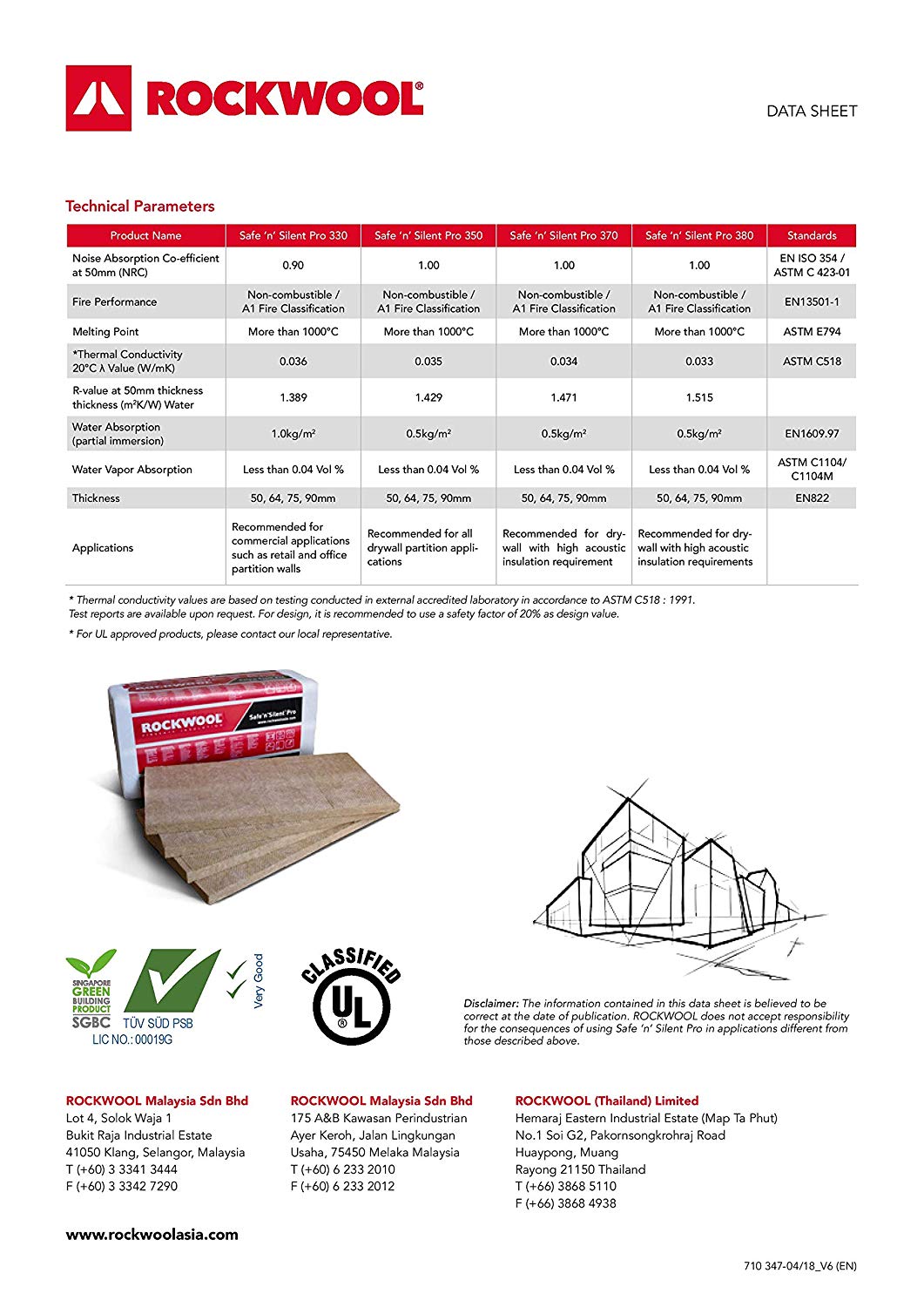
Safety specifications for insulation refer to the set of standards and regulations that govern the design, manufacture, installation, and maintenance of thermal insulation products. These specifications ensure that insulation products meet specific safety requirements, including thermal performance, fire resistance, and chemical resistance, to prevent accidents and ensure the well-being of people and the environment.
The Importance of Safety Specifications for Insulation
Safety specifications for insulation are crucial in preventing accidents and ensuring the safety of people and the environment. Thermal insulation products can be hazardous if not properly designed, manufactured, or installed. For instance, insulation materials can catch fire if they are not properly tested for fire resistance or if they are not installed correctly. Similarly, insulation products can release chemicals that can be hazardous to human health and the environment if they are not properly tested for chemical resistance.