The Role of GLP-1 in Regulating Appetite
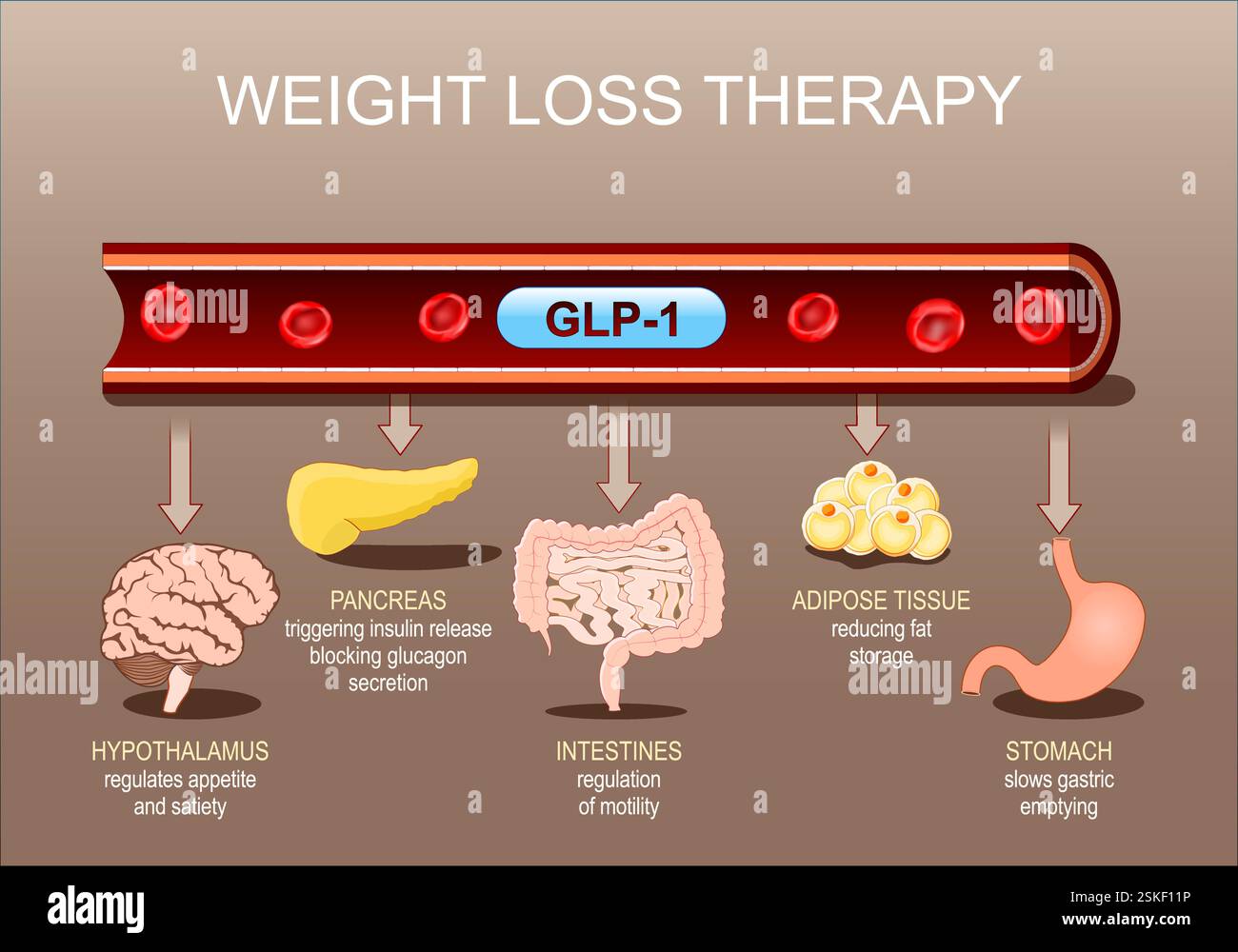
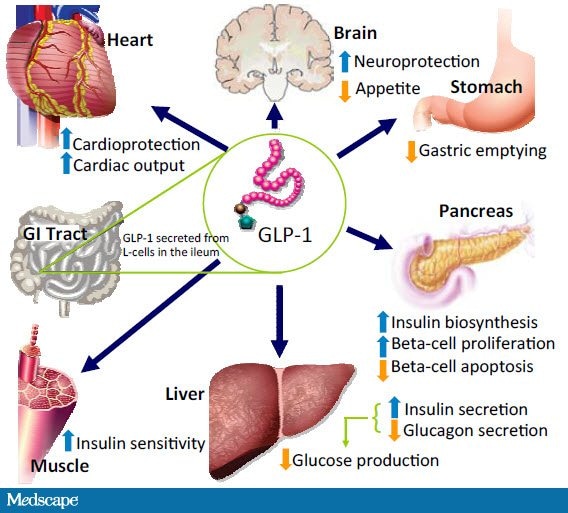
Glucagon-like peptide 1 (GLP-1) is a hormone that plays a crucial role in regulating appetite and weight maintenance. It is a cleavage product of the pre-proglucagon gene, which is expressed in various parts of the body, including the pancreas, intestine, and brain.
How Does GLP-1 Regulate Appetite?
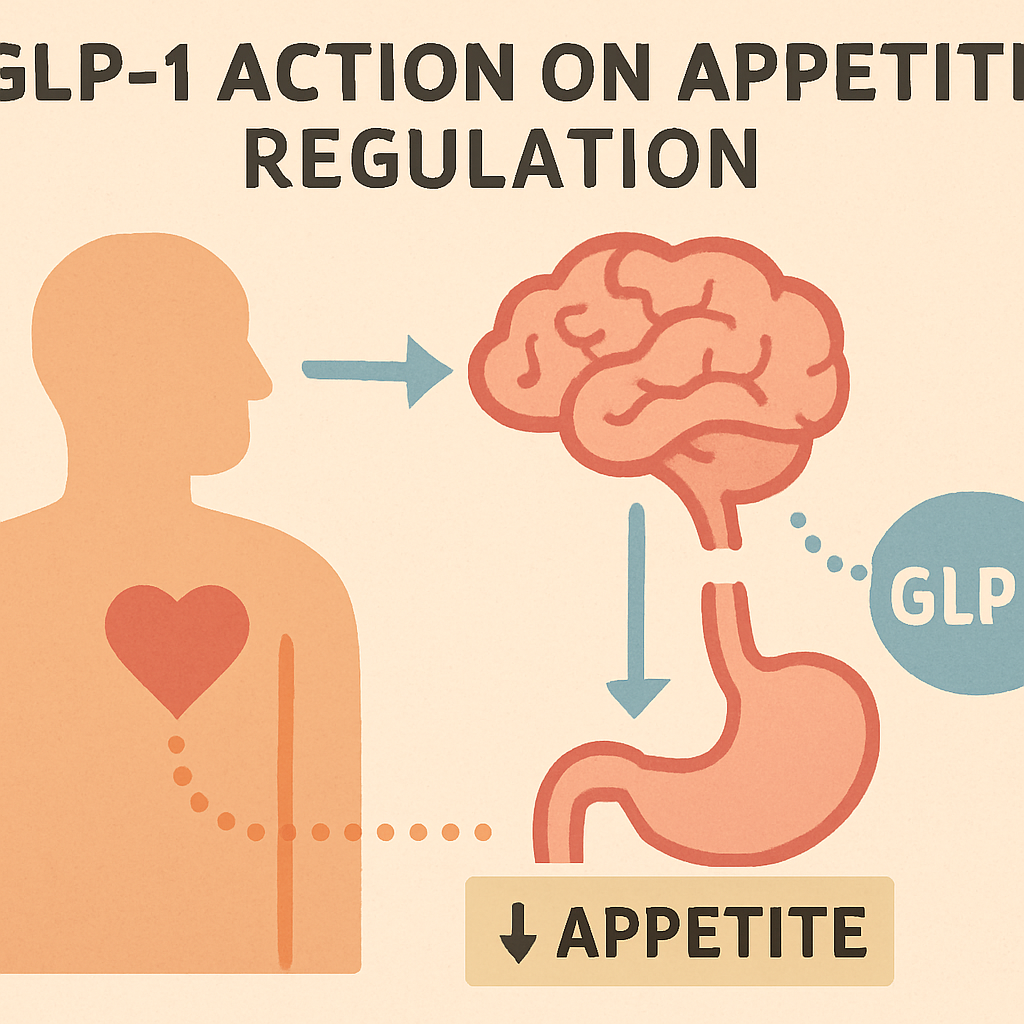
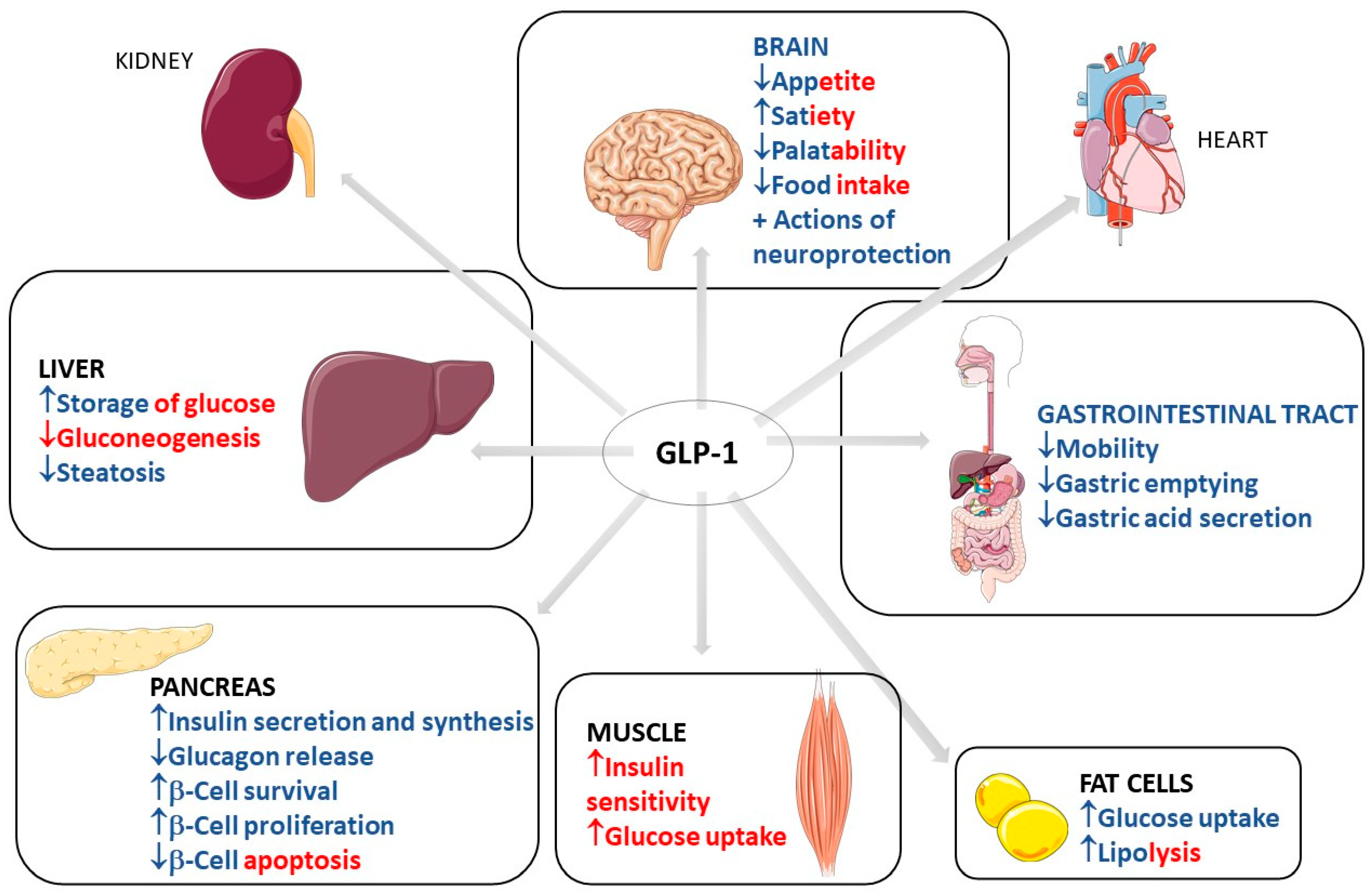
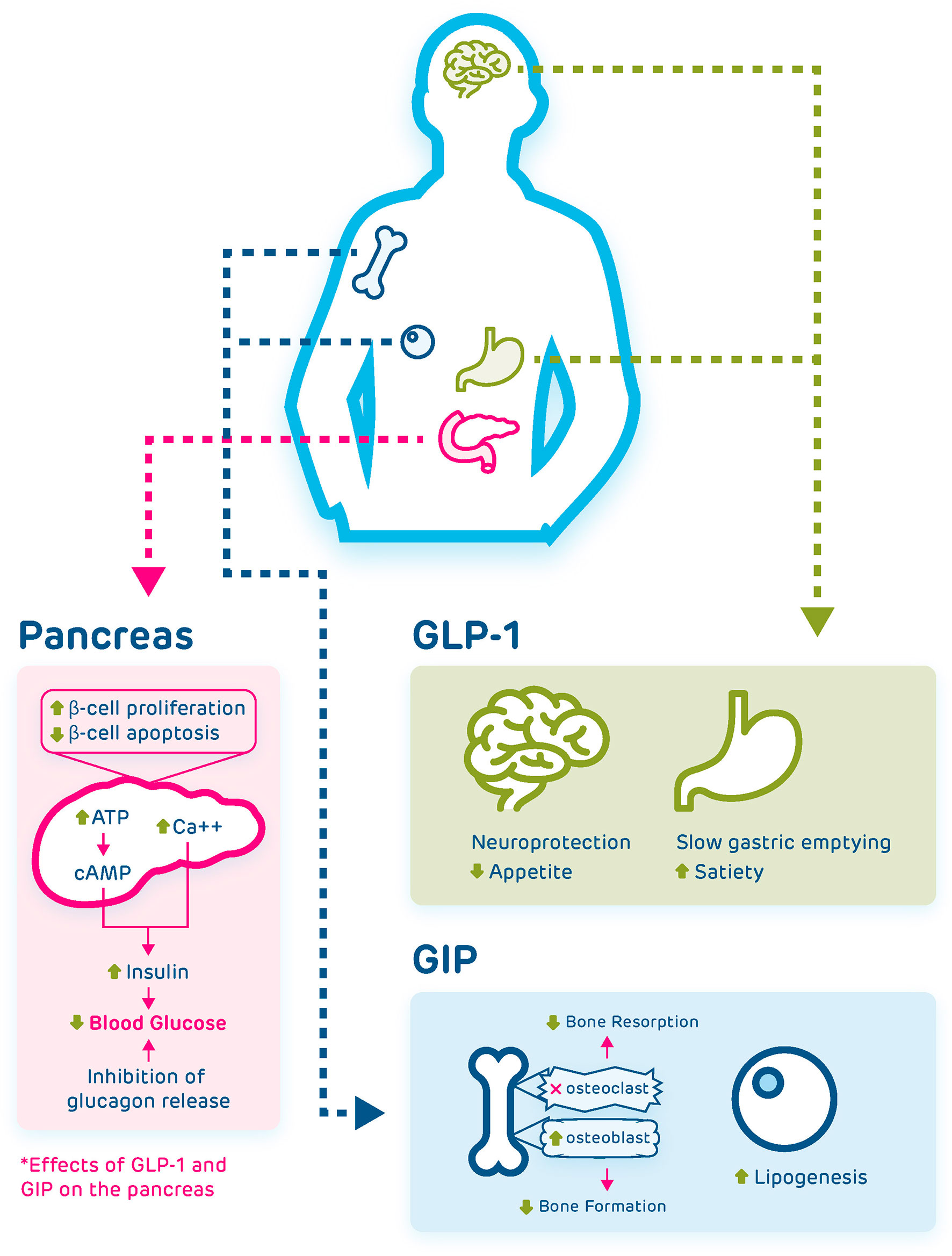
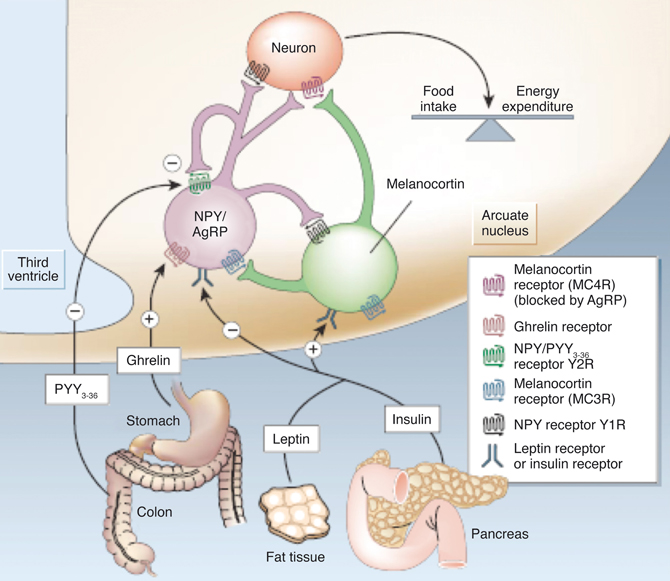
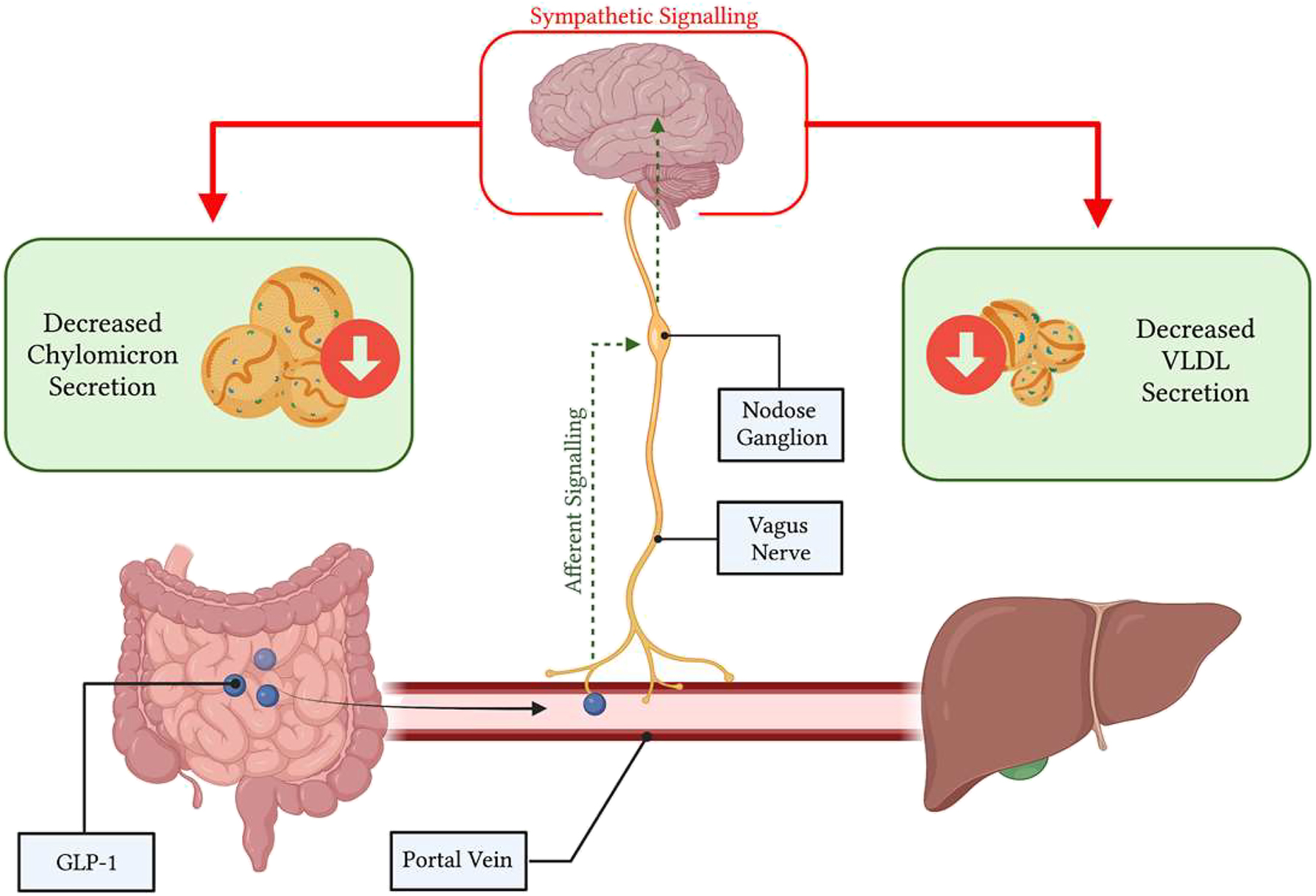
GLP-1 signals the brain that the body has eaten enough food, which helps control hunger and fullness. It does this by binding to receptors in the brain, specifically in the hypothalamus, brainstem, and nucleus accumbens, which are key regions involved in appetite regulation. Activation of these receptors suppresses powerful appetite-stimulating neurotransmitters, such as neuropeptide Y (NPY) and agouti-related peptide (AgRP), while reinforcing satiety-signaling pathways.
Mechanisms of GLP-1-Mediated Appetiite Regulation
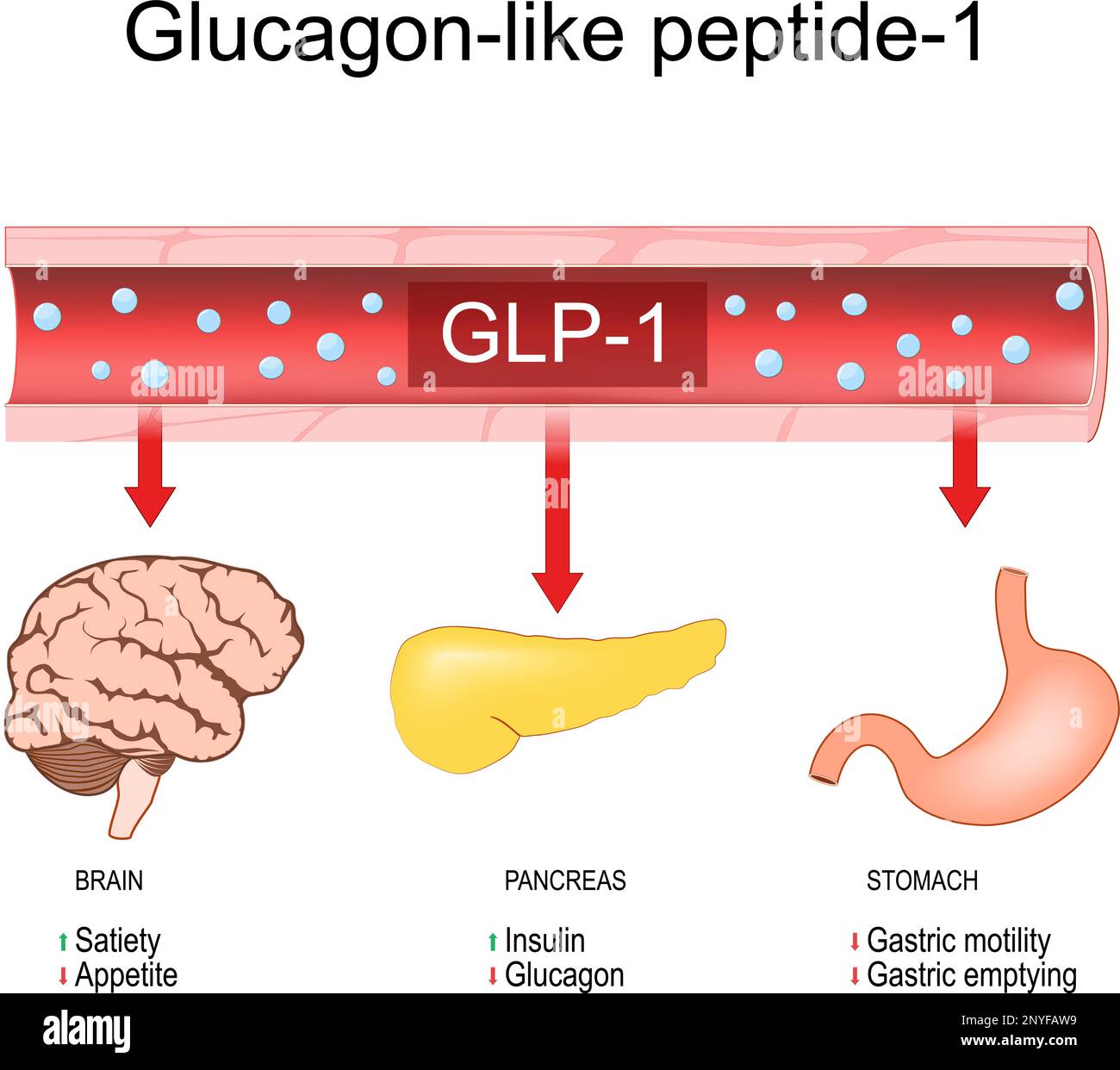
- Appetite signaling**: GLP-1 communicates with the brain to help regulate feelings of fullness after eating. It supports the natural feedback loop between the gut and brain that influences when you feel satisfied.
- Blood sugar regulation**: GLP-1 stimulates insulin secretion in response to food and helps maintain healthy blood sugar levels already within the normal range.
- Digestive pacing**: GLP-1 slows gastric emptying, which helps regulate the rate at which the body absorbs glucose and other nutrients.