What Are the Potential Benefits of GLP-1 Therapy for Weight Loss?
GLP-1 (glucagon-like peptide-1) receptor agonists have revolutionized the treatment of obesity, offering a promising solution for those struggling with weight loss. These medications work by mimicking the natural hormone GLP-1, which helps regulate blood sugar levels, insulin sensitivity, and appetite. As a result, GLP-1 therapy has become a valuable tool in the management of obesity, providing numerous benefits for weight loss and overall health.
Understanding GLP-1 Therapy
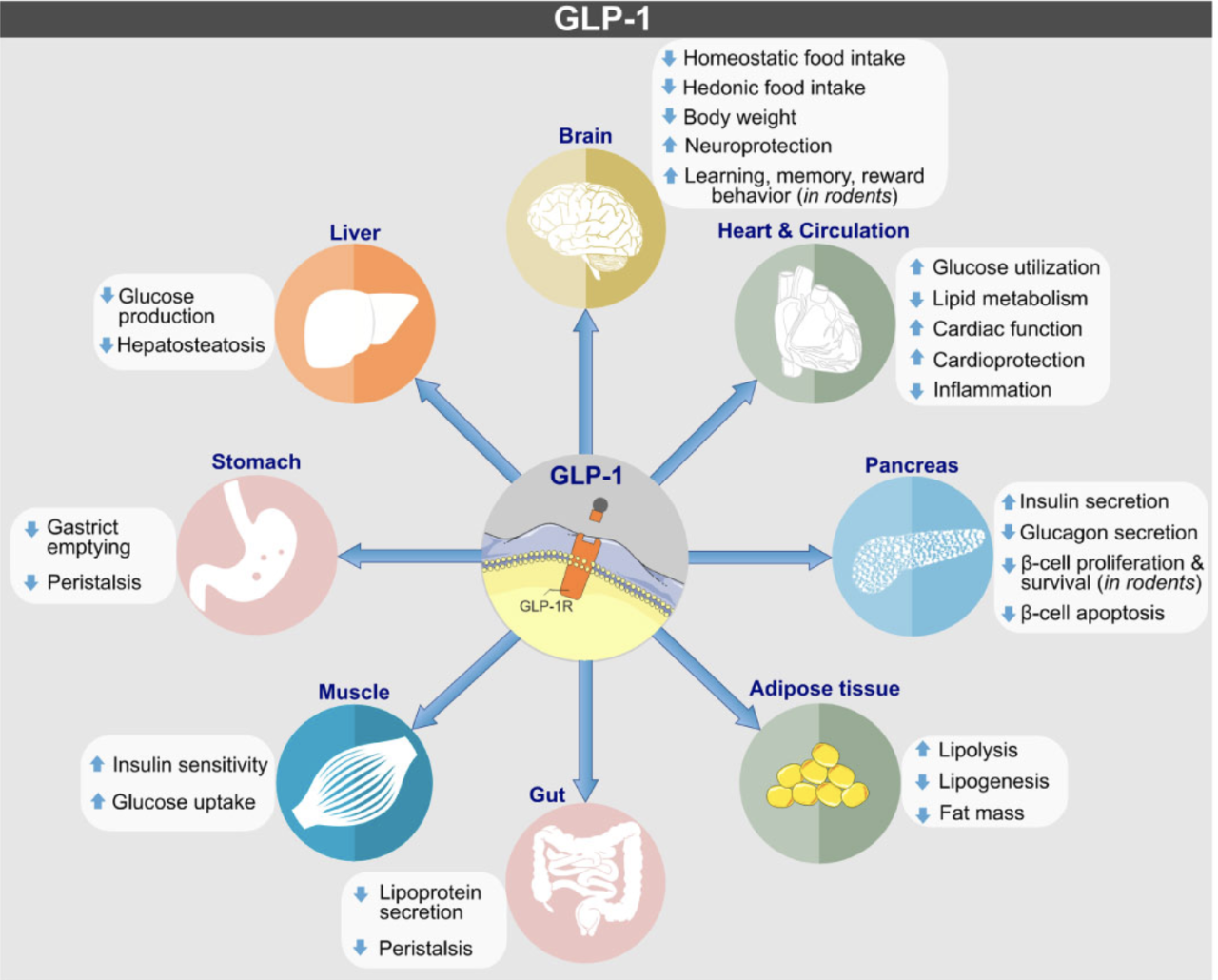
GLP-1 receptor agonists are a class of medications that target the GLP-1 receptor in the body. By binding to this receptor, these medications mimic the natural hormone GLP-1, stimulating the release of insulin, reducing glucagon levels, and slowing gastric emptying. This leads to improved insulin sensitivity, reduced glucose production in the liver, and enhanced feelings of fullness and satiety.

Benefits of GLP-1 Therapy for Weight Loss
The potential benefits of GLP-1 therapy for weight loss are numerous and well-documented. Some of the key advantages include:
- Significant Weight Loss:** Studies have consistently shown that GLP-1 receptor agonists can lead to significant weight loss, often averaging 10-15% of initial body weight.
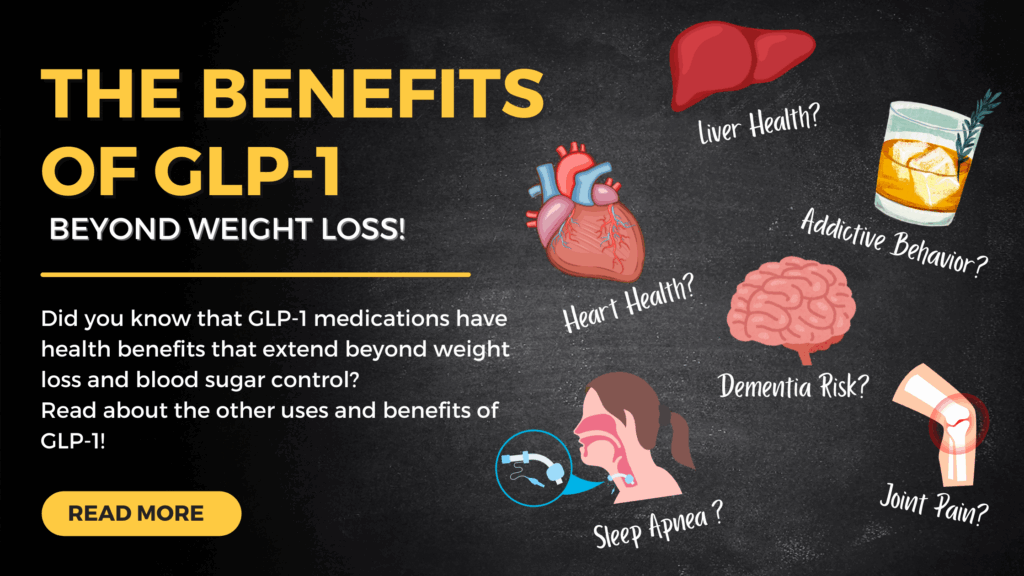
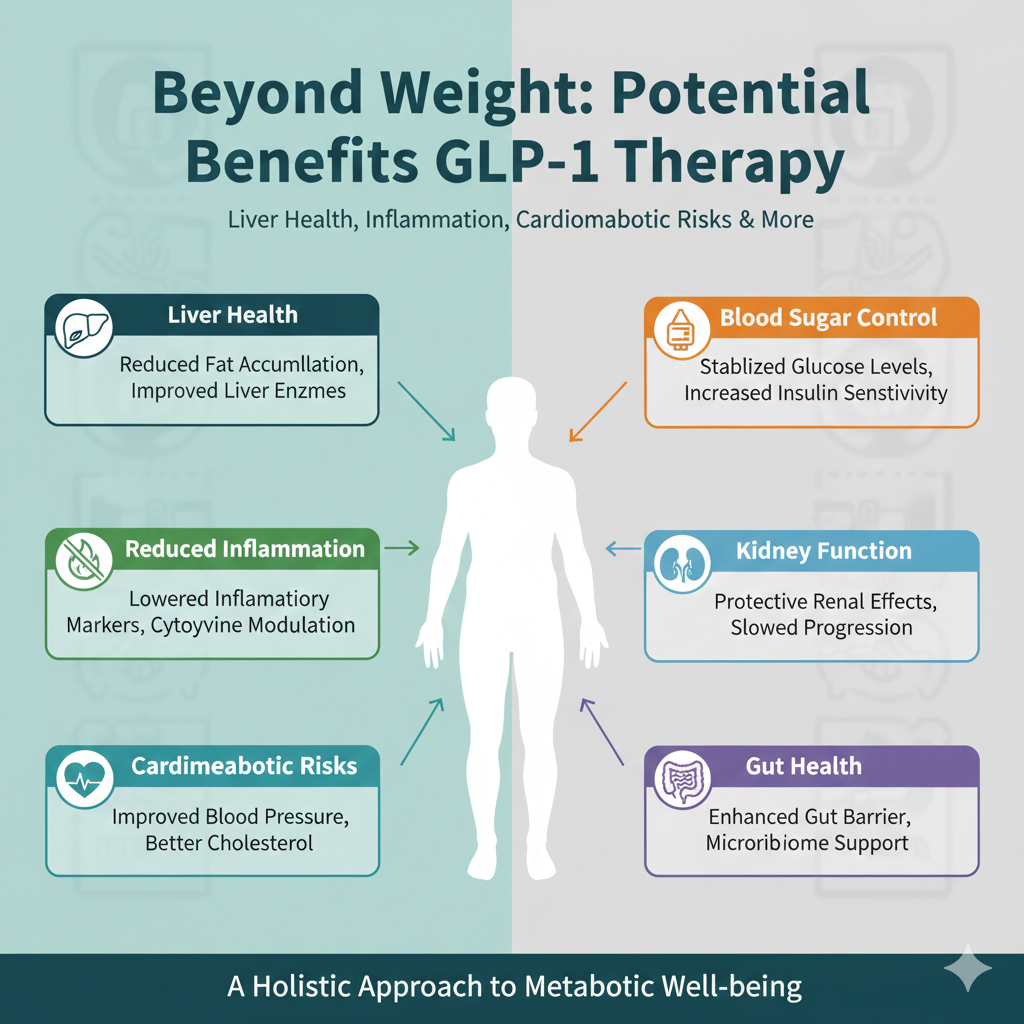
- Improved Insulin Sensitivity:** By enhancing insulin sensitivity, GLP-1 therapy can reduce the risk of developing type 2 diabetes and improve overall metabolic health.
- Reduced Blood Pressure:** GLP-1 receptor agonists have been shown to lower blood pressure in individuals with obesity, reducing the risk of cardiovascular disease.
- Enhanced Lipid Profile:** These medications can also improve lipid profiles, reducing triglycerides and low-density lipoprotein (LDL) cholesterol levels.
- Mental Health Benefits:** GLP-1 therapy has been linked to improved mood, reduced anxiety, and decreased symptoms of depression.
- Cardiovascular Protection:** Emerging evidence suggests that GLP-1 receptor agonists may offer cardiovascular benefits, including reduced risks of heart attack, stroke, and early death.




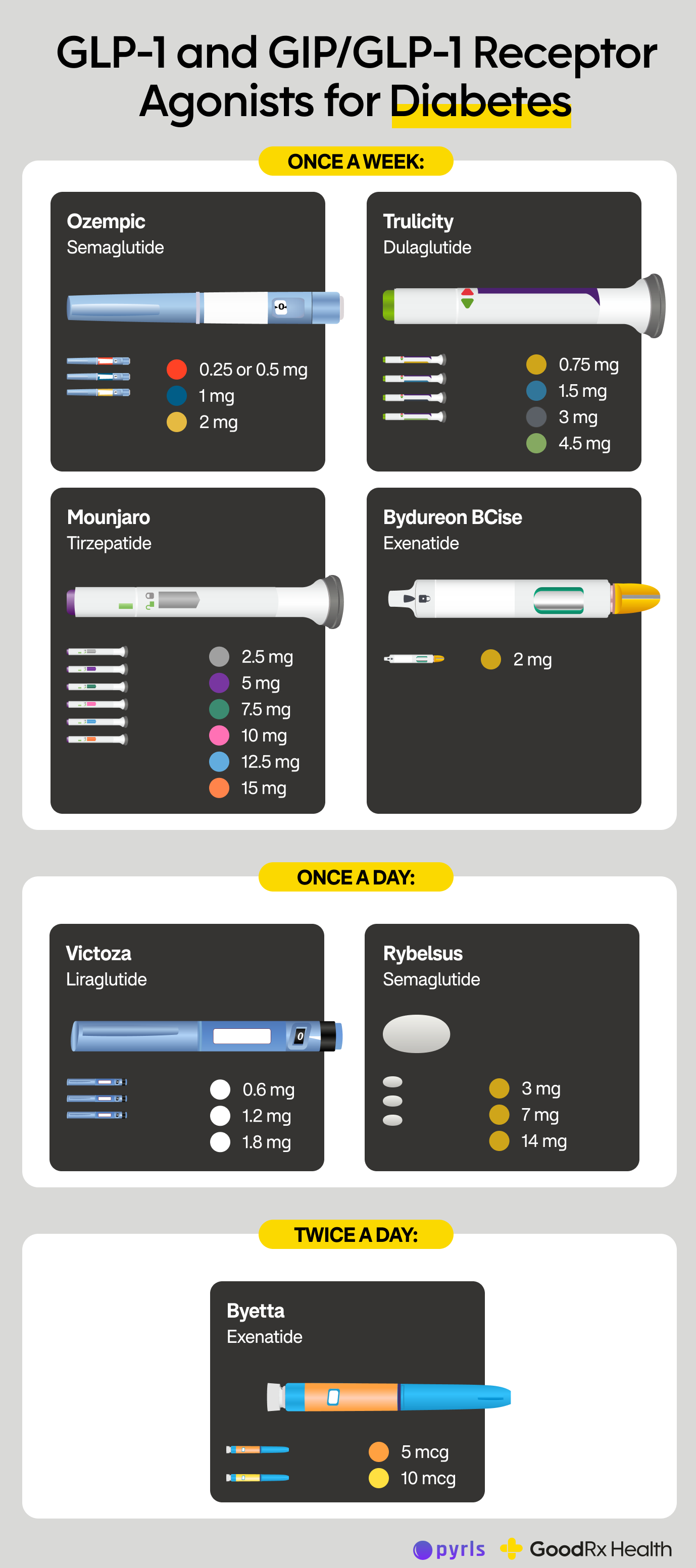




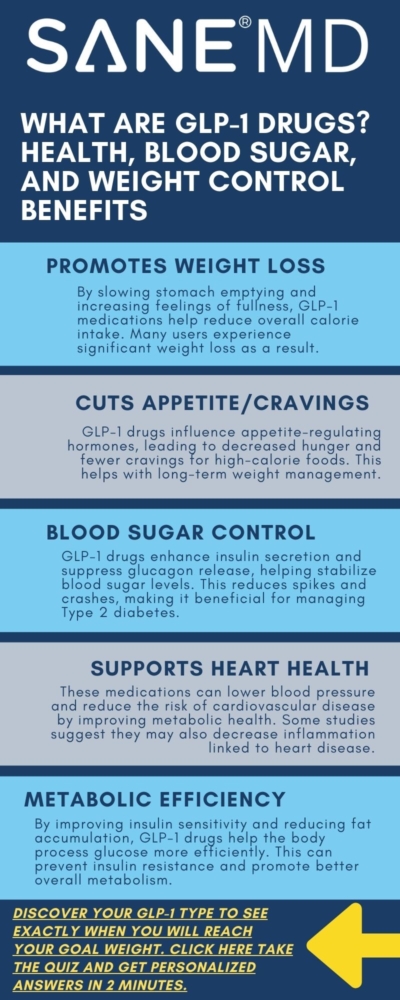




-p-1080.png "⏰ GLP-1RA: From")
