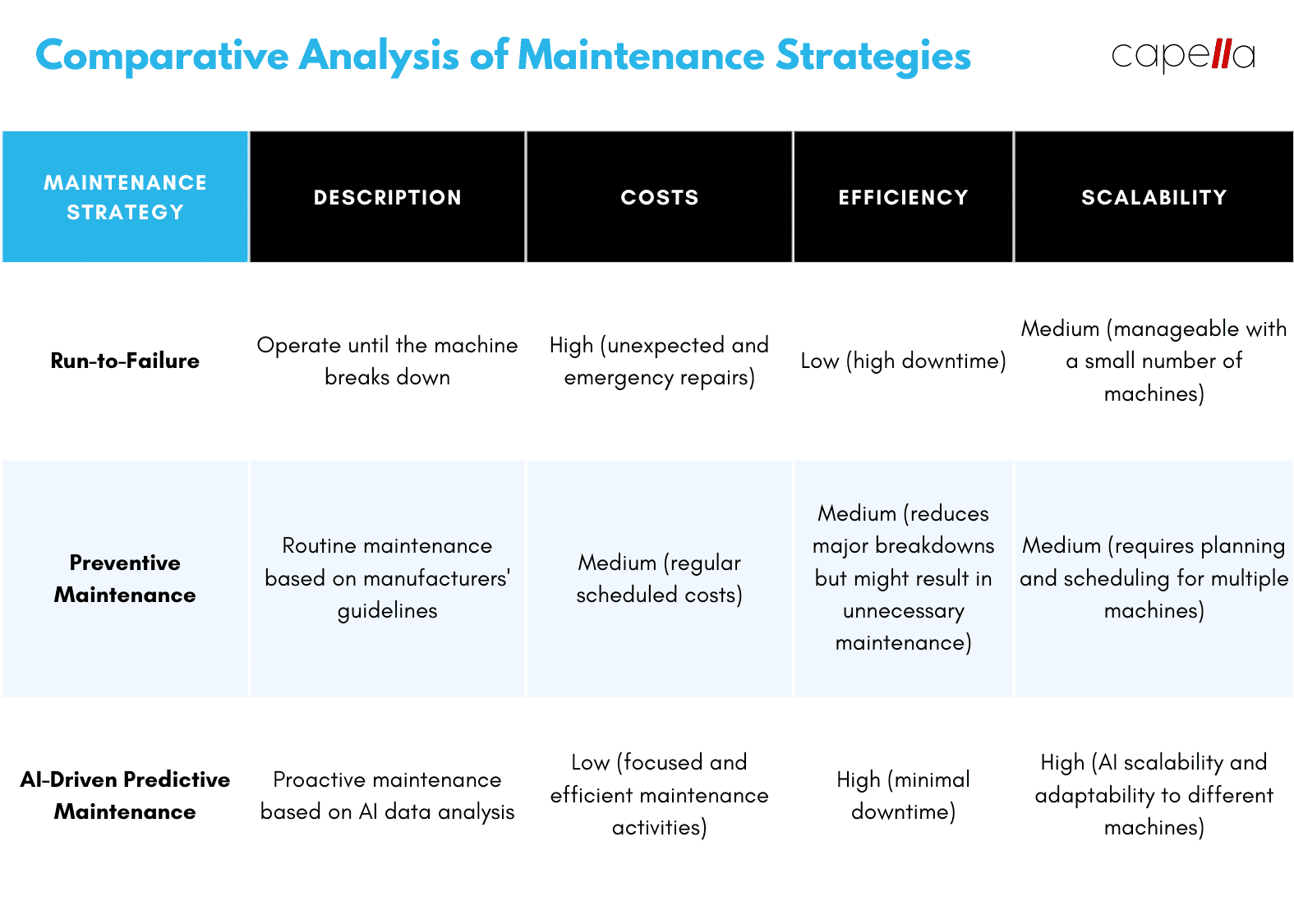
Predicitive maintenance (PdM) represents a paradigm shift in the way manufacturers approach asset maintenance. By leveraging real-time data and artificial intelligence (AI), companies can forecast when a machine requires intervention, reducing downtime and increasing overall efficiency.
The Importance of AI-Powered Predictive Maintenance
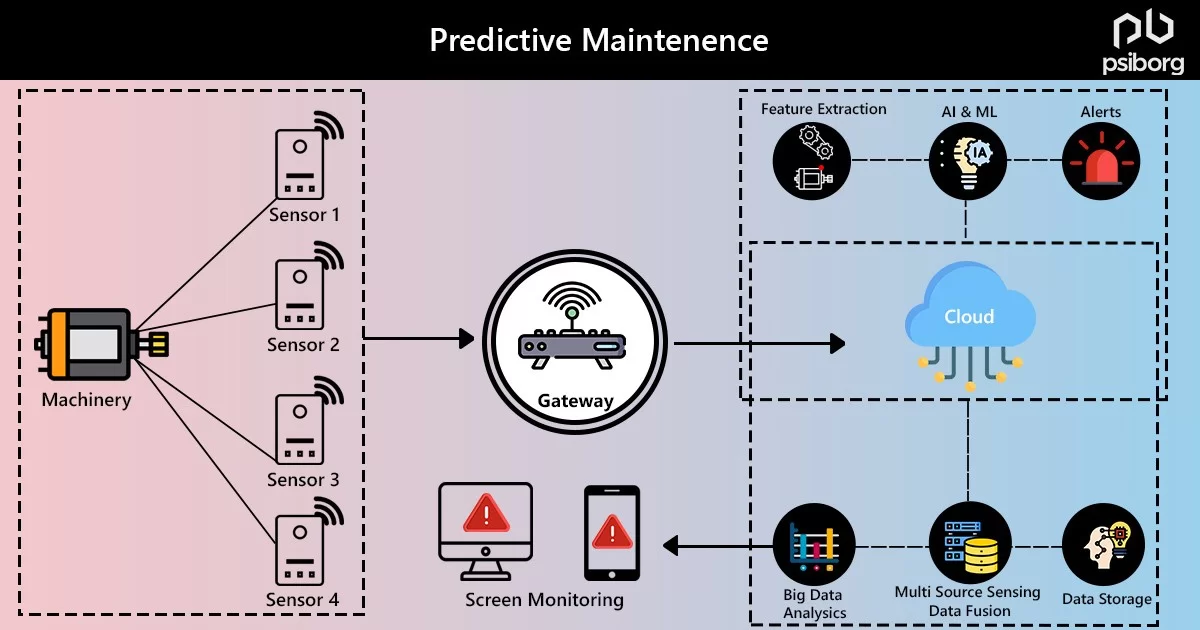
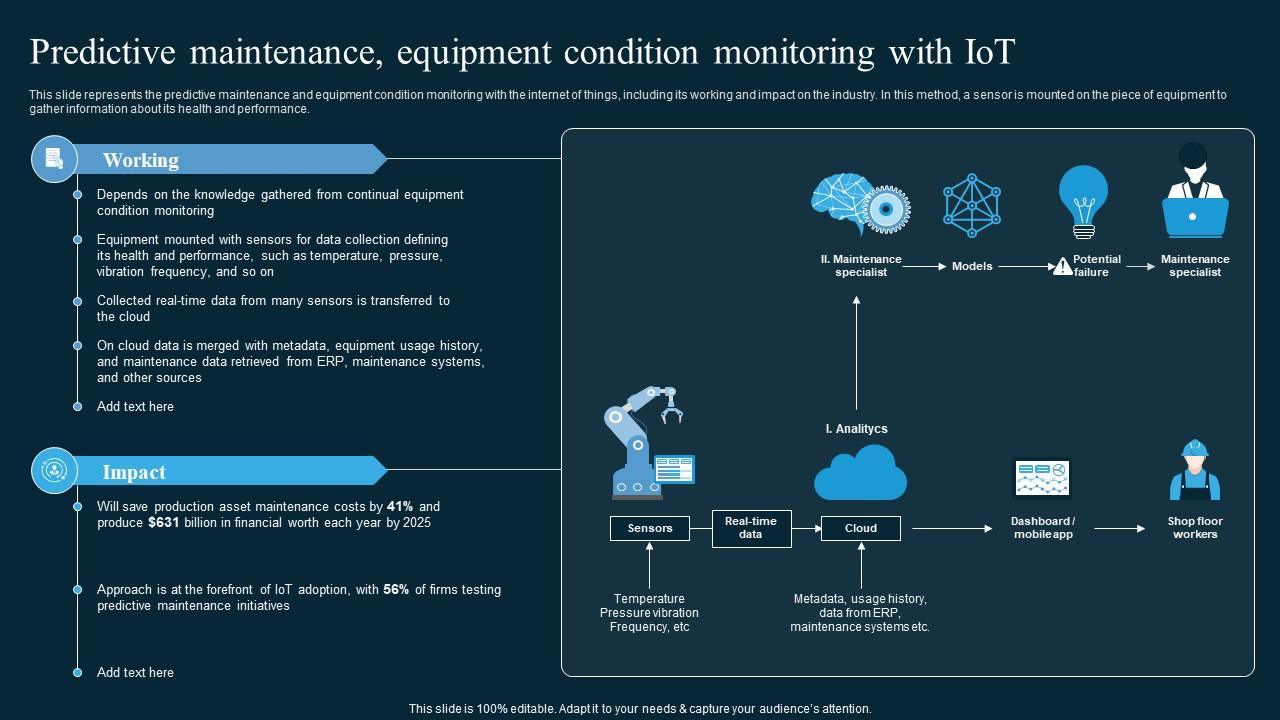
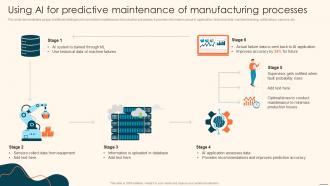
Predictive maintenance uses AI and machine learning algorithms to analyze sensor data from industrial equipment, identifying potential failures before they occur.
This approach enables manufacturers to optimize maintenance schedules, reducing the likelihood of unexpected downtime and associated costs.
By implementing AI-powered predictive maintenance, manufacturers can improve asset reliability, extend equipment life, and reduce maintenance costs.
Real-time monitoring and predictive analytics also enable manufacturers to make data-driven decisions, driving efficiency and productivity gains across the organization.
Benefits of AI-Powered Predictive Maintenance for Manufacturing
Cost Savings: Predictive maintenance helps manufacturers avoid costly repairs and replacements by identifying potential issues before they occur.
Higher Equipment Reliability: AI-powered predictive maintenance ensures that equipment operates within acceptable parameters, reducing the risk of failure and associated downtime.
Improved Operational Efficiency: Predictive maintenance optimizes maintenance schedules, reducing unnecessary maintenance activities and associated costs.
Reduced Downtime: By identifying potential failures before they occur, manufacturers can minimize downtime, ensuring that production remains uninterrupted.
Real-World Applications of AI-Powered Predictive Maintenance
Manufacturers across various industries are already leveraging AI-powered predictive maintenance to drive improvements in asset operations. For example:
A leading aerospace manufacturer reduced unplanned downtime by 62% and emergency repair costs by $840,000 after implementing AI-powered predictive maintenance.
A food manufacturing plant decreased waste and spoilage by 30% and reduced maintenance costs by 25% through the use of AI-powered predictive maintenance.
A chemical manufacturer improved production efficiency by 20% and reduced maintenance costs by 15% after implementing AI-powered predictive maintenance.
Best Practices for Implementing AI-Powered Predictive Maintenance
To get the most out of AI-powered predictive maintenance, manufacturers should:
Capture High-Quality Data: High-quality data is essential for accurate predictive modeling.
Choose the Right AI Algorithms: Select algorithms that are relevant to the specific use case and industry.
Develop a Comprehensive Maintenance Plan: A well-planned maintenance strategy is critical for maximizing the benefits of AI-powered predictive maintenance.
Continuously Monitor and Evaluate Performance: Regular monitoring and evaluation ensure that the predictive maintenance system remains effective and accurate.
Conclusion
Predictive maintenance represents a fundamental shift from calendar-based or reactive maintenance to a intelligent, data-driven stewardship of manufacturing assets. By leveraging AI-powered predictive maintenance, manufacturers can drive significant improvements in efficiency, productivity, and cost savings, ultimately leading to increased competitiveness and profitability.