Anxiety Symptoms and GLP-1 Levels: What's the Connection?
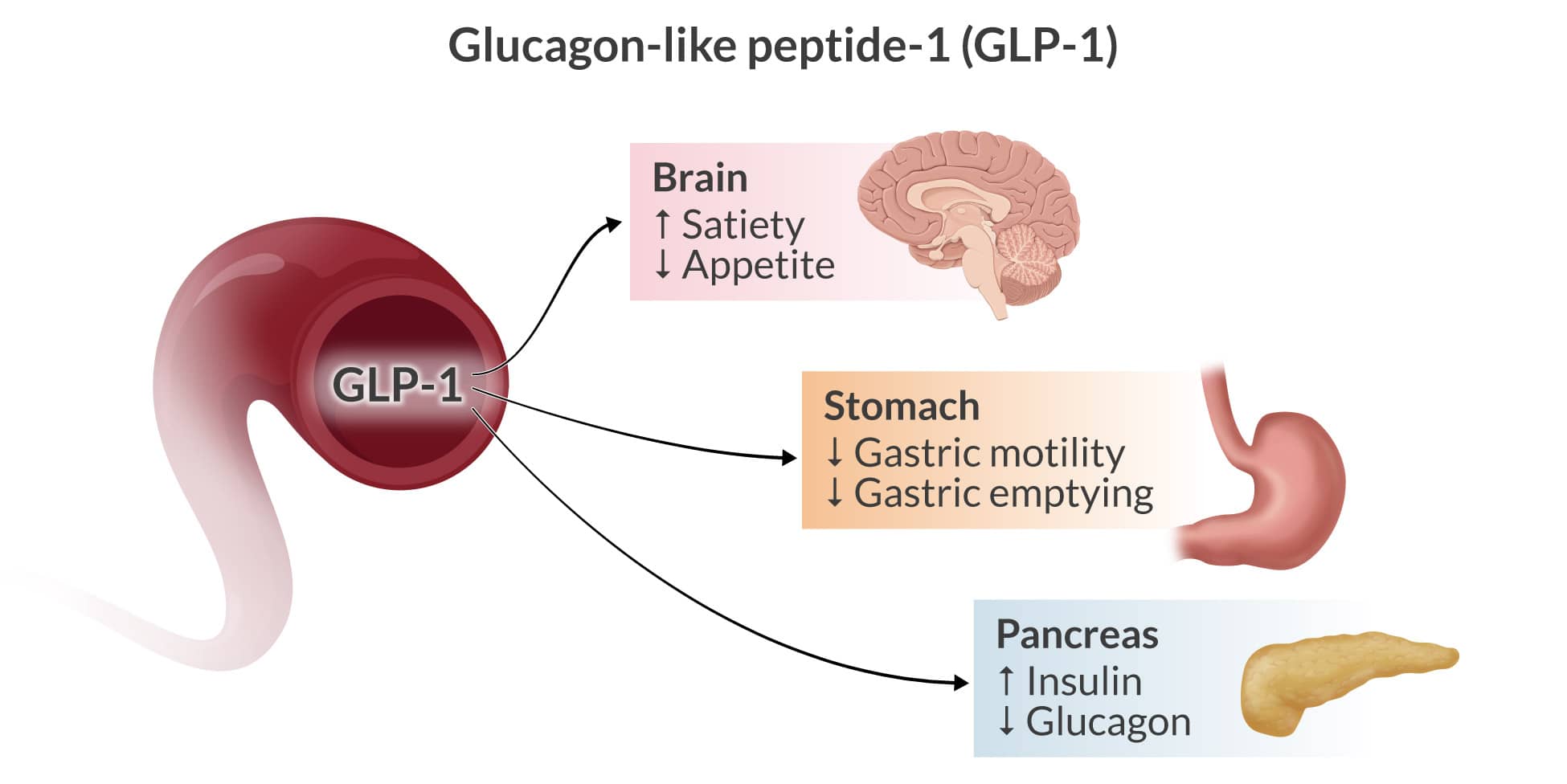
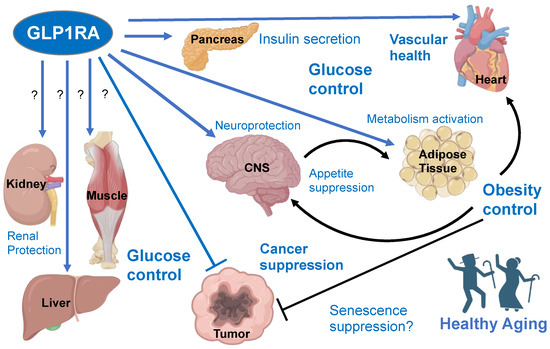
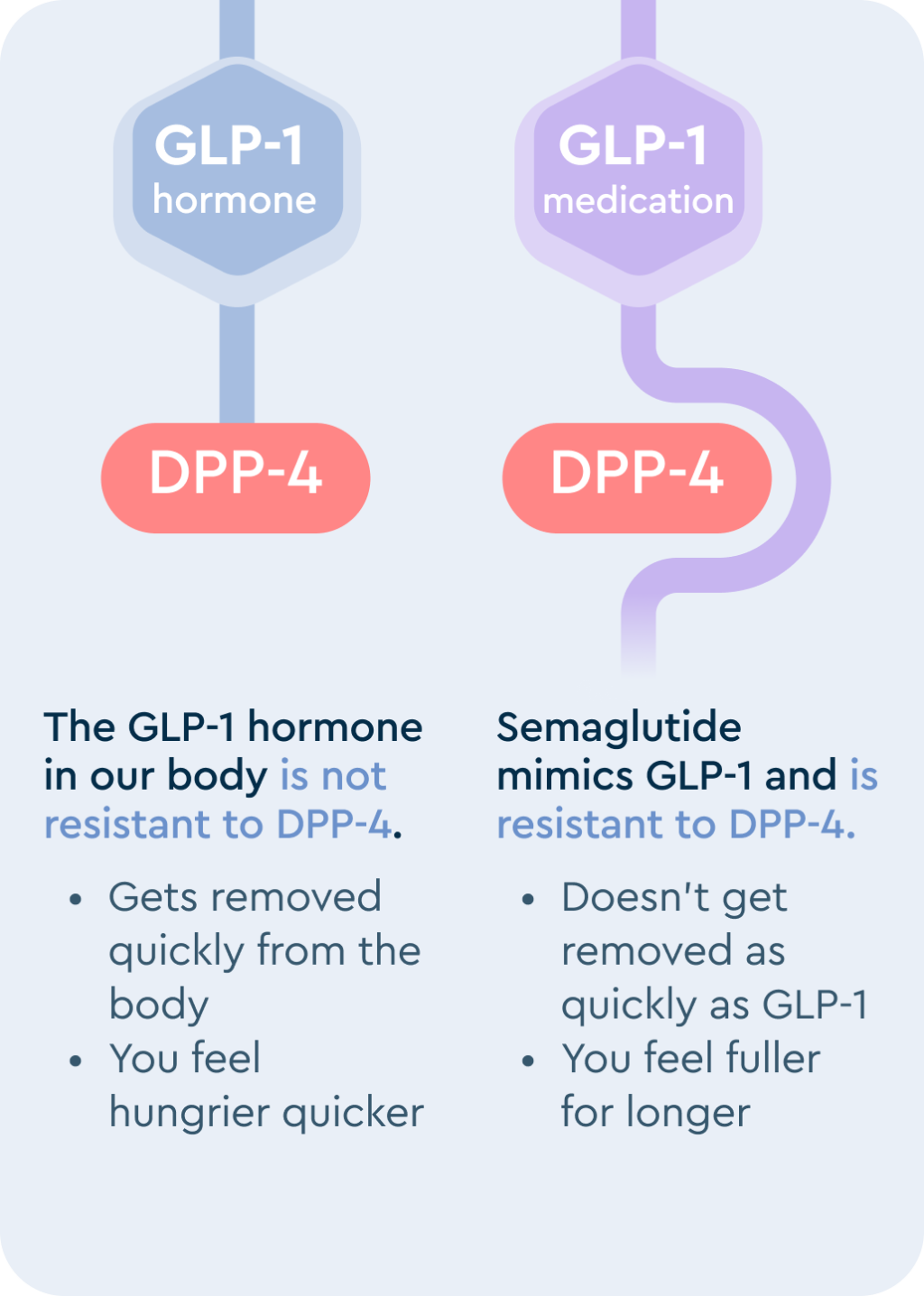
Glucagon-like peptide-1 (GLP-1) receptor agonists have revolutionized the treatment of type 2 diabetes and obesity. These medications work by mimicking the action of naturally occurring GLP-1 hormones in the body, which help regulate blood sugar levels, stimulate insulin production, and promote satiety. While primarily prescribed for metabolic function, GLP-1 medications have been found to have a range of psychological and psychiatric effects, including potential impacts on anxiety symptoms and levels.
The Complex Relationship Between GLP-1 and Mental Health
Recent studies have shown mixed findings on the links between GLP-1 medications and depression, anxiety, and suicidal ideation. While some studies have suggested a potential risk of worsening mental illness, others have found a reduced risk of worsening anxiety and depression symptoms. A new large-scale study suggests that GLP-1 medications may help alleviate symptoms of anxiety, depression, and substance use disorders.

What Are GLP-1 Mental Health Effects?
- Clinical depression symptoms, including persistent sadness, loss of interest, and feelings of hopelessness, have been reported in some individuals treated with GLP-1 medications.
- Some patients have experienced heightened anxiety levels, particularly in the first few weeks or right after a dose increase of the drug.
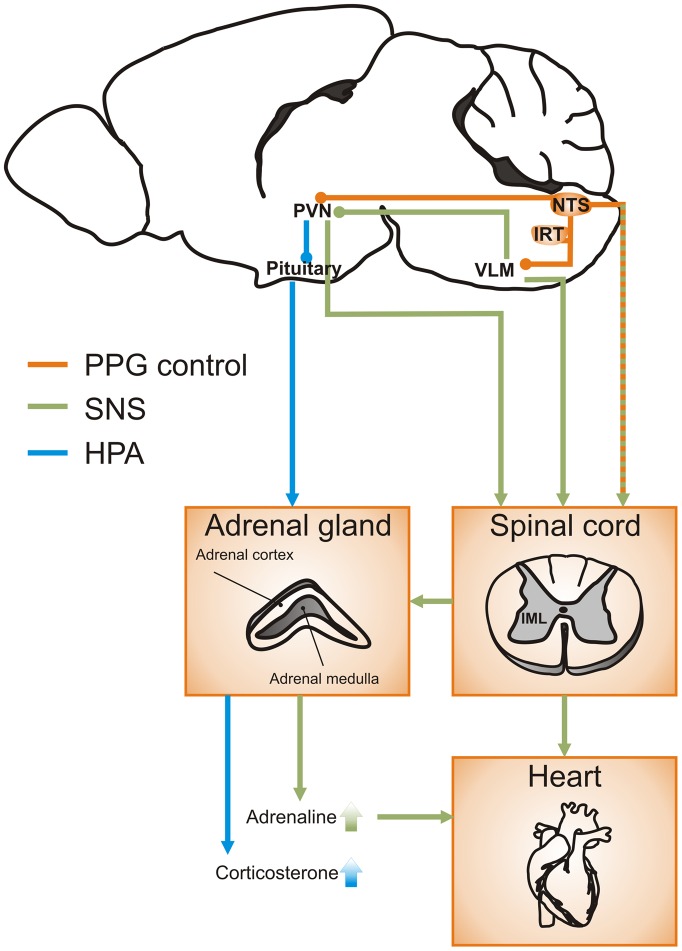
- GLP-1 medications may influence both metabolic and psychiatric systems, with emerging evidence suggesting effects on neuroinflammation, neuroplasticity, and anxiety-related regulation.