Attic Fan Installation and Ventilation Systems: A Comprehensive Guide
As a homeowner, ensuring the optimal performance of your attic ventilation system is crucial for maintaining a comfortable living environment and reducing energy costs. In this article, we will delve into the world of attic fan installation and ventilation systems, exploring the different types, benefits, and considerations to keep in mind when selecting the right system for your home.
Why Attic Ventilation Matters
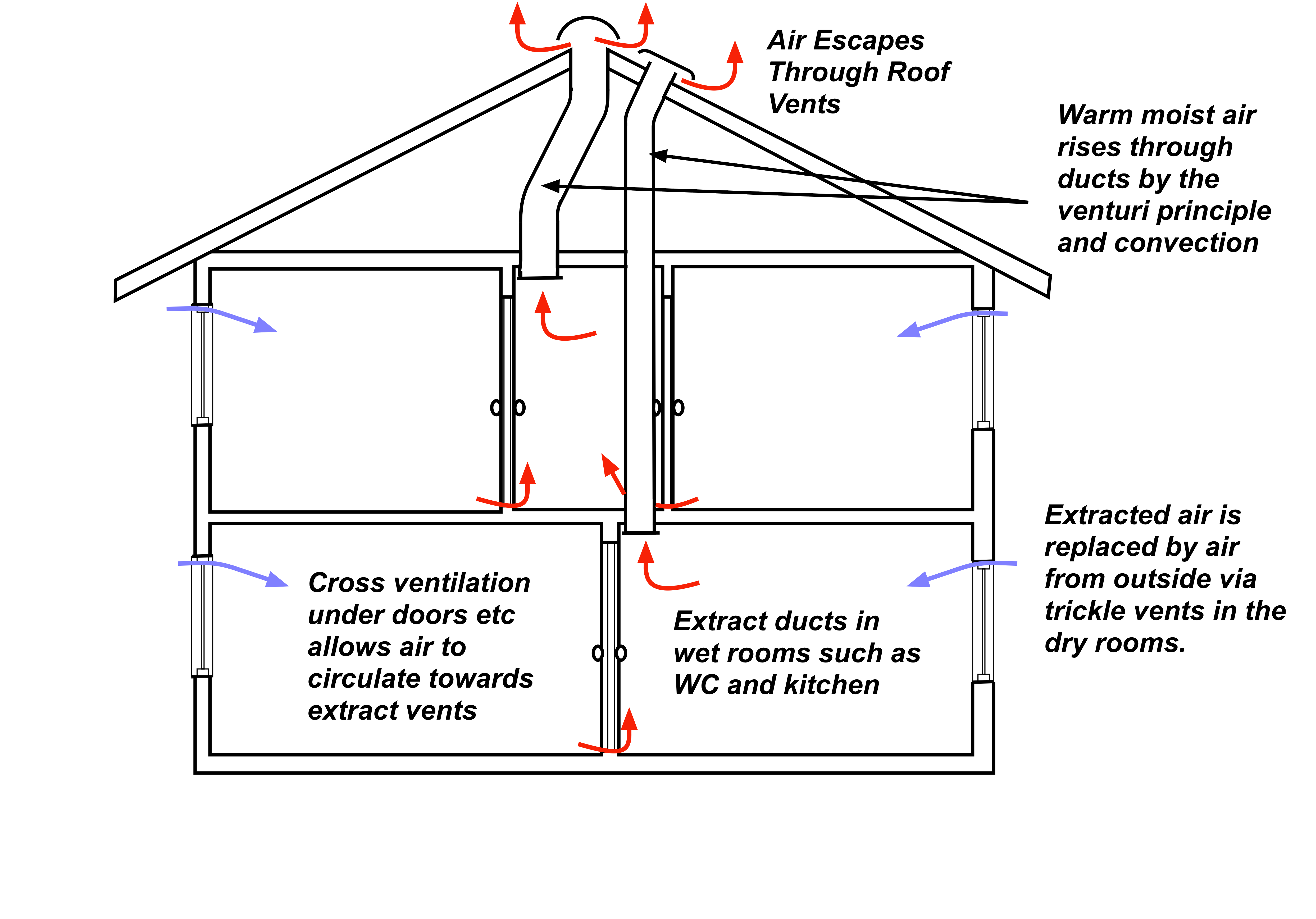
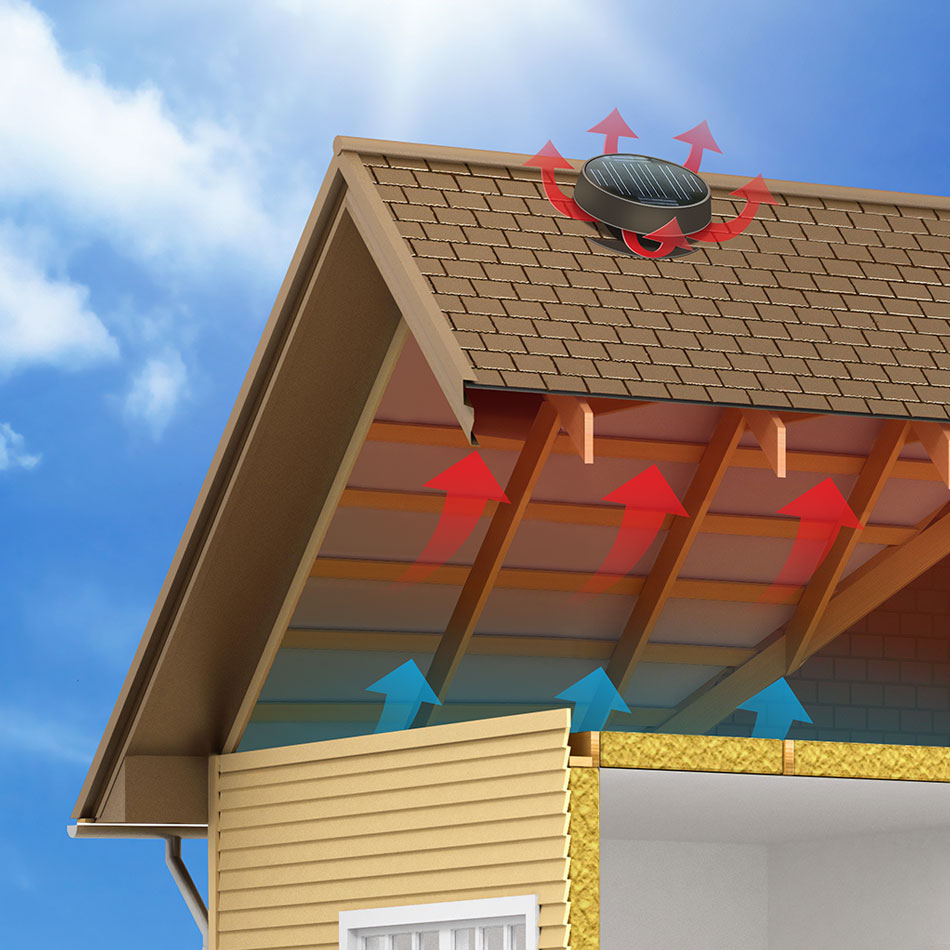
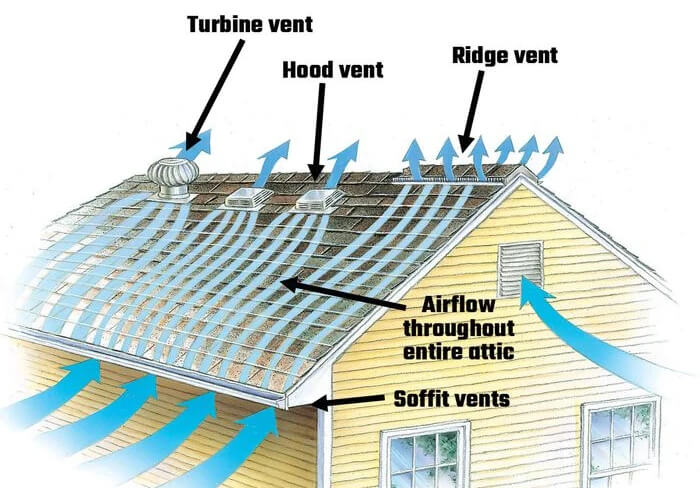
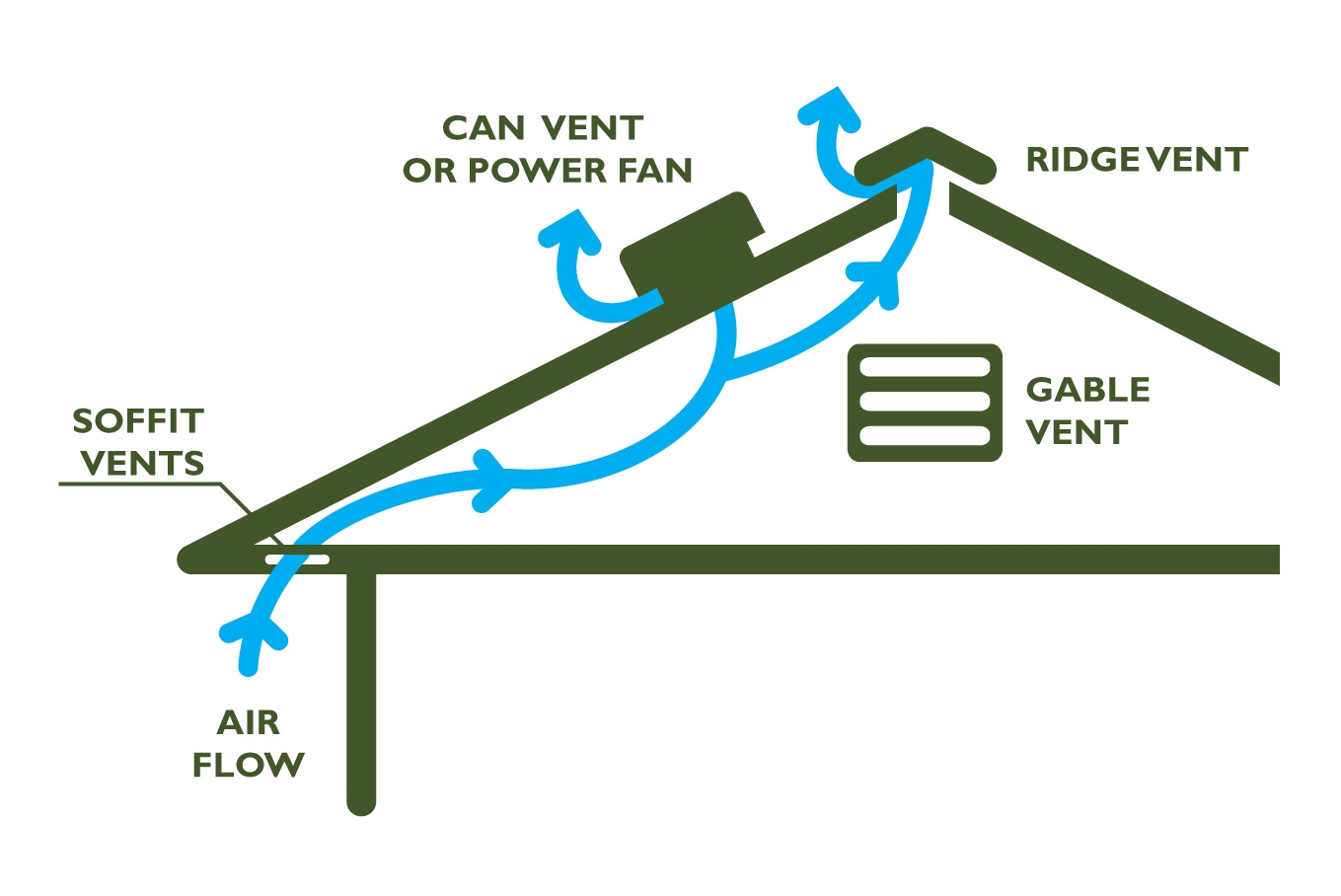
Attic ventilation plays a vital role in regulating temperature and humidity levels in your home. Proper ventilation helps to prevent moisture buildup, reduces the risk of mold growth, and extends the lifespan of your roof. By removing hot, stale air from the attic and allowing cooler, fresher air to circulate in, you can enjoy improved energy efficiency, reduced cooling costs, and a healthier living environment.

Types of Attic Fans and Ventilation Systems
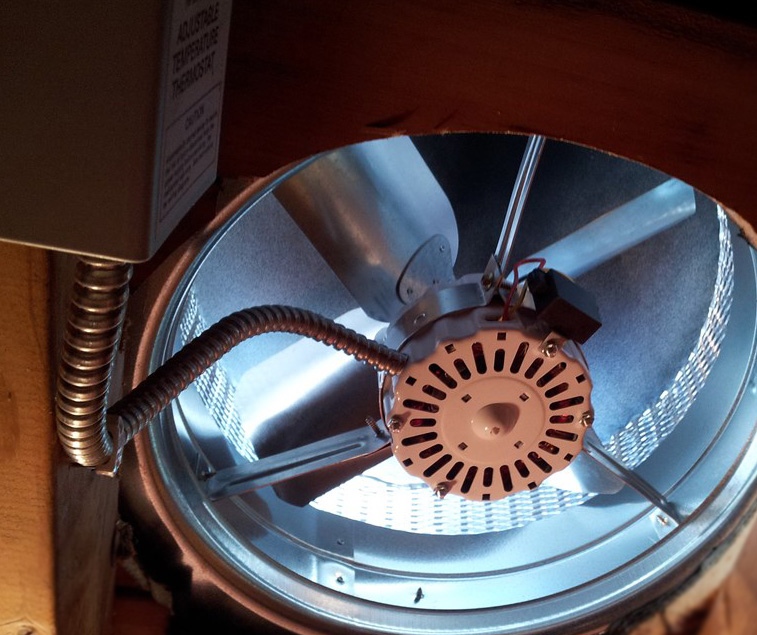
When it comes to attic fan installation and ventilation systems, there are several options to consider:
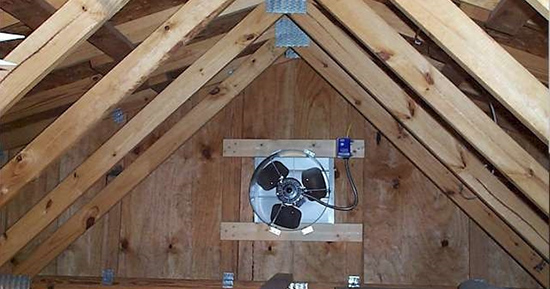
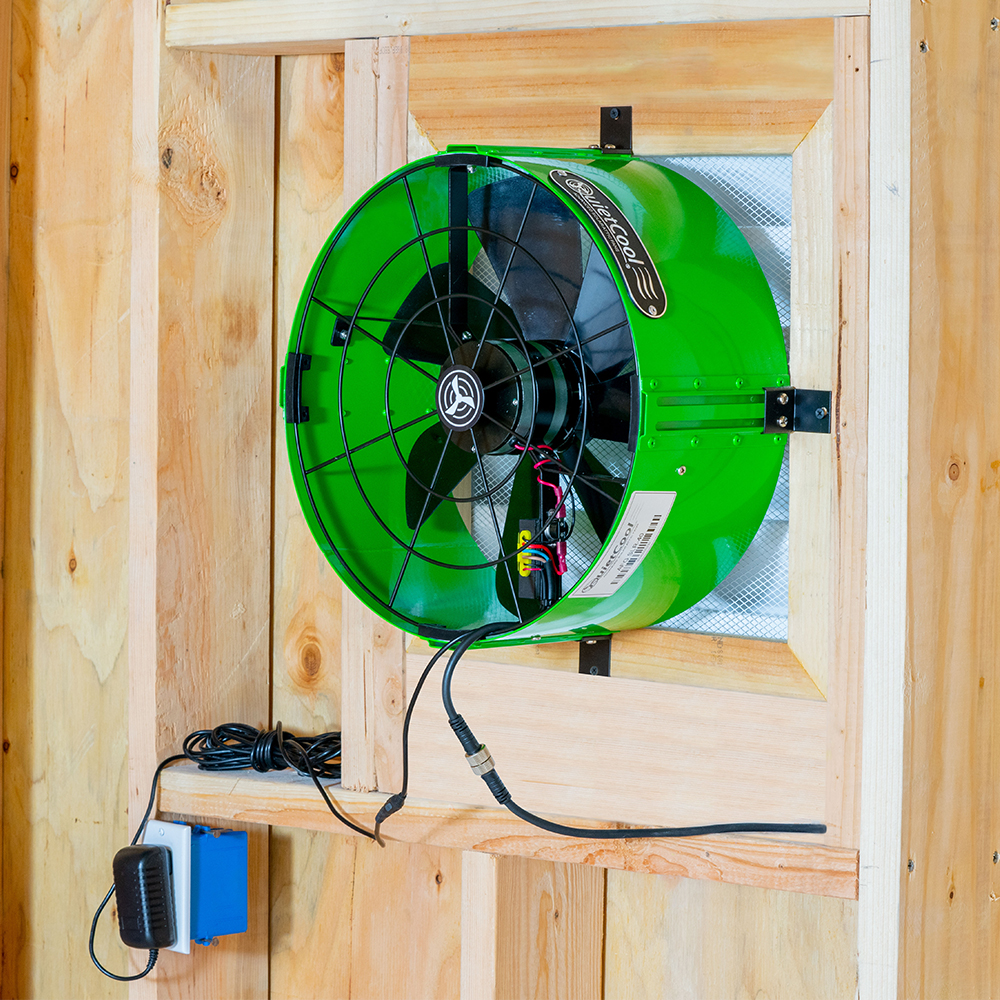
- Gable-Mounted Units: These fans are mounted on the gable wall, providing a straightforward installation process and easy maintenance access.
- Belt-Driven Systems: These systems use a belt-driven mechanism to power the fan, offering a reliable and efficient solution for attic ventilation.
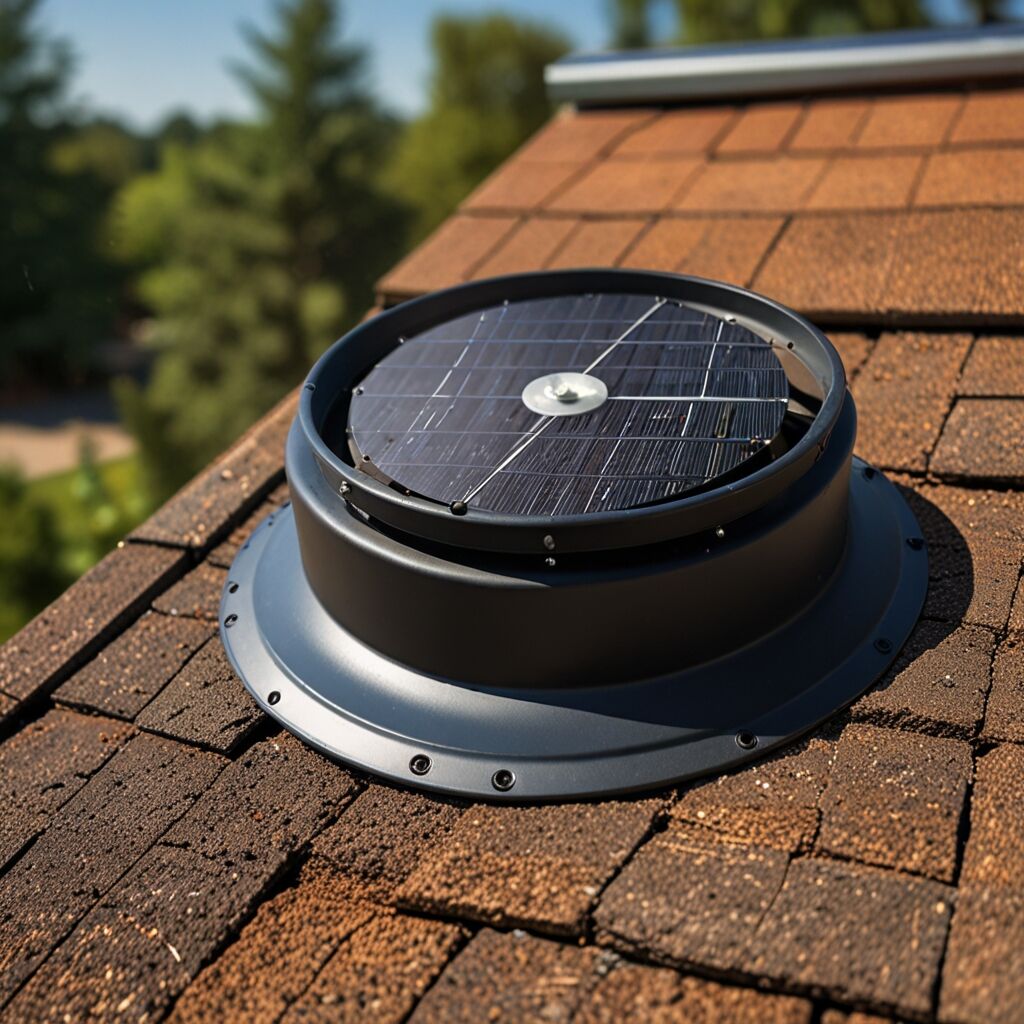
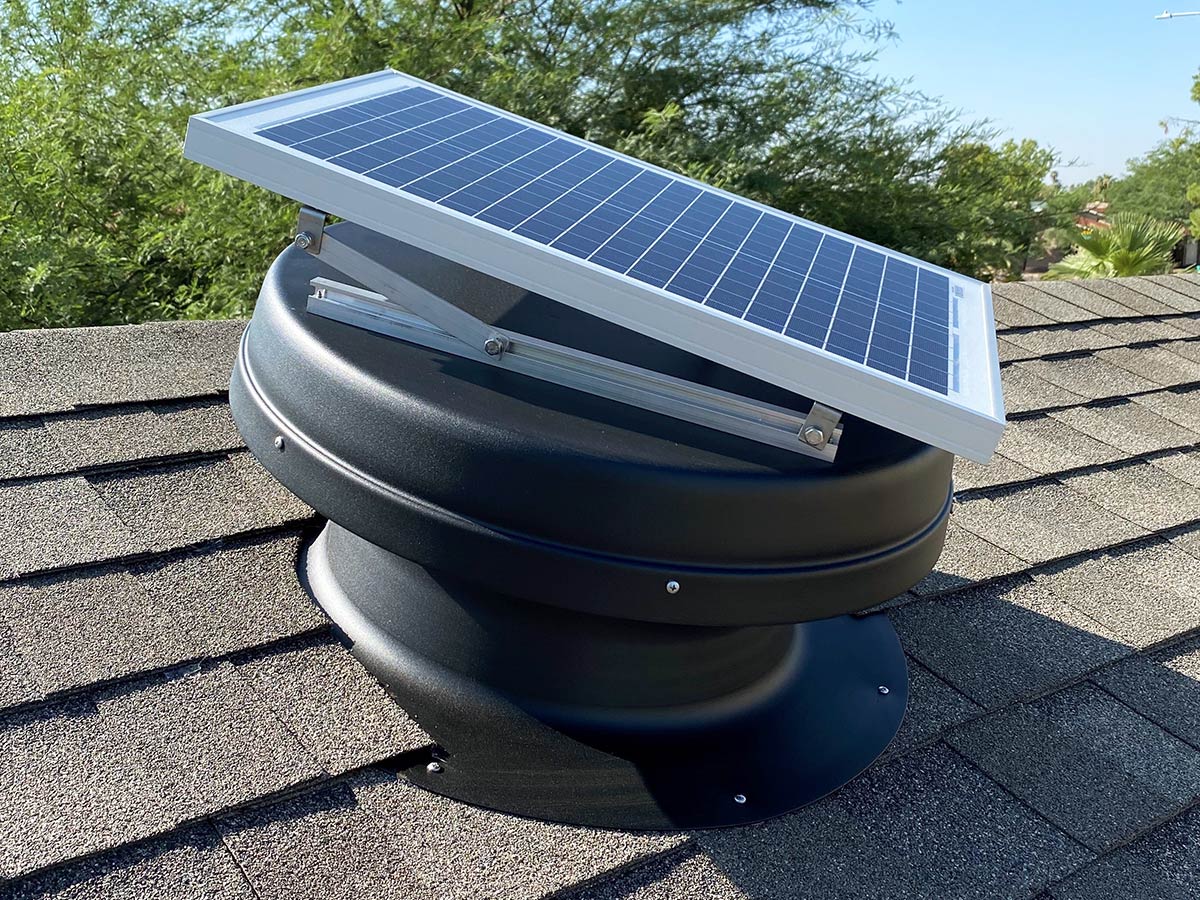
- Solar-Powered Setups: Solar-powered attic fans harness the power of the sun to provide a cost-effective and environmentally friendly solution for attic ventilation.
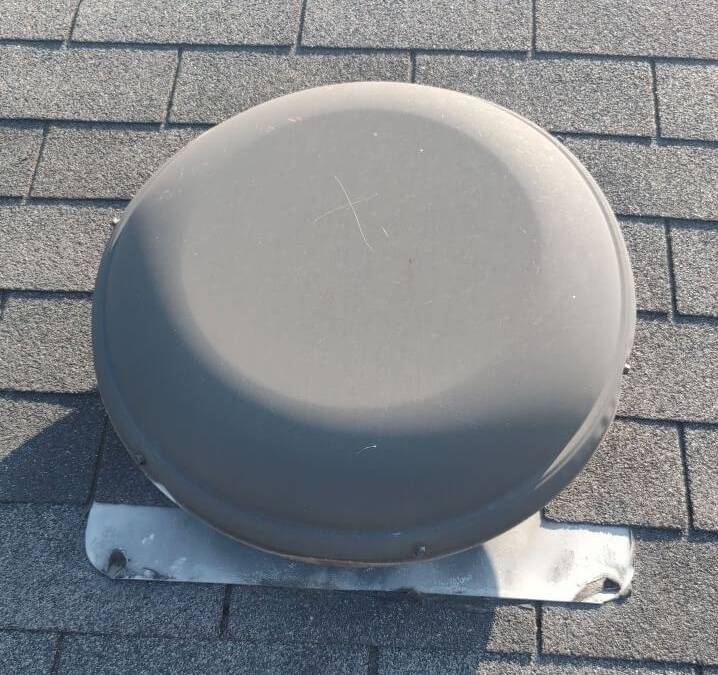
- Turbine Roof Vents: These vents use wind energy to create a natural ventilation system, providing a low-maintenance and cost-effective solution for attic ventilation.
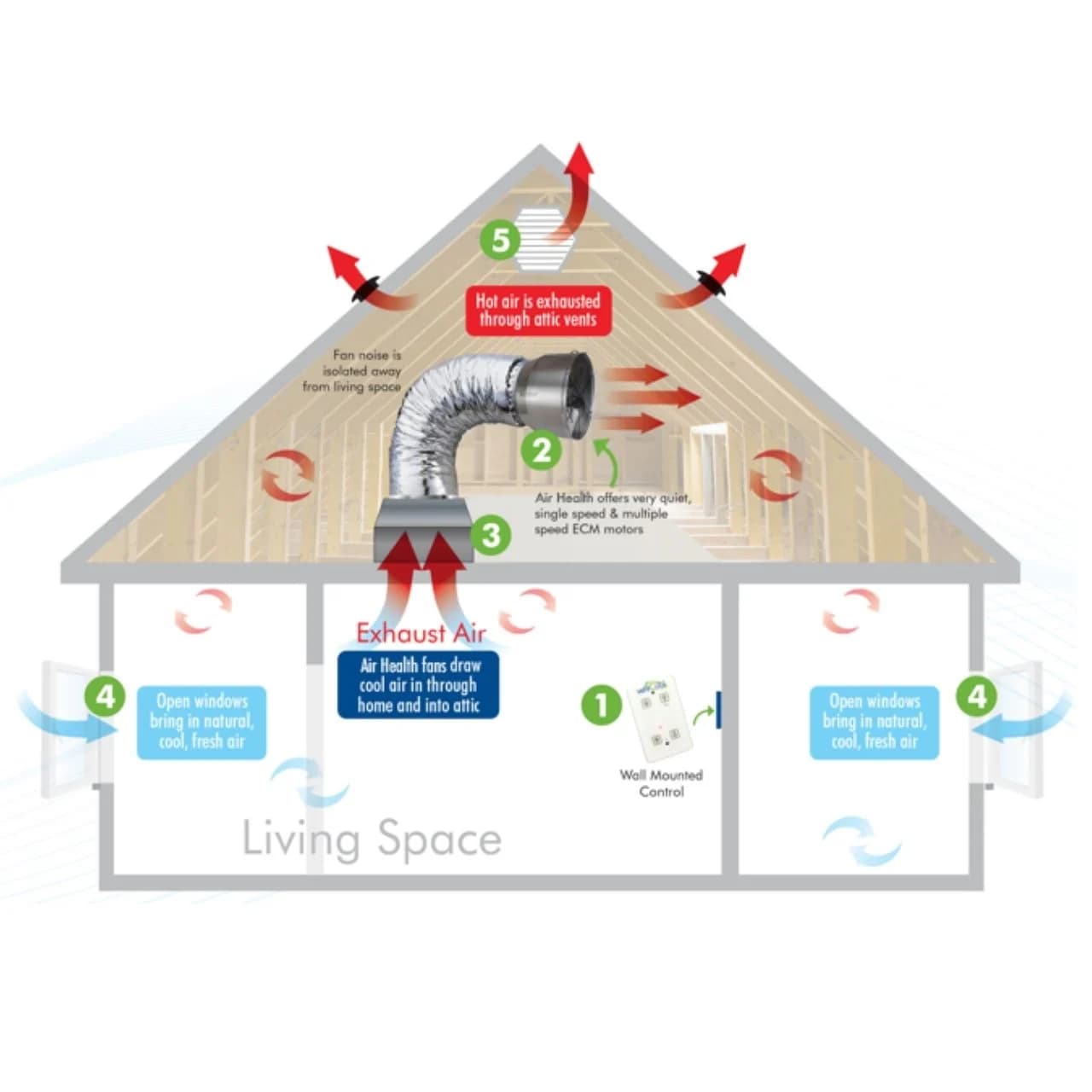
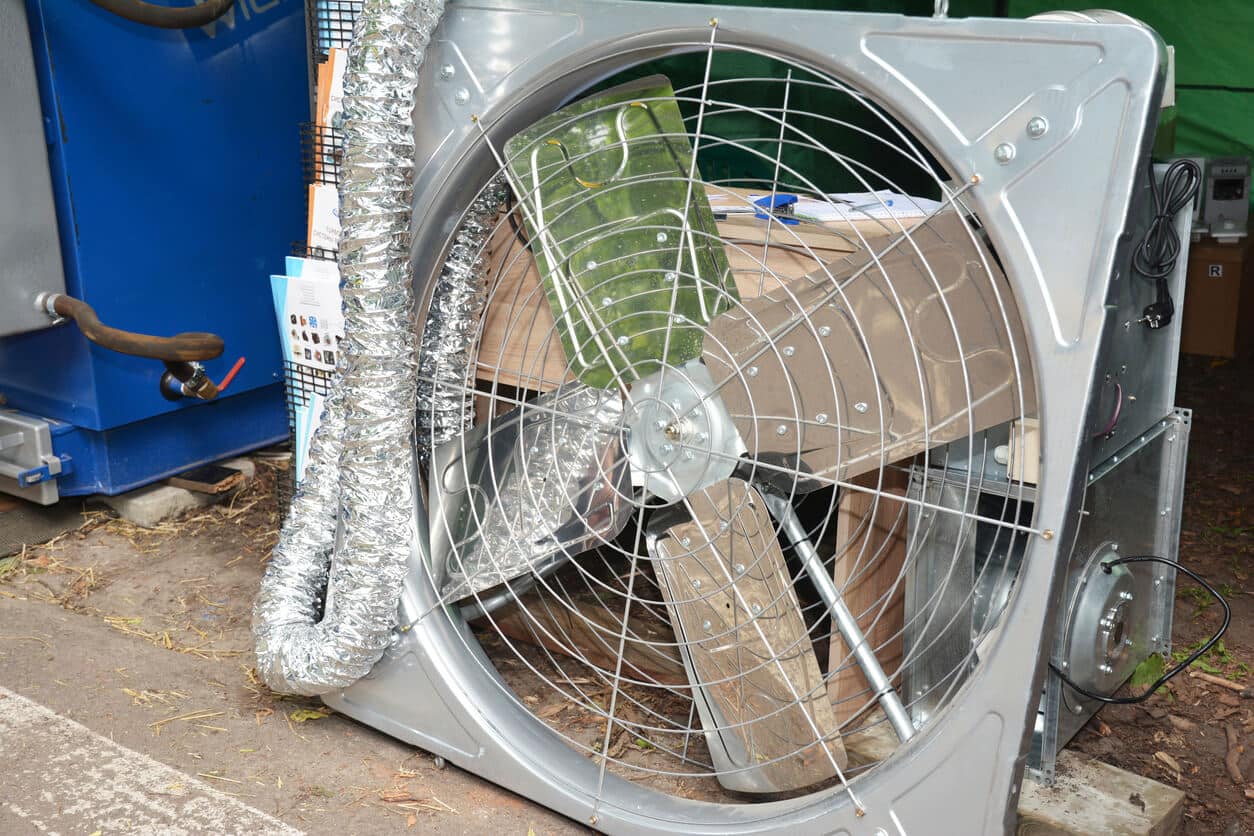
- Whole-House Fans: These fans are designed to cool the entire house by pulling in fresh air through open windows and exhausting hot air into the attic.