Bathroom Renovations for People with Disabilities: A Comprehensive Guide
Understanding the Need for Handicap-Accessible Bathrooms
For individuals with mobility challenges, a standard bathroom can often be a frustrating and even dangerous environment. Traditional bathroom designs are typically not equipped to accommodate the unique needs of those with disabilities, creating barriers to independence and safety. A bathroom renovation for people with disabilities is essential to ensure a safe and comfortable space for everyone.Essential Features and Considerations for Handicap-Accessible Bathrooms
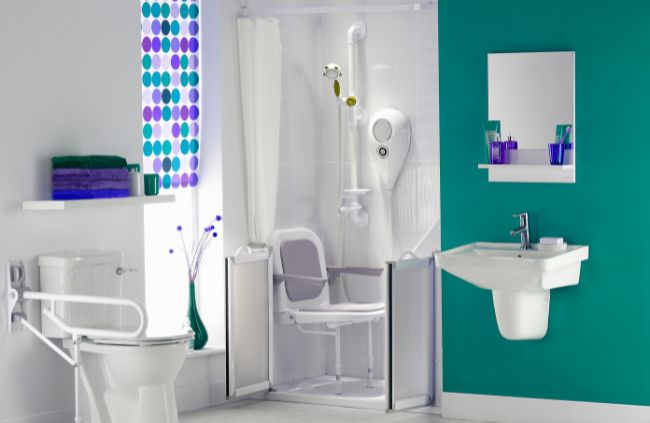
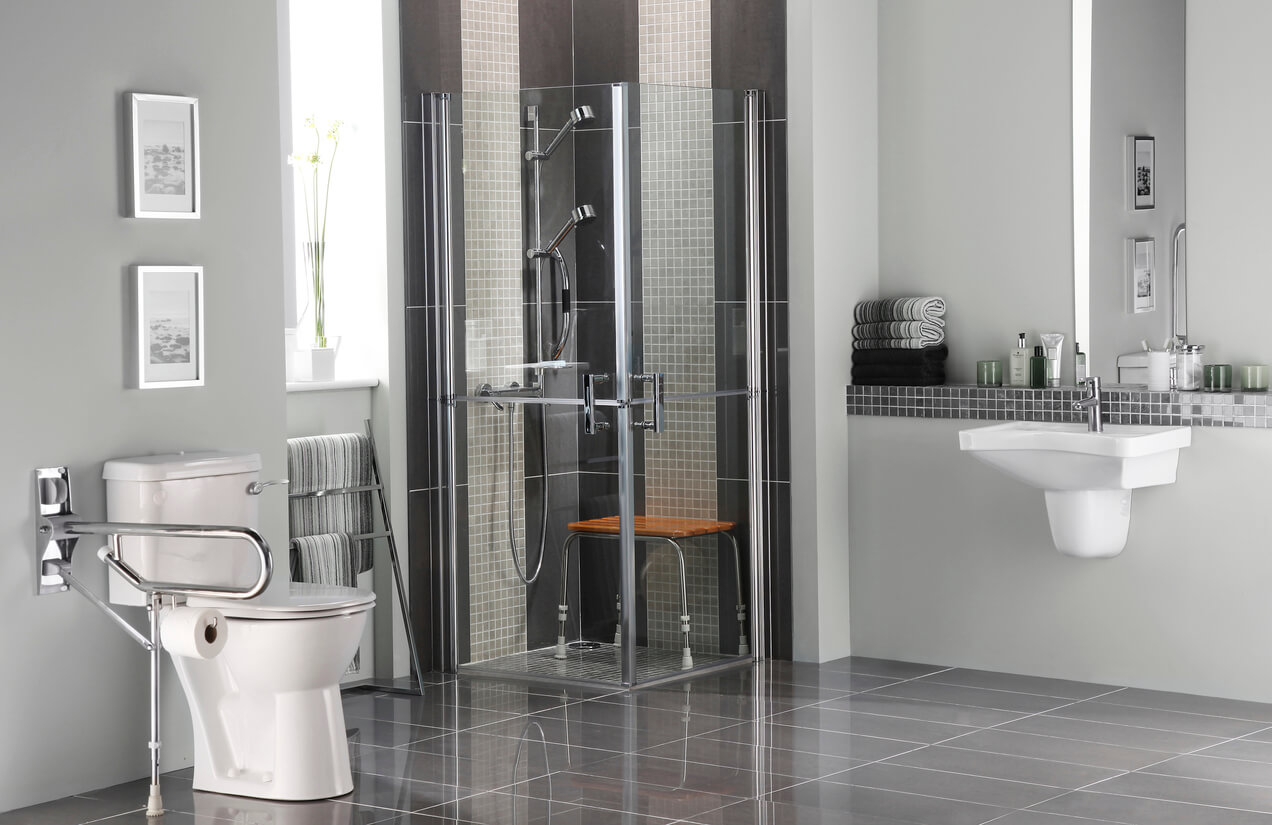
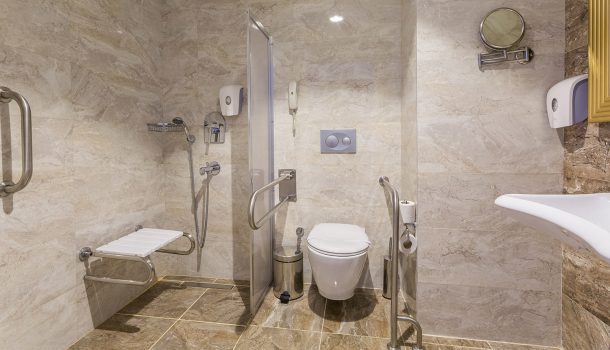
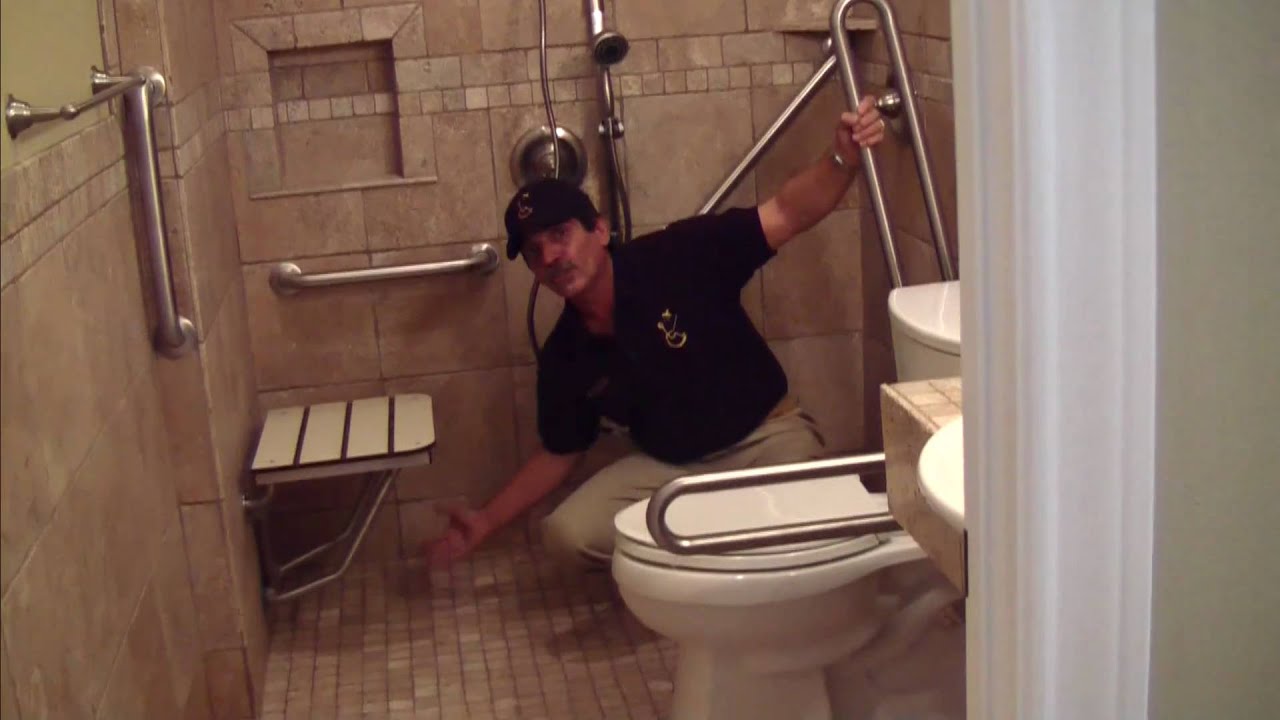
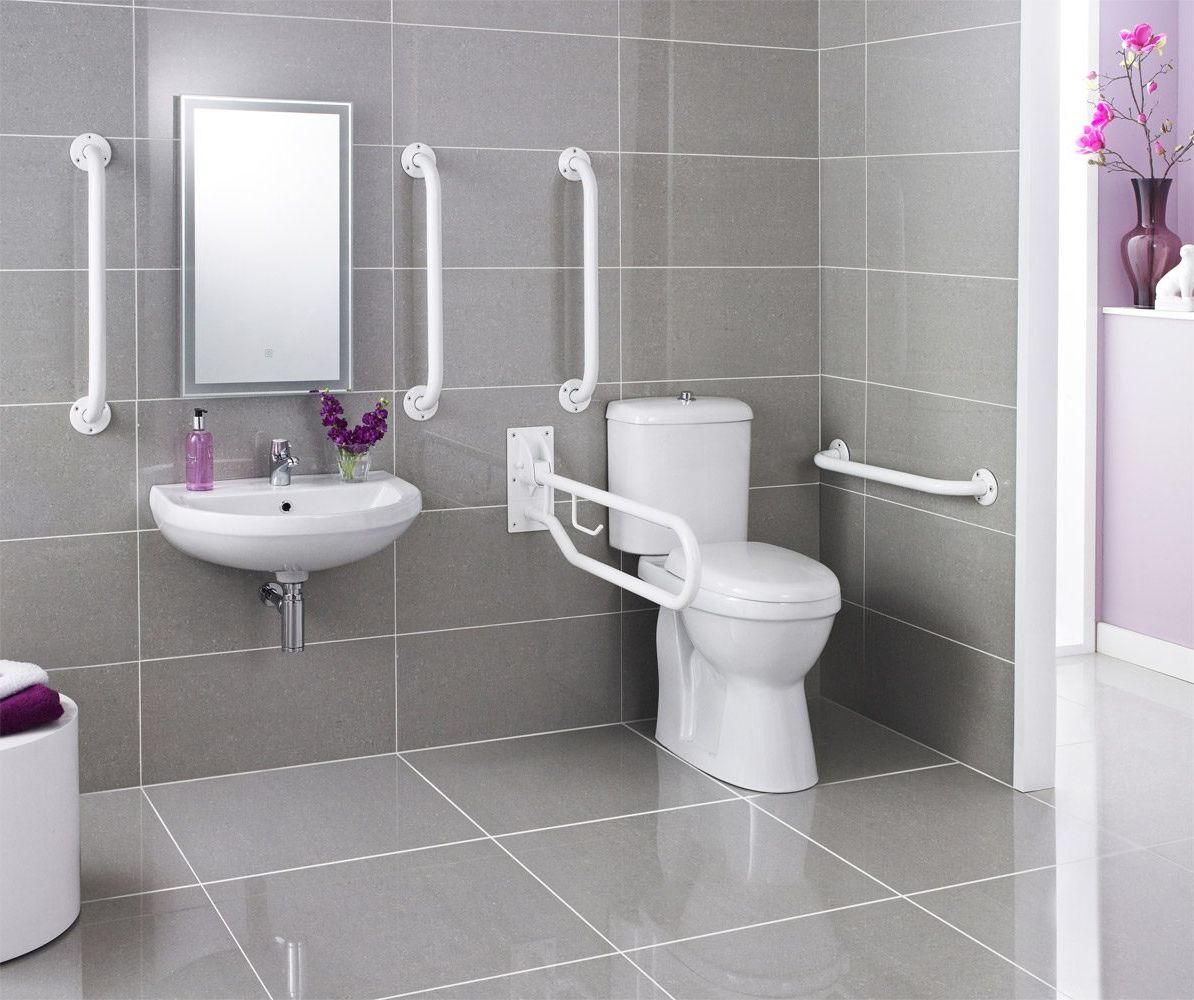
- Adaptive fixtures: Grab bars, roll-under sinks, and shower seats can make a significant difference in a person's ability to navigate the bathroom.
- Clear space: A minimum of 60 inches of clear space is required in front of a sink and toilet, and 30 inches of clear space is required on either side of a toilet.
- Wheelchair-accessible showers: A shower stall with a threshold ramp and a seat can make it easier for individuals with mobility limitations to bathe safely.
- Low-threshold showers: A shower stall with a low threshold can make it easier for individuals with mobility limitations to enter and exit the shower safely.
- Non-slip flooring: A non-slip floor can help prevent slips and falls in the bathroom.
- Air circulation: Adequate air circulation can help prevent the buildup of moisture in the bathroom, reducing the risk of mold and mildew.