Binge Eating GLP-1 Therapy Outcome: A Promising Approach to Managing Eating Disorders
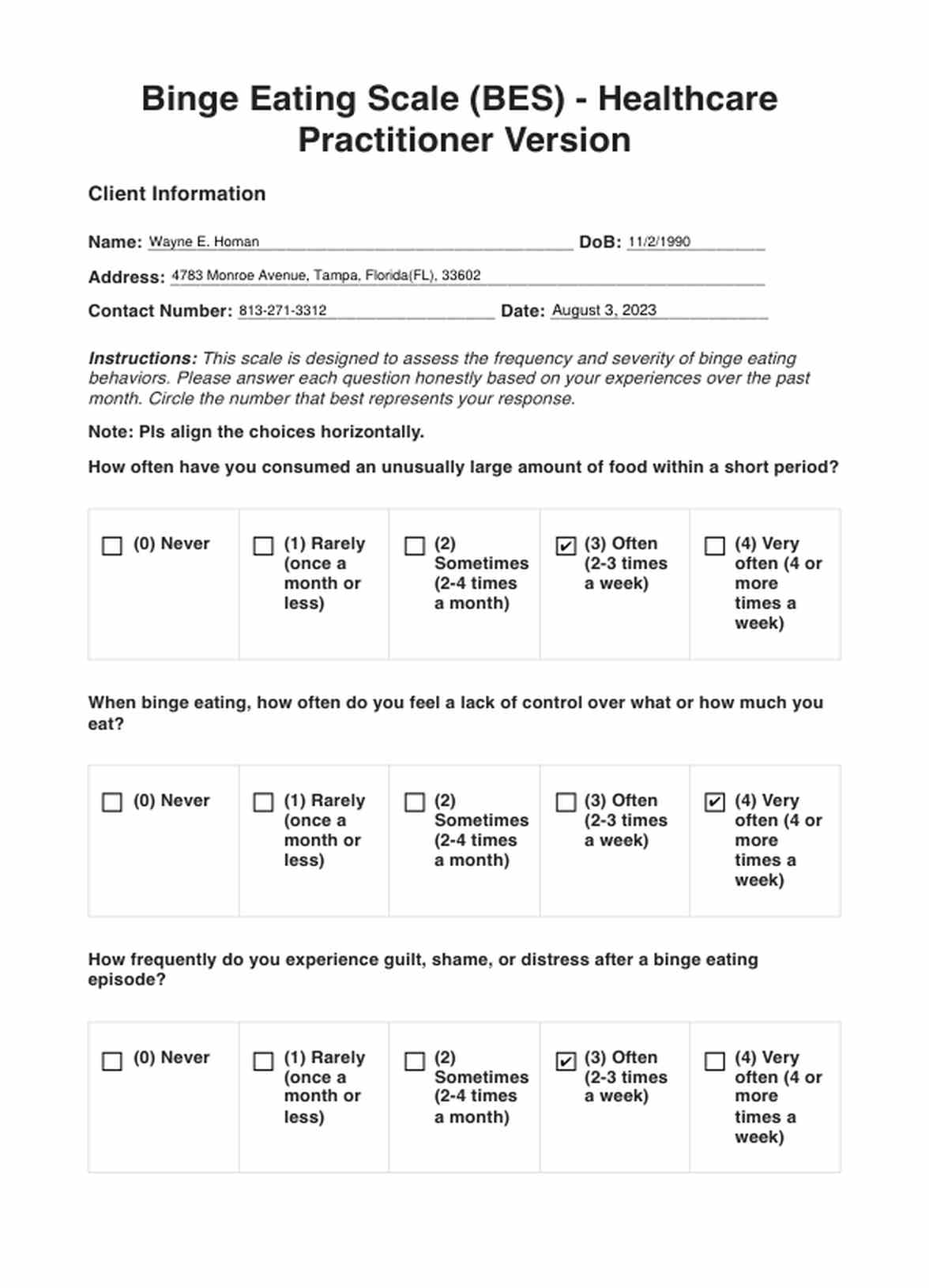
Binge eating disorder (BED) is the most common eating disorder, affecting millions of people worldwide. Despite its prevalence, there is a lack of effective pharmacological interventions. However, recent studies have highlighted the potential of glucagon-like peptide-1 (GLP-1) receptor agonists (GLP-1RAs) in managing BED. In this article, we will explore the therapeutic effects of GLP-1 therapy on BED, its outcomes, and the importance of combining it with behavioral therapy and nutritional counseling.
What are GLP-1 Receptor Agonists?
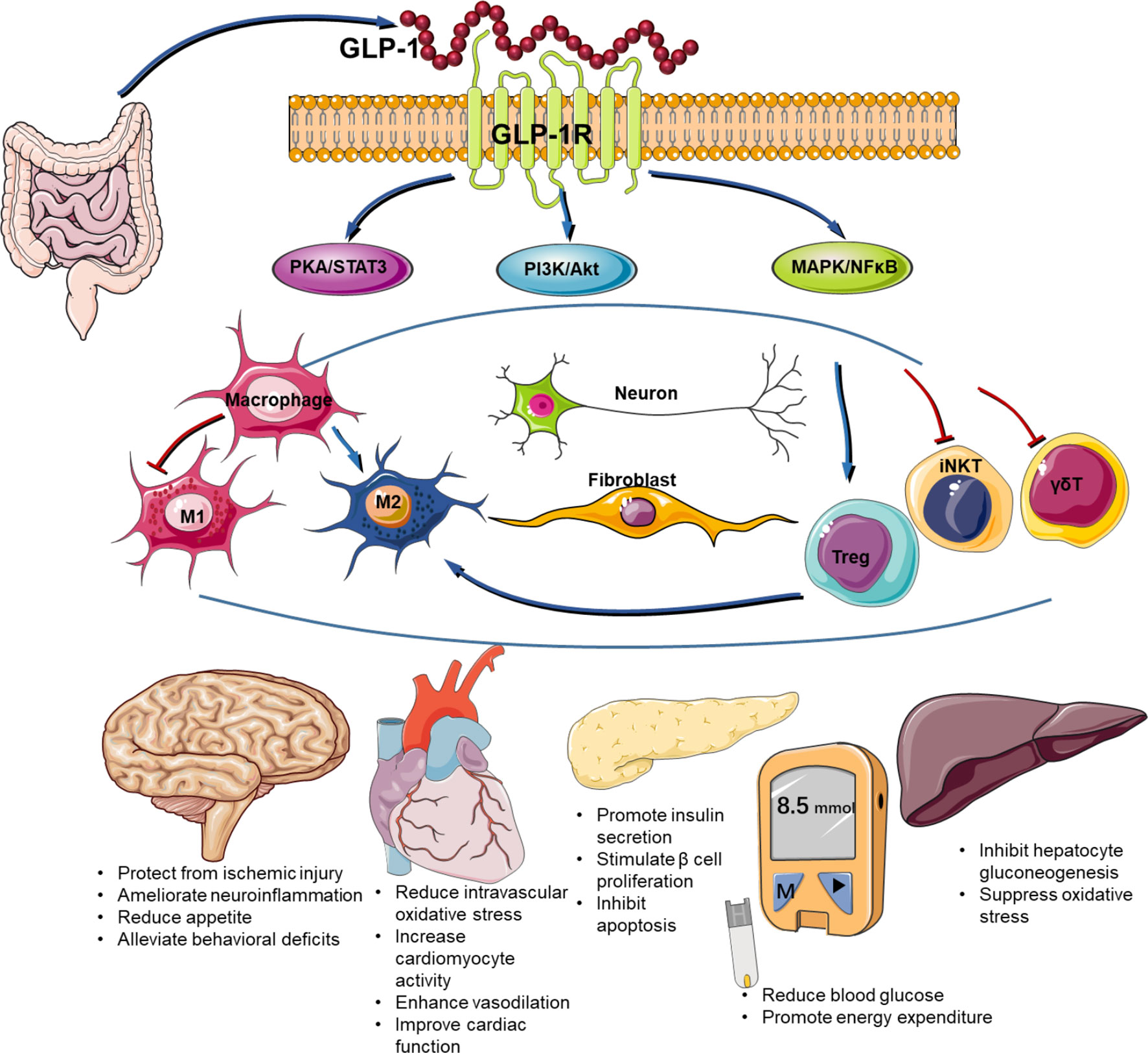
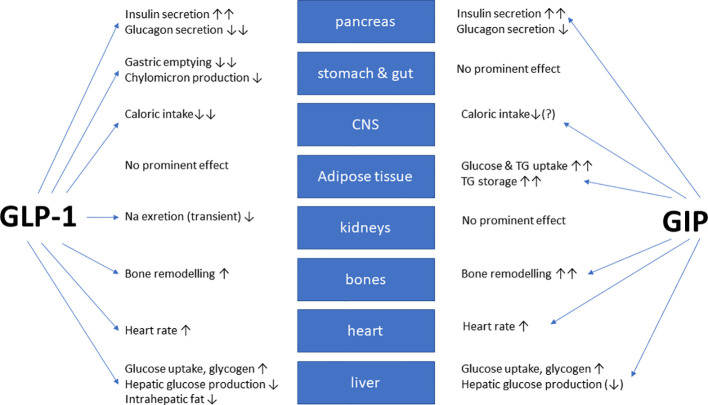
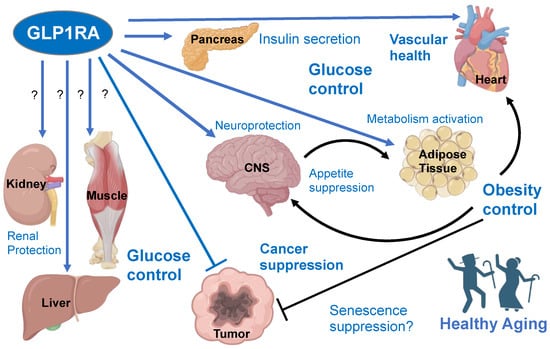
GLP-1RAs are medications approved for type 2 diabetes and obesity management. They work by slowing gastric emptying, increasing satiety, reducing hunger, and influencing reward pathways related to eating behavior. By mimicking the natural hormone GLP-1, these medications have been shown to reduce food intake and promote weight loss in individuals with obesity.

GLP-1 Therapy for Binge Eating Disorder: A Breakthrough in Treatment?
The therapeutic potential of GLP-1RAs in managing BED was first explored in small pilot studies. These studies revealed that GLP-1RAs, such as liraglutide, reduce binge eating, body weight, and comorbidities in individuals with BED and bulimia nervosa. Moreover, GLP-1RAs have a favorable psychiatric side effect profile compared to current medical treatments, making them an attractive option for treating BED.