Calorie Counting for Patients with Polycystic Ovary Syndrome (PCOS)
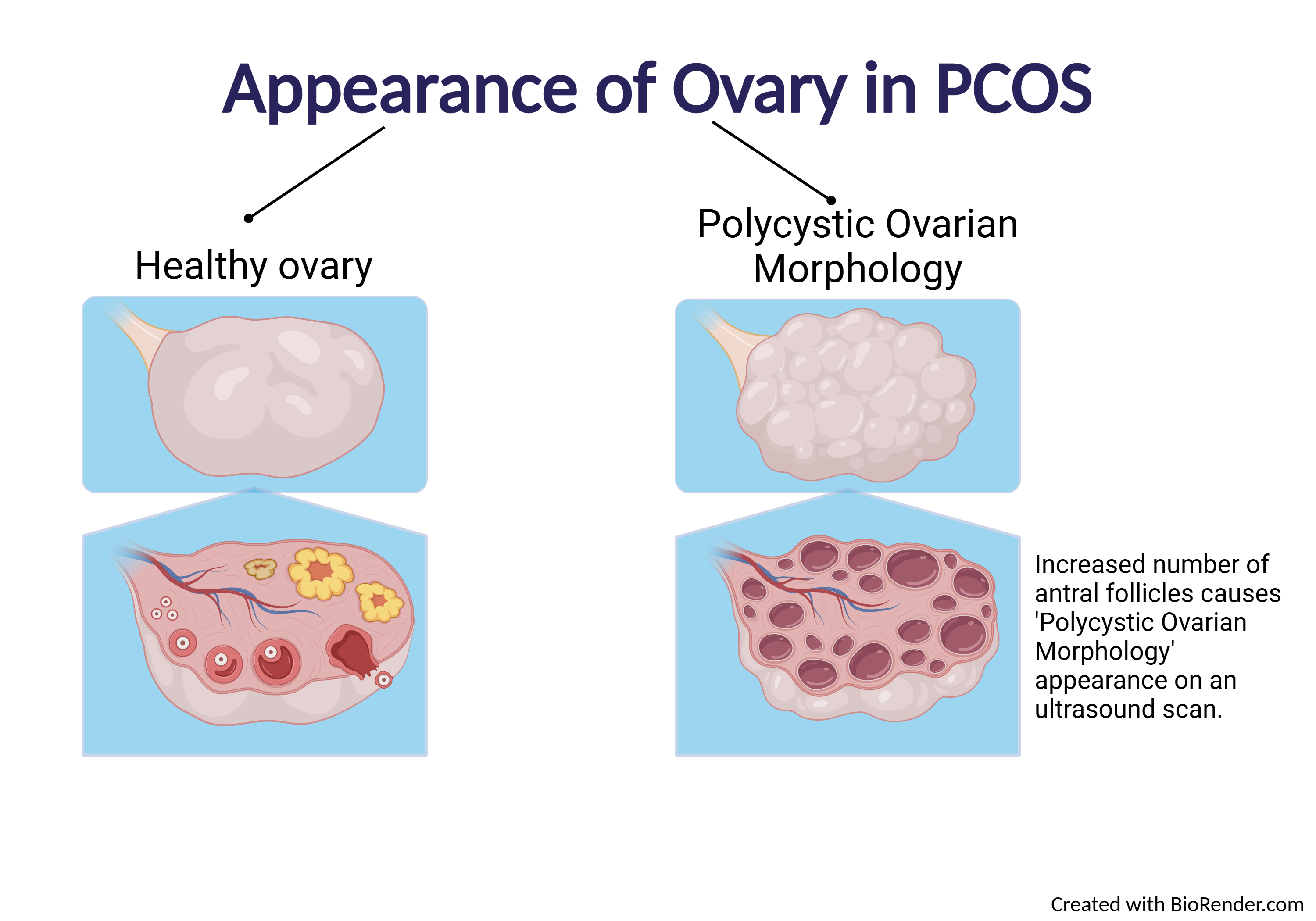
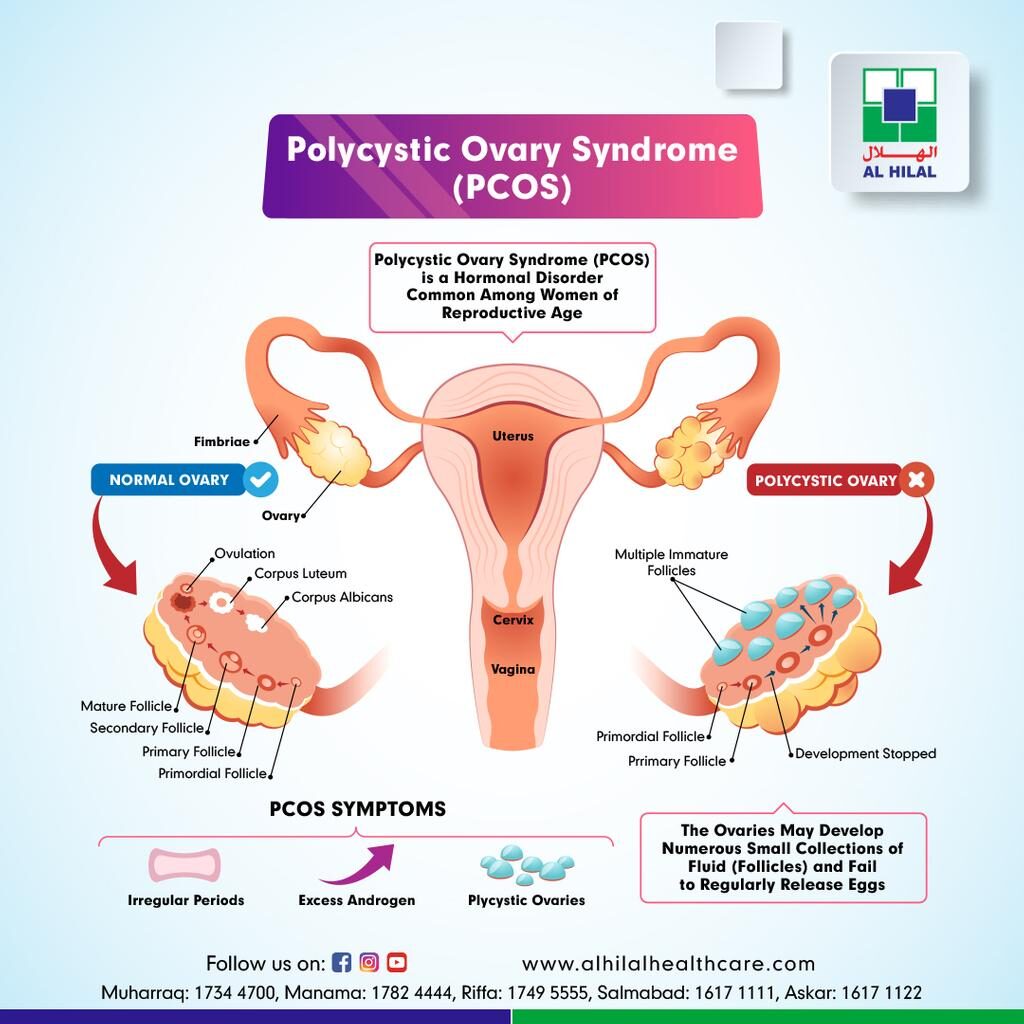
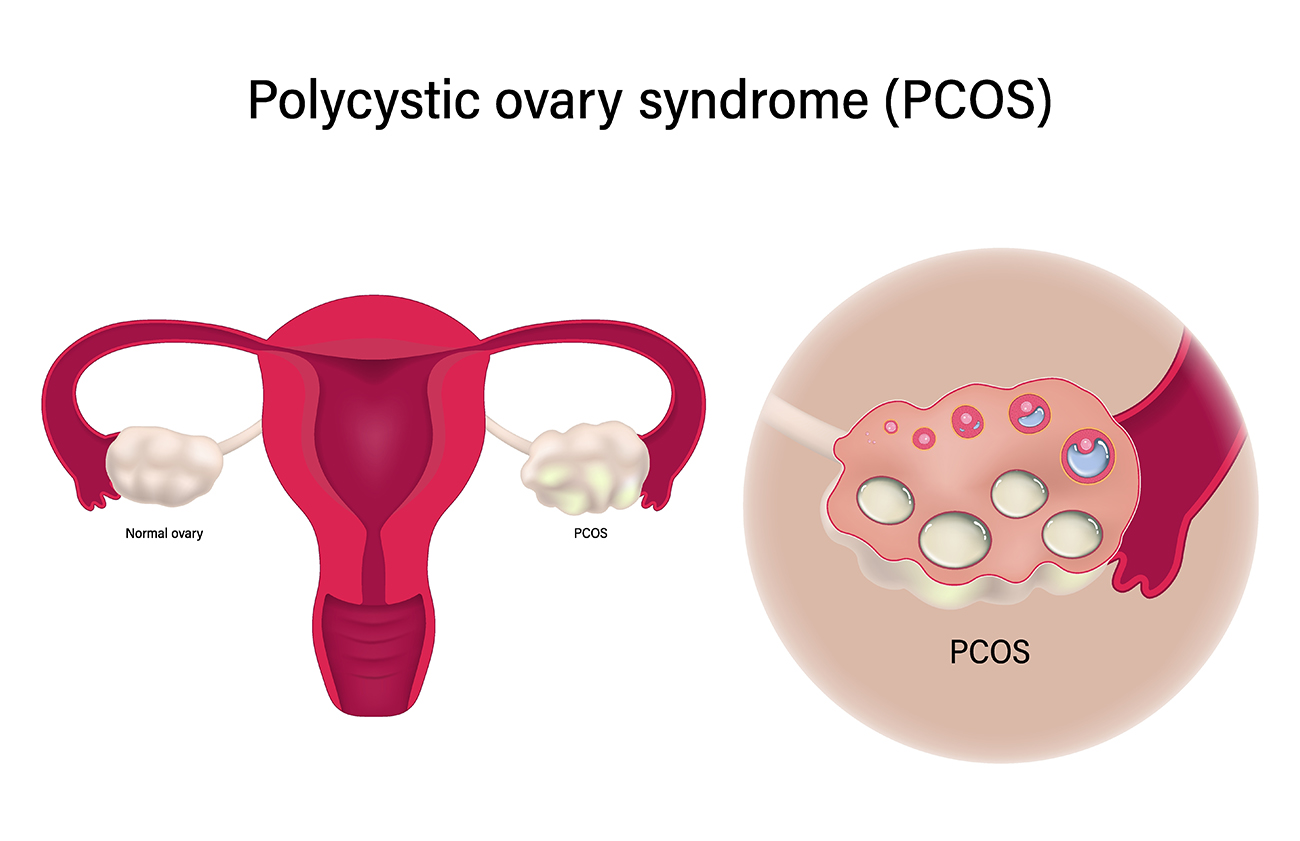
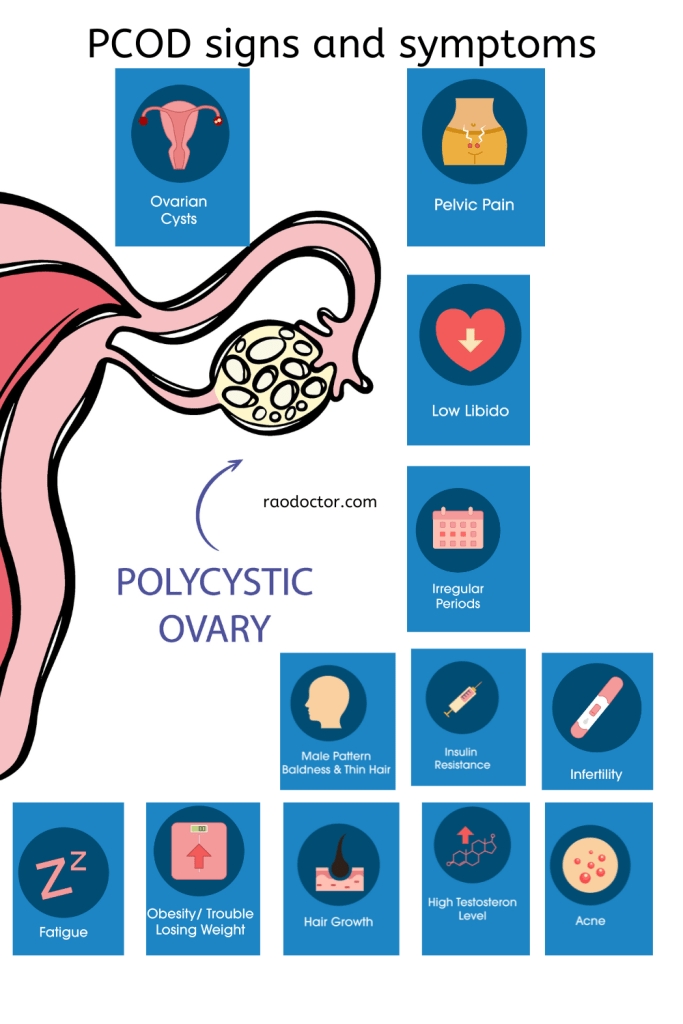
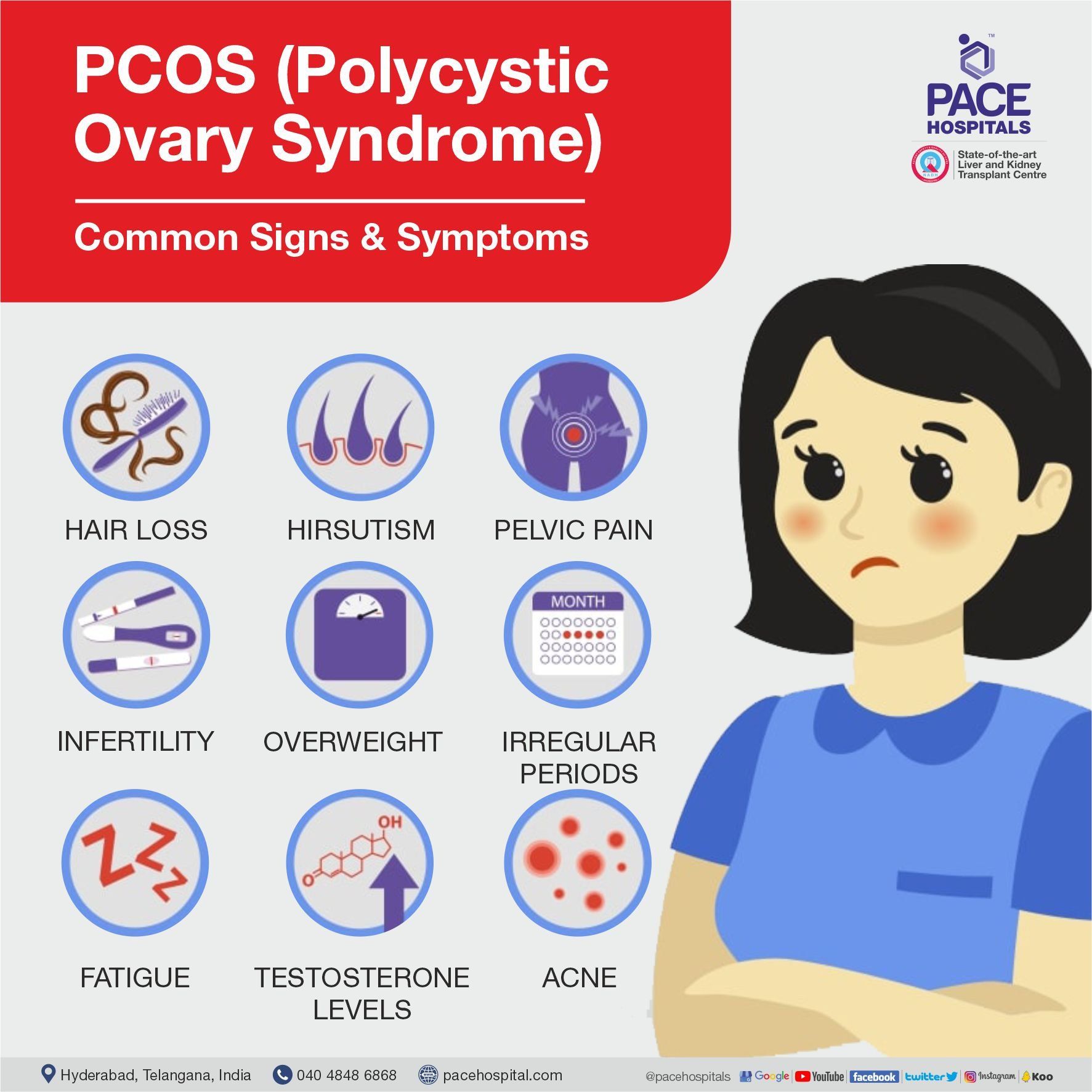
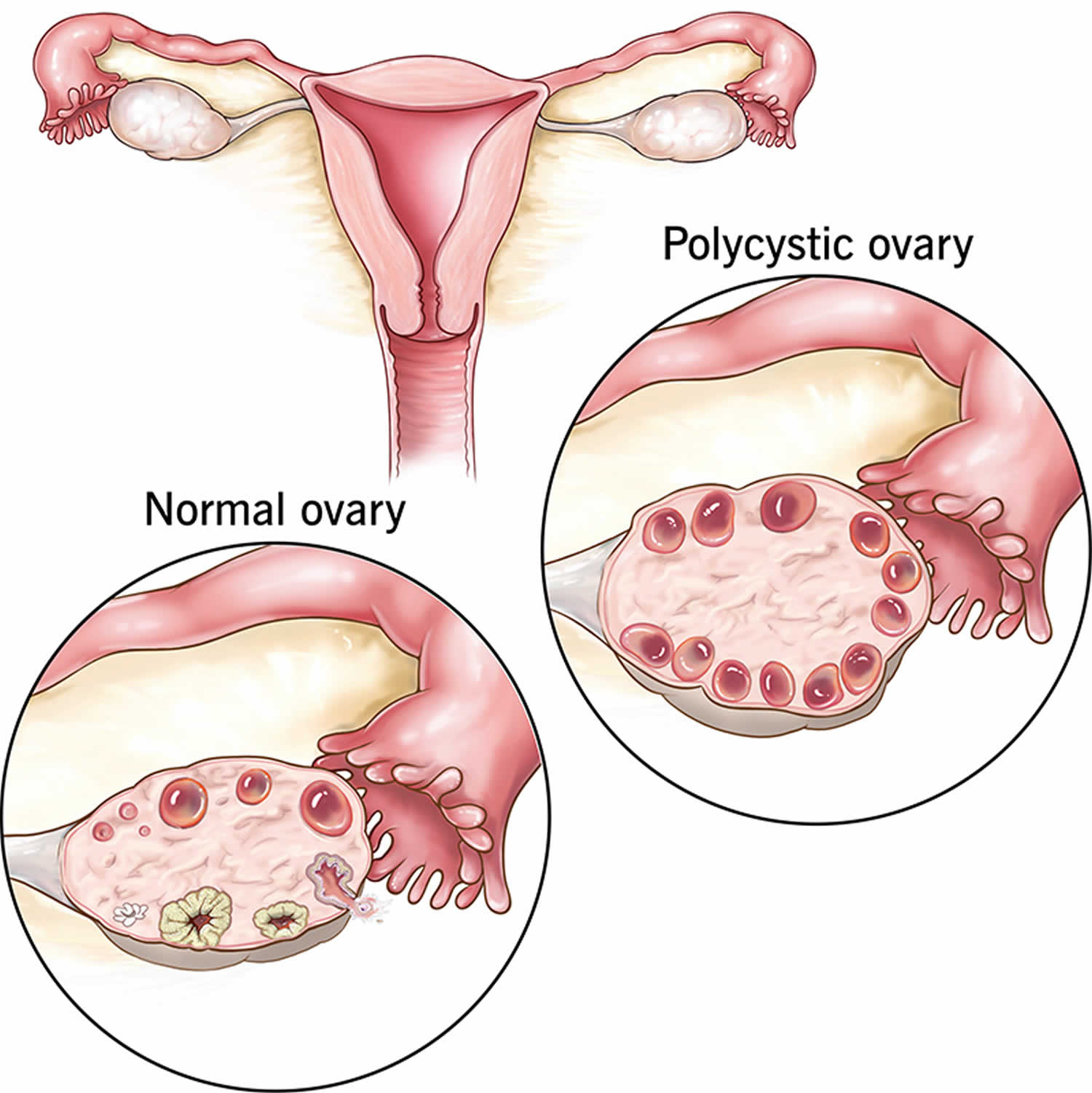
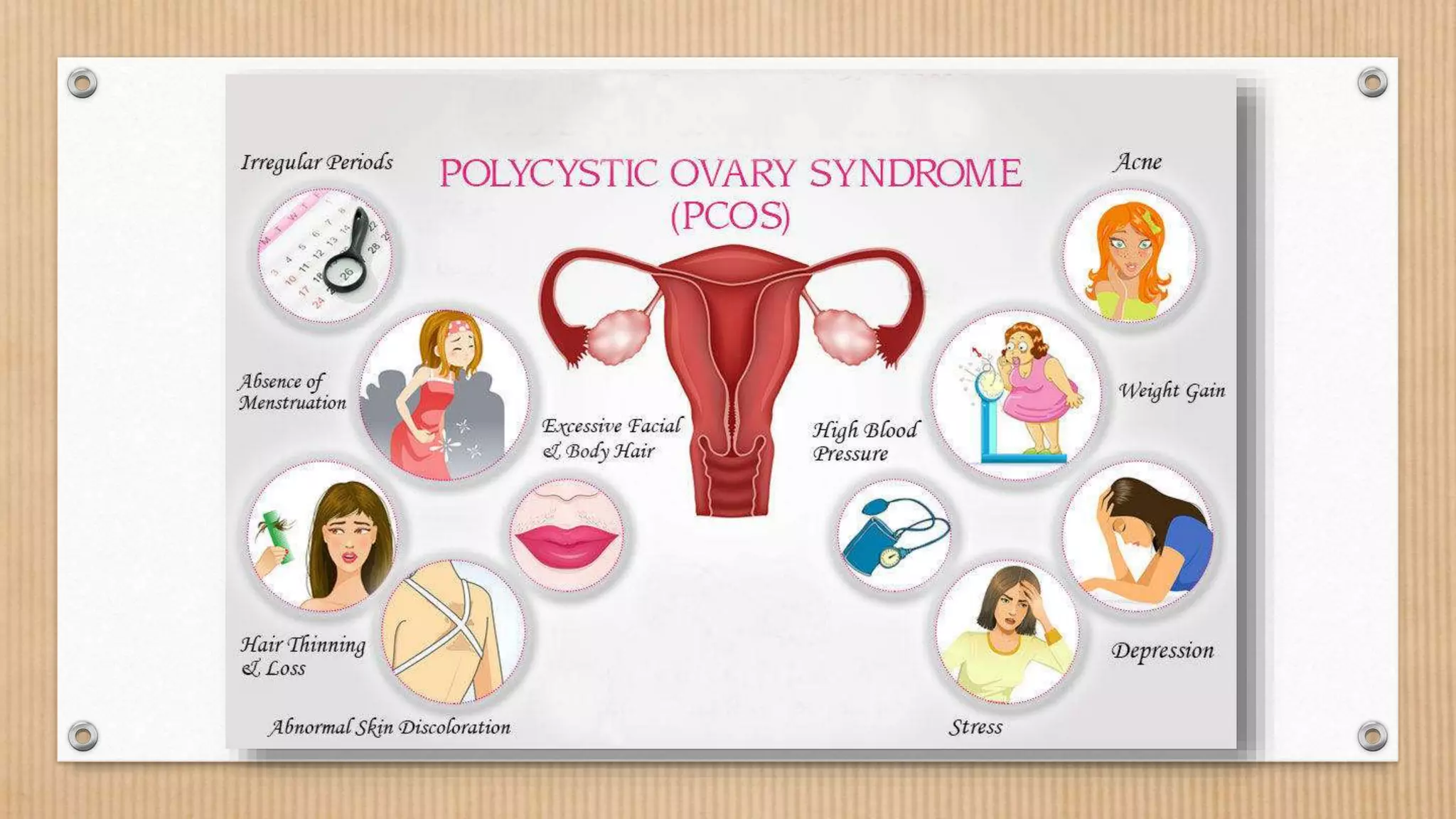
Polycystic Ovary Syndrome (PCOS) is a complex and highly prevalent reproductive, endocrine, and metabolic disorder affecting women of reproductive age. Women with PCOS often have higher levels of insulin in their blood, trouble maintaining a healthy weight, and are at increased risk of developing cardiometabolic disorders, including type 2 diabetes and cardiovascular disease.
The Importance of Calorie Counting in PCOS Management
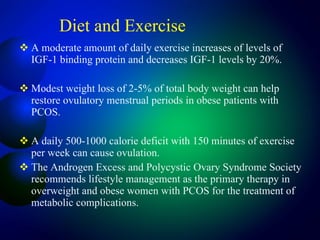
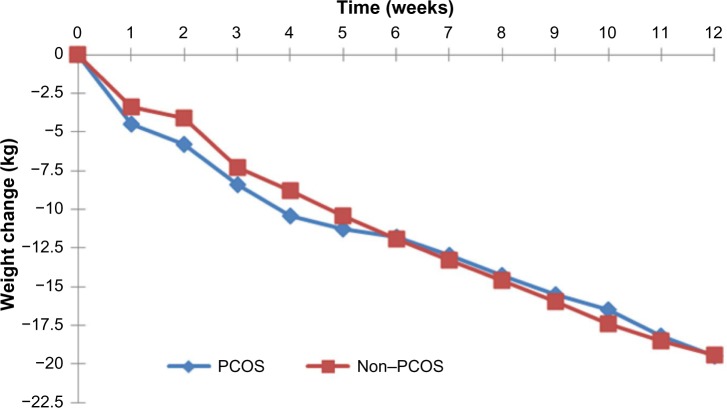
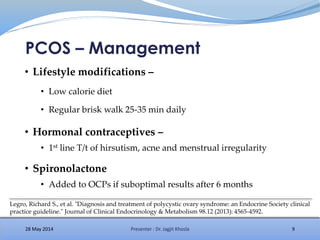
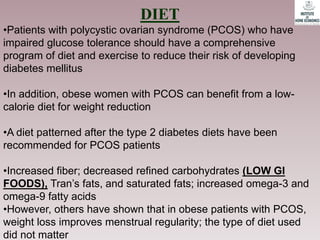
Calorie counting is a crucial aspect of PCOS management, as it helps women with PCOS achieve and maintain a healthy weight, improve insulin sensitivity, and manage other metabolic symptoms associated with the condition. A caloric deficit, achieved through a combination of a healthy diet and regular physical activity, has been shown to be effective in improving glucose homeostasis, lipid profiles, and hormonal markers in women with PCOS.
Developing a Personalized Calorie-Counting Plan
Developing a personalized calorie-counting plan for PCOS patients involves several steps:
- Consulting with a registered dietitian or healthcare provider to determine daily caloric needs and macronutrient ratios.
- Tracking daily food intake using a food diary or mobile application to monitor energy intake and identify patterns of eating.
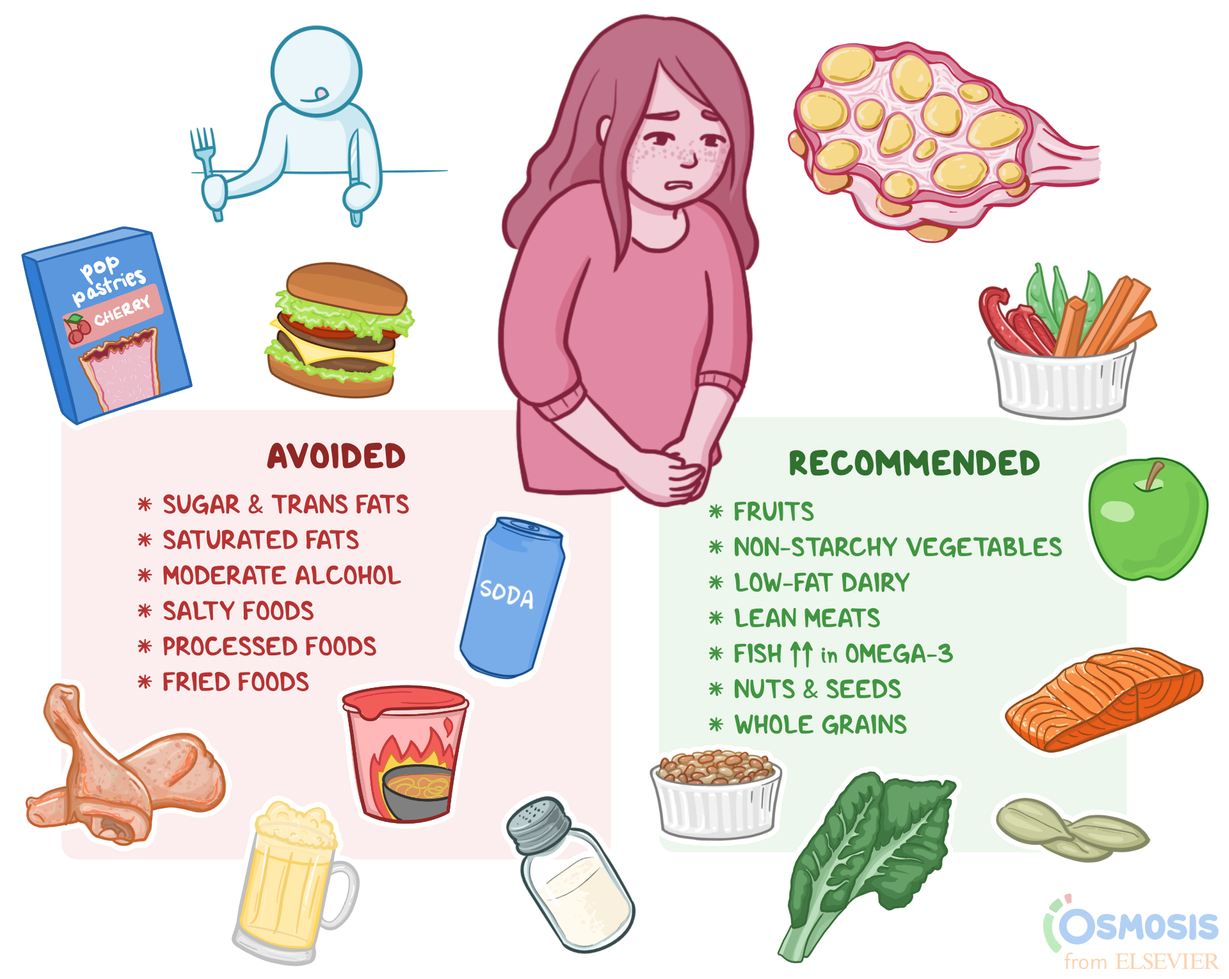
- Creating a meal plan that incorporates PCOS-friendly foods, such as whole grains, lean proteins, fruits, and vegetables, while limiting processed and high-calorie foods.
- Adjusting the meal plan regularly based on progress and feedback from regular monitoring and adjusting as needed.