Understanding the Potential Risks of GLP-1 Therapy: A Complete Guide
GLP-1 receptor agonists have established themselves as a crucial treatment option for managing type 2 diabetes and obesity due to their favorable effects on glucose regulation and weight reduction. However, as with any pharmacological intervention, the use of these medications comes with potential risks and side effects. In this article, we will delve into the potential risks of GLP-1 therapy, exploring the current understanding of serious adverse events associated with these medications.
What Are GLP-1 Receptor Agonists, and How Do They Work?
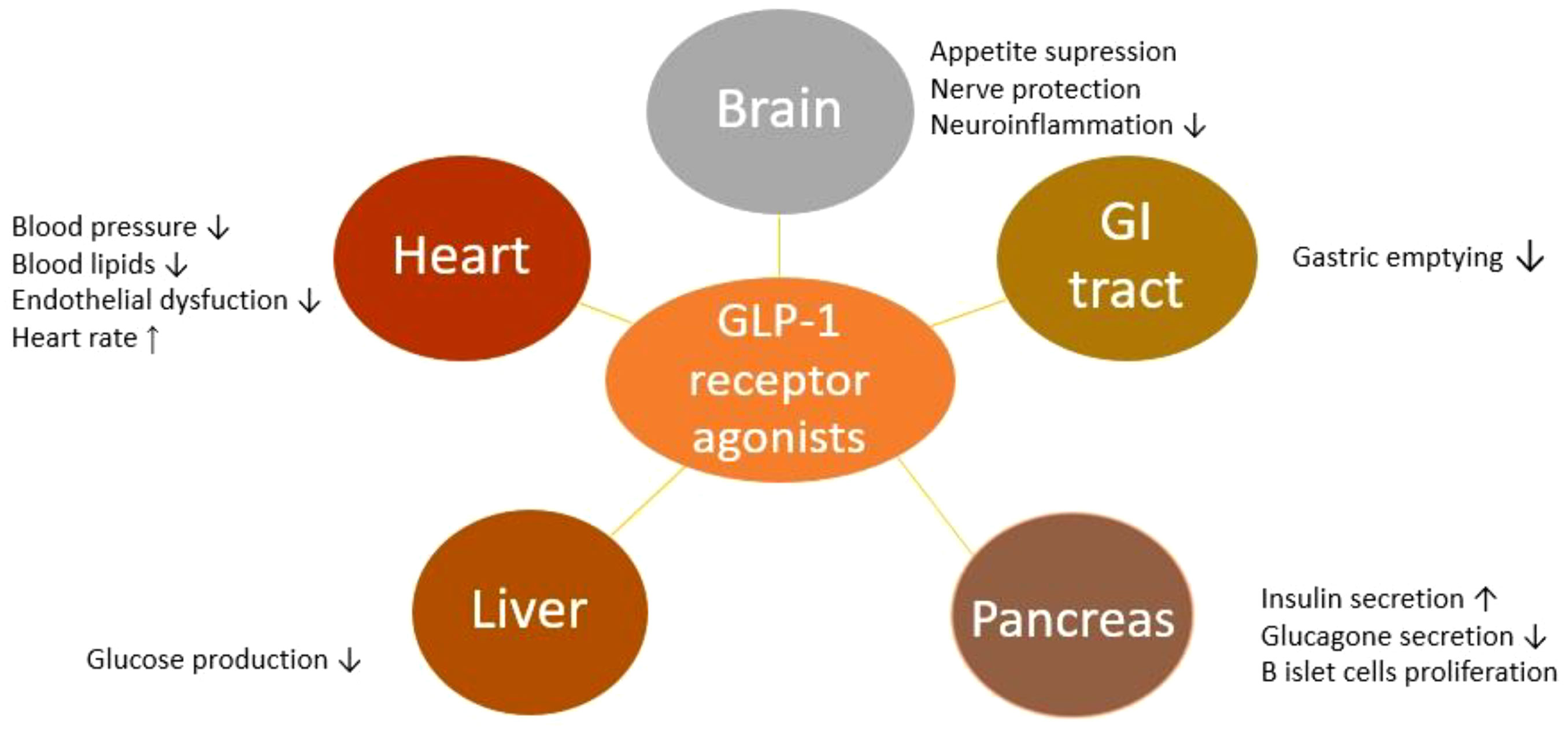
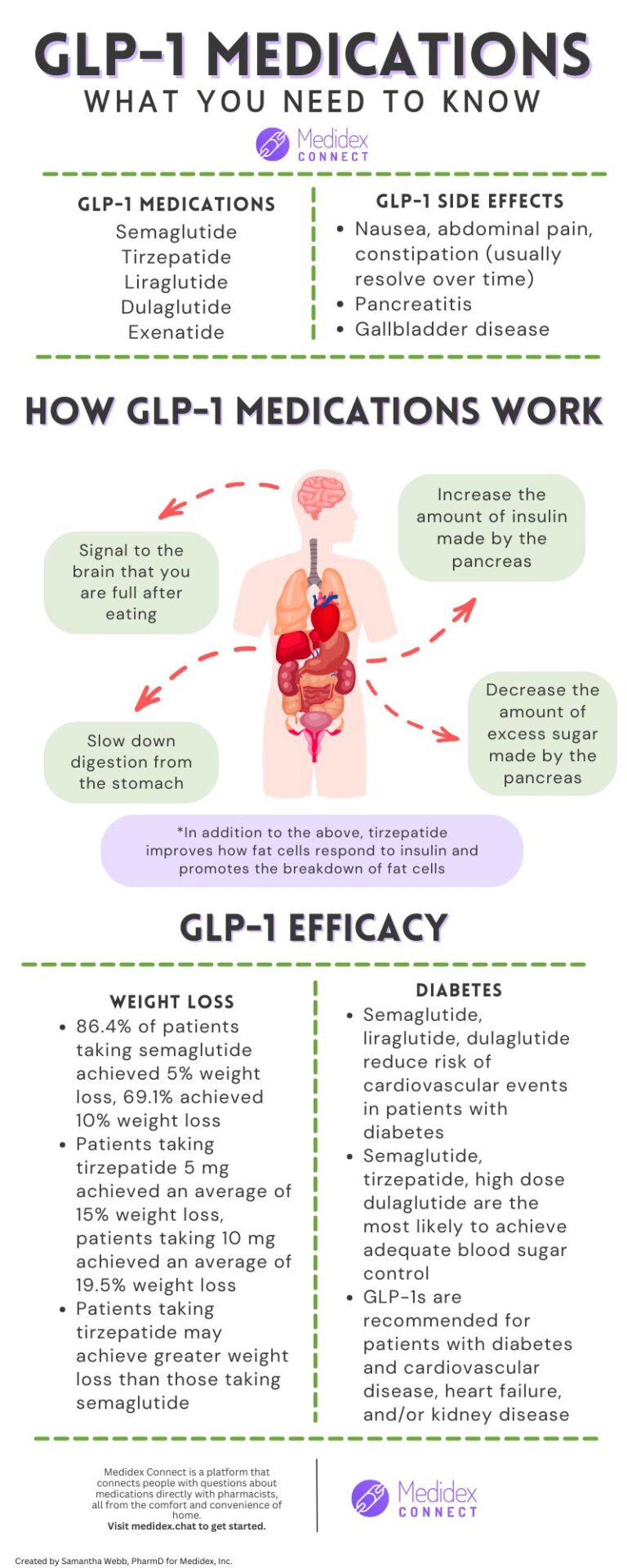
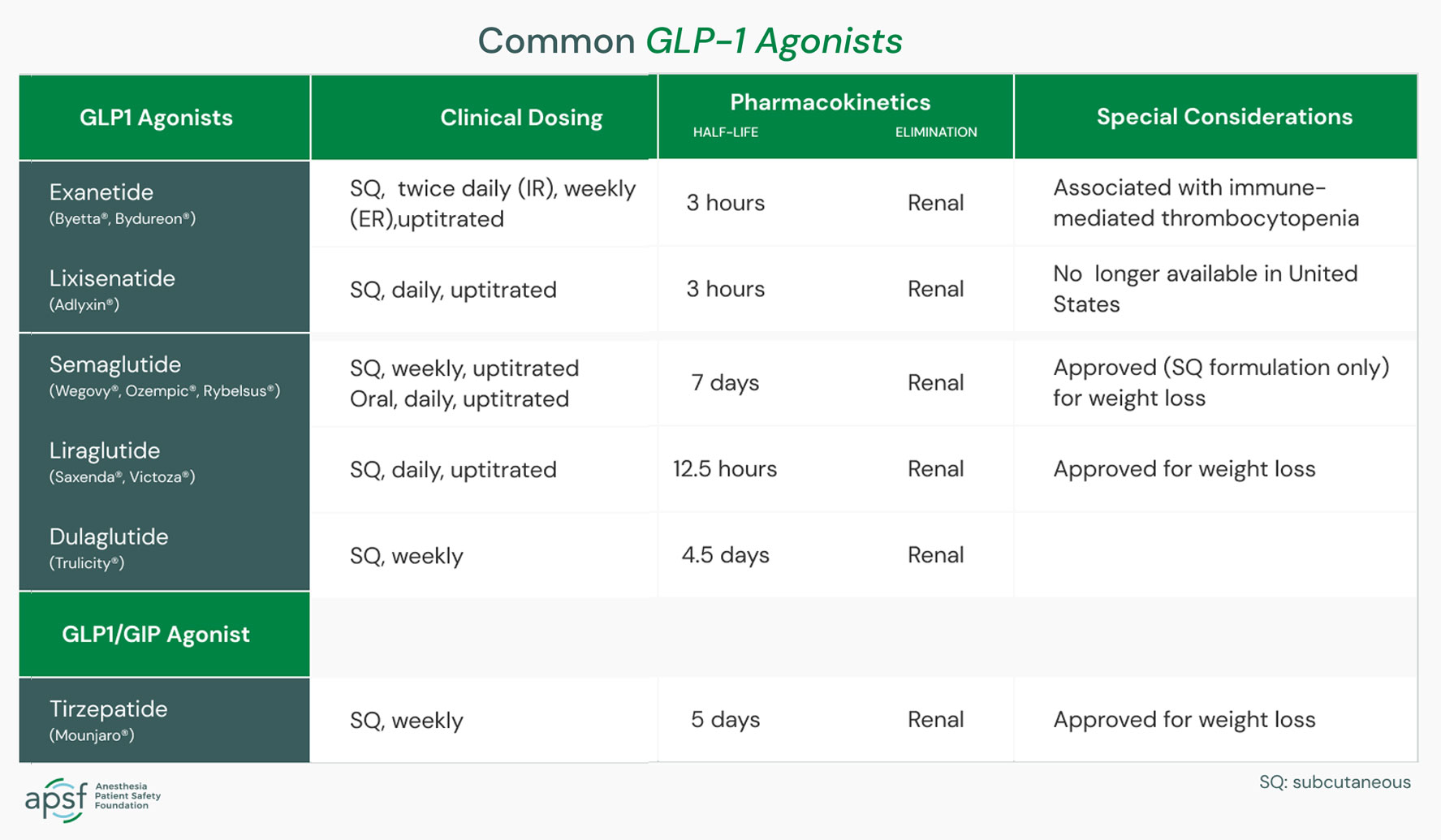
GLP-1 receptor agonists, also known as GLP-1 drugs, are medications that mimic the action of the naturally occurring hormone glucagon-like peptide-1 (GLP-1) in the body. GLP-1 works by stimulating the release of insulin, suppressing glucagon secretion, and slowing gastric emptying, ultimately leading to improved glucose control and weight loss.
Common Side Effects and Risks Associated with GLP-1 Therapy
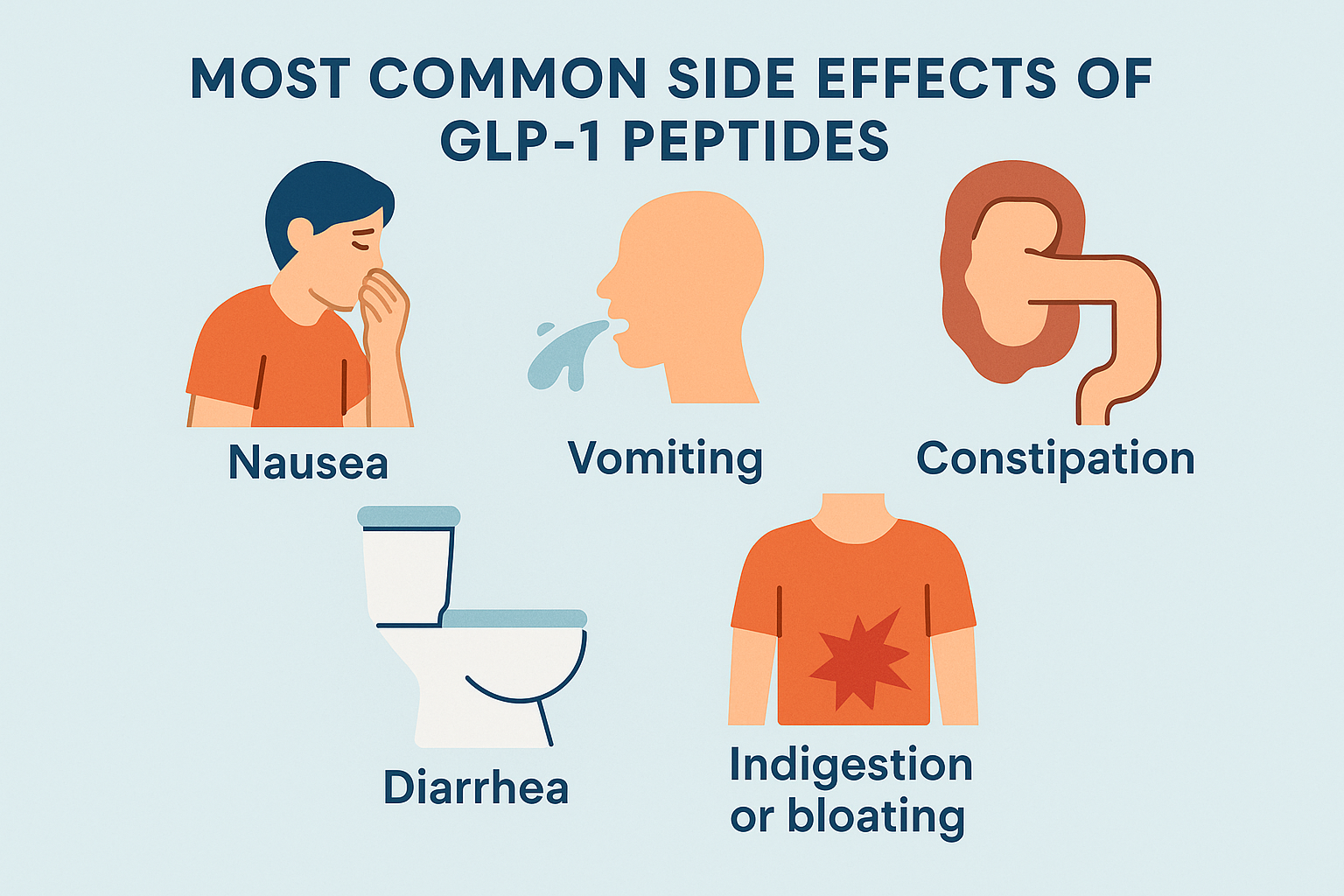
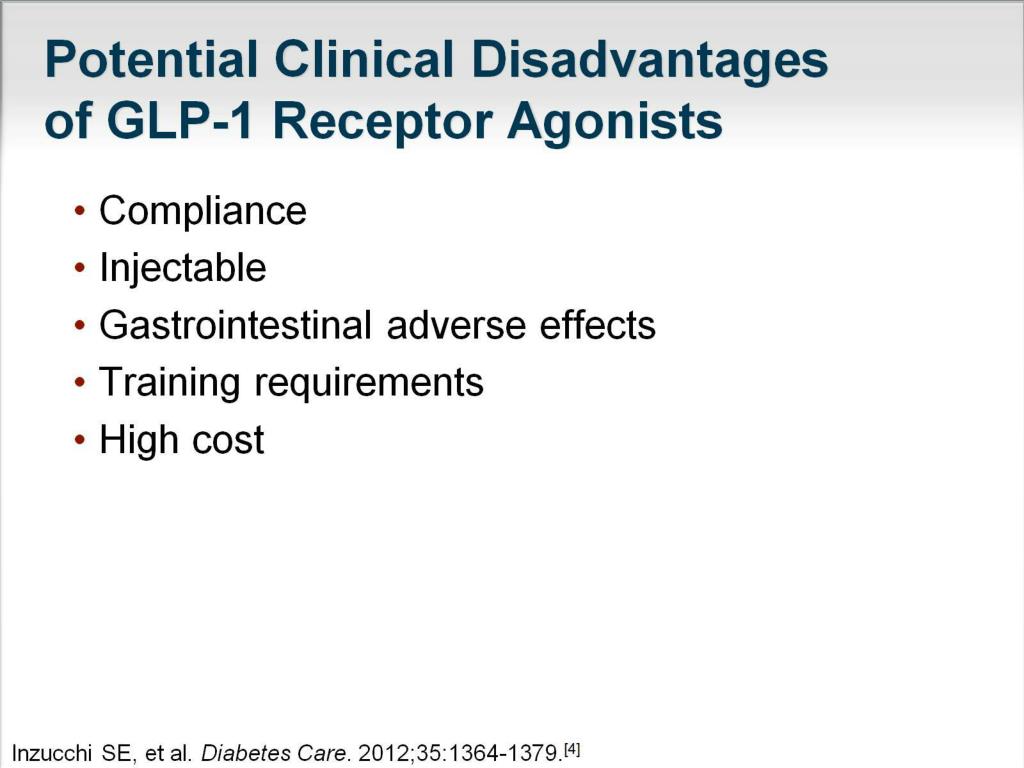
- Nausea and vomiting: Many patients experience nausea and vomiting, especially during the initial stages of treatment.
- Injection site reactions: GLP-1 medications are administered via injection, and some patients may experience redness, swelling, or itching at the injection site.
- Gastrointestinal side effects: GLP-1 therapy can cause diarrhea, constipation, and abdominal pain in some patients.
- Respiratory side effects: GLP-1 medications can cause coughing, rhinorrhea, and throat irritation in a subset of patients.
- Acute kidney injury: There have been reports of acute kidney injury associated with GLP-1 therapy, particularly in patients with pre-existing kidney disease.
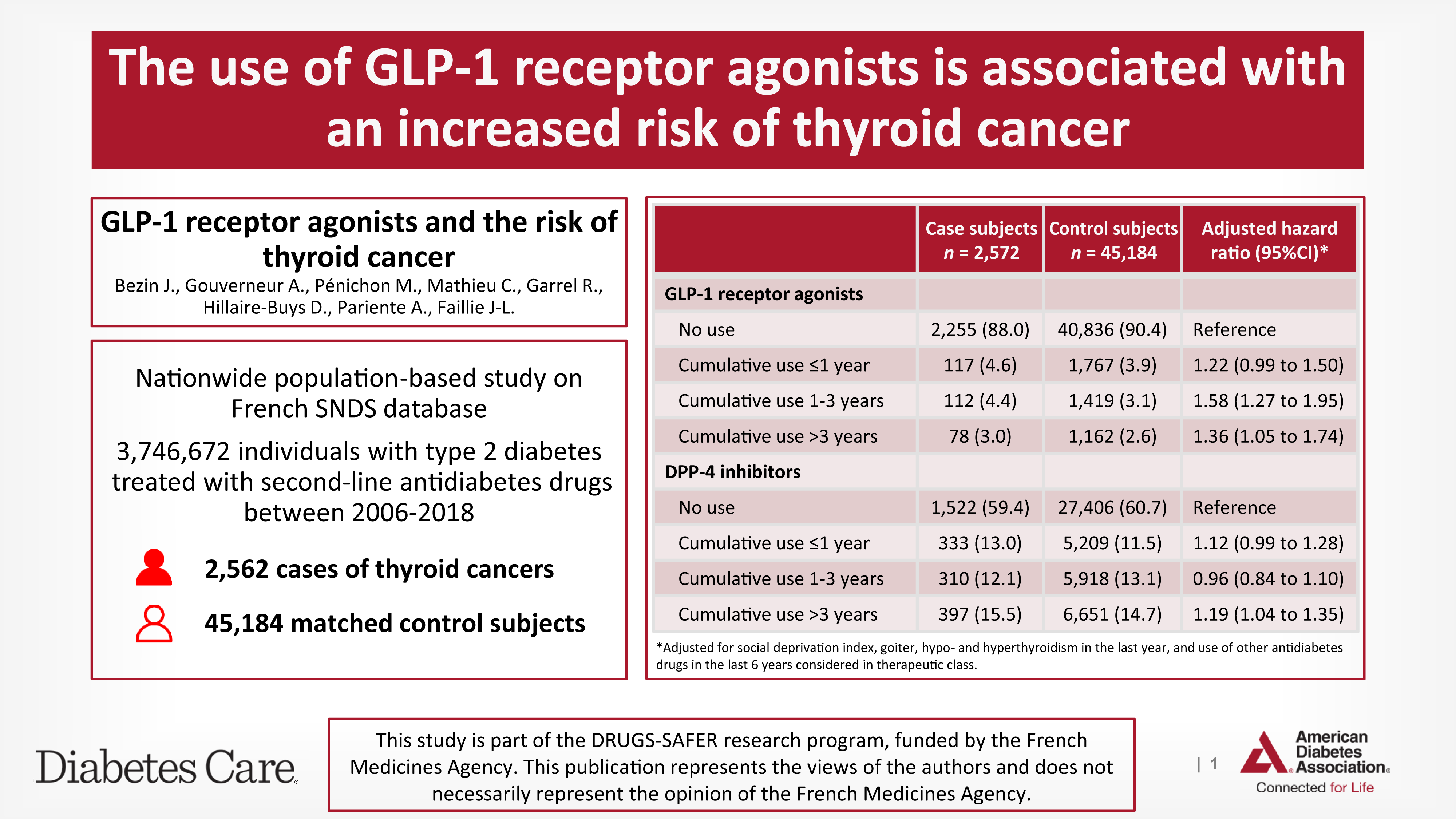
- Thyroid tumors: There have been concerns raised about the potential increased risk of medullary thyroid carcinoma (MTC) associated with GLP-1 receptor agonist use.
- Other rare but serious side effects: GLP-1 therapy has been associated with cases of pancreatitis, hypoglycemia, and allergic reactions.