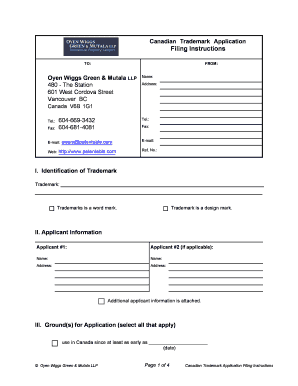
Understanding the Current State of Canadian Trademark Practice
The Canadian trademark practice has undergone significant changes over the years, with the aim of strengthening intellectual property rights and promoting innovation. As a business owner or trademark applicant, it is essential to stay informed about the latest developments in Canadian trademark practice to ensure compliance with the applicable laws and regulations.
Key Aspects of Canadian Trademark Practice
Canadian trademark practice is governed by the Trademarks Act and the Trademarks Regulations, which outline the rules and procedures for trademark registration, opposition, and enforcement. Here are some essential aspects of Canadian trademark practice:
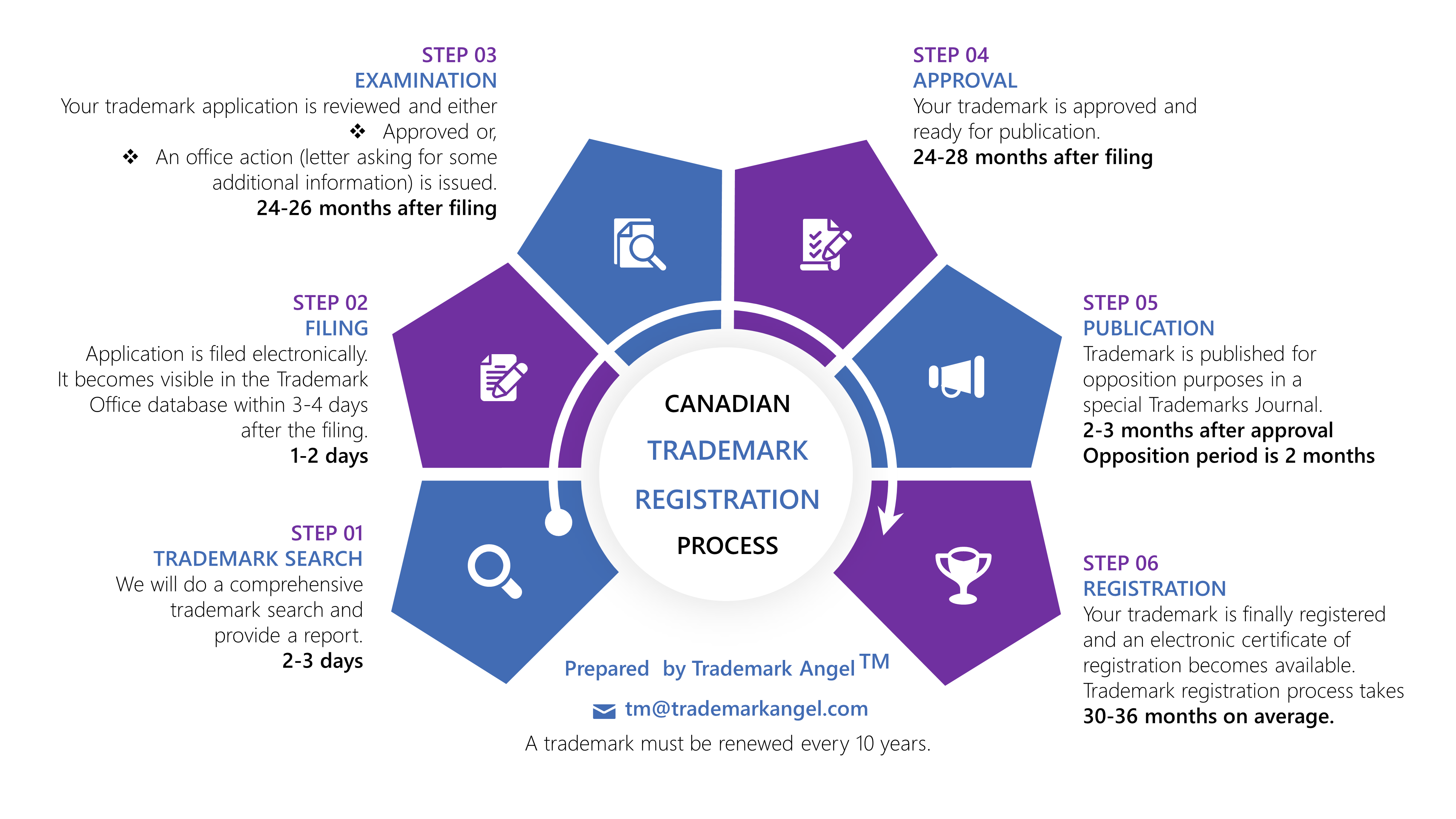
- Trademark Registration: The Canadian Intellectual Property Office (CIPO) is responsible for examining and processing trademark applications. A registered trademark provides exclusive rights to use a particular mark in Canada.
- Trademark Opposition: Any person or entity can oppose a trademark application if they believe it infringes on an existing trademark. Opposition proceedings can result in the rejection or amendment of the application.
- Trademark Enforcement: Trademark owners can enforce their rights through court proceedings or by filing a notice of opposition. This can lead to the cancellation of a conflicting trademark or prevention of its use.
Recent Developments in Canadian Trademark Practice
Several recent developments have impacted Canadian trademark practice, including: